

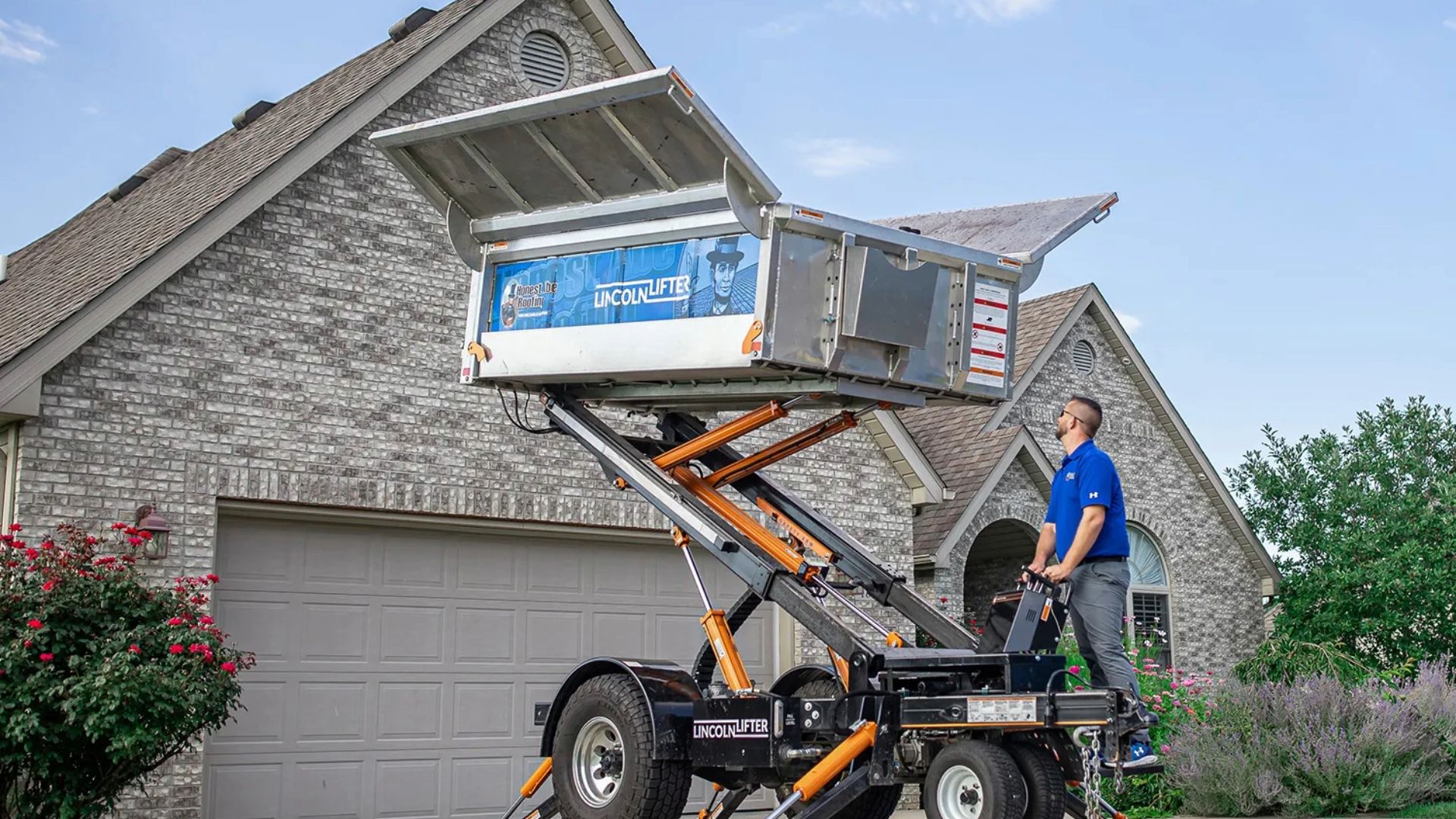
The Honest Abe Roofing Franchise is a residential roofing franchise centered on roof replacement, repairs, and related services, built around a sales- and marketing-driven model that uses subcontractor crews for installations. Prospective owners should understand the investment range, territory structure, training, and ideal owner profile before deciding whether this roofing franchise matches their goals.
The Franchise offers a structured way to enter the roofing industry without being a roofer by trade, focusing on sales, marketing, and operations while subcontracted crews handle installation work. The model is positioned for entrepreneurs who want to build a professional home-services business in a needs-based category where homeowners must eventually repair or replace their roofs.
If you want a guided, education-first overview of how franchise evaluation works before you compare roofing franchise opportunities, join the Franchise Webinar.
This article is sponsored by Honest Abe Roofing and was created in partnership with the brand to provide accurate, compliance-safe information about its business model and franchise opportunity. Nothing in this article should be considered legal, financial, or tax advice. Prospective franchisees should always review the most recent Franchise Disclosure Document (FDD) with qualified advisors before making an investment decision.
Key Facts at a Glance.
- Honest Abe Roofing positions itself as “America’s Reliable Roofer,” emphasizing trust, consistent service, and clear communication in a category where many homeowners feel cautious about contractors.
- Founded in 2007 by Kevin Newton in Terre Haute, Indiana; began franchising in 2017.
- Headquarters remain in Terre Haute, with 13 franchisee-owned units and additional corporate locations reported as of the end of 2024 (per available 2025 FDD summary materials).
- Core services include roof replacement, roof repairs, inspections, metal roofs, gutters, attic insulation, ventilation, and 24/7 emergency services.
- The model is sales- and marketing-focused, using vetted 1099 subcontractor roofing crews who carry their own insurance and equipment.
- Territories are typically based on “sets” of about 100,000 owner-occupied homes, giving franchisees a defined, protected customer base (subject to the specific terms in the FDD).
- Training combines classroom sessions, field coaching, and online learning, with an initial multi-day program that introduces roofing, sales, operations, and marketing systems.
- The franchise is built for owners with strengths in leadership, sales, and systems rather than hands-on construction experience.
Who Owns Honest Abe Roofing, and How Did the Brand Get Started?
Honest Abe Roofing was founded by Kevin Newton in 2007 in Terre Haute, Indiana, originally as a local roofing contractor with an emphasis on reliability and customer service. Over a decade, the company refined its processes, technology, and customer experience before beginning to franchise in 2017.
As the brand expanded, it partnered with franchise development platforms to accelerate growth, provide more structured support, and standardize best practices across markets. Today, the franchisor oversees both corporate and franchise locations while maintaining its roots in Indiana and its positioning as “America’s Reliable Roofer.”
Honest Abe Roofing Franchise Cost (Item 7).
Opening a Honest Abe Roofing Franchise location requires an investment that covers the franchise fee, initial setup, vehicles and equipment, marketing, and several months of working capital. The 2025 FDD Item 7 (as summarized in available materials) lists a total estimated initial investment between about $212,600* and $342,749* for a standard territory.
Startup Costs & Fees* (Item 7).
| Category | Low Estimate* | High Estimate* | Notes |
| Initial Franchise Fee* | $59,500* | $59,500* | Standard fee for one territory; the system has offered a 15% discount for qualified U.S. military veterans. |
| Buildout / Leasehold Improvements* | $20,000* | $80,000* | Item 7 includes “Real Estate/Building Improvements,” reflecting office or flex-space buildout in many markets. |
| Equipment / Signage* | $18,000* | $30,000* | Covers office equipment, software setup, signage, and certain tools used by the franchise operation. |
| Opening Inventory / Supplies* | $7,500* | $10,500* | Reflects insurance, uniforms, and initial operating supplies noted under insurance and uniform line items. |
| Training / Travel* | $1,350* | $4,300* | Travel, lodging, and meals for required initial training at the franchisor’s designated location. |
| Working Capital (first 3 months)* | $36,350* | $75,949* | Item 7 “Additional Funds” to cover payroll, marketing, and other expenses for three months. |
| Total Estimated Initial Investment* | $212,600* | $342,749* | Total range for a standard territory as disclosed in the 2025 FDD (per available summaries). |
Important context: These figures reflect startup and early operating needs only. They do not indicate financial performance or outcomes. Financial performance information, if provided, appears in Item 19 of the FDD; consult the document with a qualified advisor.
Use a budgeting tool to stress-test scenarios before you commit. Try the Franchise Financial Calculator to model cash needs and working capital assumptions.
Ongoing Fees & Support (Items 5/6 and related sections).
Once the franchise is open, owners pay ongoing royalties and brand-fund contributions as a percentage of gross sales, along with certain other periodic fees described in the FDD. These fees support continuing access to the brand, systems, and support resources.
| Category | Low Estimate* | High Estimate* | Notes |
| Royalty Fee* | 5%* of gross sales | 5%* of gross sales | Standard continuing fee on franchisee gross sales. |
| Brand/Marketing Fund* | 2%* of gross sales | 2%* of gross sales | Contribution to a brand or development fund used for system-wide marketing. |
| Local Marketing Spend* | Not disclosed in summary | Not disclosed in summary | Franchisees are typically required to spend a minimum amount locally; confirm requirements in the current FDD (commonly Item 11). |
| Technology / Software* | Not disclosed in summary | Not disclosed in summary | Costs for the proprietary CRM and any required software; confirm current recurring fees in the latest FDD. |
| Other Periodic Fees* | Not disclosed in summary | Not disclosed in summary | May include renewal, transfer, additional training, and audit-related fees; details appear in Items 5 and 6. |
What Tends to Move the Total Up or Down.
Several factors can push an Honest Abe Roofing Franchise cost toward the lower or higher end of the disclosed range. Understanding these drivers can help you plan more realistic budgets and stress-test your capital plan.
- Territory size and structure: Purchasing multiple “sets” of territory based on 100,000 owner-occupied homes each will generally increase both upfront fees and working capital needs.
- Local real estate decisions: Choosing a larger office or more fully built-out warehouse space, or investing in higher-end improvements, pushes real-estate-related line items toward the upper bound.
- Vehicle strategy: Buying new, fully branded vehicles rather than used or leased vehicles increases initial vehicle expenses and may affect insurance costs.
- Initial staffing plan: Hiring a larger initial sales or administrative team may require more working capital until revenues catch up.
- Marketing intensity: Spending more on launch marketing—digital campaigns, mailers, broadcast media—may improve brand awareness but requires a larger upfront outlay.
- Local professional and permit fees: Legal, accounting, licensing, and permit costs vary widely by jurisdiction, which can shift totals within the FDD ranges.
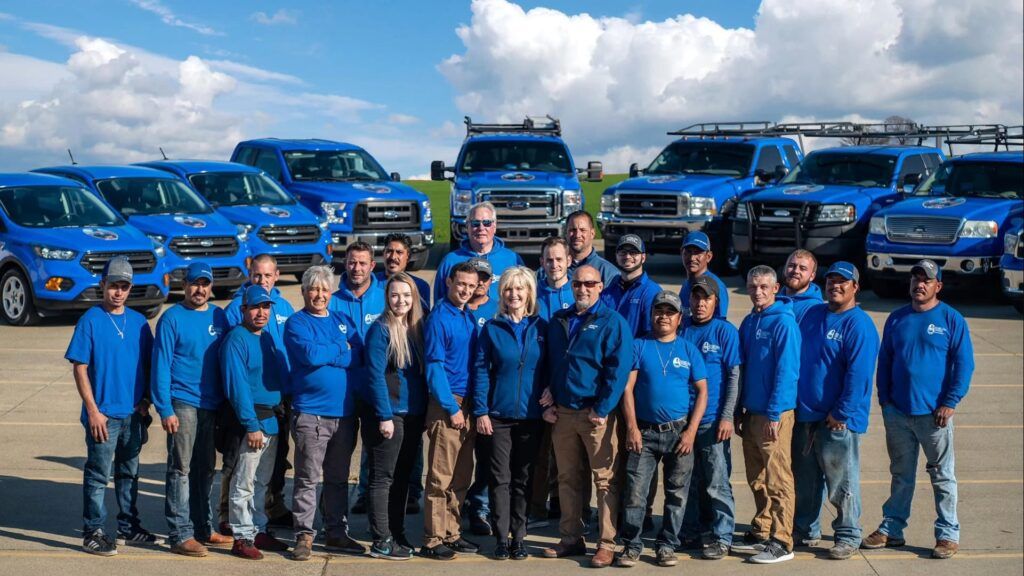
Honest Abe Roofing Franchise Business Model and Day-to-Day Operations
The Honest Abe Roofing Franchise operates like a modern home-services sales and production company rather than a traditional contractor shop built around a single craftsman-owner. The franchisee’s primary role is to generate leads, run a disciplined sales process, and coordinate high-quality installations through subcontractor crews.
The brand differentiates itself by emphasizing trust, a structured consultation process, financing options, and guarantees described in official materials rather than competing purely on low bids. Roofing Advisors meet homeowners, diagnose roofing needs, and present clearly structured proposals, while partner crews complete installation work to brand standards.
What does a typical day look like for an owner-operator?
A typical owner’s day involves leading people, monitoring performance, and ensuring that customers move smoothly from first call to final inspection. While every market is different, several operational rhythms tend to show up consistently:
- Morning huddles: Short team meetings to review the day’s schedule, confirm appointments, and address production issues.
- Lead and marketing review: Monitor incoming leads from digital campaigns, direct mail, and other channels, ensuring inquiries are contacted and scheduled quickly.
- Sales ride-alongs: Especially in the first year, owners may join Roofing Advisors on select in-home estimates to model the sales process and coach.
- Production coordination: Track project timelines, coordinate materials through preferred vendors, and check in with subcontracting crews about progress and quality.
- Customer follow-up: Calls and emails to homeowners after inspections and installations help clarify proposals, handle questions, and request online reviews.
- KPI analysis: Use KPI dashboards to review conversion rates, average ticket size, marketing performance, and customer satisfaction, then adjust coaching and resource allocation.
For many franchisees, the goal over time is to shift from doing much of the daily selling to managing a sales team and sales manager, while still staying closely involved in hiring, culture, and strategic decisions.
Honest Abe Roofing Franchise Training, Support, and Technology (Item 11).
Honest Abe Roofing invests in upfront and ongoing training to help owners who may not have a roofing background operate the business confidently. The training program covers roofing fundamentals, project management, sales and customer communication, marketing execution, and use of the proprietary technology platform.
Support does not end after the initial opening. Franchisees continue to receive coaching, access to KPI dashboards, marketing guidance, and updates to best practices, which together aim to reduce trial-and-error and keep owners focused on activities that drive performance.
Support & Systems Overview.
The Honest Abe Roofing system combines structured onboarding, field coaching, technology tools, and marketing assistance. While exact hour counts or fee amounts for some services are not publicly disclosed in summary materials, the overall framework is described across the FDD and franchise materials.
| Area | What’s Provided | Notes |
| Initial training | Multi-day program blending classroom sessions, in-the-field learning, and exposure to live sales and operations workflows. | Corporate materials reference significant classroom and on-the-job training at designated locations. |
| Field support | Ongoing coaching, scheduled calls, performance reviews, and in some cases on-site visits. | Coaches help interpret KPI dashboards and assist with corrective action plans. |
| Technology | Proprietary CRM integrated with QuickBooks, lead partners, suppliers, and financing partners. | Centralizes lead management, proposals, scheduling, materials ordering, and reporting. |
| Marketing | Guidance on direct mail, TV, radio, digital ads, SEO, and social media, with templates and examples. | Resources support launch plans and ongoing campaign optimization. |
| Ongoing education | E-learning modules, periodic webinars, and system-wide meetings. | Designed to keep franchisees current as processes evolve. |
| Financing guidance | Guidance and contacts for consumer financing programs homeowners can use for projects. | Helps present payment options to customers; not franchisee lending. |
What to Confirm During Due Diligence.
During your research process, it is helpful to drill down into how support will work in your specific situation rather than assuming all support is identical across the system. Conversations with existing franchisees and the franchisor can provide that detail.
Questions worth asking include:
- How is the initial training schedule structured week by week, and who from my team should attend which sessions?
- What launch support will I receive during the first 90–120 days after opening, and how often will I have calls with my assigned coach?
- What metrics will appear on my KPI dashboard, and how are those benchmarks or targets established?
- What minimum local marketing spend does the franchisor recommend in markets comparable to mine, and which channels tend to perform best there?
- How does the CRM handle leads from multiple sources, and what training will my team receive to use it effectively from day one?
- Which roles should I hire first—inside sales, Roofing Advisor, operations coordinator—and what compensation structures have other franchisees used successfully?
If you want a guided diligence framework (beyond roofing franchises), consider Franchise Consulting to align budget, owner role, and territory expectations before you move forward.
Territories, Real Estate, and Equipment Requirements.
Honest Abe Roofing organizes growth through defined territories, light commercial real estate needs, and a mix of branded vehicles and subcontractor-supplied equipment. The intent is to give each owner enough population density and housing stock to build a meaningful business while avoiding overlap among franchisees.
Because roofing work occurs at customers’ homes, franchisees usually do not need expensive retail storefronts, which can help manage overhead. Instead, they focus on functional office and storage space suitable for staff, vehicles, and materials handling.
What real estate profile is typical?
Most locations operate from office or flex industrial space rather than high-traffic retail properties. The key is to balance affordability with practical needs for parking, storage, and team workflows.
Common features include:
- Office area for sales, administrative work, and training sessions.
- Warehouse or storage space for materials, ladders, and tools when not directly shipped to jobsites.
- Adequate parking for branded vehicles and, where needed, small trailers.
- Compliance with local zoning, signage, and occupancy rules, often handled with help from local professionals.
Honest Abe Roofing Franchise Territory Protection (Item 12).
The FDD describes territories using sets of owner-occupied households, offering franchisees exclusivity within those boundaries as defined in the agreement and Item 12 terms.
Key elements to understand include:
- Standard size: A typical territory is based on approximately 100,000 owner-occupied homes, labeled as a “set” in internal materials.
- Exclusive rights: Franchisees generally have the exclusive right to operate within their territory, subject to conditions and limitations defined in Item 12.
- Multi-territory options: Some buyers choose multiple sets upfront or add territory later; this affects investment, staffing, and marketing planning.
- Lead handling and cross-border work: Clarify how leads outside the territory or spanning multiple territories are handled, especially in storm-related scenarios.
What equipment or vehicles are commonly required?
Because subcontractor crews bring their own heavy equipment, the franchise’s equipment needs are more focused on sales, inspection, and operations.
Typical requirements include:
- Branded sales vehicles for Roofing Advisors, often pickup trucks or SUVs with visible logos.
- Ladders and safety gear for inspections and jobsite checks performed by franchise staff.
- Office hardware (computers, phones, networking) to run the CRM and handle inbound calls.
- Exterior and interior signage at the office location to reinforce the brand.
- Marketing materials including yard signs, door hangers, mailers, and branded apparel.
Ideal Honest Abe Roofing Franchise Owner and Time Commitment.
The ideal Honest Abe Roofing franchisee is a full-time operator who is comfortable leading teams, managing sales processes, and working within structured systems. The role is closer to that of a general manager or regional director than a tradesperson.
Owners should expect to be deeply involved in the business, especially during the first several years, including recruiting, training, marketing oversight, and performance management. Over time, some franchisees may build a management structure that allows them to step back from daily sales while retaining strategic control.
Characteristics that tend to align well with this franchise include:
- Team-builder: Enjoys hiring, coaching, and developing sales and operations staff.
- Systems-driven: Appreciates proven scripts, workflows, and KPI-driven management.
- Customer-service mindset: Values communication, punctuality, and quality control, recognizing the importance of reviews and referrals.
- Comfort with sales: Willing to engage in high-ticket, consultative selling and support a team that does so daily.
- Coachability: Sees franchisor support as an asset and is open to feedback and accountability.
- Time commitment: Prepared for full-time involvement, especially through launch and early growth phases.
Honest Abe Roofing Franchise Reviews and Comparisons.
Among roofing and home-services franchises, Honest Abe Roofing stands out for its emphasis on a structured sales engine, subcontractor labor model, and sizeable protected territories. These elements shape the daily experience of owners and the way they grow their businesses.
Compared with more traditional contractor franchises, Honest Abe Roofing:
- Focuses heavily on sales and marketing processes, including inside and outside sales functions, rather than expecting the owner to perform or supervise every job personally.
- Leverages subcontractor crews, which can reduce the complexity of managing large payrolls and hiring specialized tradespeople directly, though it requires strong vendor management skills.
- Offers territories defined by 100,000 owner-occupied homes, which may be larger than some service franchises and allows concentration on scaling within a defined area.
- Provides proprietary technology tailored for roofing, integrating CRM, quoting, QuickBooks, suppliers, and financing partners in one system.
- Invests in marketing guidance and creative resources to support multi-channel campaigns, from direct mail to digital advertising.
If you want to compare roofing franchises for sale and other roofing franchise opportunities side by side (including non-roofing home-services brands), use the Find Franchises tool to explore options with expert guidance before committing.
FAQ About the Honest Abe Roofing Franchise..
- What is the total Honest Abe Roofing franchise cost?
The 2025 FDD Item 7 lists a total estimated initial investment of approximately $212,600* to $342,749* for a standard territory, including the franchise fee, buildout, vehicles and equipment, initial marketing, and three months of working capital. These figures are estimates and do not represent financial performance. - Does Honest Abe Roofing require prior roofing or construction experience?
Prior roofing or construction experience is not required. The franchise is designed so owners can focus on business leadership, sales, and operations, while training covers roofing basics and subcontractor crews handle installations. - What are the ongoing fees for Honest Abe Roofing franchisees?
Available summary sources indicate a 5%* royalty fee and a 2%* brand or advertising fund contribution based on gross sales, plus other periodic fees described in the FDD. Candidates should confirm current percentages, minimums, and definitions directly in Items 5 and 6 of the latest FDD. - How large is a typical Honest Abe Roofing territory?
A standard territory is generally defined by approximately 100,000 owner-occupied homes, sometimes referred to as a “set.” Some owners may acquire additional sets if they want to cover larger geographic areas or plan multi-territory growth. - Does Honest Abe Roofing offer a veteran discount?
Available 2025 FDD summary materials indicate that qualified U.S. military veterans may receive a 15% discount on the initial franchise fee, although candidates should verify current veteran incentives in the latest FDD and with the franchisor. - Where can I find financial performance information?
Financial performance information, if provided, appears in Item 19 of the Franchise Disclosure Document. Item 19 may or may not be included; consult the document with a qualified advisor.
Is the Honest Abe Roofing Franchise the Right Fit for You?
Deciding whether the Honest Abe Roofing Franchise is a good fit depends on your strengths, resources, and comfort with a sales- and operations-driven home-services business. The model can appeal to entrepreneurs who want to lead teams and work in an essential service with ongoing customer demand, but it also requires sustained effort and disciplined execution.
You may find this franchise attractive if:
- You are energized by building and coaching a high-performing sales and operations team.
- You appreciate detailed playbooks and are comfortable being held accountable to KPIs and system standards.
- You like the idea of offering a trust-focused service in a category where homeowners often feel uncertain and value clear communication.
- You are financially prepared for the full investment range and working-capital needs outlined in the FDD and can tolerate the risks inherent in a new business.
You may want to proceed cautiously or look at alternative options if:
- You prefer working hands-on in the field rather than leading teams, running sales meetings, and managing metrics.
- You are looking for a part-time or passive investment without significant ongoing involvement.
- You are uncomfortable with sustained marketing and lead-generation activity, which is central to this model.
Whether the Honest Abe Roofing Franchise is the right fit comes down to your strengths and preferred owner role—especially comfort with sales, team leadership, and KPI-driven operations. Before deciding, review the latest FDD, validate key details with franchisees and qualified advisors, and compare it to other roofing franchise opportunities to confirm the best match for your goals and budget. If you’d like guided help narrowing options, start with Find Franchises or book Franchise Consulting.