

Beauty and spa franchises are appointment-based service businesses built on repeat visits, staffing, and local reputation. This guide explains common models, cost drivers, diligence questions, and risks—then helps you pressure-test personal fit for capital, skills, and schedule before choosing a beauty spa franchise opportunity.
Beauty and Spa Franchises can be a strong fit when you’re comfortable leading a service team, protecting standards, and building local trust through consistent guest experience. You’ll learn how beauty spa franchising models work, what variables shape operating complexity, what to verify in the FDD, and how to test fit before you commit.
Beauty and spa franchises are often marketed as lifestyle businesses, but they usually operate like people-and-process businesses: hiring, training, scheduling, service consistency, sanitation routines, and reputation management. Many concepts rely on recurring appointments and memberships, but repeat behavior depends on execution—especially rebooking habits and quality control.
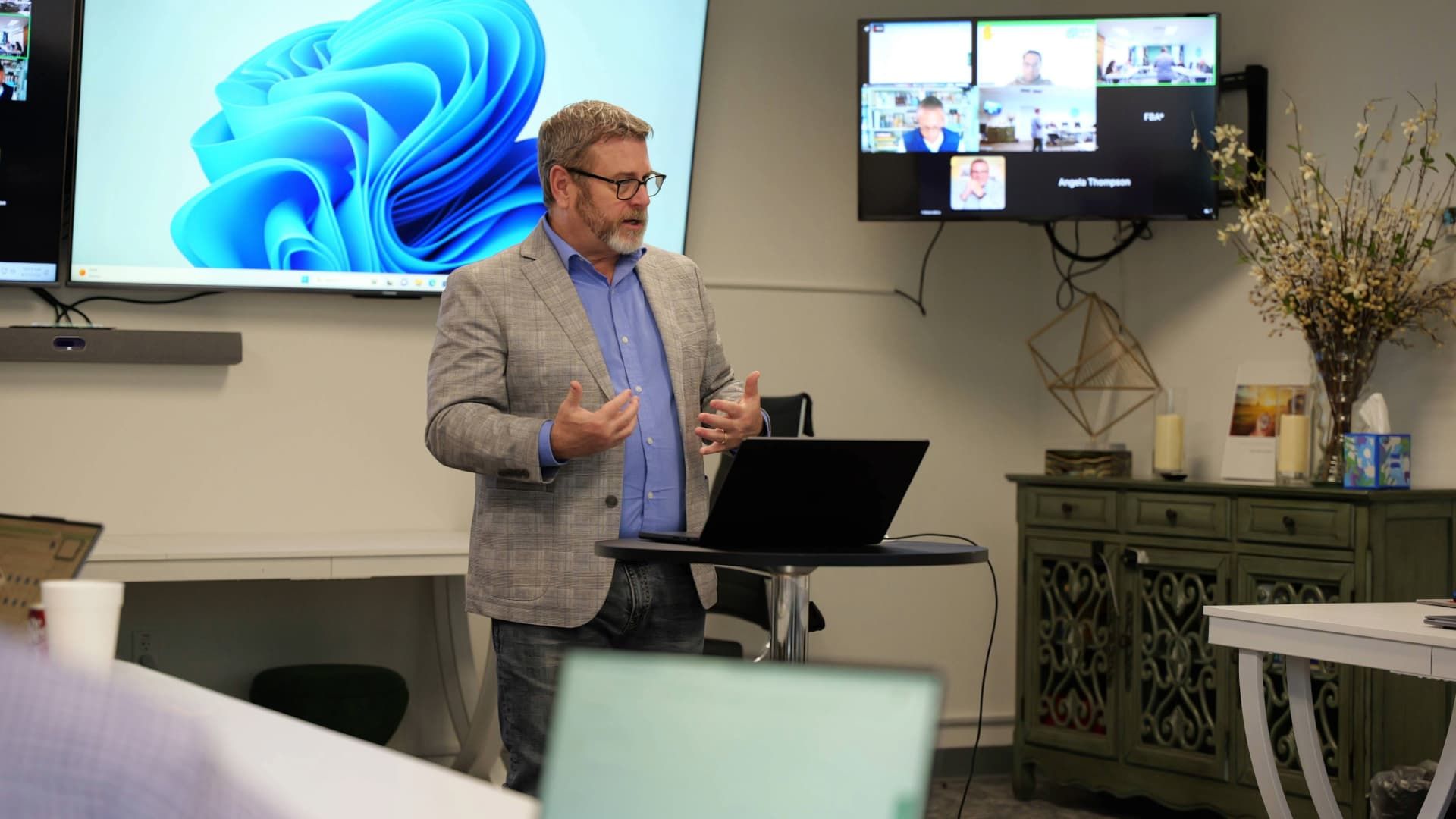
If you want a structured, education-first overview before comparing beauty spa franchise opportunities, join the Franchise Webinar.
The safest way to evaluate Beauty and Spa Franchises is to start with the operating model (staffing, scheduling, compliance), validate costs and obligations in the FDD, and then pressure-test fit for budget, skills, and schedule.
Educational disclaimer: This article is for informational purposes only and is not legal, financial, or tax advice. Always review the franchisor’s FDD and consult qualified professionals before making decisions.
Key Takeaways at a Glance.
- Beauty salon and spa franchise models are typically service-first, so staffing and training are central.
- “Recurring appointments” aren’t automatic—rebooking systems and experience consistency drive repeat behavior.
- Compliance is real and local: licensing, sanitation, and inspection rules vary by state and service type.
- The FDD helps you compare brands consistently—Item 7, territory terms, required purchases, and renewal/transfer terms shape your day-to-day reality.
- Technology matters: booking, reminders, reviews, memberships, and CRM workflows are operational infrastructure, not “nice to have.”
- The right brand choice depends on your calendar tolerance: appointment rhythm can be predictable, but staffing issues can create same-day pressure.
- Use a structured discovery process so you’re comparing tradeoffs—not chasing trends.
What makes Beauty and Spa Franchises an “industry spotlight” in franchising?
Beauty and spa franchises stand out because demand is often maintenance-based and appointment-driven, which makes operations measurable and repeatable—if service standards stay consistent. The category’s defining feature is that you’re selling delivered service time through trained or licensed providers, not shipping products.
What “Beauty & Spa” typically includes.
Beauty & Spa can include:
- Nails: manicures, pedicures, add-ons, aftercare retail
- Hair: cuts, color, styling, product retail
- Skincare/aesthetics: facials, skincare programs, retail regimens
- Waxing/brows/lashes: frequent maintenance services
- Massage/bodywork: appointments, packages, memberships (model-dependent)
- Beauty-adjacent studios: personal services where safety and studio experience are critical (model-dependent)
A practical way to think about category demand is “habit-based maintenance.” Customers often return when the service is part of their routine, not a one-time event.
Business Models in Beauty and Spa Franchises.
Beauty spa franchise opportunities usually fall into a few repeatable operating models, and the model you choose will shape staffing needs, workload, and compliance responsibilities. “Beauty salon and spa franchise” is a broad label; the model is what determines your operational reality.
Common models (category-level).
- Appointment-based studios: defined menu + booking system + consistent guest flow
- Membership or package-driven concepts: structured return cadence (varies by brand)
- Specialty studios: narrow focus (nails-only, waxing-only, skincare-only)
- Hybrid service + retail: aftercare products paired with services (non-promissory)
- Beauty-adjacent studios: services where talent quality and safety practices are central
Operational constraints you should assume.
- Staffing intensity: recruiting and retention are ongoing, not a “launch-only” task
- Quality variability risk: experience depends on providers and training reinforcement
- Local reputation sensitivity: reviews and referrals can shift quickly after service issues
- Peak-time management: evenings/weekends may matter depending on the concept and market
- Compliance responsibility: sanitation, licensing, and recordkeeping expectations vary locally
Franchise systems can provide training, SOPs, and brand standards, but the franchisee typically owns daily enforcement and team leadership.
Beauty and Spa Franchises: Cost drivers and operating variables that matter most.
In beauty spa franchising, cost pressure and operational complexity usually come from labor capacity, occupancy choices, and compliance obligations—not from inventory cycles. You’re managing appointment capacity and service delivery consistency, which makes scheduling and quality systems central.
Major cost buckets.
- Labor and staffing: recruiting, onboarding, training time, coverage planning
- Occupancy: rent, build-out, utilities, parking/visibility considerations
- Equipment and supplies: tools, disposables, sanitation supplies, maintenance
- Technology: booking, POS, reminders, memberships/loyalty, CRM, reviews tooling
- Insurance and compliance: required coverages, licensing, inspections (varies by jurisdiction)
- Local marketing: visibility, promotions, review generation, referral partnerships (model-dependent)
A practical utilization frame (Illustrative only).
A simple operating lens is: Booked hours ÷ available hours = utilization rate (Illustrative only; may vary; not advice.)
This isn’t about predicting outcomes; it’s about measuring whether your staffing and scheduling systems are producing stable capacity use.
What operators often manage week to week (operational variables).
- Provider schedules and coverage gaps
- No-shows, cancellations, and rescheduling policies
- Rebooking habits at checkout
- Service timing consistency (avoiding bottlenecks)
- Cleanliness and reset routines between clients
- Review and complaint recovery workflows
- Retail attach (if applicable) without pressure or misrepresentation
Planning tip: Before you compare brands, pressure-test your budget assumptions and working-capital buffer using the Franchise Financial Calculator.
What diligence questions should you ask for this industry?
Beauty and spa franchise diligence should focus on staffing systems, service standardization, compliance responsibilities, and territory/customer rules—because these factors often shape workload and risk more than branding does. Your anchor document is the FDD, but your highest-value learning often comes from structured franchisee calls.
FDD concepts to know (quick definitions).
- FDD: Franchise Disclosure Document (required disclosures)
- Item 7: initial investment categories and ranges
- Item 19: optional financial performance representations (may be omitted)
- Territory: geographic or account-based rights and limits
- Renewal/transfer: requirements to renew or sell/transfer later
Diligence checklist for beauty spa franchising (call-script style).
Use this script with both franchisors and franchisees to compare reality across brands:
Staffing and training.
- “What does recruiting support look like in practice?”
- “How is onboarding structured for new providers?”
- “How do you verify service consistency across multiple providers?”
- “What happens if a key provider leaves suddenly?”
Quality, standards, and guest experience.
- “What standards are non-negotiable, and how are they audited?”
- “How are complaints handled, and what is the expectation for service recovery?”
- “What policies exist for timing, consultation, and sanitation routines?”
Scheduling and capacity.
- “How do you reduce no-shows—reminders, deposits, confirmations?”
- “What are peak periods in your market, and how do you staff them?”
- “How do you manage provider utilization without burning people out?”
Compliance and licensing.
- “What local licenses are required for the business and for providers?”
- “What sanitation/disinfection requirements are standard, and how are they documented?”
- “What is franchisor-provided guidance vs. franchisee responsibility?”
Technology stack.
- “What booking/POS system is required, and what reporting is expected?”
- “How do memberships or packages work operationally?”
- “What tools exist for CRM, reactivation, and reviews?”
Territory and competition rules.
- “How is territory defined, and what does encroachment mean here?”
- “Are there exceptions (online sales, key accounts, multi-location customers)?”
- “What happens if the brand sells additional units nearby?”
Fees, required purchases, and obligations.
- “What purchases are mandatory from approved vendors?”
- “What local marketing activities are required weekly?”
- “What are the renewal, transfer, and exit constraints?”
A practical tip: ask franchisees for examples of “surprises” they didn’t anticipate, then trace each surprise back to a clause in the FDD or franchise agreement.
What risks and constraints are common in this industry?
Beauty and spa franchises typically carry risk in staffing, service consistency, sanitation compliance, and local reputation—so a good buyer maps those risks before picking a brand. The goal is not to eliminate risk; it’s to choose risk you can manage.
Common risk map.
- Talent pipeline risk: licensed or qualified staff availability varies by market
- Turnover risk: provider churn can disrupt capacity and guest relationships
- Consistency risk: multiple providers can produce uneven experience without training reinforcement
- No-show/cancellation risk: appointment leakage if policies are unclear or unenforced
- Compliance risk: sanitation and licensing rules differ by state and service type
- Reputation risk: reviews can swing quickly after a cluster of issues
- Occupancy risk: the wrong location can create marketing and convenience friction
- Support variability risk: training quality and field support can differ by system
Qualitative matrix (Likelihood / Impact / Mitigation ideas).
| Risk | Likelihood | Impact | Mitigation ideas (non-promissory) |
| Staffing gaps | Med–High | High | recruiting system, onboarding cadence |
| Quality drift | Medium | Medium | SOPs, coaching, audits, refresh training |
| Compliance missteps | Low–Med | High | local advisor + documented protocols |
| Review downturn | Medium | Medium | service recovery playbook, response SOP |
A “non-negotiables” risk question: Which risk becomes existential if you personally aren’t present for two weeks? If the answer is “staffing” or “quality control,” then a hands-on early phase is usually realistic.
How can you test personal fit before choosing a brand in this industry?
The most reliable way to evaluate Beauty and Spa Franchises is to pressure-test fit for capital, skills, and schedule—because category interest won’t solve staffing intensity or operating cadence. Fit is especially important for entrepreneurship-minded buyers who want ownership and autonomy but still need a model that fits real life constraints.
Capital fit — can you fund responsibly?
Capital fit means your plan can absorb delays and surprises without forcing rushed decisions or cutting corners on staffing and standards.
Capital readiness checklist (conservative, non-promissory):
- Item 7 categories mapped (fees, build-out, equipment, initial marketing, tech)
- Working-capital buffer planned (not only upfront costs)
- Personal cash-flow plan documented if leaving W-2 income
- Lease/build-out timeline assumptions stress-tested
- Insurance and licensing costs estimated locally
- Backup plan defined if hiring or permitting delays occur
- Renewal/transfer constraints reviewed for long-term flexibility
To outline startup uses and buffers in a structured way, use the Franchise Financial Calculator.
Skills fit — what capabilities does the model require?
Skills fit is about whether you can lead the behaviors that keep quality, schedules, and culture stable. Many owners aren’t the technician; they’re the operator.
Skills-fit checklist (operator/manager lens):
- Recruiting and interviewing discipline
- Coaching and accountability without micromanaging
- Standards enforcement (sanitation routines, service steps, punctuality)
- Customer recovery (handling complaints and rebooking calmly)
- Tech comfort (booking, reminders, CRM, reviews workflows)
- Basic operating metrics habits (capacity, no-shows, rebooking rate)
- Culture building that reduces turnover
If you want a fast fit snapshot before you go deep on brands, start with the Zorakle Assessment.
Schedule fit — what day-to-day rhythm do you want?
Schedule fit is whether your lifestyle matches the operating rhythm. Appointment-driven businesses can be predictable, but staffing and service recovery can still create time-sensitive issues.
Schedule-fit checklist:
- Launch phase time requirement (hands-on vs. manager-led)
- Weekend/evening coverage needs (market and concept dependent)
- Coverage expectations if a provider cancels same-day
- Weekly time needed for hiring and coaching
- Tolerance for service recovery and urgent customer issues
- Comfort with floor presence and standards enforcement
- Realistic path to semi-absentee (if that’s a goal)
Category alone won’t create a fit. Operating rhythm matters.
What brand examples exist in this spotlight?
Beauty & spa brand examples are most useful when they illustrate different operating models (specialty vs. multi-service, appointment flow, staffing intensity, compliance touchpoints)—not when they’re treated like “winners.”
The examples below are not recommendations and not a promise of performance; they’re simply educational spotlights pulled from the FBA premium-member list you provided.
Beauty & spa examples.
- FACE FOUNDRIÉ — A facial-bar style concept that typically emphasizes consultation consistency, service standards, and repeat appointment routines.
- Hello Sugar — Hair-removal studio model (waxing/sugaring) where staffing coverage, booking discipline, and no-show policies are often operational priorities.
- Frenchies Modern Nail Care — Nail-care focused studio where sanitation routines, technician retention, and rebooking habits often matter for stability.
- Sharkey’s Cuts for Kids — Children’s haircut model where customer experience design, staffing reliability, and local reputation are central to the day-to-day.
- Fine Ink Studios — Beauty-adjacent personal services studio where quality control, safety protocols, and talent management are typically core operational themes.
Health / wellness overlap examples.
These aren’t “beauty,” but they’re often compared by buyers who like membership or recurring-visit operations and people-heavy service delivery:
- Workout Anytime — Fitness franchise with a recurring-membership model and extended-hours operations.
- Oasis Senior Advisors — Advisory franchise built around trust, referrals, and relationship-driven service delivery.
- Always Best Care Senior Services — Home-care and senior-services franchise where staffing, scheduling, and compliance are central operational challenges.
If you want structured help comparing models without “best franchise” framing, use Franchise Consulting.
What diligence workflow can you follow to compare beauty spa franchise opportunities?
A structured workflow helps you compare beauty spa franchise opportunities consistently and reduces the chance you commit before verifying obligations, risks, and operating realities. The steps below are practical and non-promissory.
A 30-day diligence workflow you can follow.
- Build your fit box (Days 1–3): define budget boundaries, schedule constraints, and non-negotiables (hands-on tolerance, staffing intensity, weekend tolerance).
- Create a model shortlist (Days 4–7): pick 5–10 options across studio types (nails, skincare, massage, beauty-adjacent).
- Read the FDD using a question list (Days 8–14): flag items that shape lifestyle and risk—fees, required purchases, territory rules, renewal/transfer terms, training and support scope.
- Validate with franchisees (Days 15–24): ask about staffing difficulty, no-show prevention, rebooking habits, service recovery, and support responsiveness.
- Professional review + decision memo (Days 25–30): have qualified advisors review flagged issues, then write a one-page memo stating why the model fits your constraints.
To hear educational conversations with operators and brands as part of your learning path, use the Franchise Webinar.
FAQ about Beauty and Spa Franchises.
Are beauty and spa franchises semi-absentee businesses?
Some owners aim for semi-absentee later, but most models require hands-on leadership early because staffing, service consistency, and reviews need active management.
Do I need beauty industry experience to own a beauty salon and spa franchise?
Not always, but you typically need strong people leadership, systems discipline, and comfort managing standards because execution happens through your team.
How regulated are beauty spa franchises in the United States?
Regulation varies by state and service type, especially around licensing, sanitation/disinfection, inspections, and documentation requirements, so local verification is essential.
What does Item 19 mean for beauty spa franchise opportunities?
Item 19 is where a franchisor may include a Financial Performance Representation, but it’s optional and may be omitted. If provided, treat it as bounded disclosure with stated assumptions and limits, not a prediction.
What should I prioritize if I’m comparing multiple brands quickly?
Start with model fit (staffing and schedule), then compare obligations (fees, required purchases, territory rules), then validate with franchisees in comparable markets.
Is this industry relevant to your franchise journey?
Beauty and spa franchising may be relevant if you want an entrepreneurship path that rewards operational consistency, team leadership, and local experience standards.
Buyers who enjoy building culture, coaching service delivery, and running an appointment engine may find this industry aligns with their operating style.
Buyers who prefer minimal staffing intensity, low variability in service delivery, or hands-off schedules should proceed cautiously and validate workload assumptions early.
To compare options with structured guidance, start here: Find Franchises. You can also explore options in an interactive coaching format: FranPath Live.
Ready to take the next step? The Franchise Brokers Association is here to help guide you on your journey into the franchise world. Explore your options with Find Franchises