
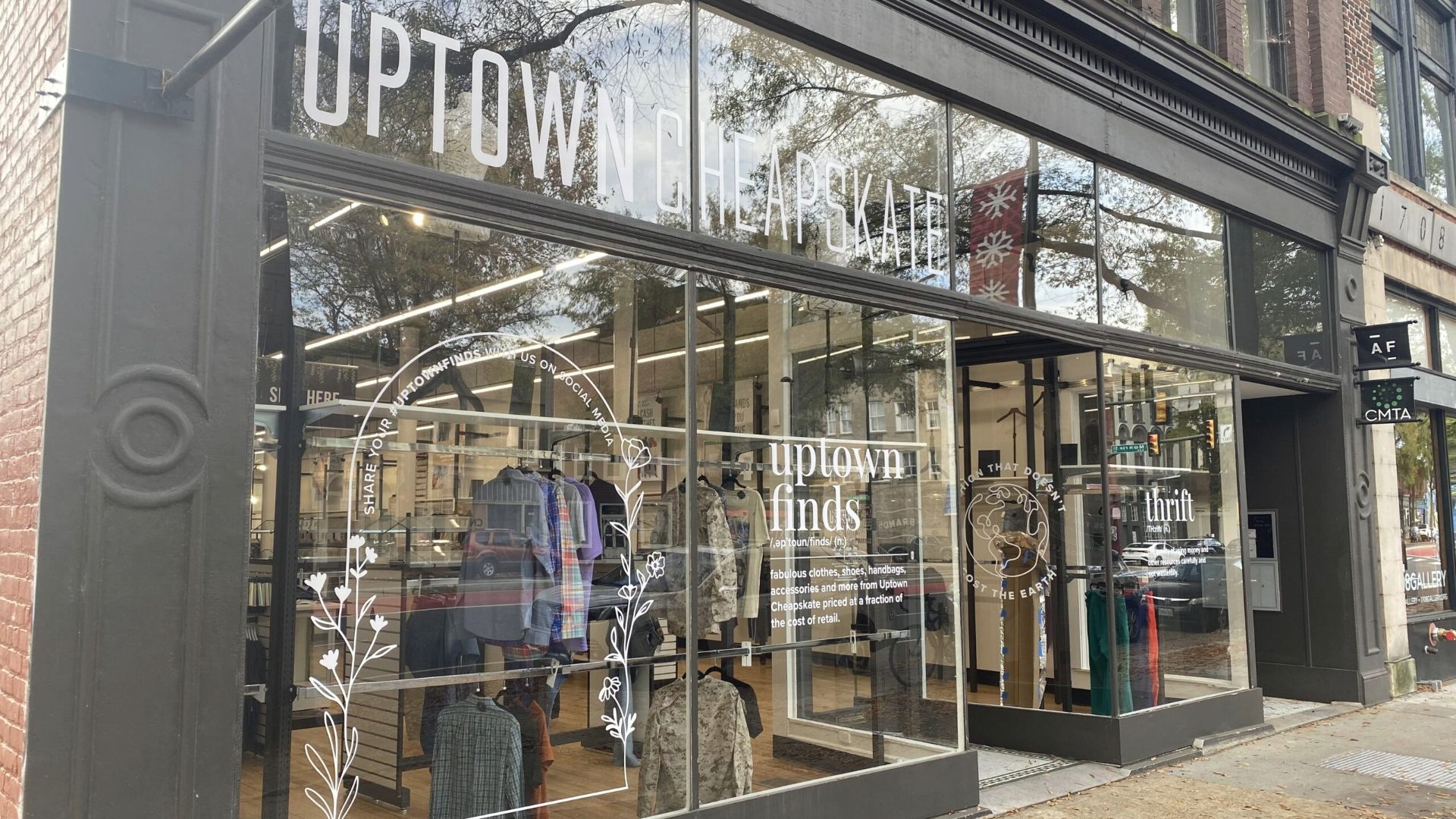
Uptown Cheapskate is an upscale resale clothing franchise that buys gently used apparel locally and resells it in a boutique-style retail store. The 2025 FDD lists an estimated initial investment of $328,002–$596,502 (Item 7) and describes training, required technology systems, and a non-exclusive territory structure.
The Uptown Cheapskate Franchise is best understood through the 2025 Franchise Disclosure Document (FDD): it explains the business model, the owner’s operational obligations, and the franchisor’s estimated costs to open. For a single Uptown Cheapskate location, Item 7 shows a total estimated initial investment range of $328,002 to $596,502 (with major variance driven by real estate/buildout and store setup).
This article is sponsored by Uptown Cheapskate and was created in partnership with the brand to provide accurate, compliance-safe information about its business model and franchise opportunity. Nothing in this article should be considered legal, financial, or tax advice. Prospective franchisees should always review the most recent FDD with qualified advisors before making an investment decision. For a general due diligence primer, the FTC guide is a solid baseline.
If you want an objective way to compare the Uptown Cheapskate Franchise to other franchise models (retail and non-retail) before you commit to any one direction, start with Find Franchises.
Key Facts at a Glance.
Here’s the quick context most candidates want before they dive into cost tables and workflow:
- Founded year: 2008 (brand-reported); first store opened 2009 (brand-reported).
- First store location: Salt Lake City, Utah (brand-reported).
- Unit count / footprint: The 2025 FDD reports 143 total outlets at year-end 2024 (129 franchised, 14 company-owned). Brand materials also state 160+ locations in 29 states (counts can differ by timing/definition).
- Business model: Retail resale store (buy-sell-trade) plus some new product.
- Owner profile snapshot: Hands-on retail leader with people-management skills and comfort in a fast-paced environment.
- Training highlight: Online modules + in-person training + an in-store internship (Item 11).
- Territory note: Protected Area is typical, but the territory is not exclusive (Item 12).
If you want a short education-first walkthrough on how to read an FDD and validate a franchise properly, watch Franchise Webinar.
Who owns Uptown Cheapskate, and how did the brand get started?
Uptown Cheapskate’s origin story starts with a simple retail insight: young shoppers wanted trendy, name-brand style without boutique prices, and closets everywhere were full of “like-new” pieces that deserved a second life. The brand says the idea for a resale store aimed at teens and young adults had been brewing for years before launch.
In 2009, the first Uptown Cheapskate store opened in Salt Lake City, Utah, turning that idea into the buy-sell-trade workflow that defines the concept today: stores buy locally from sellers, then process, price, tag, and merchandise items so the floor stays fresh and “boutique” rather than chaotic.
The brand also highlights a larger mission angle through its community impact efforts (including its partnership with buildOn and donation-driven initiatives), and notes long-running recognition on Entrepreneur’s Franchise 500 list—useful context if you care about brand visibility and system maturity.
How much does it cost to open an Uptown Cheapskate franchise?
The 2025 FDD lists a total estimated initial investment range of $328,002 to $596,502 for one Uptown Cheapskate franchise. The biggest swing factors are usually real estate (deposit/buildout), fixtures/signage/tech, and the cash you set aside for the first months of operations.
Startup Costs & Fees.
| Category | Low Estimate | High Estimate |
| Initial Franchise Fee | $25,000 | $25,000 |
| Buildout / Leasehold Improvements | $39,500 | $172,500 |
| Equipment / Signage | $118,502 | $156,502 |
| Opening Inventory / Supplies | $70,000 | $90,000 |
| Training / Travel | $1,500 | $5,500 |
| Working Capital (first 3 months) | $40,000 | $67,500 |
| Total Estimated Initial Investment | $328,002 | $596,502 |
To model monthly cash needs (including conservative working capital) and compare this investment range with other concepts, use the Franchise Financial Calculator.
What else is in the Item 7 total and why it matters.
Item 7 includes additional line items that can be easy to overlook when you’re budgeting—such as grand opening promotion ($20,000), incorporation documents ($500–$1,000), potential loan fees ($0–$27,000), licenses/permits/utility deposits ($1,000–$2,500), and supplies/hangers/miscellaneous expenses ($12,000–$29,000).
These often affect cash timing even if they don’t change your long-run plan.
Ongoing Fees & Support.
This is where many candidates get surprised: some obligations are true “fees,” and others are required spending you must plan for and document (especially advertising).
| Type of Fee | Amount | Notes (what to watch) | Type of Fee |
| Initial Franchise Fee (Item 5) | $25,000 | Paid to start the franchise agreement; separate from buildout, inventory, and marketing budgets. | Initial Franchise Fee (Item 5) |
| Software Installation Fee (Item 5) | $15,000 | Non-refundable BaseCamp Software Suite license (paid after the lease is signed). Treat this as a required “tech buy-in” before opening. | Software Installation Fee (Item 5) |
| Royalty (Item 6) | 5.0% of Gross Sales | Core ongoing system fee. Build it into your monthly model from day one. | Royalty (Item 6) |
| Marketing Fund (Item 6) | 0.5% of Gross Sales | Brand-level fund contribution. This is in addition to the required advertising spend below. | Marketing Fund (Item 6) |
| Advertising Expenditure (Item 6) | Greater of 5.0% of Gross Sales or $2,000/month | Required marketing spend you must be able to document. National and local program spend can count toward the requirement. | Advertising Expenditure (Item 6) |
Disclaimer: Data based on the company’s Franchise Disclosure Document (FDD). Fees, costs, and figures are estimates and may vary by location and other factors.
Important context: These figures reflect startup and early operating needs only. They do not indicate financial performance or outcomes.
If you want help translating fee language into a simple monthly model and comparing 2–3 alternatives, book Franchise Consulting.
What tends to move the total up or down?
The Item 7 range is wide because the concept is retail and the store must be built, equipped, and stocked before opening. These are the drivers that most often shift the total:
- Real estate cash timing: Deposits and early rent/fees can hit before the store produces meaningful traffic.
- Buildout scope: Electrical, lighting, flooring, and back-room processing layout can change costs.
- Fixture plan: Rack and fixture decisions affect both cost and the shopping experience.
- Inventory build runway: Stores must build enough inventory to open strong; staffing and pace matter.
- Grand opening execution: Item 7 includes a defined marketing budget; timing and channel mix affect cash flow.
- Financing and legal setup: Loan fees and incorporation costs vary by lender and professional services used.
Area development note (two-store commitment): Item 7 also lists an Area Development Agreement example for two Uptown Cheapskate franchises, including an area development fee of $50,000 and a combined total estimate of $656,004 to $1,193,004 (based on two-store investment ranges). Treat this as a planning reference and confirm how scheduling, fees, and territory development obligations work before committing.
What is Uptown Cheapskate’s business model, and what does day-to-day operations look like?
Uptown Cheapskate operates a retail resale model: your store buys gently used items from local sellers and resells them after evaluation, pricing, tagging, and merchandising. That means the operation isn’t only “sell what you have”—it’s also “source what you’ll sell” every day.
A helpful way to think about an Uptown Cheapskate location is as a two-sided local marketplace that you run with retail discipline:
- Supply (sellers): Community members bring in items; your team decides what to purchase.
- Demand (shoppers): Customers browse a constantly changing assortment organized like boutique retail.
The core operational challenge is balancing speed and standards: buying must be consistent, processing must keep up, and the floor must stay organized and fresh.
If you want help comparing retail resale concepts to other franchise categories (including service concepts), start with Find Franchises.
What does a typical day look like for an owner-operator?
An Uptown Cheapskate owner’s day typically blends retail leadership, resale workflow management, and local marketing execution.
- Controls and reporting: Cash handling routines, shrink prevention, and operational reporting to track trends.
- Daily planning: Set priorities for buying, processing, and merchandising before peak hours.
- Team leadership: Schedule, coach, and reinforce standards—especially for buyers and key holders.
- Buy-counter oversight: Monitor evaluation and pricing so decisions stay consistent.
- Processing flow: Keep intake, tagging, and floor replenishment moving without bottlenecks.
- Merchandising checks: Walk the floor, adjust displays, and keep categories seasonally aligned.
- Customer experience: Support both sides of the model—shoppers and sellers—through clear policies and service.
What training, support, and technology does the franchisor provide?
The 2025 FDD describes an initial training path that includes online training, in-person training, and an in-store internship. For a resale clothing franchise, training is especially important because buying and inventory decisions must be standardized across locations.
From a practical owner perspective, training and support typically focus on five things:
- Buying standards (what gets accepted and how consistency is maintained)
- Inventory workflow (how items move from intake to the floor quickly)
- Merchandising routines (how the store stays organized and easy to shop)
- People management (staffing, scheduling, and role clarity)
- Technology systems (how buying, tagging, and reporting are managed)
Support & Systems Overview.
| Area | What to expect to use as an owner | Notes for diligence |
| Training | Online modules + in-person training + internship | Confirm required attendees, timing, and travel expectations. |
| Opening support | Steps and standards for pre-opening, “open to buy,” and launch | Ask for a week-by-week opening checklist. |
| Operations coaching | Field support and operational resources (as described) | Clarify cadence of calls, visits, and escalation paths. |
| Marketing support | Tools, templates, and guidance plus defined program requirements | Understand how compliance is documented and reviewed. |
| Technology | Required systems for buying/inventory/reporting | Confirm upgrade expectations and support responsibilities. |
If you want a structured way to pressure-test whether this workflow matches your style (retail pace + people leadership + daily standards), take the Zorakle Assessment.
What should you confirm during due diligence?
Diligence is where a franchise “looks good on paper” becomes “works in my market with my schedule.” These questions help you test real operating fit:
- Inventory build plan: How long does it take to build opening inventory locally, and what staffing level supports that pace?
- Buyer role design: What training does a buyer complete, and what quality controls keep buying decisions consistent?
- Space planning: How much back-room space is typical for processing, and how do stores avoid bottlenecks?
- Marketing compliance: What evidence must you keep to show required marketing spend and participation?
- Technology ownership: Who maintains hardware, who troubleshoots, and what happens if systems go down?
- Policy clarity: How are seller payouts, store credit, returns, and customer disputes handled in practice?
Item 19: The franchisor may provide financial performance information in Item 19 of the FDD; consult the document with a qualified advisor.
For a guided diligence framework (questions + comparison structure) while you validate multiple brands, FranPath Live can help.
How do territories, real estate, and equipment requirements typically work?
Uptown Cheapskate is a storefront retail model, so territories and requirements tend to revolve around physical store placement, site quality, and the equipment needed for merchandising and processing.
What real estate profile is typical?
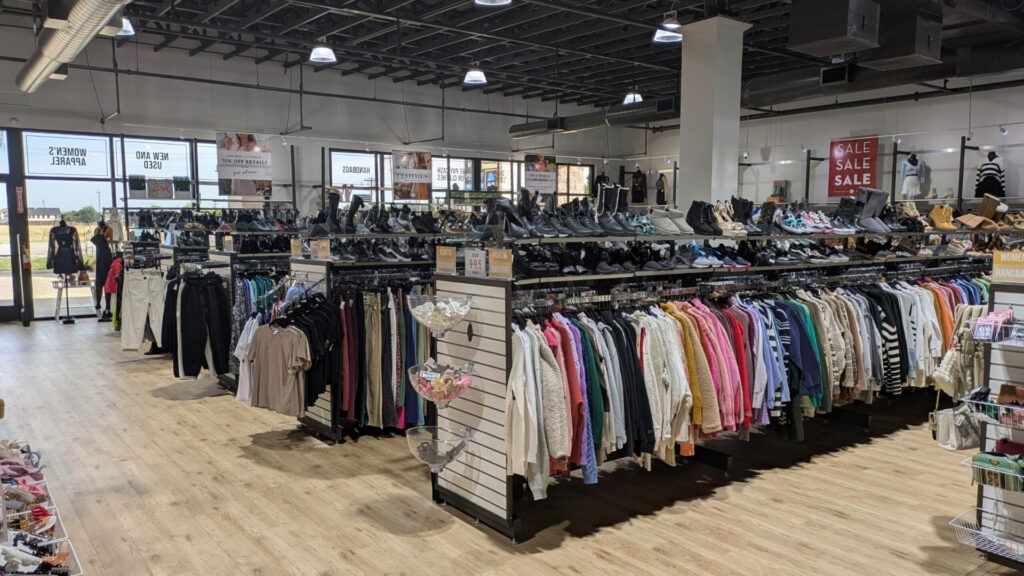
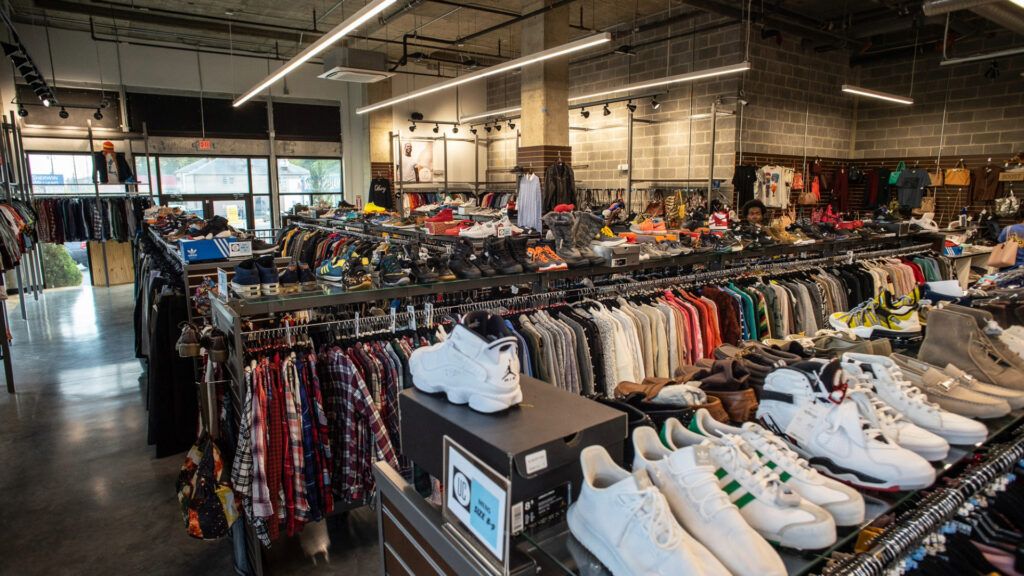
Item 7 assumes approximately 4,500 square feet in a community shopping center. Your layout needs to accommodate:
- a buy counter area where intake happens
- back-room processing for tagging, sorting, and prep
- storage that keeps the floor uncluttered
- a sales floor organized for quick browsing and replenishment
When evaluating sites, pay special attention to visibility, parking convenience, and how easily customers can drop off items to sell.
To pressure-test your cash plan against real estate variability, it helps to model scenarios with the Franchise Financial Calculator.
How does territory protection work?
The 2025 FDD states that the territory is not exclusive, even if a Protected Area is provided. The key diligence move is to ask for the exact protected area language and examples of what is and is not restricted—especially around advertising, customer behavior, and future store placement.
What equipment or vehicles are commonly required?
Uptown Cheapskate is not a vehicle-driven model. The typical required “equipment” is what you’d expect for a resale retailer: fixtures, signage, security, and a required technology setup for buying, tagging, and reporting.
Make sure your Item 7 plan includes both the sales floor build and the back-room processing area, because resale operations often succeed or struggle based on how smoothly items flow from intake to the floor.
Who is the ideal Uptown Cheapskate owner, and what time commitment is typical?
Uptown Cheapskate is generally best suited to an owner who wants active retail leadership—especially early on—because the model depends on hiring, training, and maintaining consistent buying and merchandising standards. If you like people leadership and process, the concept can align well. If you want a passive investment from day one, scrutinize Item 15 and ask detailed questions about the franchisor’s expectations for on-site management.
Owner traits that often align with this resale clothing franchise:
- Team-building: Recruiting, training, retaining strong buyers and floor staff.
- Operational discipline: Clear standards for intake, processing, daily controls.
- Customer service: Managing both sellers and shoppers with consistent policies.
- Comfort with pace: Peak retail times, seasonal shifts, frequent floor refresh.
- Local marketing: Willingness to execute required activity consistently.
If you want 1:1 help comparing this role and time commitment to other franchise models, book Franchise Consulting.
How does Uptown Cheapskate compare to similar franchise options?
A useful Uptown Cheapskate franchise review compares it to other concepts where inventory is created locally, not shipped in. Differences show up in staffing, training depth, and cash planning.
Comparison points to use when evaluating retail franchise opportunities:
- Inventory sourcing: buy-sell-trade vs consignment vs new retail
- Training depth: how the system trains buyers and enforces standards
- Footprint needs: square footage, back-room processing space, buildout exposure
- Marketing requirements: required spend, programs, documentation
- Territory structure: non-exclusive territory vs exclusive territory models
- Technology dependence: required systems and support expectations
If you’re comparing multiple concepts and want a structured way to narrow quickly, start with Find Franchises.
FAQ about the Uptown Cheapskate franchise.
Is Uptown Cheapskate a franchise?
Yes. Uptown Cheapskate offers franchises for storefront resale retail locations, and the FDD outlines the agreement terms, fees, and operating requirements.
What is the Uptown Cheapskate franchise cost?
The 2025 FDD lists a total estimated initial investment range of $328,002 to $596,502 in Item 7 for one location. Real estate and buildout scope are common drivers of variation.
What does “buy-sell-trade” mean in this retail store franchise?
It means the store sources much of its inventory by purchasing items directly from local sellers (often offering cash or store credit), then reselling those items after evaluation and merchandising.
Do you need fashion experience to operate this resale clothing franchise?
Not necessarily. Strong retail fundamentals—people leadership, customer service, and process discipline—are usually more important than personal fashion expertise. Training is designed to teach the system’s buying and operational standards.
Is territory exclusive?
No. The 2025 FDD states the territory is not exclusive, even if a Protected Area is provided.
Where should an aspiring owner focus due diligence?
Focus on real estate selection, buyer training and staffing, inventory build planning, marketing requirements, and the day-to-day technology workflow you’ll use in-store.
Is Uptown Cheapskate the right fit for you?
The Uptown Cheapskate Franchise can be a strong fit if you want a hands-on retail business, you enjoy leading a team, and you’re comfortable running a store where inventory must be sourced locally and processed continuously. It may be a poor fit if you want a passive role immediately, prefer a simpler staffing model, or want a concept where inventory is delivered rather than built locally.
A practical next step is translating the FDD into your personal operating plan:
- What sites exist in your market that fit the store profile?
- Who will manage day-to-day operations, and what hours can you commit?
- How will you recruit, train, and retain strong buyers?
- How will you track and document required marketing activity?
- What cash cushion do you want beyond the FDD estimate for comfort?
If you want help comparing the Uptown Cheapskate Franchise to other franchise options using the same checklist, start here: Find Franchises