


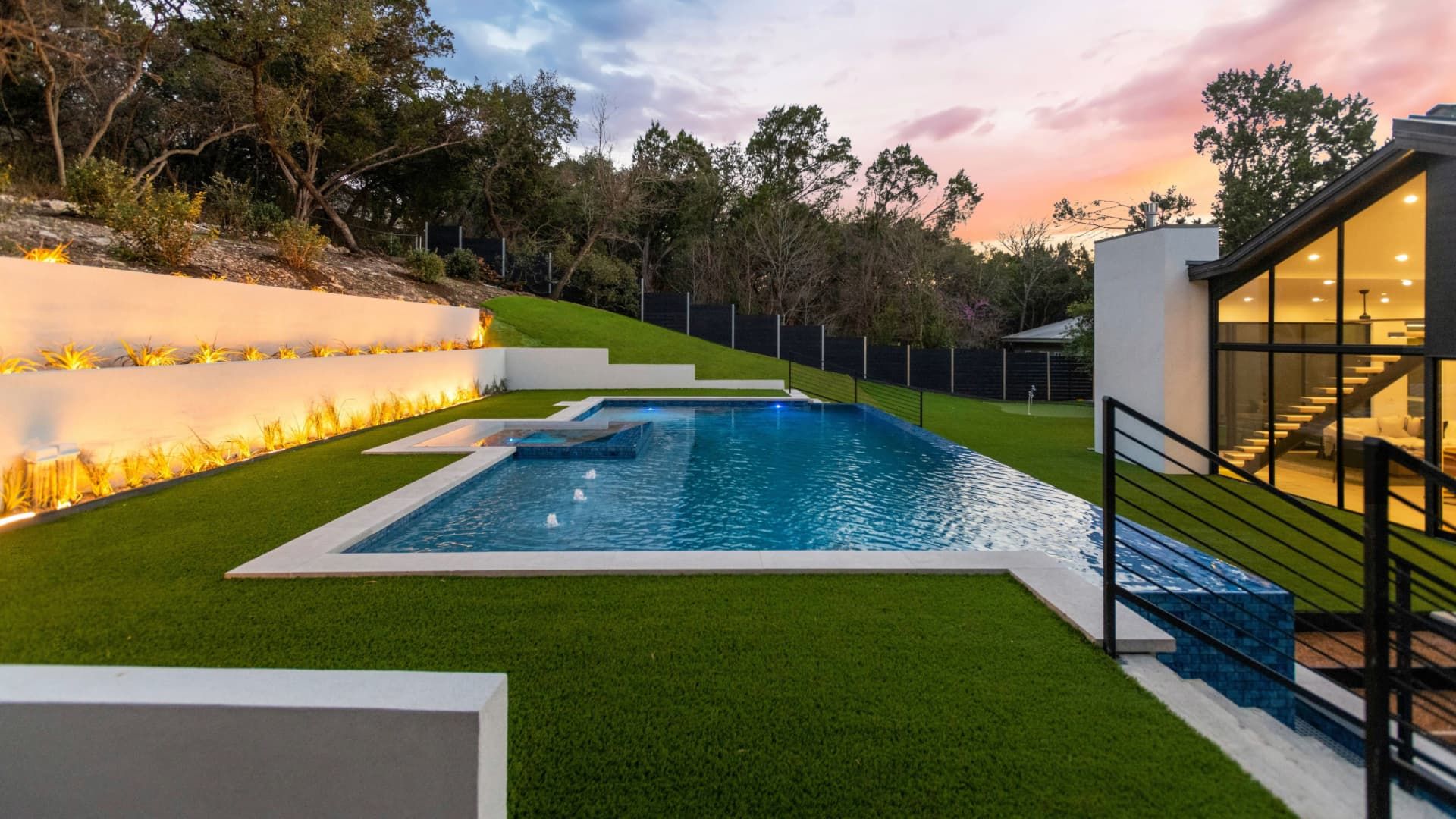
The estimated Waterloo Turf franchise cost is $121,300 to $162,500 for one business, including a $59,000 initial franchise fee. The franchise provides artificial turf products, installation, landscaping, and approved related services to residential and commercial customers.
Waterloo Turf began offering franchises in December 2024. That makes its franchise history limited, even though its original operating business dates to 2021.
For prospective owners, the decision involves more than the opening investment. Candidates need to understand sales development, installation delivery, full-time management requirements, ongoing fees, and the financial risks disclosed by the franchisor.
This guide explains those responsibilities and the questions to ask before requesting franchise information or signing an agreement.
About this article. Waterloo Turf is a member of the Franchise Brokers Association. FBA publishes reviews of member brands as part of its membership program, and FBA and its brokers may receive a commission from the franchisor if a candidate FBA works with goes on to purchase a franchise. This article was researched and written by FBA from the brand’s current Franchise Disclosure Document and FBA’s own franchise database. The brand did not write, review, or approve it before publication.
Nothing in this article should be considered legal, financial, or tax advice. Prospective franchisees should always review the most recent Franchise Disclosure Document (FDD) with qualified advisors before making an investment decision.
What does a Waterloo Turf franchise do?
Waterloo Turf is a service business that sells approved artificial turf and surface products and coordinates related installation and landscaping work.
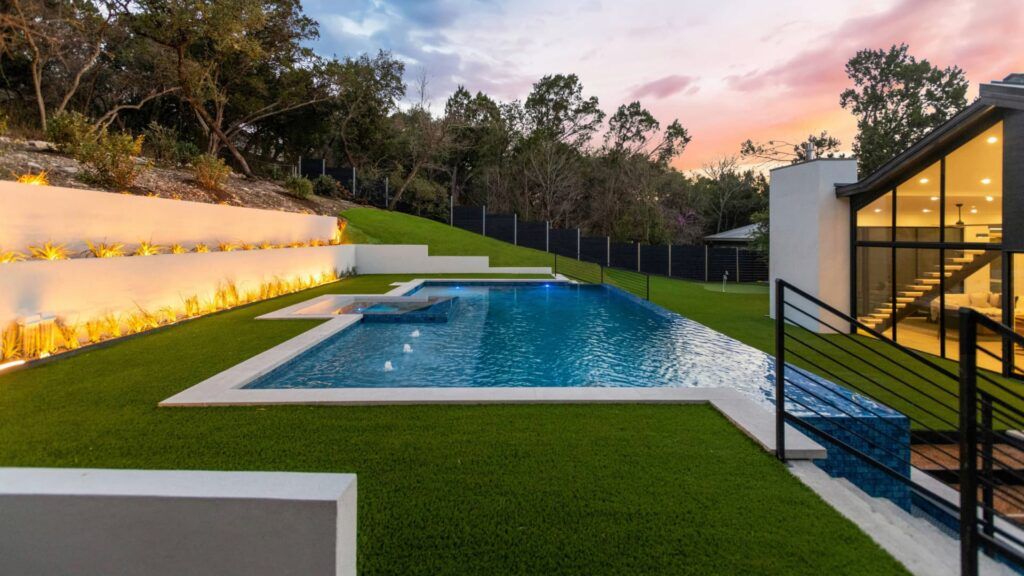
Customers may include homeowners and commercial property owners. The Waterloo Turf website describes applications such as residential yards, pet areas, putting greens, playgrounds, commercial spaces, and sports turf.
Those applications help explain the customer base. They do not establish demand in a particular territory or guarantee that a new franchisee will win projects.
How customer inquiries become installation projects
The business centers on identifying customer needs, evaluating the property, preparing an estimate, and delivering approved work.
An owner must understand how those stages connect. A quote affects material purchases and project scheduling. Crew availability affects delivery. Customer communication continues through the installation and any follow-up responsibilities.
This makes Waterloo Turf different from a retail business where customers arrive at a storefront. Much of the customer-facing work takes place at properties within the territory.
For example, a homeowner may ask about replacing a lawn, while a commercial customer may have different requirements for access, scheduling, or the intended use of the surface. This is an illustration of potential customer needs, not a description of a typical project or expected transaction value.
Artificial turf installation and optional maintenance services
The franchise offering includes artificial turf products, installation, landscaping, and certain maintenance services.
Maintenance is currently optional, although the franchisor reserves the right to make it mandatory later. Candidates should ask what approval, equipment, training, and marketing requirements apply before adding that service.
Avoid assuming that every customer buys only once or that maintenance produces recurring contracts. The current service mix, customer terms, and local opportunities need to be evaluated directly.
How long has Waterloo Turf been franchising?
Waterloo Turf traces its operating roots to March 2021. The franchisor was formed in August 2024 and began offering franchises in December 2024.
That history establishes a young franchise network. It does not yet provide a long record of franchise renewals or full-year performance across established franchise locations.
The appropriate response is focused due diligence: investigating the original operating businesses, the first franchise openings, current support capacity, and the responsibilities required of a new owner.
How much does a Waterloo Turf franchise cost?
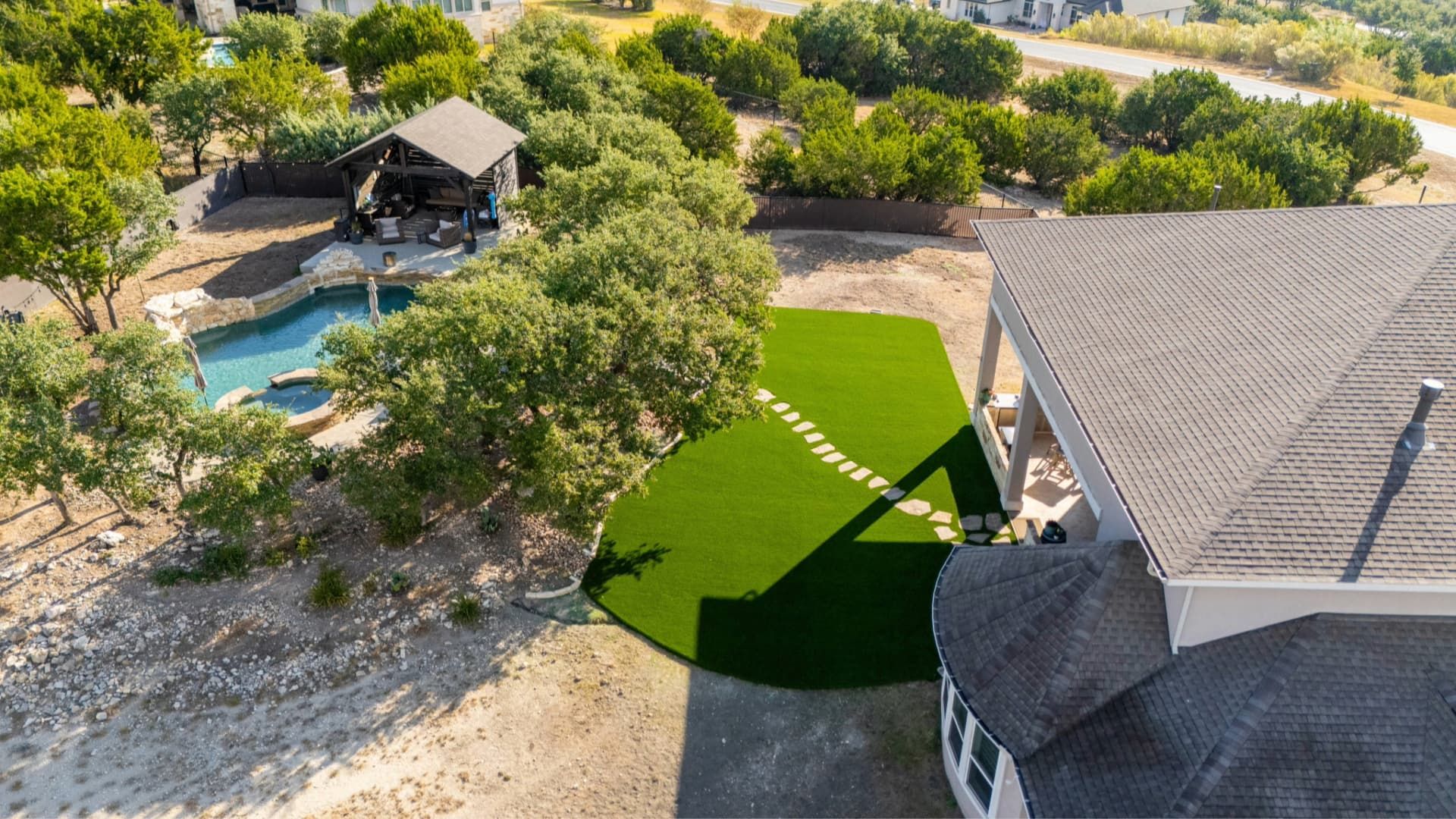
The 2026 FDD estimates $121,300 to $162,500 to open one Waterloo Turf business. The range includes the first-business franchise fee and $30,000 to $40,000 in additional funds for three months.
The document was issued April 27, 2026. Investment figures are estimates, not forecasts of sales, profit, owner income, or return on investment.
Estimated startup costs for one Waterloo Turf business
| Expense | Low estimate* | High estimate* |
|---|---|---|
| Initial franchise fee | $59,000 | $59,000 |
| Leased office | $0 | $500 |
| Vehicle lease and wrap | $2,500 | $6,000 |
| Installation equipment, office equipment, and supplies | $1,550 | $6,500 |
| Initial training fees and living expenses during training | $3,000 | $5,500 |
| Opening-support fee | $4,000 | $4,000 |
| Technology and information systems | $500 | $1,000 |
| Initial marketing materials, marketing-development fee, and grand-opening advertising | $18,500 | $19,500 |
| Insurance for three months | $1,500 | $3,000 |
| Permits and licenses | $250 | $2,000 |
| Professional fees | $500 | $2,500 |
| Optional artificial turf maintenance service line | $0 | $13,000 |
| Additional funds for three months | $30,000 | $40,000 |
| Total estimated initial investment | $121,300 | $162,500 |
For the most accurate and current information, review the latest Franchise Disclosure Document (FDD) for Waterloo Turf. The figures presented here are estimates and fee amounts as disclosed in Items 5, 6 and 7 of the 2026 FDD.
Important context: These figures reflect startup and early operating needs only. They do not indicate financial performance or outcomes.
The estimate assumes the business may operate from a home office or another location that does not require substantial retail-style improvements.
That does not eliminate property requirements. If local zoning prevents home-based operation, candidates may need a separate office and should budget accordingly.
The vehicle and wrap estimate also requires attention. It is not necessarily the full purchase price of a new vehicle. Review the assumptions about leasing, existing vehicles, equipment, and approved specifications.
Working capital and expenses beyond the startup estimate
The three-month additional-funds allowance is not a complete first-year budget. More working capital may be needed during the opening period or afterward.
A project business also needs a clear plan for when expenses are incurred and when customer payments are collected. Ask about deposits, material purchasing, contractor payments, collections, warranty work, and other obligations that may affect available cash.
Do not assume opening quickly means the business will immediately cover its expenses.
FBA’s franchise financial calculator can help organize an initial capital discussion. Review the assumptions with an accountant, lender, or qualified financial advisor.
Waterloo Turf states that it does not offer direct or indirect financing and does not guarantee franchisee notes, leases, or other obligations.
Franchise fees for purchasing multiple businesses
The initial franchise fee decreases for qualifying purchases made at the same time or through a Development Agreement.
| Business purchased | Initial franchise fee |
|---|---|
| First | $59,000 |
| Second | $49,000 |
| Third | $44,000 |
| Fourth and each additional | $39,000 |
For the most accurate and current information, review the latest Franchise Disclosure Document (FDD) for Waterloo Turf. The figures presented here are estimates and fee amounts as disclosed in Items 5, 6 and 7 of the 2026 FDD.
These are franchise fees, not the total cost of establishing each business.
A Development Agreement requires an upfront rights fee based on the businesses committed under the schedule. The fee is credited toward the applicable initial franchise fees, but opening and operating expenses remain separate.
Candidates should not assume a later purchase automatically receives the same discount. Confirm eligibility, development deadlines, territory rights, and capital requirements before committing to several businesses.
Ongoing royalties, advertising contributions and other fees
| Obligation | Disclosed amount | Important qualification |
|---|---|---|
| Ordinary royalty | 6% of Gross Sales | Subject to annual minimums and conditional reduced-rate provisions |
| Local advertising | Currently 3% of Gross Sales | May increase to 5% on 30 days’ written notice |
| National Brand Fund | Currently 2% of Gross Sales | May increase to 3% |
| Technology fee | Currently $600 monthly per business | Initial-term ceiling of $1,200 monthly |
| Advertising agency | Estimated $1,000 monthly | Fees are determined by the third-party agency |
| Additional training | Currently $500 per day per person, plus applicable costs | Conditions and disclosed limits apply |
For the most accurate and current information, review the latest Franchise Disclosure Document (FDD) for Waterloo Turf. The figures presented here are estimates and fee amounts as disclosed in Items 5, 6 and 7 of the 2026 FDD.
The initial estimate also includes a $4,000 opening-support fee and marketing-development costs. Initial training is charged at $2,000 per covered attendee, subject to specified exceptions.
Review the complete schedule for conventions, transfers, renewals, extensions, defaults, and other contingent charges.
Minimum annual royalties and how they work
After the first Agreement Year, the royalty obligation is subject to a contractual annual minimum.
| Agreement Year | Annualized sales basis used for the minimum | Corresponding royalty floor at 6% |
|---|---|---|
| 1 | None | No minimum under this provision |
| 2 | $250,000 | $15,000 |
| 3 | $320,000 | $19,200 |
| 4 onward | $400,000 | $24,000 |
For the most accurate and current information, review the latest Franchise Disclosure Document (FDD) for Waterloo Turf. The figures presented here are estimates and fee amounts as disclosed in Items 5, 6 and 7 of the 2026 FDD.
The royalty-floor amounts are calculated from the disclosed rate and thresholds. They are payment obligations, not predicted sales levels.
If the royalties paid during an applicable year fall below the minimum, a make-up payment may be required after year-end. Minimum royalties apply separately to each business or territory.
The Agreement Year follows the definition in the franchise documents; it is not necessarily a calendar year. Ask the franchisor to explain the timing and calculation for your proposed purchase.
What does owning a Waterloo Turf franchise involve?
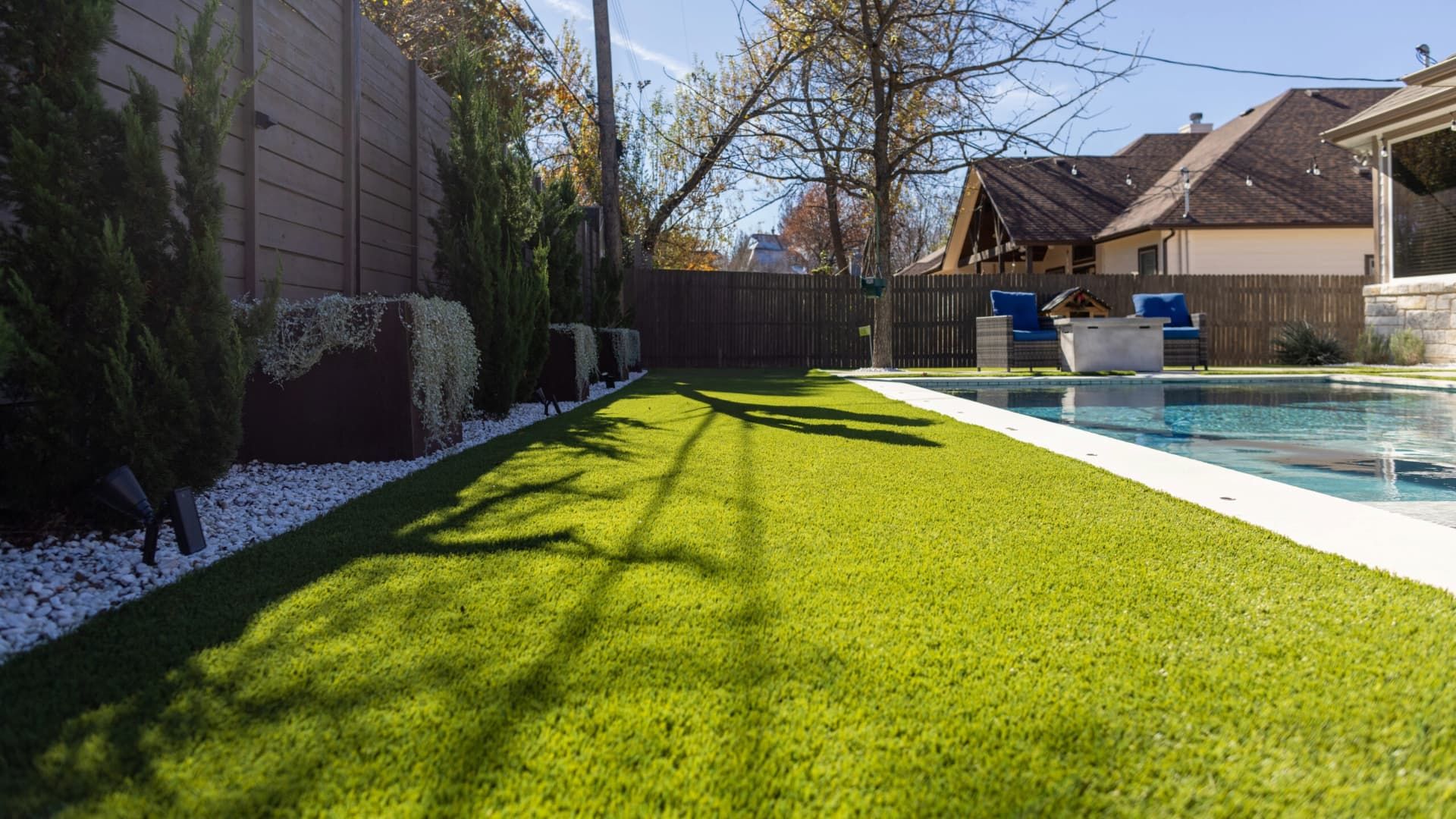
Waterloo Turf combines customer acquisition, estimating, project coordination, and installation oversight. Someone must develop business opportunities, and someone must ensure that approved work is delivered to the required standard.
The owner’s responsibilities should not be reduced to either “selling turf” or “managing crews.” The two sides of the business affect one another.
An estimate needs to reflect the proposed work. Scheduling needs to account for available resources. Customer expectations need to match the agreed scope. Those connections require management attention.
Full-time management and Controlling Principal requirements
Unless an individual owner personally operates the business full time, the franchisee must appoint an approved Controlling Principal.
Unless otherwise approved in writing, that person must supervise and manage the business on a full-time, best-efforts basis. Other employment or activities cannot prevent that commitment.
The FDD states that, after at least three businesses are open, approved full-time General Managers may be recruited for each business.
This is an important distinction for candidates considering an executive ownership role. Do not assume a single-business purchase can immediately be delegated under a manager-led arrangement without approval.
Installation crews, subcontractors and owner oversight
A database entry showing no required staff does not mean installations can be delivered without labor.
The franchise documents refer to personnel, subcontractors, installation equipment, and crew-management training. Candidates should obtain a clear explanation of the expected delivery structure.
Ask who performs installations, what qualifications or experience are required, how subcontractors are approved, and who is responsible for supervision, insurance, safety, and any corrective work.
If contractors are used, discuss classification and contractual requirements with qualified advisors. The staffing approach should be part of the operating plan, not an assumption made from a listing field.
A hypothetical example of project coordination
The following is a hypothetical example, not a typical Waterloo Turf schedule or a promise about workload.
An owner reviews a prospective customer’s requested installation date. Before confirming it, the owner checks the estimate, material availability, installation resources, and any conditions at the property that could affect delivery.
A change in one area may require changes elsewhere. A revised scope may affect purchasing; a scheduling issue may require customer communication; a question about workmanship may require consultation with the franchisor.
The point is that the business involves coordinated decisions. Software and operating procedures can support the work, but they do not replace owner accountability.
Can you run a Waterloo Turf franchise from home?
The FDD generally permits a home office, subject to applicable rules and requirements. An office outside the home requires approval.
A home-office arrangement can support administrative tasks, but it does not make the business remote-only or passive. Customers, vehicles, equipment, installation resources, and project delivery still need to be managed.
FBA’s owner-fit assessment can help clarify your preferred role. You can also talk with a franchise consultant about the difference between a home-based administrative setup and a hands-off investment.
What training and support does Waterloo Turf provide?
Waterloo Turf’s disclosed training table totals 116 hours: 84 virtual hours and 32 classroom hours. The surrounding description also identifies Austin-based and field instruction.
Candidates should confirm the actual schedule, the hands-on components, and how instruction is divided between participants.
What does Waterloo Turf training cover?
The disclosed subjects include industry education, compliance, software, daily operating routines, project management, estimating, sales, crew management, financial management, recruiting, marketing, and safety.
These subjects reflect the range of responsibilities involved in the business. Estimating and sales relate to acquiring projects; project and crew management relate to delivering them; financial training relates to understanding the expenses and obligations behind the work.
Ask which subjects involve demonstrations or practice, how competence is evaluated, and what happens if a participant needs more preparation.
Your Training Team must complete the required program to the franchisor’s satisfaction. Travel, lodging, meals, wages, and other attendance expenses are additional responsibilities.
Before your discovery calls, a free franchise education webinar or one of FBA’s FranPath Live sessions can help you prepare questions about training and support.
Opening assistance and ongoing franchise support
The first-business opening-support fee covers approximately three days of assistance around opening, followed by one to two days of support approximately 30 days afterward.
Additional support may involve further charges. Do not assume the same opening assistance is automatically included for every subsequent business.
The disclosure describes ongoing advice, communications, operating resources, and marketing materials. Candidates should ask how that support works in practical situations, including an estimating question, an installation problem, or a staffing change.
Confirm who responds, what availability is provided, and when additional assistance involves a fee.
How long does it take to open a Waterloo Turf franchise?
The FDD estimates 60–90 days from signing to opening. It also requires opening within 120 days, subject to any applicable extension.
Financing, weather, training availability, equipment delivery, and other conditions may affect the schedule. The estimate is not a guarantee.
Ask how long recent openings actually took and what commonly caused delays. Licensing and zoning requirements should be investigated before assuming the model avoids those issues.
Territory availability and multi-business development rights
Territory availability changes as businesses are awarded. Obtain a current, dated response from the franchisor rather than relying on an undated priority-market list.
Ask how the territory is defined, what rights are retained by the franchisor, and how customers or opportunities outside the area are handled.
For a Development Agreement, confirm how territories are reserved, what deadlines apply, and what happens if a business does not open on schedule.
A listed market, an existing location, and authorization to offer a franchise are different matters. Confirm both commercial availability and applicable state requirements before proceeding.
How should you research Waterloo Turf before buying?
The emerging-system perspective matters, but it should not replace a review of the actual business and agreement.
The FTC’s Consumer’s Guide to Buying a Franchise explains how to evaluate costs, disclosures, financial claims, and broker relationships.
What does Waterloo Turf’s outlet history show?
Waterloo Turf began offering franchises in December 2024. Item 20 reports no franchised outlets at year-end 2024 and 26 franchised openings during 2025.
The year-end 2025 summary also includes five company-affiliated outlets, for 31 total outlets. Those affiliated businesses are distinct from the franchised network.
The tables report no franchised terminations, non-renewals, reacquisitions, or cessations of operations during 2025. They also report five franchisee-to-franchisee transfers.
This describes a short reporting history. It does not establish profitability, long-term retention, or the reasons for ownership changes. This article does not calculate a retention rate.
Financial condition and other disclosed investment risks
The FDD states that the franchisor is at an early stage of development with limited operating history. It identifies that short history as a risk compared with a longer-established franchise system.
It also states that the franchisor’s financial condition calls into question its ability to provide services and support.
Candidates should review the financial statements with qualified advisors and ask how the franchisor funds current support and development obligations.
Other highlighted risks include mandatory minimum annual royalties and out-of-state dispute resolution. Items 3 and 4 state that no litigation or bankruptcy information is required to be disclosed, but that does not mean there are no material investment risks.
How much do Waterloo Turf franchise owners make?
The 2026 FDD does not disclose full-year sales or net income results for franchised Waterloo Turf businesses. Its historical sales, cost and net income tables cover the company-affiliated Austin and San Antonio businesses. The 26 franchised businesses open at year-end 2025 were excluded from those tables because none operated throughout the full 2025 calendar year.
The affiliated businesses serve larger areas than the current prototype franchise territory. Austin represents approximately 2.55 prototype territories, while the disclosure describes San Antonio as approximately two. Their whole-business results should not be presented as the earnings of a franchise owner operating one territory.
The disclosure also includes franchise adjustments and add-backs, which modify the affiliated businesses’ historical results to reflect specified assumptions. San Antonio’s 2025 table presents separate adjusted General Manager and owner-operator models. These figures are not reported franchisee earnings or a forecast of what a new owner will take home.
Separately, Item 19 reports the time from signing a Franchise Agreement to collecting the first dollar for eight franchisees operating the 26 franchised businesses. That information concerns first collected revenue, not profitability or recovery of the initial investment.
This article does not publish numerical sales or income results. Review the complete Item 19, including its reporting populations, territory calculations, franchise adjustments, add-backs, and limitations. The FDD states that written substantiation is available to prospective franchisees upon reasonable request.
Questions to ask the franchisor and franchise owners
- What work must the Controlling Principal perform personally?
- How are installations staffed and supervised?
- What expenses fall outside the initial-investment estimate?
- How do customer deposits, material purchases, and collections affect cash needs?
- How are annual minimum royalties calculated and reconciled?
- How do local advertising, the National Brand Fund, and agency fees interact?
- Which training components involve field instruction?
- What support is included for the first business and later businesses?
- What explains the five disclosed franchisee transfers?
- What does the financial-condition warning mean for support capacity?
- How are territories reserved and protected?
- Which current and former owners can I contact?
Current franchisees are listed in Exhibit G, and former franchisees in Exhibit H. The FDD states that some franchisees have signed confidentiality clauses restricting open discussion, so not every contact may be able to discuss every aspect of the experience.
Waterloo Turf franchise FAQs
What is the estimated investment for one Waterloo Turf franchise?
The 2026 FDD estimates $121,300–$162,500 for one business, including a $59,000 initial franchise fee and three months of additional funds.
Are franchise fee discounts available for multiple businesses?
For qualifying purchases made at the same time or through a Development Agreement, the fees are $59,000 for the first business, $49,000 for the second, $44,000 for the third, and $39,000 for each additional business.
What royalties and advertising fees do franchisees pay?
The ordinary royalty is 6% of Gross Sales, subject to annual minimums and conditional reduced-rate provisions. Local advertising is currently 3%, and the National Brand Fund contribution is currently 2%. Other charges apply.
Does Waterloo Turf allow a home office?
The FDD generally permits a home office, subject to applicable requirements. The business still requires full-time management and coordination of customer work.
What is the estimated timeline from signing to opening?
The FDD estimates 60–90 days from signing to opening and requires opening within 120 days, subject to any applicable extension. Actual timing varies.
Who might be suited to owning a Waterloo Turf franchise?
Waterloo Turf may suit candidates prepared to manage sales development, customer communication, installation resources, and operating expenses on a full-time basis.
It may not suit candidates seeking guaranteed income, passive ownership, or a business without field-service responsibilities.
How can I explore Waterloo Turf franchise opportunities?
Assess your capital, management commitment, and willingness to evaluate an emerging system. Then request current franchise information, review the documents with qualified advisors, and speak with owners.
Ready to take the next step? The Franchise Brokers Association connects aspiring owners with the guidance, tools, and franchise options they need to make a confident, informed decision. Whether you are still exploring or ready to move forward, explore franchise opportunities with the support of an experienced FBA consultant.