


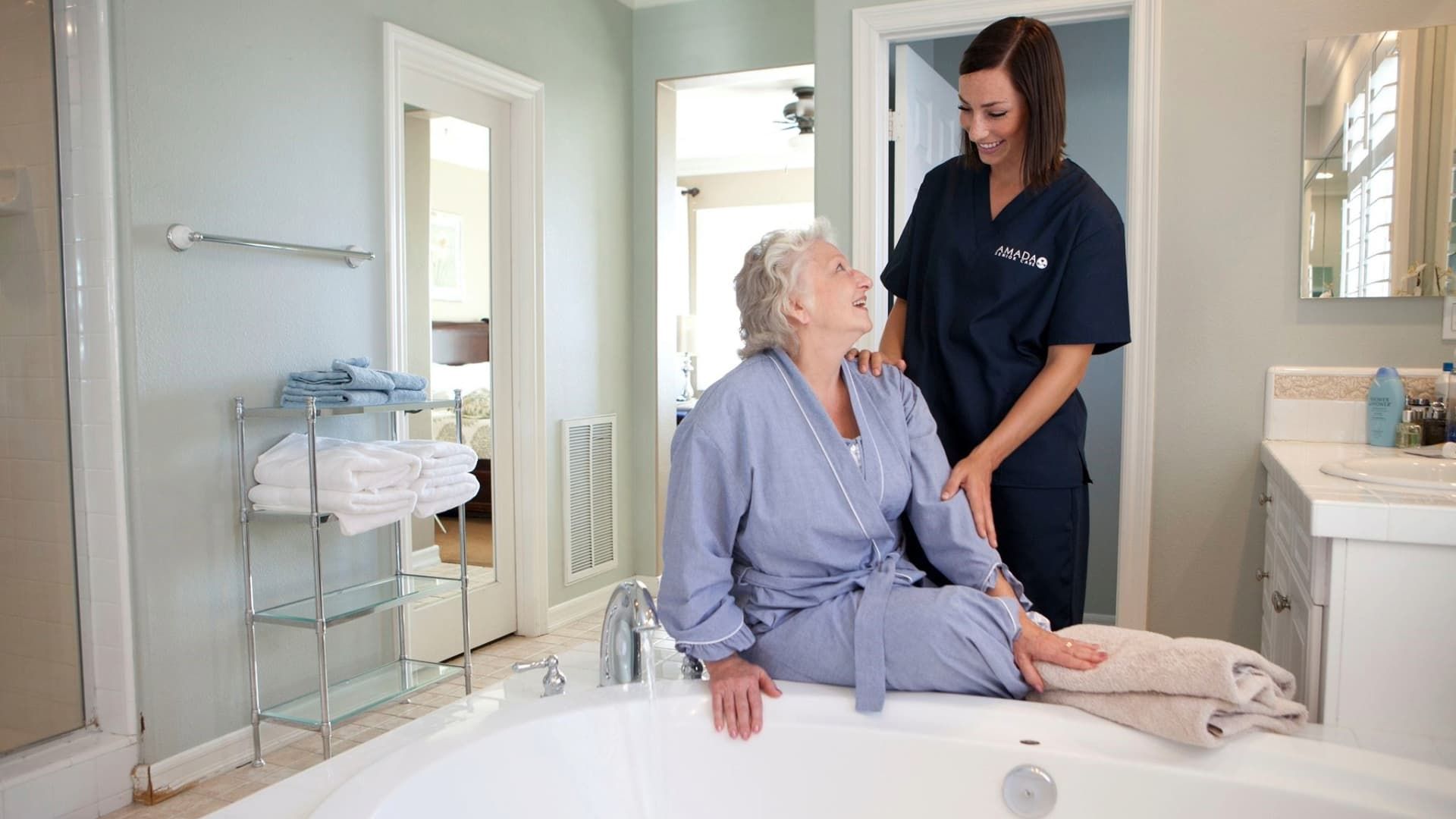
The Amada Senior Care franchise is a senior services business built around non-medical in-home care, placement support, and related services, operated from a small office or home-office setup. Prospective owners mainly want to understand costs, licensing, support, territory structure, and whether this people-intensive, locally driven model fits their skills and time commitment.
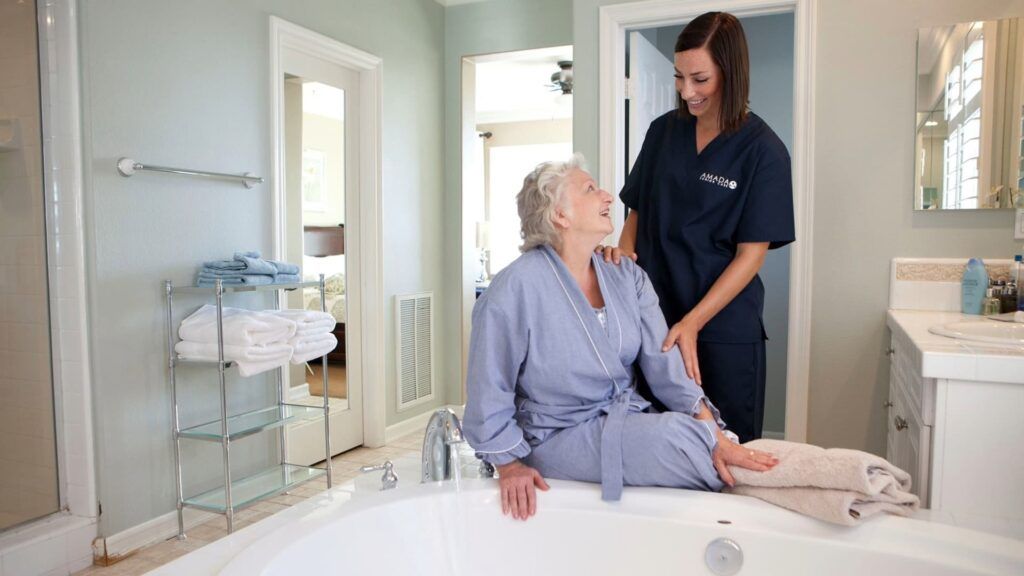
Amada Senior Care operates in the senior services space, with franchisees offering non-medical homemaker and home care services for older adults and others needing help with daily living. In addition, franchisees may provide senior placement services, long-term care insurance coordination, and, subject to qualifications, staffing and skilled care services.
Overall, the business is relationship-driven, highly local, and shaped by licensing, caregiver recruiting, service coordination, and referral development in the territory.
This article is sponsored by Amada Senior Care and was created in partnership with the brand to provide accurate, compliance-safe information about its business model and franchise opportunity. Nothing in this article should be considered legal, financial, or tax advice. Prospective franchisees should always review the most recent Franchise Disclosure Document (FDD) with qualified advisors before making an investment decision.
Not sure if senior care is the right category for you? The Franchise Brokers Association can help you find a franchise that truly aligns with your goals — at no cost to you. Receive expert guidance and fill out the form to get started.
Key Facts at a Glance.
Before you dig into cost tables and legal language, it helps to have a quick snapshot of the brand. The bullets below give you a fast reference on the Amada Senior Care franchise opportunity.
- Founded: 2007
- Franchising since: 2012
- Headquarters: San Clemente, California (confirm the current corporate address during due diligence)
- Business model: Senior care franchise with non-medical home care at the core, plus placement services, insurance coordination, and potentially staffing or skilled care depending on qualifications and approvals
- Owner profile snapshot: Prior health care experience is not required, but the model favors hands-on leaders comfortable with people management and local networking
- Training highlight: Initial training is tuition-free for the franchise owner and up to two additional people tied to the business
- Territory note: A designated territory typically targets a defined senior population bracket, with specific rights described in the franchise documents
Taken together, these facts show a relatively mature brand in a growing sector, with a model that relies heavily on local execution and strong relationships.
Amada Senior Care operates nationally across more than 200 locations. You can learn more about the brand directly at the official Amada Senior Care website or explore franchise-specific details on the Amada franchise page.
Who owns Amada Senior Care, and how did the brand get started?
Brand history will not run your business, but it can tell you a lot about stability, vision, and how the system has handled growth over time. This section gives a concise view of how Amada Senior Care developed into the brand it is today.
Amada Senior Care started in 2007 and began franchising in 2012 under the franchisor entity Amada Franchise, Inc. The leadership team includes co-founders Tafa Jefferson, who serves as Chief Executive Officer, and Chad Fotheringham, who serves as President. Both have backgrounds in home care and related industries and remain actively involved in training and franchisee development.
The brand story emphasizes combining non-medical home care and placement services with strong technology and operational training. Over time, the system added service lines such as staffing and skilled care, subject to owner qualifications and state laws.
For prospective franchisees, the key takeaway is that the model has operated for more than a decade, has expanded to over 200 franchised locations, and has evolved alongside regulatory and market changes in the senior care industry.
How much does it cost to open an Amada Senior Care franchise?
Most candidates researching the Amada Senior Care franchise want clarity on investment before anything else. This section translates the FDD’s Item 7 table into plain language so you can see how the cost profile fits your budget and risk tolerance.
The 2025 FDD shows a total estimated initial investment of $118,190* to $430,050* for a standard Amada Senior Care franchise. This wide range reflects differences in office setup, staffing plans, licensing demands, and how aggressively an owner chooses to ramp the business.
Not sure how much franchise you can actually afford? Before diving into these numbers, try the FBA’s free tool to get a personalized estimate based on your liquid capital, credit profile, and family situation. Use the free Franchise Financial Calculator now.
Startup Costs & Fees — Estimated Initial Investment.
The table below reflects every line item disclosed in Item 7 of the 2025 FDD. Each figure is an estimate. Your actual investment will depend on your state, staffing model, and office arrangement. Review this table alongside your financial advisor before making any decisions.
| Type of Expenditure | Low Estimate* | High Estimate* |
|---|---|---|
| Initial Franchise Fee* | $57,000 | $57,000 |
| Lease or Rent* | $1,000 | $9,000 |
| Utility Deposits* | $750 | $1,200 |
| Furniture, Office Equipment, Signage & Supplies* | $2,500 | $6,000 |
| Vehicle* | $0 | $3,300 |
| Vehicle Wrap (Optional)* | $0 | $4,200 |
| Required Technology & Software Bundle Fee* | $2,740 | $8,865 |
| Initial Training Expenses* | $2,000 | $9,000 |
| Grand Opening Advertising* | $1,500 | $1,500 |
| Marketing Materials & Business Development* | $4,500 | $8,000 |
| Insurance (Excl. Workers’ Compensation)* | $2,800 | $7,000 |
| Workers’ Compensation Insurance* | $250 | $2,125 |
| Legal & Accounting Fees* | $1,500 | $8,000 |
| Licenses & Permits* | $1,650 | $13,000 |
| Loan Packaging Fee* | $0 | $6,500 |
| General Wages & Compensation* | $0 | $70,000 |
| Staffing Wages & Compensation* | $0 | $135,360 |
| Additional Funds — 3 Months* | $40,000 | $80,000 |
| TOTAL Estimated Initial Investment* | $118,190 | $430,050 |
These figures describe startup and early operating needs only. They do not indicate financial performance or outcomes. A few line items are worth paying close attention to. Licenses and Permits can swing dramatically depending on the state and whether the franchisee pursues home care, staffing, or skilled care licensing.
Staffing Wages and Compensation starts at $0 for owners who do not launch staffing services immediately, but rises significantly for those who do. Working Capital covers only the first three months and does not include any owner draw or loan repayments.
Key Ongoing Fees.
Understanding your ongoing fee structure is just as important as knowing your startup costs. The table below captures the most significant recurring fees disclosed in Item 6 of the 2025 FDD. These are the fees you will pay throughout the life of your franchise agreement, so they deserve careful attention alongside your long-term financial planning.
| Fee | Amount* | Notes |
|---|---|---|
| Royalty Fee — Standard* | 5% of monthly Gross Billings* | Applies to Senior Care, Skilled Care, Admin Services & Staffing accounts; minimum royalty schedule begins month 3 |
| Royalty Fee — National Accounts* | 6% of monthly Gross Billings* | Applies to billings generated through national accounts |
| Minimum Royalty Fee* | $500/mo (months 3–12) up to $4,000/mo (month 61+)* | No minimum for first 2 months; escalates on a set schedule through the agreement term |
| Senior Placement Fee* | 10% of placement commission* | 15% for national account placements; no minimum royalty applies to this line |
| Advertising Fund* | 1% of prior month Gross Billings* | 0.25% for Skilled Care billings; franchisor may increase up to 2% with 30 days’ notice |
| Software Bundle Fee* | $345 – $595/month* | Based on specific software configuration used; may increase with added components |
| Email Fee* | $10/month per additional account* | First two accounts included in the Software Bundle Fee |
| Placed Software Fee* | $299/month after first 3 months* | Free for first 3 months; payable to affiliate MSCF; only required if offering Senior Placement Services |
| Annual Conference Fee* | $895/person (up to $2,500/person)* | Charged regardless of attendance; owner responsible for all travel and lodging |
| Additional On-Site Training* | $500/day per trainer + expenses* | Provided on an as-needed basis as determined by the franchisor |
| Transfer Fee* | 25% – 100% of then-current Initial Franchise Fee* | Rate depends on whether the lead came from the franchisor and whether the buyer is a new or existing franchisee |
| Late Fee & Interest* | $50 + up to 2%/month interest* | Applies to any payment not received by the due date |
| Territory Encroachment Fee* | 25% – 100% of Gross Billings + $2,500–$5,000 investigative fee* | Escalates with each offense; applies if franchisee serves outside their designated territory |
| Audit Cost* | Cost of audit + up to 2%/month penalty* | Triggered if audit reveals understatement of ≥2% of Gross Billings or repeated late reporting |
The Minimum Royalty Fee is one of the most important figures in this table because it applies regardless of billing volume after month two. It begins at $500 per month and escalates to $4,000 per month from month 61 onward.
Prospective owners should model this schedule carefully during their financial planning. Additionally, the Annual Conference Fee is charged whether or not the franchisee attends, which is a detail worth confirming directly with the franchisor.
What tends to move the total up or down?
Costs for a senior care franchise do not sit at a single number; they flex with your launch choices. Understanding what moves the range helps you stress-test your budget before committing. The variables below are the most common factors that shift the Amada Senior Care franchise cost up or down.
- Office choice: Starting with a virtual office or shared workspace generally costs less than leasing and furnishing a dedicated office. The low-end estimate in Item 7 assumes a virtual office during licensure.
- Territory footprint: Territories that cross state lines can add legal, licensing, and insurance complexity, and may require two separate office addresses.
- Staffing model: Early hiring, especially for staffing services, is one of the largest variables in the table. The Staffing Wages line alone ranges from $0 to $135,360.
- Licensing and permits: State-specific rules for home care, staffing, and skilled services affect fees, timing, and professional support needs. This line ranges from $1,650 to $13,000.
- Insurance: Workers’ compensation and liability coverage vary widely by state and scope of services offered.
- Technology stack: Required systems are a fixed element; optional tools and service-line add-ons can increase monthly expenses but may support faster growth.
Once you are comfortable with the cost framework, it becomes easier to evaluate whether the business model itself feels manageable.

What is Amada Senior Care’s business model, and what does day-to-day operations look like?
Numbers only tell part of the story. This section explains what you would actually be doing as an owner, which is often the deciding factor for long-term fit.
Amada Senior Care uses a multi-service senior care platform centered on non-medical in-home care, placement services, and insurance coordination, with potential expansion into staffing and skilled care. The owner’s day is focused on recruiting and scheduling caregivers, coordinating services, maintaining quality, and building local referral relationships rather than providing hands-on care.
The operating cycle usually starts when a family or referral partner contacts the business. A team member assesses the client’s needs, recommends appropriate services, and designs a care plan. From there, staff match caregivers to cases, set schedules, and monitor outcomes. Throughout the process, the franchisee maintains communication with families, caregivers, and professional partners.
Because the model may include multiple service lines, each territory often develops a mix of home care hours, placement activity, and insurance-related coordination. Not every franchisee will launch every service line immediately. Much depends on the owner’s background, local regulations, and franchisor approvals.
What does a typical day look like for an owner-operator?
A typical owner-operator schedule blends internal management with external relationship-building. The list below gives a realistic sense of what a workday looks like in practice.
- Staffing: Interviewing caregivers, checking references, ensuring credentials, and managing a scheduling bench.
- Service delivery: Reviewing active cases, resolving client or caregiver issues, and adjusting care plans as needs change.
- Scheduling: Overseeing daily and weekly calendars, covering callouts, and filling urgent shifts.
- Quality assurance: Calling families, checking satisfaction, and tracking key service metrics.
- Local marketing: Visiting hospitals, rehab centers, senior communities, attorneys, and other referral sources; attending networking events.
- Administration: Supervising billing, payroll coordination, documentation, and compliance tasks.
When you picture yourself doing these tasks day after day, you get a clearer sense of whether Amada Senior Care feels energizing or draining.
If you want to understand what franchising as a whole looks like before going deeper, the FBA’s free educational webinar is a great first step. Watch the free franchise webinar and discover the key to thriving in business ownership.
What training, support, and technology does the franchisor provide?
No franchise is truly “turnkey.” However, strong training and support can significantly shorten the learning curve. This section outlines what Amada Senior Care commits to provide and where you should dig deeper with your own questions.
Amada Senior Care provides structured initial training, field training, operational guidance, and required technology systems, together with access to marketing tools and brand-level advertising. This structure is designed to prepare new owners who may not have prior healthcare experience to run a compliant, client-ready operation.
The initial training program is tuition-free for the franchise owner and up to two additional team members. It typically includes three main components:
- Start-up training: Business model, operations, technology systems, and basic sales and marketing.
- Pre-opening training: Day-to-day administration, caregiver recruiting, case setup, and office processes.
- Field training: In-territory support focused on sales mapping, referral introductions, and practical launch activities.
Support & Systems Overview.
The table below summarizes the key areas of franchisor support. Use it as a starting point for your validation conversations with current franchisees and the brand’s development team. Pay particular attention to any area where you want more detail, as those deserve direct follow-up during discovery.
| Support Area | What is provided? | Notes |
|---|---|---|
| Initial training | Classroom and practical sessions | Tuition-free for owner plus up to two additional team members |
| Field training | On-site coaching in the territory | Focused on referral development, sales mapping, and office setup |
| Site review | Office review and approval | Ensures the location meets brand and regulatory standards |
| Operations guidance | Ongoing consultation | Access to the franchisor’s team for administrative and operational questions |
| Marketing guidance | Brand-level campaigns and ad-fund management | Includes an approval process for franchisee-created local marketing materials |
| Technology systems | Required hardware and software bundle | Covers scheduling, case management, billing, and reporting tools |
| Licensing support | Guidance from licensing specialists | Helps navigate state-specific licensure steps; confirm contractual scope directly with the brand |
What should you confirm during due diligence?
Training and support can look impressive on paper yet feel very different in practice. During validation calls and franchisor meetings, consider asking the following questions directly.
- How often do business coaches or field reps check in after launch?
- What tools and playbooks exist for caregiver recruiting and retention?
- Which technology platforms are mandatory, and what training is provided for staff?
- How much help does the brand provide with state licensing paperwork and follow-up?
- Which marketing channels typically perform best in similar territories?
- What kind of support is provided if a franchisee falls behind on quality or compliance metrics?
- How do multi-unit owners structure their teams and use franchisor support when they scale?
If you get clear, consistent answers from both the franchisor and current franchisees, you will be far better positioned to judge whether the support level matches your expectations.
Want expert help preparing the right questions and navigating the discovery process? The FBA’s franchise consultants work with you at no cost to help you make a decision with clarity and confidence. Book a free consultation with a franchise expert today.
How do territories, real estate, and equipment requirements typically work?
Territories and facilities shape both your growth potential and your overhead. This section explains how Amada Senior Care handles geography and physical setup so you can align expectations with your local market before signing anything.
Amada Senior Care relies on a small office footprint, a defined territory based on senior population, and modest equipment requirements focused on office and technology. Together, these components shape the franchise’s cost profile and long-term scalability.
What real estate profile is typical?
Most owners operate from 150–800 square feet of office space. During licensure and early ramp-up, many use virtual or shared offices to control overhead while still meeting regulatory and professional expectations. Later, as the team expands, some owners move to a larger or more dedicated space to accommodate additional staff and meeting needs.
The low-end investment estimate in Item 7 assumes a virtual office during licensure, while the high-end estimate assumes a proper leased office roughly three months before opening. If your territory crosses into a second state, you may need two separate office addresses, which would push costs toward the higher end of the range.
How does territory protection work?
The brand uses a designated territory model rather than a simple radius. Territories are defined by specific geographic areas, often tied to a target number of older adults within that region. The franchise agreement and FDD clarify which activities are exclusive and what rights the franchisor retains for national accounts or future development.
Because senior care relies heavily on shared referral sources, understanding territory boundaries before signing is essential. It is worth asking the franchisor exactly how zip codes are assigned, how border situations between neighboring franchisees are handled, and what protections exist if a national account begins operating in your area.
What equipment or vehicles are commonly required?
Equipment needs are moderate and predictable. Franchisees typically invest in the following:
- Basic office furniture, desks, and storage
- Computers, phones, and networking equipment
- Required scheduling, billing, and case management software
- Standard office supplies and communications tools
Many owners also use one or more vehicles for visiting clients, families, and referral partners. A vehicle wrap is listed as optional in Item 7 but is widely used as a local visibility and branding tool. Taken together, these requirements mean you are not funding a large retail build-out, but you are committing to a professional office presence and a defined local footprint from day one.
Who is the ideal Amada Senior Care owner, and what time commitment is typical?
Even a strong brand can be a poor match if the owner profile is off. This section helps you compare your skills, background, and expectations with the type of operator who tends to thrive in this system.
The franchise tends to fit hands-on operators who can lead teams, build trust with referral partners, and stay organized in a regulated service environment. While some owners may move toward a semi-absentee posture over time, especially with experienced managers in place, the business typically requires active involvement during the early years.
Ideal traits include:
- Leadership and people skills: Comfort directing staff, having difficult conversations, and keeping a team aligned around service standards.
- Systems orientation: Willingness to follow brand standards, maintain documentation, and operate within a defined framework.
- Sales and relationship-building: Genuine interest in meeting with hospitals, senior communities, elder law attorneys, and other referral sources on a consistent basis.
- Community focus: Desire to be visible and engaged in the local market as the go-to resource for senior care solutions.
- Operational discipline: Attention to scheduling, compliance, caregiver performance, and quality-assurance details.
If you read this list and see your strengths clearly reflected, Amada Senior Care may be worth deeper exploration. If several of these feel like a significant stretch, that is equally useful information.
Before you invest time in a full discovery process, it is worth taking a structured self-assessment to measure how well your personality, skills, and business builder profile align with this type of franchise. Take the free no-cost Zorakle Business Assessment and discover your ideal franchise match.
How does Amada Senior Care compare to similar franchise options?
No brand exists in a vacuum. To make a confident decision, it helps to understand how Amada Senior Care stacks up against other senior care and home service franchises in terms of structure, complexity, and operating model.
Compared with a single-service home care or simple referral model, Amada Senior Care offers a broader senior services platform that includes non-medical care, placement, and insurance coordination, with potential for staffing and skilled care. This structure can appeal to owners who want multiple ways to serve families and build diverse service relationships. However, it also introduces more operational moving parts than a narrower, single-service concept.
Key comparison points to consider:
- Service scope: Broader than basic non-medical home care; multiple service lines may increase resilience and market reach but also add complexity in licensing, staffing, and operations.
- Operational complexity: Requires coordinating staff across multiple service types, managing different payer relationships, and maintaining compliance across more than one regulatory area.
- Staffing model: Strong emphasis on caregiver recruitment and scheduling; the optional staffing services line adds further depth and requires additional personnel.
- Territory design: Population-based territories tied to senior population counts provide more specificity than a generic radius, but still require careful review of the actual map and zip code assignments.
- Service channels: Relies on in-home service delivery and professional referral networks rather than retail foot traffic, which means success is tied directly to relationship-building and community presence.
Making a side-by-side comparison across brands takes time and structure. Two FBA tools make that process significantly easier. First, the financial calculator lets you model investment ranges across different concepts based on your actual budget. Second, the FranPath Live webinar walks you through the true financial picture behind business ownership, including startup costs, ongoing expenses, and what first-time buyers commonly overlook.
Want to understand the full financial picture of franchise ownership before comparing brands? Join the next live FranPath session — a masterclass on small business funding that covers startup ranges, operating costs, and how to evaluate affordability with confidence. Reserve your spot at the next FranPath Live webinar.
Ready to run the numbers on your own budget right now? The FBA’s free financial calculator takes your liquid capital, credit profile, and family situation into account to show you exactly how much franchise you can afford. Try the free Franchise Financial Calculator.
FAQ about the Amada Senior Care franchise
The questions below address the most common concerns from prospective owners. Use them as a starting point before moving into deeper conversations with the franchisor and current franchisees.
Does Amada Senior Care require healthcare experience?
No prior healthcare experience is required. The training system is built for candidates coming from corporate, sales, or operations backgrounds. That said, comfort in emotionally sensitive, people-centered environments is genuinely important for day-to-day success.
Is the business home-based or office-based?
It can start from a virtual or shared office space during the licensing phase, which helps keep early overhead low. Most owners transition to a dedicated office as their team and client volume grow.
What services can an Amada Senior Care franchisee offer?
The core offer includes non-medical home care, senior placement, and long-term care insurance coordination. Staffing and skilled care services may be added later, subject to state licensing and franchisor approval. Confirm what is available in your specific state before signing.
How large is the territory?
Territory size is based on senior population within a defined geographic area rather than a fixed mileage radius. Review the actual zip-code maps and boundary details in the FDD and franchise agreement carefully, as referral relationships in senior care rarely follow neat geographic lines.
What kind of training does the franchise provide?
Initial training covers start-up operations, pre-opening administration, and in-territory field coaching. It is tuition-free for the owner and up to two additional team members. Ongoing support, manuals, and coaching continue after launch.
Does the franchise provide financial performance information?
The franchisor may provide financial performance information in Item 19 of the FDD. Review that section carefully with a qualified financial and legal advisor before making any investment decision.
Is Amada Senior Care the right fit for you?
Amada Senior Care tends to suit hands-on operators who enjoy leading a team, building community relationships, and managing a multi-service business with real operational depth. It is likely not the right match for buyers seeking a passive, low-touch model from day one.
This brand may be a strong fit if you:
- Are energized by people, relationships, and community involvement.
- Are comfortable managing staff, schedules, and a regulated service environment.
- Want multiple service channels rather than a single product or transaction type.
- Can follow a structured operating system while taking local initiative.
You may want to explore other options if you:
- Prefer a mostly hands-off investment without a management team in place.
- Are uncomfortable with licensing requirements or compliance documentation.
- Would rather run a simple retail or product-based business.
Before committing time to discovery, take a few minutes to check your alignment. The FBA’s free Zorakle Business Assessment reveals your Business Builder Profile and helps match your skills, personality, and goals to the right franchise category — not just one brand.
When you are ready to move forward with confidence, the Franchise Brokers Association is here to guide you at no cost.
Fill out the form, connect with an expert, and get the clarity you need to make a decision you will be proud of. Receive expert guidance at no cost — start by filling out the form.