
The Sonic franchise is one of the most recognizable names in American quick-service restaurants (QSR), best known for its drive-in heritage and vehicle-first service model. With decades of brand recognition and a distinctive operating format, the Sonic Drive-In franchise stands apart from standard drive-thru concepts.
Unlike brands that operate primarily as company-owned locations, Sonic does offer franchise opportunities in the United States through Inspire Brands Franchising. That makes Sonic a true franchise system—though not one that’s available in every market or to every buyer.
If you’re researching Sonic franchise cost, Sonic franchise price, or asking “is Sonic a franchise?”, the smartest starting point isn’t hype. It’s understanding how the Sonic franchise actually operates, what ownership involves day to day, and how the 2025 Sonic Franchise Disclosure Document (FDD) frames costs, fees, and requirements.
Sonic is not part of the Franchise Brokers Association (FBA) portfolio. This guide is informational only and not legal, financial, tax, or investment advice. Franchise decisions should always be based on the current FDD and reviewed with qualified advisors.
Is Sonic a franchise in the U.S.?
Yes. Sonic is a franchise system in the United States.
The Sonic Drive-In franchise is offered through Inspire Brands Franchising, with Sonic Franchising LLC listed as the franchisor entity in the FDD. So if you’re asking “is Sonic franchise?” or “is Sonic a franchise?”, the answer is clearly yes.
That said, “actively franchising” does not mean unlimited availability. Approval for Sonic franchise opportunities depends on:
- Market strategy and territory plans.
- Site feasibility and traffic flow.
- Candidate experience, capitalization, and operational readiness.
The Sonic franchise process follows the disclosure framework required under the FTC Franchise Rule, which ensures buyers receive material information before signing or paying any fees. To understand the disclosure rules that protect franchise buyers in the U.S., review the FTC Franchise Rule and how it governs the Franchise Disclosure Document (FDD).
How the Sonic Drive-In franchise works.
The Sonic Drive-In franchise is built around vehicle access, speed, and convenience. It is a systems-driven QSR model supported by multiple restaurant formats, not a single standardized box.
Why the service channel matters.
Sonic’s identity is inseparable from how guests are served:
- Drive-in stalls and canopy layouts.
- Drive-thru throughput and queue design.
- Non-traditional or mixed-use site constraints.
Because of this, Sonic franchise success is closely tied to real estate execution, not just menu operations. To understand the consumer-facing brand experience and menu positioning, you can explore the SONIC Drive-In brand site
What the Sonic franchise sells (non-performance overview).
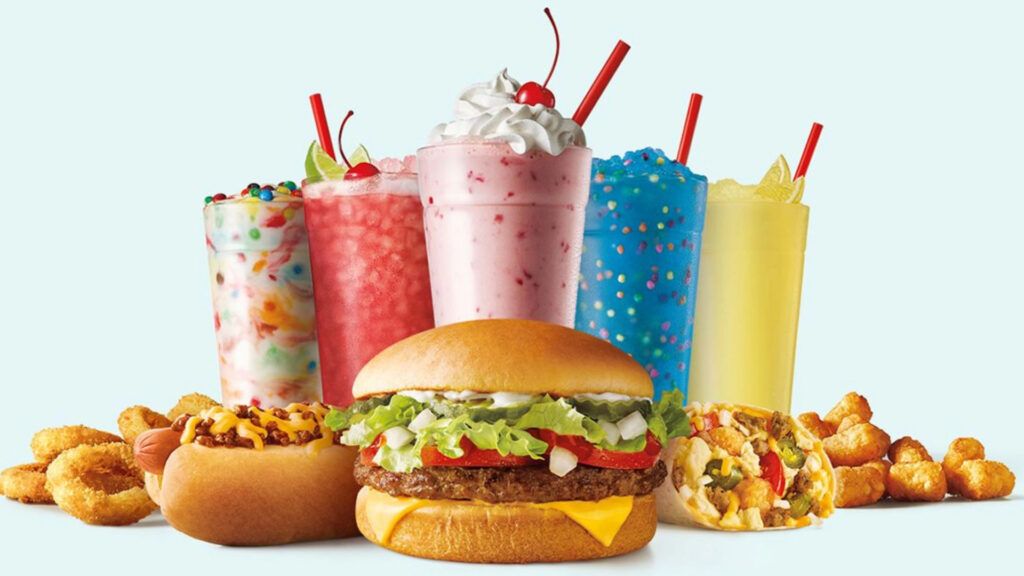
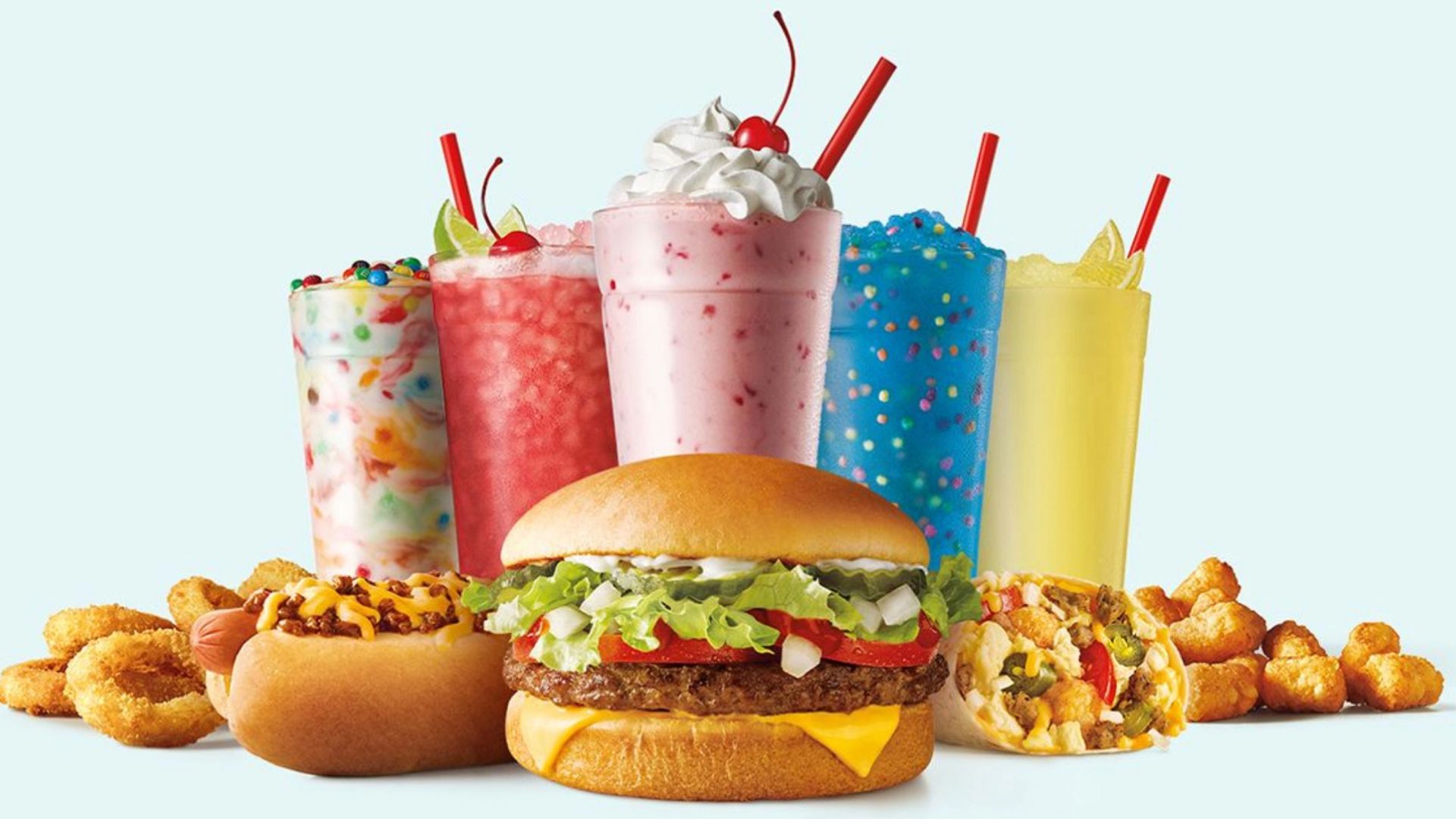
According to the 2025 FDD, Sonic’s menu includes:
- Specialty drinks and frozen desserts.
- Burgers, chicken, hot dogs, and sides.
- Breakfast offerings across multiple dayparts.
From a diligence standpoint, this means:
- Cold and hot equipment systems.
- Multi-daypart staffing coverage.
- Tight food-safety and training routines.
This is a hands-on operating business, not a passive investment.
If you’re searching “Sonic franchise cost,” here’s the direct answer.
According to the 2025 Sonic FDD, the Sonic franchise cost (estimated initial investment) varies by restaurant format:
- Free-Standing Leased Sonic Drive-In Franchise Cost:
$1,676,000 – $3,140,900 - C-Store Sonic Drive-In Franchise Cost:
$669,200 – $1,360,900 - Drive-Thru-Only Sonic Franchise Price:
$1,609,200 – $2,965,900
Sonic also discloses ongoing franchise fees typical of QSR systems:
- Royalty Fee: 5%
- Advertising Fee: 3.25% minimum (via required advertising cooperatives)
- Development Fee: $10,000 per restaurant
These figures come from official franchising materials published by Inspire Brands Franchising and the Sonic Franchise Disclosure Document.
Important context on Sonic franchise price.
Item 7 numbers are disclosure ranges, not predictions. How much a Sonic franchise costs in practice depends on:
- Site conditions and real estate costs
- Landlord work letters and lease terms
- Construction pricing and permitting
- Local labor markets and wage rates
To estimate how the franchise Sonic cost might look for your situation, use FBA’s Franchise Financial Calculator to model startup costs and working capital realistically.
For a neutral overview of what to evaluate before buying a franchise, the U.S. Small Business Administration’s guide to buying a franchise outlines key diligence steps beyond just startup costs.
How to use Item 7 responsibly when evaluating Sonic franchise cost.
Item 7 is a budgeting and diligence tool, not a guarantee of what you will spend. Actual Sonic franchise costs vary based on:
- Lease terms and landlord work letters.
- Utilities and site work.
- Construction market volatility.
- Local labor availability.
The U.S. Small Business Administration recommends reviewing multiple FDD items together—not just Item 7—when evaluating franchise risk.
Sonic Drive-In franchise formats and opportunities.
Sonic discloses multiple build and site paths, which shape Sonic Drive-In franchise opportunities:
- Freestanding drive-in locations.
- Drive-thru-only Sonic franchise formats.
- C-store and non-traditional placements.
Why this matters:
- Freestanding drive-ins require exterior infrastructure and traffic planning.
- Drive-thru-only models emphasize speed and labor efficiency.
- Non-traditional sites introduce venue rules and partnership constraints.
When evaluating a Sonic franchise, you’re choosing an operating model and real estate strategy, not just a brand.
What day-to-day Sonic franchise ownership looks like.
The Sonic franchise is operations-first. Typical owner responsibilities include:
- Hiring, training, and retention
- Scheduling tied to traffic patterns
- Food safety, sanitation, and audits
- Inventory ordering and vendor compliance
- Equipment maintenance and uptime
- Required technology platforms and reporting
Who the Sonic franchise tends to fit.
The Sonic franchise often works best for owners who:
- Enjoy structured systems and routines.
- Can lead teams in fast-paced environments.
- Are comfortable with compliance and audits.
- Can be present during peak periods.
It often frustrates owners seeking:
- Low staffing intensity.
- Broad creative control.
- Semi-absentee ownership from day one.
If you’re evaluating Sonic franchise requirements from a lifestyle perspective, the Zorakle Franchise Fit Assessment can help determine whether a QSR model like Sonic aligns with your goals.
Pros and cons of a Sonic franchise.
Below are the most common trade-offs buyers should weigh when evaluating a Sonic franchise. These are not “reasons you’ll succeed” or “reasons you’ll fail”—they’re the practical advantages and friction points that tend to matter in real-world operations.
Pros.
Differentiated drive-in identity: Sonic’s drive-in heritage (stalls/canopies plus drive-thru) creates a service experience that feels meaningfully different from standard QSR drive-thru brands. For some markets, that distinct “vehicle-first” positioning can help the concept stand out at the real estate level and in customer perception.
Multiple Sonic franchise format options: Sonic discloses multiple site/build paths (such as free-standing, drive-thru-forward, and non-traditional placements). That can expand the real estate search beyond one rigid footprint—useful if you’re operating in areas where certain lot sizes, traffic patterns, or zoning constraints make a single format hard to place.
Defined training, marketing, and technology support: Inspire Brands highlights structured support categories—training programs, guidance through development and build-out, marketing direction, and required technology/reporting platforms. For operators who want a clear system to follow, this reduces guesswork compared to building a concept from scratch.
Clear disclosure through the FDD: The Franchise Disclosure Document provides standardized visibility into fees, obligations, system rules, and legal structure. Even when you’re still early in the process, the FDD helps you evaluate the franchise based on written disclosures rather than sales conversations or third-party directories.
Structured operating playbook: QSR is execution-heavy. A structured operating system can be an advantage if you like repeatable routines: staffing standards, food safety requirements, quality checks, ordering processes, and technology reporting. The better you execute the playbook, the less “reinventing the wheel” you’ll do.
Cons / watch-outs.
Labor-intensive execution: A Sonic franchise is not low-staff. QSR operations require consistent hiring, training, scheduling, supervision, and retention—especially across peak dayparts. If you don’t enjoy team leadership or you’re hoping for minimal staffing complexity, this model can become frustrating quickly.
Real estate sensitivity: Because Sonic is vehicle-first, site selection is unusually important. Access, ingress/egress, visibility, traffic flow, drive-thru queue design, stall layout (if applicable), and local restrictions can materially impact daily operations. A “good deal” on a weak site can become expensive over time.
Ongoing royalty and advertising obligations: Royalties and advertising contributions are recurring commitments. Even when sales fluctuate, these obligations usually remain. Advertising cooperatives may also involve required participation rules and minimum contributions that vary by market designation, so it’s important to understand what’s mandatory in your territory.
Mandatory technology adoption and upgrades: Most modern QSR systems require POS, reporting, digital menu/ordering capabilities, and approved platforms. These systems can change over time, and franchisees may be required to adopt upgrades, new vendors, or new tools. Build your budget assuming “tech change” is a normal part of the operating relationship.
Some markets favor experienced or multi-unit operators: Certain territories may be more competitive or may align with development strategies that favor operators with prior QSR experience and multi-unit capacity. Even if single-unit ownership is possible, be prepared for expectations around operational sophistication, capitalization, and the ability to scale.
Alternatives to the Sonic franchise: think in operating models.
Rather than comparing the Sonic franchise to one brand at a time, many buyers get better clarity by stepping back and comparing operating models. The day-to-day reality of ownership—staffing intensity, hours, real estate complexity, and management burden—often matters more than the logo on the building.
Below are several operating lanes, with examples of franchises that work with the Franchise Brokers Association (FBA) and may appeal to buyers who like Sonic’s visibility but want a different ownership experience.
1) Drive-thru-forward and foodservice franchises (QSR-adjacent)
This lane appeals to buyers who like high transaction volume, brand recognition, and structured systems—but may want simpler footprints, different menus, or alternative staffing dynamics than a classic drive-in model.
Examples within the broader food and beverage lane include:
- West Coast Sourdough – fast-casual bakery café with streamlined menus and indoor service focus.
- Huckleberry Restaurant – full-service/casual dining with community-centric positioning.
- Corporate Caterers – B2B foodservice model without consumer-facing storefronts.
Why some buyers prefer these over a Sonic franchise:
- Less dependence on vehicle flow and stall layouts.
- Different peak-hour dynamics.
- In some cases, fewer late-night staffing pressures.
2) Beverage and treat-led concepts (lower menu complexity)
Some buyers are attracted to Sonic for its beverage and dessert sales—but not the full kitchen complexity. Beverage-led franchises can offer strong repeat behavior with narrower menus.
Examples FBA works with include:
- Ramblin’ Joe’s Coffee – mobile coffee model with flexible scheduling.
- Break Coffee – simplified café concept with smaller footprints.
- Junbi – specialty beverage focus with premium positioning.
Why this lane may appeal:
- Fewer SKUs and simplified prep.
- Smaller teams compared to QSR drive-in models.
- Easier inventory and food safety management.
3) Non-traditional and service-based franchises.
Many Sonic prospects ultimately realize they want ownership and cash flow—not necessarily a restaurant. Service franchises can eliminate food, late nights, and heavy hourly staffing entirely.
Examples of FBA-affiliated service franchises:
- Line-X – automotive and industrial coatings.
- Pirtek USA – mobile hydraulic hose replacement (B2B).
- Mr. Handyman / Mr. Rooter / Aire Serv – skilled trades and home services.
- Lawn Pride / The Grounds Guys – recurring outdoor services.
Why buyers pivot here:
- Daytime, appointment-based schedules.
- Smaller teams or technician models.
- Less exposure to food costs, spoilage, and health inspections.
4) People-focused and care-based franchises (mission-driven models)
Some buyers like Sonic’s community presence but want a business centered on people rather than transactions.
Examples include:
- Camp Bow Wow – pet care and boarding.
- FirstLight Home Care / Amada Senior Care / Always Best Care – senior services.
- Oliver’s Nannies – childcare staffing.
Why these models attract former QSR shoppers:
- Relationship-driven revenue.
- Strong local referral ecosystems.
- Often more predictable hours than QSR.
5) Business-to-business and executive ownership models.
For buyers considering a Sonic franchise primarily as an investment or leadership role, B2B franchises can offer manager-led operations without storefront dependency.
Examples:
- PrideStaff – staffing and workforce solutions.
- Payroll Vault – payroll and HR services.
- WSI Digital Marketing – marketing services for local businesses.
Why these can outperform expectations:
- No retail real estate.
- Professional client base.
- Scalable, office-based teams.
How to compare Sonic vs. these alternatives responsibly.
The right question usually isn’t:
“Which franchise is better than Sonic?”
It’s:
“Which operating model fits my capital, schedule, risk tolerance, and leadership style?”
To explore fit-based franchise options beyond Sonic, start with FBA’s structured tools:
- Browse opportunities across categories using Find Franchises.
- Clarify your owner role and lifestyle preferences with the Zorakle Assessment.
- Compare startup costs and working capital using the Franchise Financial Calculator.
FBA brokers work with these brands daily and can help you benchmark the Sonic franchise against alternatives without steering you toward a specific outcome.
How the Franchise Brokers Association (FBA) helps you think beyond the Sonic franchise.
Even if the Sonic franchise appeals to you, it’s worth asking:
“Is this the best fit for my capital, skills, and lifestyle—or just the most visible brand I know?”
The Franchise Brokers Association works with a nationwide network of trained franchise brokers who:
- Represent food and non-food franchise brands
- Stay current on investment ranges and territory availability
- Help buyers clarify risk tolerance, time commitment, and owner role
Because Sonic is not in FBA’s portfolio, FBA brokers don’t sell Sonic franchises. Instead, they help you:
- Benchmark the Sonic franchise against other QSR and non-QSR concepts
- Identify brands that better fit your budget and lifestyle
- Follow a structured diligence process (FDD review, validation calls, financial modeling)
For one-on-one guidance, visit Franchise Consulting.
For additional education:
- Attend a free Franchise Webinar
- Watch expert discussions on FranPath Live
We can’t guarantee results—but we can help you avoid choosing a franchise solely because you like the brand or nostalgia.
FAQ: Sonic Franchise (U.S.)
Is Sonic a franchise?
Yes. SONIC Drive-In® offers franchise opportunities in the United States through Inspire Brands Franchising and operates under a current Franchise Disclosure Document (FDD).
How much is a Sonic franchise?
The 2025 SONIC FDD discloses estimated initial investment ranges by format. In the ranges referenced here, Free-Standing Leased is $1,676,000–$3,140,900, C-Store Leased is $669,200–$1,360,900, and Drive-Thru Only Leased is $1,609,200–$2,965,900. These are Item 7 estimates and real costs vary by site, lease terms, construction pricing, permitting, and labor conditions.
How much does a Sonic franchise cost in ongoing fees?
Official franchising materials list a 5% royalty, a minimum 3.25% advertising contribution (through required cooperatives), and a $10,000 development fee per restaurant. Confirm definitions and any market-specific rules in the current FDD.
What are the Sonic franchise requirements?
SONIC publishes qualification guidelines on its franchising page, and the FDD details legal and operational obligations. Beyond financial capacity, most candidates should evaluate whether they’re suited for a labor-intensive QSR model with staffing leadership, compliance routines, and technology requirements.
Does Sonic offer franchise opportunities everywhere?
Not necessarily. “Actively franchising” means there’s a real path to apply, but territory availability depends on brand strategy, market plans, site feasibility, and candidate qualifications.
What is the Sonic Drive-In franchise process?
The typical flow is application, initial discussion, FDD review, interviews, and then signing. The most important diligence happens during the FDD stage—budget modeling, real estate assumptions, fee obligations, and validation calls.
What are alternatives to the Sonic franchise?
If you like SONIC but want a different ownership model, compare by operating lane (QSR, beverage/treat, non-traditional venues, or service franchises). To explore fit-based options beyond SONIC, use Find Franchises.
Is the Sonic franchise right for you?
The Sonic franchise can be a strong fit for the right type of owner—but it’s not universally right, even for buyers who love the brand.
Sonic tends to work best for entrepreneurs who:
- Want a structured QSR operating model with clearly defined systems.
- Are comfortable leading large hourly teams and managing ongoing hiring, training, and retention.
- Can operate effectively in a fast-paced, compliance-driven environment.
- Understand that success depends on consistent execution, not creativity or menu control.
- Are willing to be hands-on during peak periods, especially in the early stages.
In other words, Sonic can align well if you enjoy operational leadership, routine, and measurable standards—and if you’re prepared for the realities of labor-intensive foodservice.
However, the Sonic franchise is often a poor fit for buyers who:
- Want low staffing intensity or a small-team model.
- Prefer semi-absentee ownership from day one.
- Dislike repetitive, systems-heavy execution.
- Want broad freedom to change products, pricing, or processes.
- Are drawn primarily by brand nostalgia rather than operating reality.
This is why many experienced advisors encourage buyers to evaluate the operating model first, not the logo. A visible, well-known brand can feel safer—but the best long-term outcomes usually come from alignment between the business model and your skills, schedule, risk tolerance, and lifestyle goals.
Before committing to any single brand, step back and compare by fit—not visibility.You can explore a wide range of franchise options across food and non-food categories using FBA’s Find Franchises tool. It’s designed to help you see how different operating models compare—so you can decide whether the Sonic franchise is truly the right path, or simply the most familiar one.