



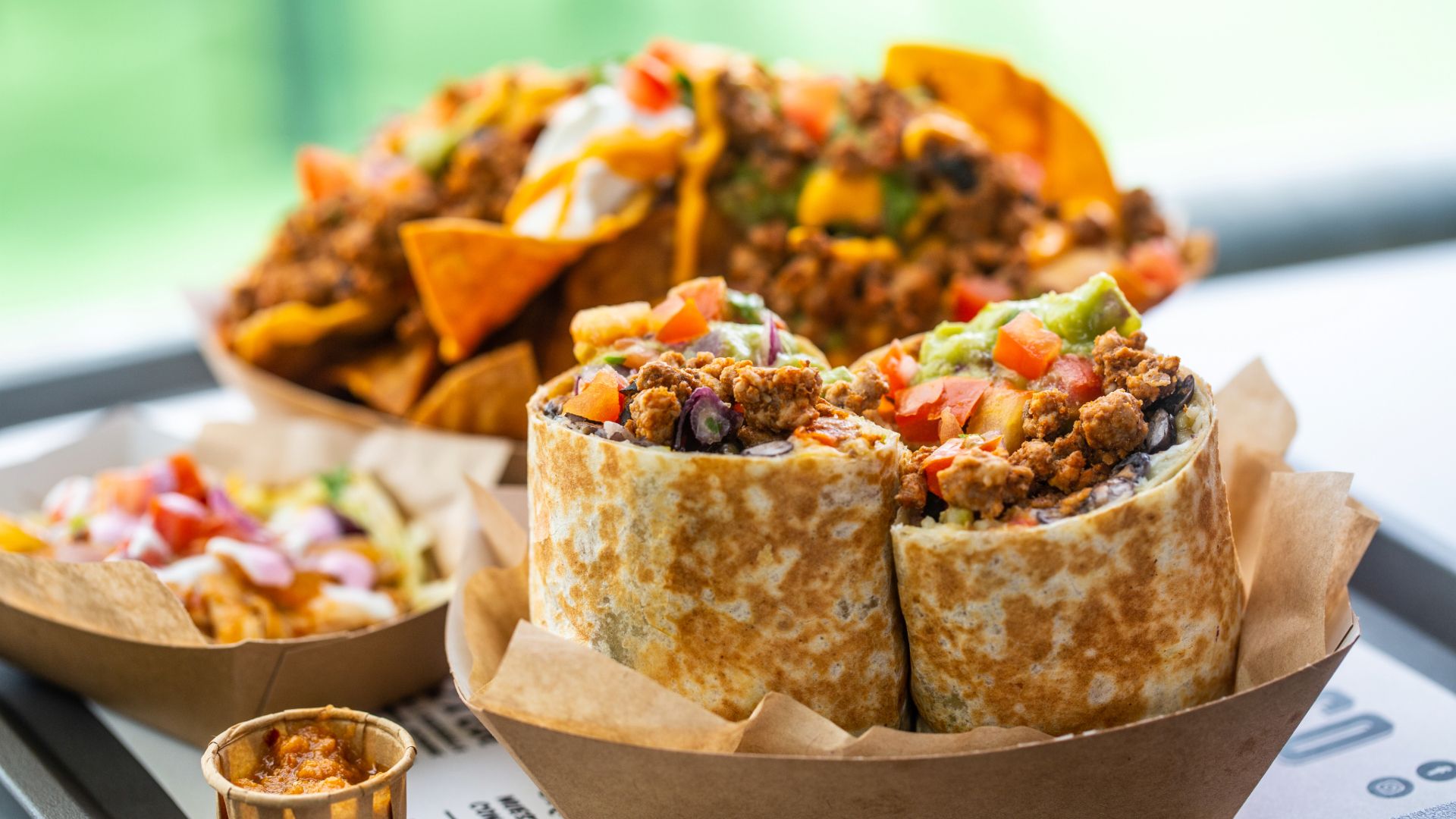
Have you ever craved a fast, affordable meal packed with bold flavor and a playful attitude? For millions, the answer leads directly to Taco Bell, a quick service powerhouse that’s become synonymous with late night cravings, inventive menu twists, and a brand personality rooted in fun and inclusivity. If you’re considering a Taco Bell franchise, this is all the more reason to explore the opportunity.
Since its founding by Glen Bell in 1962, Taco Bell has grown into a globally recognized chain serving Mexican inspired favorites like tacos, burritos, and quesadillas, all with a distinctive flair. Now part of the Yum! Brands family, the company is known not just for its food, but for its vibrant culture and forward thinking approach to branding and innovation.
But what does it actually take to own and operate a Taco Bell franchise? Behind the catchy slogans and cult-favorite menu items lies a franchise model with both rewarding opportunities and significant responsibilities. From the perks of instant brand recognition and dedicated fan loyalty to the demands of high capital investment and fast paced operations, becoming a Taco Bell franchisee is a commitment that goes far beyond a love for bold flavors.
In this comprehensive overview, we’ll dive into the key advantages and challenges of owning a Taco Bell franchise. You’ll gain insight into the brand’s values creativity, accessibility, and “feeding people’s lives with más” and how these principles shape everything from store design and staff training to community outreach. We’ll also explore what it takes financially and operationally to succeed in this highly competitive space.
If you’re considering a leap into fast-food entrepreneurship, read on to discover whether Taco Bell could be your perfect match or if another path might better suit your goals.
A Legacy of Flavor and Fun.
At its core, Taco Bell is more than a quick bite it’s a cultural experience wrapped in a crunchy taco shell. The brand has long distinguished itself in the quick-service restaurant (QSR) space by blending Mexican-inspired cuisine with a bold, irreverent personality. While many fast-food chains focus strictly on speed and convenience, Taco Bell layers in a sense of fun, flavor, and flair making it one of the most distinctive players in the global QSR market.
A Brief History of Taco Bell.
The story begins in Downey, California, where Glen Bell opened the first Taco Bell in 1962. His vision was simple yet innovative: offer affordable tacos crispy shells filled with seasoned beef, cheese, and lettuce to an American public that hadn’t yet embraced this type of cuisine. What started as a modest venture quickly gained momentum.
By the 1970s, the brand had expanded rapidly through franchising, signaling its broad appeal and market potential. As its footprint grew, so did corporate interest. Eventually, Taco Bell was acquired by Yum! Brands, joining a powerhouse portfolio that includes KFC and Pizza Hut. This move gave the chain access to deeper resources and infrastructure, fueling further growth on a global scale.
Over the decades, Taco Bell has continuously evolved its menu and brand image. While tacos remain the anchor, the chain is known for testing daring, limited-time offerings and embracing dietary shifts with vegetarian and plant-based options. Whether it’s a Doritos Locos Taco or a plant-powered Crunchwrap, the brand thrives on experimentation and its customer base eats it up.
Today, Taco Bell restaurants are found in dozens of countries, each location reinforcing the company’s ability to ignite curiosity and satisfy diverse tastes. Yet for those interested in owning a franchise, there’s more at stake than quirky menus and colorful branding. Behind the vibrant exterior lies a structured business model, complete with detailed operating procedures, rigorous training programs, and substantial financial commitments.
As we explore the advantages and obstacles of becoming a Taco Bell franchisee, it’s important to understand how this legacy of fun and flavor influences not just the customer experience but
The Flavor of Mission, Vision, and Values of Taco Bell.
very strong franchise opportunity is grounded in a clear purpose and Taco Bell delivers with its vibrant mission to “feed people’s lives with más.” This philosophy reflects more than just a catchy slogan; it represents a brand-wide commitment to creativity, inclusivity, and bold community presence. For prospective franchisees, these values help define what it truly means to be part of the Taco Bell system.
Key Themes that Drive the Culture.
- Boldness:The brand thrives on taking creative risks, often introducing imaginative new menu items and unconventional marketing strategies. From tacos made with Doritos shells to headline grabbing collaborations with musicians and media figures, Taco Bell embraces innovation that sparks conversation and strengthens brand loyalty.
- Community Engagement: The pursuit of “más” extends beyond the restaurant. Taco Bell invests in people and causes through scholarships, grants, and local initiatives. Franchisees benefit from being part of a brand that supports youth education, sustainable practices, and neighborhood fundraising contributing to deeper community ties.
- Global Accessibility: Taco Bell’s leadership understands the universal appeal of its core offerings, but also knows that one size doesn’t fit all. The brand frequently adapts its menu to suit regional preferences, ensuring that its bold flavors remain approachable and relevant in diverse markets across the globe.
- Innovation and Affordability: Taco Bell is at the forefront of QSR technology and digital transformation. Mobile ordering, loyalty apps, and “Go Mobile” store formats enhance convenience for today’s on-the-go consumer. At the same time, the brand remains committed to keeping its meals budget-friendly, an essential factor in its enduring popularity.
These brand pillars offer significant advantages to franchisees, providing a strong foundation of customer connection, operational support, and cultural relevance. However, they also come with expectations. Staying aligned with Taco Bell’s fast-moving innovation cycle and regularly shifting marketing strategies can be a demanding part of ownership, requiring flexibility and strategic focus.
Bold Benefits: The Pros of Owning the Taco Bell Franchise.
For the right entrepreneur, stepping into Taco Bell franchise ownership can offer more than just strong sales potential; it can provide a chance to align with a bold, fast moving brand that enjoys widespread consumer loyalty. From built-in marketing power to operational support and cultural relevance, Taco Bell presents a compelling case for franchise investment. Here are some of the most notable advantages that continue to attract franchisees across the globe.
1. Widespread Brand Recognition.
Few quick-service restaurant chains enjoy the level of brand awareness Taco Bell has achieved. Decades of clever advertising and cultural references have made it a household name. This kind of visibility significantly reduces the time it takes for new stores to build awareness and trust within their local markets, giving franchisees a valuable head start in driving traffic and building customer loyalty.
2. Consistent Menu Innovation.
Taco Bell thrives on creativity, regularly launching limited-time menu items and bold flavor combinations that generate buzz and foot traffic. These innovations are often paired with national marketing campaigns, creating excitement at the store level without requiring individual franchisees to generate new ideas themselves. This cycle of fresh offerings keeps the brand relevant and customers engaged.
3. Rigorous Franchise Training and Operational Guidance.
New franchisees receive extensive training before opening, covering everything from day to day restaurant operations to inventory systems, staff management, and guest experience protocols. For entrepreneurs new to the QSR space, this level of guidance is crucial. Ongoing support continues post-launch, including access to brand-approved tools, resources, and marketing materials that reflect Taco Bell’s high energy, customer-focused brand.
4. Part of the Yum! Brands Family.
Being part of Yum! Brands offer additional benefits that extend beyond the Taco Bell name. Franchisees can leverage the group’s marketing scale, collective purchasing power, and shared best practices. This affiliation also enhances brand credibility globally and may create cost efficiencies in areas such as supply chain and advertising.
5. Focus on Community and Sustainability.
Taco Bell’s commitment to community involvement and corporate responsibility adds meaningful value for both owners and customers. With initiatives such as educational scholarships, local fundraising programs, and sustainable packaging goals, franchisees can position themselves as socially responsible businesses. This local engagement often results in stronger community ties and encourages repeat business.
While the brand’s energetic identity and operational support system make for a dynamic franchise experience, it’s important to recognize that these benefits also come with expectations. Prospective owners should be prepared to meet performance benchmarks and maintain alignment with Taco Bell’s evolving brand strategy.
Navigating the Heat: Potential Drawbacks of Owning a Unit Taco Bell Franchise.
While Taco Bell’s bold brand and widespread popularity can be a strong draw for aspiring franchisees, ownership is not without its challenges, as detailed in this in-depth pros and cons breakdown. Beneath the playful advertising and craveable menu lies a complex business model that requires discipline, adaptability, and a solid financial foundation. Before diving in, it’s essential to understand some of the key obstacles that may come with running a location under this high-profile quick-service brand.
1. High Initial Investment and Ongoing Fees.
The cost of entry into Taco Bell ownership can be substantial. From construction and kitchen equipment to franchise fees, the upfront capital required is significant. Beyond startup costs, franchisees are also responsible for ongoing royalties and advertising contributions. These recurring expenses can reduce profit margins over time, making it essential to conduct a realistic financial forecast and determine whether your budget can absorb the long-term commitments.
2. Intense Competition in the Fast-Food Landscape.
While Taco Bell occupies a distinct space in the Mexican inspired fast-food category, it still competes with a saturated field of quick-service restaurants—including burger chains, pizza outlets, chicken specialists, and healthier food concepts. To thrive, franchisees must stay proactive with local marketing, community engagement, and customer service, ensuring their store remains a go-to choice amid growing consumer options.
3. Operational Complexity.
Running a Taco Bell is a demanding endeavor that goes well beyond food prep. Franchisees must manage supply chains, staffing, training, inventory, compliance, and food safety—all while maintaining strict corporate standards. These procedures offer consistency across locations, but they can also feel restrictive or overwhelming, particularly for first-time operators without prior QSR experience.
4. Rapid Menu Adjustments and Marketing Campaigns.
Innovation is a hallmark of the Taco Bell brand, but constant menu updates and promotional rollouts can present logistical hurdles. New products may require staff retraining, kitchen adjustments, and coordination with suppliers to ensure timely delivery. While these initiatives often drive foot traffic, they require franchisees to remain flexible and efficient to keep pace with national campaigns and evolving customer expectations.
5. Potential for Overexpansion.
Taco Bell’s global reach is impressive, but in some regions, dense clustering of stores can lead to market saturation. When too many locations open within a small geographic area, franchisees may experience reduced sales due to internal competition. Although corporate conducts extensive market analysis to prevent this scenario, vigilance during site selection remains essential for protecting long-term revenue potential.
Owning a Taco Bell franchise can be rewarding but it’s not a passive investment. Success hinges on operational readiness, financial discipline, and a willingness to embrace both the brand’s energy and its evolving demands. For those prepared to navigate these challenges, the payoff can be as satisfying as the food itself.
Tasting the Numbers: Essential Costs in Focus.
Before venturing into a Taco Bell franchise, it’s essential to understand the financial commitments involved. Below, you’ll find two tables that outline critical cost categories—from initial fees to ongoing expenses. Keep in mind that these figures represent estimates and may vary based on location and other factors.
Initial Investment Overview of a Taco Bell Franchise.
| Expense | Low Estimate* | High Estimate* |
| Initial Franchise Fee | $25,000* | $45,000* |
| Building & Site Costs | $150,000* | $1,000,000* |
| Equipment & Signage | $95,000* | $300,000* |
| Opening Inventory | $3,000* | $10,000* |
| Training Expenses | $2,000* | $10,000* |
| Insurance (First Year) | $5,000* | $20,000* |
| Additional Funds (First 3 Months) | $40,000* | $100,000* |
| Estimated Total | $320,000* | $1,485,000* |
**Data is based on the company’s Franchise Disclosure Document (FDD). Fees, costs, and figures are estimates and may vary based on location and other factors.
The brand typically requires prospective owners to show a certain amount of liquid assets, demonstrating the financial capacity to weather the initial phase. Be prepared for cost overruns if construction or renovations encounter delays or if local regulations demand extra compliance measures.
Ongoing Costs and Fees.
| Name of Fee | Approximate Range* |
| Royalty Fee | 5%* – 7%* of gross sales |
| Advertising Contribution | 4%* – 5%* of gross sales |
| Local Marketing (Optional) | Varies by market; recommended 1%* – 2%* |
| Renewal Fee (per location) | $4,000* – $10,000* |
| Misc. Technology & Software | $1,000* – $5,000* annually |
**Data is based on the company’s Franchise Disclosure Document (FDD). Fees, costs, and figures are estimates and may vary based on location and other factors.
These obligations emphasize that a franchisee must maintain consistent sales to offset recurring royalties and marketing contributions. While affiliation with an established name can drive traffic, owners must still manage expenses diligently to keep operations in the black.
Beyond the Menu: Culture, Training, and Community Engagement.
What truly sets Taco Bell apart from many quick-service competitors is its strong emphasis on franchise culture, comprehensive training, and community involvement. The brand’s “más” mindset focused on doing more, giving more, and being more extends beyond bold flavors to the way franchisees are trained and encouraged to engage with their local markets.
Comprehensive Training Programs.
- Restaurant Operations: Franchise owners are equipped with foundational knowledge on food preparation, order accuracy, and service speed essentials for maintaining the consistency customers expect across all locations.
- People Management: Training emphasizes building a team that reflects Taco Bell’s energetic and welcoming culture. Staff members are coached not just to serve food quickly, but to deliver a positive customer experience that reinforces the brand’s upbeat identity.
- Marketing & Promotions: Franchisees receive guidance on executing national campaigns and are encouraged to create local-level marketing efforts that align with the company’s tone and visual style ensuring brand cohesion while allowing space for local engagement.
Community Involvement and Philanthropy.
Taco Bell’s franchise model also includes a commitment to making a meaningful impact outside the restaurant doors:
- Taco Bell Foundation: Through scholarships and youth focused grants, the brand supports education and development, helping young people pursue academic and career goals.
- Sustainability Commitments: Franchisees are encouraged to participate in companywide sustainability efforts, including the use of recyclable or reduced packaging, water conservation, and energy efficient store designs when possible.
These initiatives allow franchise owners to connect with their communities on a deeper level, standing out not just for their menu, but for their mission. While participating in these programs may require additional planning and resources, the return often comes in the form of customer loyalty, stronger community ties, and a more respected brand presence.
Craving Expansion: Taco Bell Multi-Unit Opportunities and Global Growth.
For entrepreneurs looking to scale, Taco Bell offers a clear path to multi-unit ownership. Operating multiple locations can lead to stronger brand synergy, bulk purchasing advantages, and streamlined operations. However, it also adds complexity, more staff to manage, larger supply chains, and the need for cohesive marketing across different stores.
The brand’s expansion isn’t limited to domestic markets. Backed by Yum! Brands, Taco Bell continues to grow internationally. Entering global markets requires adapting to local tastes and navigating unique regulations, but the company’s infrastructure and brand recognition help ease the transition.
For experienced operators, both multi-unit and international growth represent opportunities to build a larger, more impactful franchise presence provided they’re ready for the operational demands that come with it.
Taco Bell Competitive Landscape: Standing Out in the Fast-Food Crowd.
Taco Bell operates in one of the most crowded segments of the restaurant industry. From burrito focused competitors to legacy burger chains, the fast food landscape is saturated with brands constantly evolving to attract a wide customer base. To stay ahead, Taco Bell leans heavily into what sets it apart.
Key Points of Differentiation.
- Playful Branding: With bold colors, pop culture tie-ins, and cheeky advertising, Taco Bell creates a distinctive personality that captures attention and differentiates it from more traditional chains.
- Menu Creativity: The brand keeps its offerings fresh through frequent innovation, introducing limited-time items and creative takes on fan favorites that keep customers engaged.
- Value Offerings: Affordability remains a key selling point. From combo deals to value menus, Taco Bell consistently competes on price without sacrificing appeal.
Still, even the strongest brand strategy has limits. Success ultimately depends on execution. Clean stores, fast service, consistent food quality, and well trained staff are what build long term loyalty. No matter how strong the national marketing may be, poor local operations can quickly erode customer trust.
Pros vs. Cons at a Glance.
No franchise is without its ups and downs. The following overview should help aspiring owners see how the Taco Bell Franchise stacks up on key dimensions.
| Pros | Cons |
| Immediate brand recognition | Significant initial investment and ongoing royalties* |
| Robust marketing support and menu innovation | Potential overexpansion in certain regions |
| Comprehensive training and operational guidance | Need for swift adaptation to frequent menu changes |
| Sense of community through scholarships, grants | Highly competitive QSR environment |
| Global presence under the Yum! Brands umbrella | Complex operations and strict corporate standards |
*Data is based on the company’s Franchise Disclosure Document (FDD). Fees, costs, and figures are estimates and may vary based on location and other factors.
This table doesn’t negate the detailed issues explored earlier, but it offers a concise reference for those weighing a decision. For some entrepreneurs, the chance to be part of a bold, widely recognized brand is worth the higher financial barrier and operational intensity. Others may find these challenges too limiting, especially if they prefer a smaller-scale or more flexible concept.
Taco Bell Steps to Ownership: Spicing Up Your Entrepreneurial Journey
If you’re leaning toward becoming a franchise operator, it’s wise to map out the journey before signing on the dotted line. Though individual experiences may differ, the following general steps can serve as a helpful guide:
- Research and Self-Evaluation
Begin by studying your local market to assess demand. Equally important is evaluating your own goals, financial readiness, and management style to ensure this fast-paced business aligns with your vision. - Initial Inquiry and Documentation
Reach out to Taco Bell’s corporate team to request information on fees, training, and territory availability. You’ll receive a Franchise Disclosure Document (FDD), which outlines the brand’s legal and financial expectations. - Business Plan Creation
Develop a detailed business plan that includes projected costs, staffing strategies, operational plans, and marketing approaches. This document will be essential for securing financing and franchise approval. - Franchise Application and Interview
Submit your formal application and participate in interviews or evaluations. The brand will assess your financial capacity and operational fit with its standards. - Site Selection and Development
Work with Taco Bell’s team to select a viable location based on traffic patterns, demographics, and zoning. Oversee site construction or renovation in line with corporate design guidelines. - Training and Pre-Opening
Complete franchise training on everything from restaurant operations to staffing and marketing. During this phase, you’ll also build your team, stock inventory, and prepare for your opening. - Grand Opening and Ongoing Support
Launch your store with the help of corporate marketing efforts and begin full-scale operations. Continued support is available post-launch, including guidance on product rollouts, promotions, and operational troubleshooting.
By approaching each step with planning and flexibility, prospective owners can set themselves up for a smoother launch—and long-term success in one of the world’s most recognized quick-service restaurant systems.
Final Serving of Insights: Is The Taco Bell Franchise Right for You?
The quick service restaurant industry demands energy, adaptability, and a passion for delivering fast, consistent experiences. Taco Bell, known for its bold branding, ever-evolving menu, and community-minded mission offers a compelling opportunity for entrepreneurs who thrive in fast-paced, high volume environments. Backed by the strength of the Yum! Brands portfolio, the franchise provides a recognizable platform and well-tested systems that many owners find appealing.
That said, it’s not a low-stakes venture. High startup costs, recurring fees, operational demands, and the need for strict compliance with corporate standards present serious considerations. Owning a single location requires constant attention to staff management, food safety, customer service, and promotional rollouts. Operating multiple units compounds those responsibilities further. Even with national marketing and customer loyalty working in your favor, sustained success depends on flawless local execution and strategic business oversight.
If you’re energized by the idea of representing a dynamic, culture driven brand committed to “feeding people’s lives with más,” Taco Bell may offer the ideal blend of creativity and structure. But if the financial and operational scope feels beyond your comfort zone, exploring more modest or flexible franchise options may be the better move.
Ready to Explore Further?
If you’re curious about what it takes to become a franchise owner and want to dive deeper into opportunities, contact us today. Whether it’s the playful marketing, inventive food culture, or community-first ethos that draws you in, remember: success begins with thorough preparation, clear expectations, and a willingness to lead with both structure and spirit.