


Choosing how you’ll own and operate a franchise begins with understanding the different franchise models available to you. Your ownership structure affects your daily schedule, leadership responsibilities, time commitment, scalability, and even your overall lifestyle. This guide breaks down the different types of franchise models so you can align your business with your strengths and long-term goals.
Educational Disclaimer: This article is for general educational purposes only. It is not financial or legal advice. Always review the FDD, consult professionals, and speak with trained franchise specialists before making investment decisions.
What Are the Different Franchise Models?
Before choosing a franchise opportunity, it’s important to understand how different franchising models influence your responsibilities and growth potential. Each model shapes how you lead, manage staff, and oversee daily operations. Below, we outline the three most common structures used across the franchise industry.
Franchise ownership typically falls into three categories: owner-operator, executive/semi-absentee, and hybrid models. These structures help define how much time you’ll spend in the business, who handles operations, and how the business scales.
Explore franchise opportunities aligned with each model through the FBA Franchise Search Tool: Franchise Opportunities
Understanding these foundational structures makes it easier to evaluate brands, compare expectations, and identify which ownership pathway aligns with your personality and goals.
Owner-Operator Franchise Model.
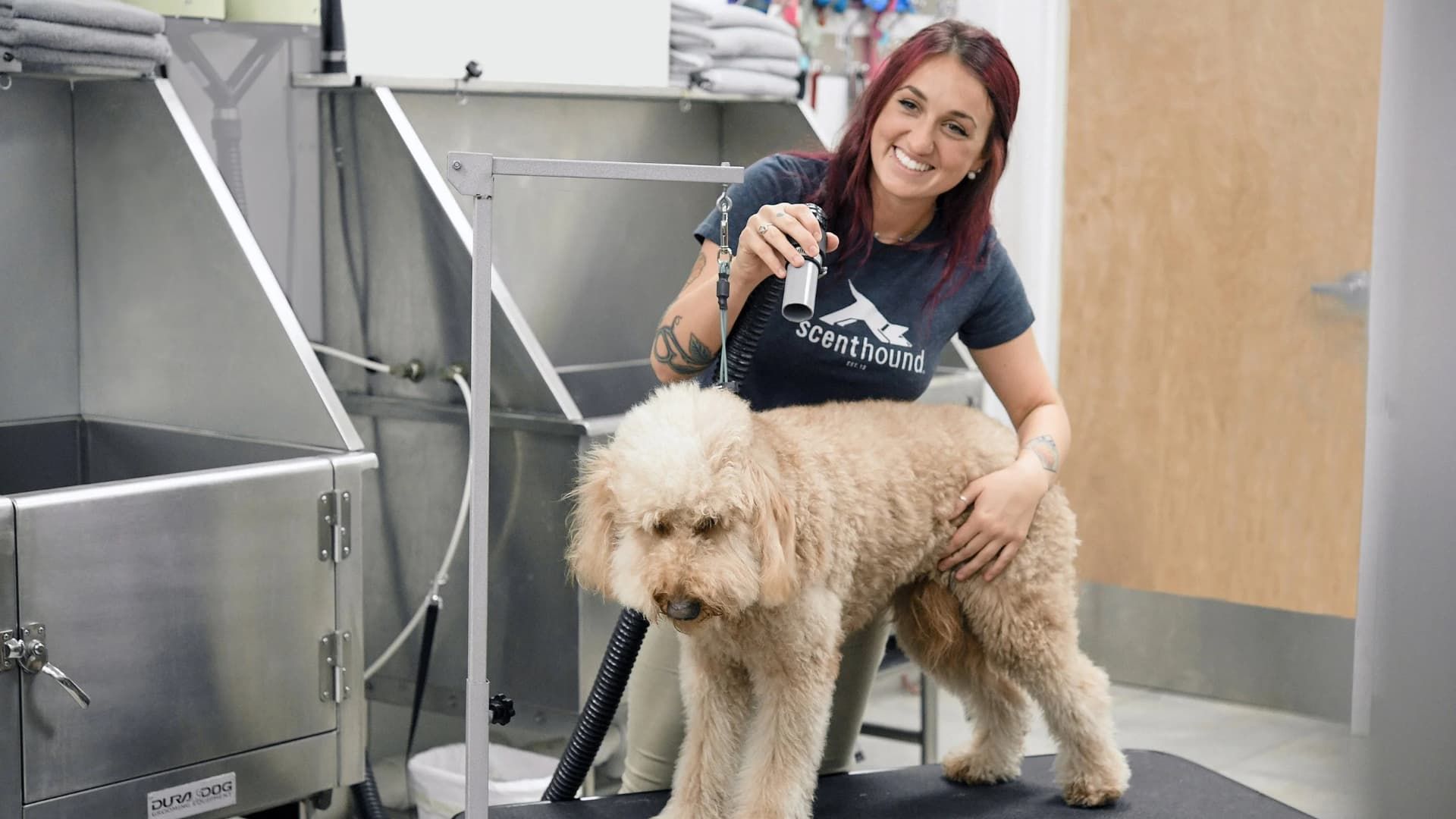
The owner-operator franchise model places the franchisee at the center of daily operations. In this structure, the owner works inside the business each day, leading customer service, overseeing operations, managing frontline staff, and driving local marketing efforts. This hands-on approach is popular with first-time entrepreneurs, career changers, and individuals who want direct involvement in how their business delivers value to customers.
Where Owner-Operator Models Are Most Common.
Many franchise categories rely on active daily leadership, making the owner-operator structure especially common in:
- Home services
- Food service and quick-serve restaurants
- Fitness studios and boutique gyms
- Mobile and vehicle-based services
- Children’s enrichment and education programs
These sectors often benefit from on-site leadership, direct customer engagement, and real-time decision-making.
Typical Responsibilities.
Owner-operators handle scheduling, customer service, hiring and training, workflow oversight, and local marketing. Their involvement keeps operations running smoothly and builds strong community presence.
Who Is a Strong Fit?
This model suits people who enjoy structured routines, hands-on leadership, daily customer interaction, and building culture from the ground up.
Want help determining your leadership fit? Take the Zorakle Assessment: Zorakle Behavioral Assessment
The owner-operator model offers unmatched control and connection to your business, but also requires full-time commitment and balanced workload management. It’s an excellent starting point for first-time franchisees who want to learn the business from the inside out.
Executive or Semi-Absentee Franchise Model.
The executive or semi-absentee franchise model is designed for owners who want to lead the business strategically rather than manage daily operations. In this structure, the franchisee hires a General Manager (GM) or leadership team to run the day-to-day activities, while the owner focuses on high-level decision-making, financial oversight, and long-term growth.
Executive franchising is often referred to as semi-absentee ownership, where the owner typically invests 10–20 hours per week instead of working full-time in the business. This model is especially popular with corporate professionals, investors, and multi-unit operators who want to expand their portfolio or maintain flexibility while building a business.
How This Model Works.
Owners in this model provide strategic direction while ensuring the business remains aligned with brand standards and performance metrics. Responsibilities commonly include:
- Hiring and managing the General Manager
- Supervising financial performance and reviewing key reports
- Approving budgets and major expenses
- Establishing expectations and coaching the leadership team
- Attending scheduled check-ins with the GM
- Reviewing KPIs and dashboards weekly
- Ensuring compliance with franchisor processes and brand standards
The focus is on leadership, accountability, and financial stewardship—not frontline operations.
Who Is a Strong Fit?
Corporate professionals, investors, and multi-unit owners often prefer this model because it prioritizes delegation, system management, and scalability.
Common Trade-Offs.
Executive owners rely heavily on strong hiring decisions and disciplined oversight. Payroll is higher due to management salaries, and accountability systems must be strong to maintain performance.
Learn how executive models operate in real franchises through the FBA Webinar Series: Franchise Webinar Series
For owners who enjoy leadership and high-level decision-making, the semi-absentee model offers freedom, scalability, and long-term growth potential.
Hybrid Franchise Model.
A hybrid model blends the best of both worlds, allowing you to start hands-on and transition into an executive role as your business grows. Many first-time owners choose this path to develop strong operational foundations before stepping back.
How Hybrid Models Work.
You initially operate as an owner-operator, learning systems, hiring your first staff, and building culture. Once stable, you shift into an oversight model while delegating daily operations to a GM or lead technician.
Who Benefits Most?
This model is ideal for owners who eventually want flexibility but prefer starting with full operational knowledge.
Hybrid models provide a clear transition path to semi-absentee ownership, making them a strong choice for owners who value both mastery and long-term freedom.
How Daily Responsibilities Differ Between Models.
Daily routines vary significantly between franchise ownership models. Owner-operators are deeply involved in frontline activities and operational execution, while executive or semi-absentee owners focus on leadership, performance metrics, and strategic decision-making. Understanding these differences helps future franchisees match a model to their preferred work style and weekly rhythm.
Owner-Operator: Daily Focus Areas.
Owner-operators spend most of their time directly engaged in business operations. Their day typically centers around:
- Delivering services or overseeing customer interactions
- Managing the customer experience on-site or in the field
- Supervising staff in real time
- Maintaining quality control and brand standards
- Conducting local outreach, networking, and grassroots marketing
This hands-on approach keeps the owner close to customers, employees, and daily performance.
Executive/Semi-Absentee: Daily Focus Areas.
Executive and semi-absentee owners concentrate on leadership and high-level oversight rather than direct service. Their daily activities often include:
- Leading and supporting the General Manager
- Making decisions based on data, dashboards, and performance summaries
- Supervising budgets and financial priorities
- Ensuring operational compliance with franchisor standards
- Reviewing KPIs and performance trends on a weekly cadence
This structure provides flexibility while maintaining accountability and strategic direction.
For examples of how owners structure their days, explore FranPath Live, featuring real franchise operator interviews: FranPath Live
By comparing these daily expectations, you’ll gain clarity about which lifestyle suits you and what level of involvement feels most natural.
Key Franchise KPIs You’ll Monitor.
Both owner-operator and executive franchise models rely on Key Performance Indicators (KPIs) to monitor operational health. While the specific metrics are similar across models, the cadence and depth of involvement differ. Owner-operators tend to review KPIs throughout the day to keep operations running smoothly, while executive or semi-absentee owners focus on trend-based, weekly insights presented through dashboards and leadership reports.
A KPI is an operational indicator—not an earnings claim. KPIs measure performance, efficiency, or compliance and help owners understand whether the business is running according to brand standards and operational expectations.
Common KPI Categories Across Franchise Models
Regardless of ownership style, most franchise systems track KPIs in the following areas:
- Appointment volume or daily transactions
- Customer satisfaction indicators, such as reviews or Net Promoter Score (NPS)
- Staffing fulfillment and shift coverage
- Cycle time or service delivery time
- Inventory levels or field readiness supplies
- Adherence to brand standards and operational checklists
- Safety and compliance metrics
- Employee training and certification completion
- Cost control indicators, often measured qualitatively (labor efficiency, supply usage, waste reduction)
These metrics help owners evaluate consistency, quality, and operational alignment—not financial performance.
How KPI Cadence Differs by Ownership Model
The rhythm of KPI monitoring depends on how involved the owner is in daily operations:
Owner-Operator: Tracks several KPIs in real time, often multiple times per day. This helps the owner respond quickly to staffing issues, customer feedback, service delays, or workflow bottlenecks.
Executive or Semi-Absentee Owner: Reviews a weekly dashboard or report, typically prepared by the General Manager or provided through the franchisor’s technology platform. The focus is on trends, process adherence, and overall performance—not minute-by-minute activity.
Franchisor Support for KPI Monitoring
Most franchise systems provide structured KPI tools, such as:
- Standardized dashboards.
- Reporting templates.
- Operational scorecards.
- Management checklists.
Because KPIs reveal how well your business follows the brand system, understanding them early helps you stay aligned with expectations. A strong franchisor provides dashboards, templates, and coaching to support your success.
Franchise Staffing Needs & Team Structure.
Staffing is one of the biggest differences among different franchise business models. Team size and management structure directly affect payroll, workload, and your role in the business.
Owner-Operator Staffing.
Small teams of 1–5 employees, flexible cross-training, and owner-led hiring and coaching.
Executive/Semi-Absentee Staffing.
A GM manages 3–15 frontline employees, schedules, hiring, onboarding, and training. Owners focus on leadership, culture, and financial oversight.
👉 To estimate payroll and staffing costs, try the FBA Franchise Financial Calculator:
Franchise Financial Calculator
Understanding staffing needs helps you prepare for hiring challenges, labor costs, and long-term team development.
Lifestyle Differences Between Franchise Models.
Your lifestyle as a franchise owner depends heavily on your ownership structure. Each model supports different levels of flexibility, travel, community involvement, and daily engagement.
Owner-Operator Lifestyle.
Hands-on work, consistent routines, high customer interaction, and deep involvement in daily operations.
Executive/Semi-Absentee Lifestyle.
Greater autonomy, remote oversight, flexible scheduling, and more time for other businesses, family, or travel.
Your desired lifestyle should guide your model selection just as much as your business goals and financial expectations.
Franchisor Support Across Different Franchise Models.
Franchisor support is a core advantage of the franchise industry. Strong franchise systems offer structured training, operational tools, and ongoing guidance designed to help both hands-on owner-operators and executive or semi-absentee owners succeed. While the foundational support elements are consistent across models, the depth, format, and emphasis often differ based on how involved the owner will be in daily operations.
Support Most Franchisors Provide.
Across industries and business types, reputable franchise systems typically include:
- Pre-opening planning and buildout support
- Comprehensive operating manuals and process documentation
- Staff training programs, including onboarding and skills development
- Marketing launch frameworks for opening and early growth
- Approved vendor networks for consistent supplies and services
- KPI dashboards and reporting tools
- Business coaching calls with franchisor support teams
- Field support visits to refine operations and improve performance
These support components help owners maintain brand standards, improve operational consistency, and build strong systems from the beginning.
Support Differences by Ownership Model.
While both owner-operator and executive owners receive full system support, the focus differs based on the owner’s role:
Owner-Operator Model.
Training is typically more hands-on, emphasizing:
- Day-to-day operations
- Customer service execution
- Local marketing activities
- Hiring, scheduling, and frontline leadership
- Quality control and service delivery
This model requires detailed operational preparation since the owner is directly involved.
Executive or Semi-Absentee Model.
Support is shaped around leadership and oversight, often focusing on:
- Hiring and managing a General Manager or leadership team
- Reviewing financial reports and KPIs
- Coaching and accountability frameworks
- High-level strategic planning
- Building culture through systems, not daily presence
Franchisors often provide tools to help executive owners stay aligned through dashboards, check-ins, and structured reporting.
👉 Learn more about franchisor support through the FBA Franchise Webinar Series:
Franchise Webinars
A strong franchisor equips you with the systems and coaching needed to operate confidently. Understanding how each model is supported helps you choose a brand aligned with your strengths.
Checklist: Choosing the Right Franchise Model.
Use this checklist to compare your strengths, time availability, management preferences, and long-term goals. It’s designed to help you evaluate which model naturally fits your personal and professional profile.
1. Time & Availability.
- I want to work full-time in the business.
- I can commit 40+ hours per week to daily operations.
- OR — I prefer a part-time (10–20 hour) oversight role.
- I want a schedule that allows flexibility for other commitments.
2. Leadership Style.
- I prefer to manage people daily and stay engaged with frontline work.
- I prefer to lead through a General Manager or leadership team.
- I enjoy coaching, accountability conversations, and culture-building.
3. Work Preferences.
- I enjoy hands-on tasks and face-to-face customer service.
- I prefer strategy, planning, and high-level decision-making.
- I feel comfortable delegating responsibilities and outcomes to others.
4. Team Management Approach.
- I want to personally hire, train, and develop the team.
- I prefer to hire one strong GM who handles most staffing decisions.
- I enjoy building systems more than performing daily tasks.
5. Lifestyle Fit.
- I want structure, predictability, and a consistent daily routine.
- I want flexibility, time autonomy, and travel-friendly ownership.
- I want a lifestyle that aligns with my personal and professional goals.
6. Financial & Operational Comfort.
- I’m comfortable managing daily operations and in-the-moment decisions.
- I’m comfortable reviewing dashboards, budgets, and KPIs weekly.
- I want operational clarity and support from an established brand.
7. Long-Term Goals.
- I want one strong location that I manage directly.
- I aim for multi-unit ownership, regional expansion, or a franchise portfolio.
- I want a scalable model that supports long-term growth.
Speak with a trained franchise specialist for personalized guidance: FBA Franchise Consulting
The right model should align with your strengths and lifestyle—not force you into a work style that doesn’t suit your natural tendencies.
FAQ: Common Questions About Different Franchise Models.
Below are answers to common questions from franchise buyers evaluating ownership structures. These clarifications help you set accurate expectations and make informed decisions.
1. Are owner-operator models cheaper to start?
Not always—costs vary by industry, equipment, vehicles, and buildout. Review Item 7 of the FDD for accurate investment ranges.
2. Can a franchise be fully absentee?
Fully absentee ownership is extremely rare. Most franchisors require active oversight, even with a GM in place.
3. Can I start as an owner-operator and switch to semi-absentee later?
Yes. This transition is common once staffing and systems stabilize.
4. Do franchisors support semi-absentee owners?
Yes. Many provide GM hiring tools, leadership coaching, dashboards, and reporting systems.
5. How do I know which model is right for me?
Work with a trained consultant or take the Zorakle Assessment to identify your natural ownership fit.
Which Franchise Model Fits Your Goals?
Choosing between owner-operator, executive, and hybrid franchise structures is a foundational step in your franchise journey. Each model offers a different daily experience, leadership role, and growth pathway—so understanding these differences early positions you for success.When you’re ready to explore opportunities aligned to your goals, the Franchise Brokers Association provides expert guidance, assessments, financial tools, and a curated franchise portfolio. Start exploring today: Find Franchises