


Choosing a franchise can make sense if you want to own a business with a proven playbook and an established brand, while still building your own asset over time. Instead of starting from scratch, you’re following a structured path into business ownership—operating a “business asset” that you can grow, and potentially sell one day, after you’ve already built solid financial foundations like budgeting, saving, retirement accounts, and an emergency fund.
For many entrepreneurs and career changers, franchising becomes one of the later steps in a long-term wealth plan. It can be a powerful tool, but it still involves risk, contracts, and ongoing work, so thorough due diligence is essential.
This article is for informational and educational purposes only and is not legal, financial, or tax advice. Always consult qualified professionals and carefully review the franchisor’s Franchise Disclosure Document (FDD) before making any decisions.
What are the key takeaways on why choose a franchise?
Many entrepreneurs choose franchising because it blends business ownership with a proven model, defined support, and brand recognition—while still giving them local control of their operation. At the same time, franchising is not passive or guaranteed; it requires capital, time, and ongoing management.
Key takeaways at a glance:
- Wealth is a progression: Franchising usually makes sense after you’ve built basic savings, an emergency fund, and retirement contributions.
- Franchising adds a business asset: A franchise can sit alongside real estate or other businesses as part of your long-term asset base.
- You’re buying a system, not just a logo: The real product is the operating system, training, and ongoing support.
- Control is local, rules are system-wide: You control your local team and customers but must follow brand standards and contracts.
- Tax and structure can matter: Business ownership may offer tax and structuring advantages; your CPA can explain how they apply to you.
- The FDD is your roadmap: The FDD explains costs, fees, obligations, and key legal terms; it is your primary review document.
- Professional guidance helps: A franchise broker, attorney, and CPA can help you compare franchise options and avoid common mistakes.
For more educational insight into how franchising works, you can explore the FBA education blog.
What does “building wealth” really mean, and where does franchising fit?
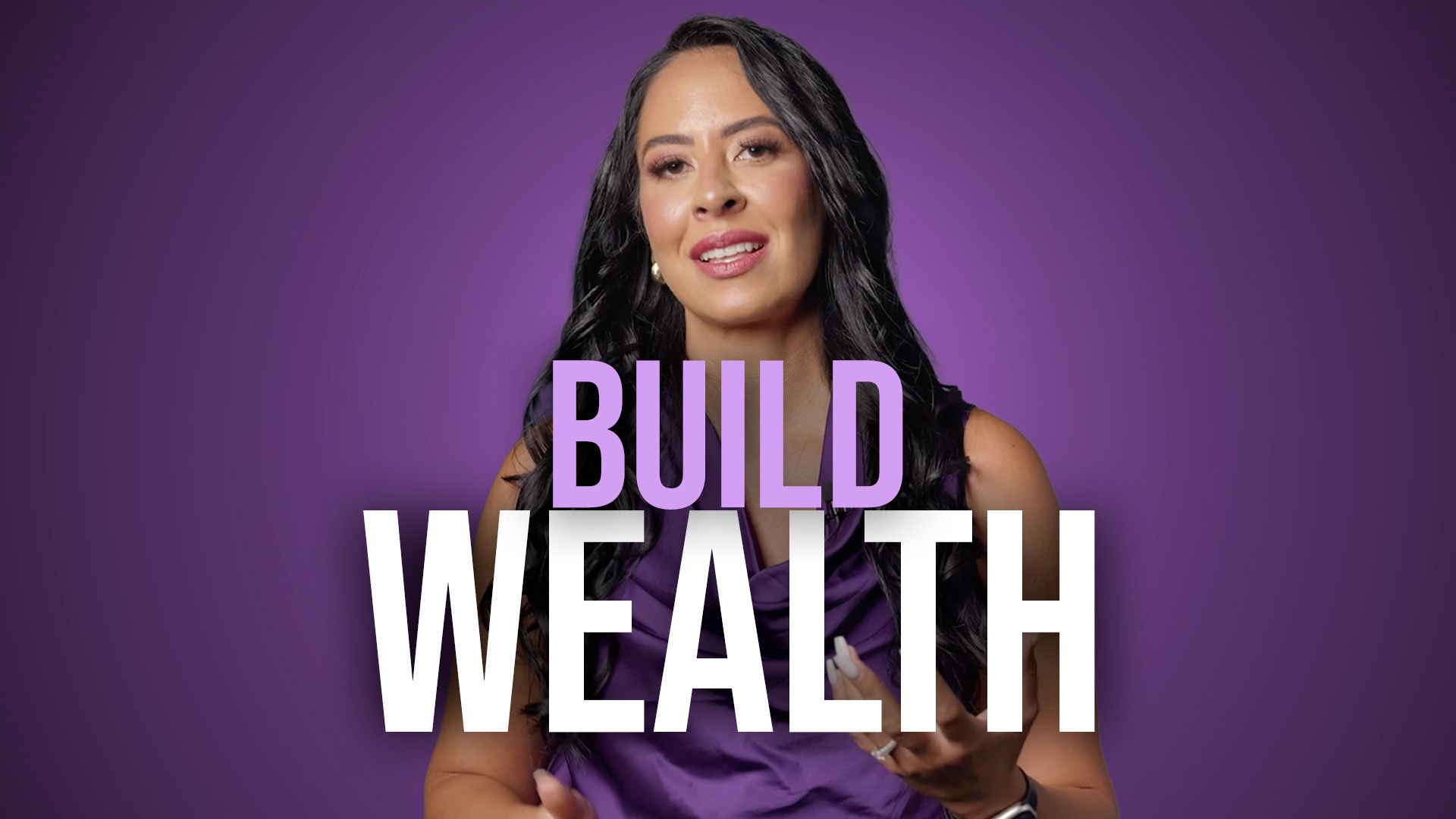
Building wealth is a step-by-step process, not a single decision. The video you provided starts from a young person’s point of view: first manage lifestyle and spending, then build an emergency fund, then contribute to retirement plans like 401(k)s or IRAs. Only after those elements are in place do most people consider larger, risk-bearing assets such as real estate or a business.
In that model, a franchise is an “accumulating asset.” It’s an operating business you can improve over time, and—subject to the franchise agreement—may eventually sell or transfer. Unlike a mutual fund, it requires your active involvement in areas like leadership, customer service, and local marketing.
The video also highlights tax-advantaged accounts as a foundational step. These accounts may offer tax deferral or tax-free growth, which can make a meaningful difference over decades. The exact benefit depends on your tax bracket, your contributions, and your investment choices, which is why individual advice is important.
For entrepreneurs and career changers, franchising usually fits after you have basic financial stability and are ready to take on a more hands-on, risk-bearing asset, franchising is usually a later-stage tool in your wealth strategy, not the first move.
Why might an entrepreneur choose a franchise instead of starting from scratch?
An entrepreneur might choose a franchise when they want the benefits of business ownership but prefer to follow a tested model rather than build everything from the ground up. Franchising is especially appealing if you value structure, training, and brand support in exchange for ongoing fees and some loss of creative freedom.
Common reasons entrepreneurs choose franchising include:
- Proven business model: You follow an operating system that has already been tested in multiple markets.
- Brand recognition: Customers may already know and trust the brand, which can help with early traction.
- Training and onboarding: New owners usually receive structured training on operations, marketing, and technology.
- Ongoing support: Field support, coaching, and marketing tools can help you address challenges as you grow.
- Peer learning: You can speak with existing franchisees during due diligence to hear real-world experiences.
Franchising is also regulated. Under the FTC Franchise Rule, franchisors must provide an FDD before you pay or sign. That document gives you a standardized set of disclosures so you can compare opportunities and evaluate risks more clearly.
If you’re trying to decide whether a franchise model or a completely independent start-up is a better fit, you can connect with an FBA broker to talk through your goals and constraints.
How can a franchise support your long-term wealth-building strategy?
A franchise can support a long-term wealth strategy by giving you a structured way to own and operate a local business, but results vary and nothing is guaranteed. The video emphasizes that business ownership, including franchising, can be a powerful tool for people who want more control over their financial path, but that is always paired with risk and responsibility.
Here are ways a franchise may fit into your overall plan:
- You direct the local operation: You make daily decisions about hiring, customer service, and local marketing within brand standards.
- You build a business asset: Over time, and subject to franchisor approval, you may be able to sell or transfer your unit(s).
- You may access business structures: Many owners work with CPAs to explore how to structure the business, track expenses, and plan for taxes.
- You can diversify later: Some owners eventually open multiple locations or invest in different brands, spreading operational and market exposure.
It is important to keep this perspective:
- A franchise is not guaranteed to perform better than any other investment.
- A franchise is not a promise of any particular income, return, or timeline.
- Franchising is not appropriate for everyone; it may or may not align with your risk tolerance and lifestyle goals.
A helpful mindset is to view a franchise as one possible tool within a broader strategy that includes savings, investing, and possibly real estate. To explore which industries and models might fit your goals, you can use the FBA franchise search.
What should you review in the FDD and with advisors before you choose franchising?
Before you decide that franchising is the right business opportunity, you should carefully review the FDD and involve independent advisors. The FDD is a standardized document with 23 sections (“Items”) that explain the system, costs, and legal framework of the franchise.
Key areas to pay attention to include:
- Items 5–7 (fees and initial investment): These sections outline initial fees, ongoing royalties, and the expected range of start-up costs.
- Item 11 (franchisor’s obligations): This section explains what training, technology, marketing, and ongoing support the franchisor provides.
- Item 12 (territory): Here you learn whether you have a protected territory, how it is defined, and under what conditions it can be changed.
- Item 17 (renewal, termination, transfer): This section describes what happens when your term expires, how you might exit, and what fees or approvals are involved.
- Item 19 (financial performance representations): If the franchisor chooses to provide historical financial data, it will appear here in a regulated format. This data should always be reviewed with a CPA or other qualified professional.
Because franchising involves contracts and regulatory rules, a franchise attorney can help you interpret the FDD and franchise agreement. A CPA can help you build educational cash-flow models, understand breakeven concepts, and think through tax implications. Their guidance complements your own research and conversations with the franchisor and franchisees.
What questions should you ask before you choose franchising as a business opportunity?
The most important insights often come from conversations, not brochures. Before choosing a franchise, ask targeted questions to both the franchisor and current franchisees so you can understand what the business is really like.
Questions for the franchisor:
- What does a typical franchise owner’s week look like in terms of hours and responsibilities?
- How would you describe your ideal owner’s background, skills, and mindset?
- What specific training and support do owners receive before opening and during the first year?
- How many franchisees have left the system in the last three to five years, and what were the common reasons?
- How do you communicate system changes, such as new technology or updated brand standards, to franchisees?
Questions for current franchisees:
- What surprised you most about running this business after you opened?
- How would you describe the franchisor’s support and communication in practice?
- What do you wish you had known before signing your franchise agreement?
- How does this business affect your lifestyle, family time, and stress levels?
- Would you make the same decision again? Why or why not?
By asking these questions, you move from a general idea—“Why choose a franchise?”—to a specific understanding of whether this franchise model and support structure align with your personal priorities.
You can also refer to educational resources from organizations like the FTC and SBA, as well as the FBA education blog, for more checklists and due diligence frameworks.
FAQ: Common questions about why choose a franchise to build wealth.
Why would a person choose to buy a franchise instead of a non-franchise business?
Many people choose a franchise because they want the structure of a proven system and the strength of an established brand. Buyers of independent businesses, by contrast, often prefer full flexibility and fewer external rules, even if that means less system-wide support.
Why would someone choose to start a franchise business as a career changer?
Career changers often see franchising as a bridge between corporate life and entrepreneurship. They can apply their existing skills—such as management, sales, or operations—inside a ready-made business model, rather than designing every process from scratch.
Why might an entrepreneur choose to open a business franchise instead of creating a new concept?
Some entrepreneurs prefer franchising when they want to move faster into the market, use established branding, and rely on tested systems. Building a new concept can offer more creative freedom, but often requires more experimentation, more time, and more uncertainty in the early stages.
Is franchising only for people who already have a lot of money saved?
Franchising typically requires a meaningful amount of capital, but not only high-net-worth individuals consider it. Different brands have different minimum liquidity and net-worth requirements, and some buyers use a mix of savings, partners, and financing. A lender and CPA can help you evaluate what is realistic in your situation.
Can franchising guarantee that I’ll build wealth faster than traditional investing?
No. Franchising is a business decision, not a guarantee. Outcomes depend on many factors, including your management, the franchise system, local market conditions, and overall economic trends. Franchising should be considered alongside other financial strategies, not as a guaranteed shortcut.
Is choosing a franchise to build wealth the right move for you?
Choosing a franchise can be a strong fit if you’re ready for hands-on ownership, have your personal finances in good order, and are comfortable balancing brand rules with local decision-making. If you prefer passive investments, minimal risk, or complete creative freedom, other paths may be more suitable.
If you’re seriously considering franchising, you can:
- Evaluate your foundations: Confirm that your budgeting, savings, and retirement plans are stable before adding business risk.
- Clarify your lifestyle vision: Think about your desired schedule, your family needs, and how you handle stress and responsibility.
- Study the FDD with advisors: Work with a franchise attorney and CPA to understand all obligations, fees, and risk factors.
- Speak with several franchisees: Get candid feedback about daily realities, support quality, and long-term satisfaction.
Franchising is ultimately about alignment—between you, the brand, and your long-term goals.
Ready to take the next step? The Franchise Brokers Association is here to help guide you on your journey into the franchise world.