

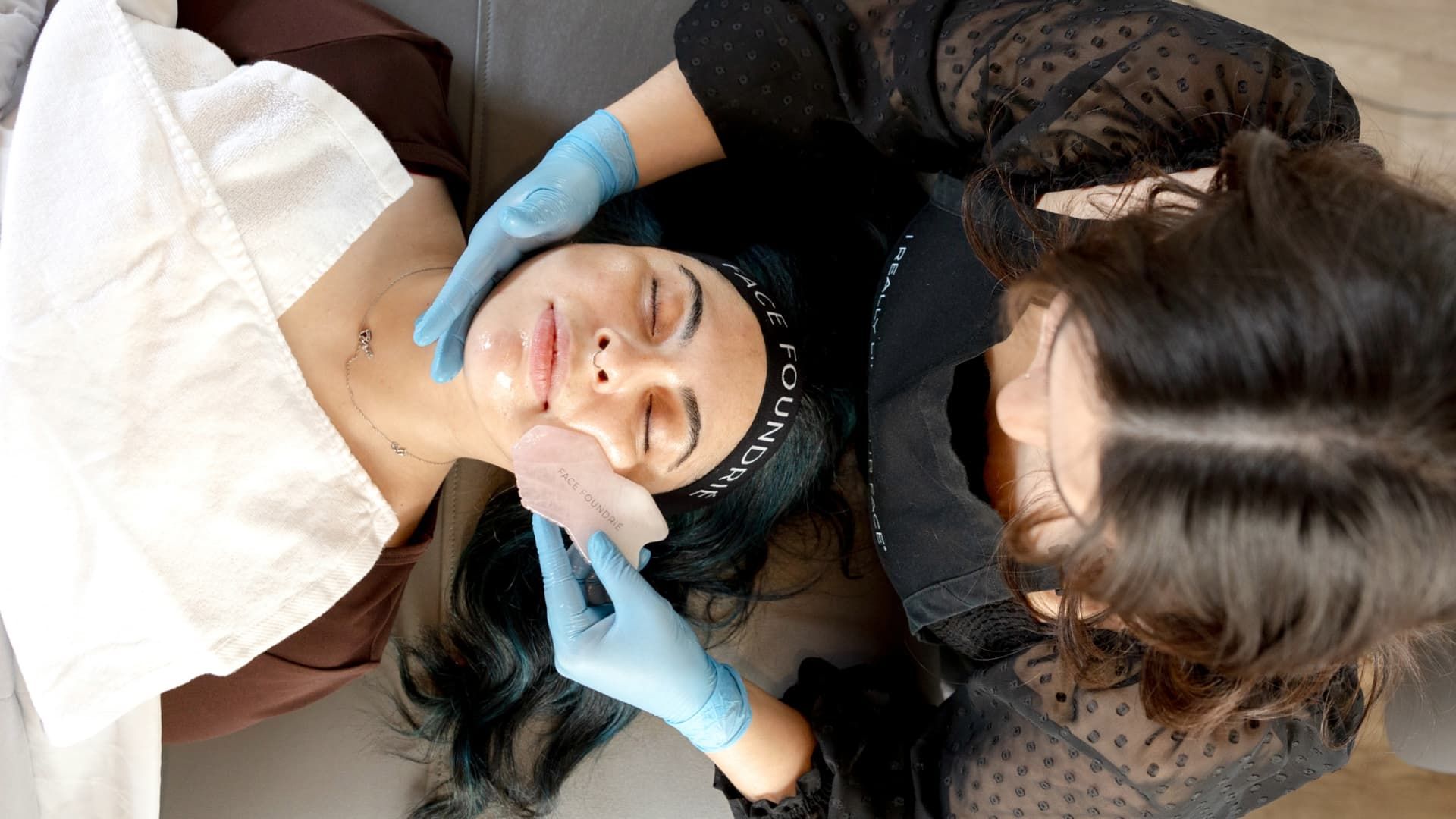
A Face Foundrie franchise is a focused facial bar concept in the beauty and wellness category that offers short-format facials, waxing, and skincare products in a modern retail setting.
This review explains how the model works, what it costs to open, how support and territory structure are handled, and which candidates are most likely to fit the owner role well.
Face Foundrie is positioned as a streamlined, retail-based skincare concept rather than a broad salon or traditional spa. For prospective franchisees, the most important questions are usually practical: startup costs, day-to-day responsibilities, staffing, training depth, and whether the operating model matches their experience and time commitment.
This article is sponsored by Face Foundrie and was created in partnership with the brand to provide accurate, compliance-safe information about its business model and franchise opportunity. Nothing in this article should be considered legal, financial, or tax advice.
Prospective franchisees should always review the most recent Franchise Disclosure Document (FDD) with qualified advisors before making an investment decision.
Key facts at a glance.
- Founded: 2019; franchising since 2021.
- Headquarters: Eden Prairie, Minnesota.
- Approximate unit count: about 70 locations open system-wide, including roughly 65 franchised and 5 corporate locations.
- Category and format: beauty and wellness; focused facial bar in roughly 1,400–2,200 square feet of retail space.
- Core services: 20–50 minute facials, waxing, brows, lashes, and skincare retail, supported by AI-based skin diagnostics and protocol-driven treatments.
- Owner profile snapshot: hands-on owner-operator or multi-unit developer with strong people leadership, operations, and marketing skills; no esthetics license required to own.
- Training highlight: multi-stage program combining virtual coursework and in-person training at headquarters for owners, managers, and key service staff.
- Territory note: franchisees receive a defined geographic territory, with protection and performance expectations laid out in the franchise agreement and disclosure documents.
Who owns Face Foundrie, and how did the brand get started?
Face Foundrie is a founder-led facial bar franchise owned and franchised through Face Foundri Franchising L.L.C., a Minnesota-based company formed to expand the brand through franchising. The concept was created by founder and CEO Michele Henry, who brought prior multi-location retail experience into the beauty space to build a more accessible, protocol-driven skincare model.
Henry launched the first Face Foundrie location in Edina, Minnesota in 2019 after seeing a gap between at-home skincare and more expensive spa and med spa formats. The idea was to combine professional-grade treatments, consistent protocols, and a modern environment with a price point that makes regular visits realistic for more people. Early response from clients—repeat visits, memberships, and strong word-of-mouth—confirmed that the focused facial bar model filled a real need, which paved the way for broader growth and the current franchise system.
Today, the franchisor works alongside parent and affiliate entities that support management, technology, and branded products, while Henry continues to lead the brand’s strategic direction. Candidates should still confirm the most current leadership and ownership details during the formal discovery process and by reviewing the latest legal documents.
How much does it cost to open a Face Foundrie franchise?
Opening a Face Foundrie franchise requires a meaningful brick-and-mortar investment. The brand’s current disclosure materials estimate that the total initial investment to open one location ranges from $365,370 to $621,800, depending on local real estate, build-out, equipment, and launch choices. The first table below breaks that startup range into the main cost buckets a candidate is most likely to evaluate early in the process.
Startup Costs & Fees.
| Type of Expenditure | Low | High |
|---|---|---|
| Background Check Fee | $200 | $600 |
| Initial Franchise Fee | $50,000 | $50,000 |
| Accounting System Set-Up Fee & Lease Rider Legal Review Fee | $500 | $1,250 |
| Rent and Security Deposit | $8,020 | $32,000 |
| Architectural Plans and Permits | $16,000 | $22,000 |
| Leasehold Improvements | $50,000 | $155,000 |
| Furniture, Fixtures and Equipment | $45,000 | $55,000 |
| Initial Opening Package | $56,400 | $88,900 |
| Initial Technology Expenses | $9,000 | $11,500 |
| Signage | $5,000 | $18,700 |
| Initial Training Expenses | $16,500 | $26,900 |
| Grand Opening Advertising | $30,000 | $60,000 |
| Licenses and Permits | $1,800 | $4,600 |
| Professional Fees | $2,500 | $5,000 |
| Insurance | $1,000 | $3,350 |
| Supplies | $750 | $1,500 |
| Miscellaneous | $1,500 | $4,000 |
| Extension Fee | $0 | $2,500 |
| Additional Funds – For Initial 3 Months of Operation | $71,200 | $79,000 |
| TOTAL ESTIMATED INITIAL INVESTMENT | $365,370 | $621,800 |
The biggest cost drivers are usually leasehold improvements, the initial opening package, grand opening advertising, furniture and equipment, and the additional funds reserve for the first three months. Real estate terms and construction conditions can move the final budget meaningfully even within the published range.
After startup, the next layer to understand is the recurring fee structure. The table below focuses on the four ongoing obligations that are most likely to affect monthly unit economics and operating discipline.
Ongoing fees and system contributions.
Taken together, these ongoing fees matter because they shape the cash demands of the business after opening, not just the upfront investment. For most candidates, the royalty, brand fund contribution, local marketing requirement, and technology fee are the clearest recurring obligations to model when stress-testing studio economics.
What tends to move the total up or down?
The total investment for a Face Foundrie facial bar can vary widely, even within the published range. Key drivers include:
- Real estate costs: Rent levels, security deposits, and landlord improvement allowances can shift the project significantly.
- Construction and finish: Local contractor pricing, permitting requirements, and finish-level choices all affect build-out spend.
- Equipment and layout: Optional upgrades and local design adjustments can move equipment and opening-package totals.
- Local labor environment: Wage expectations for managers, estheticians, and front-desk staff influence early working-capital needs.
- Launch marketing strategy: A more aggressive grand opening campaign may increase pre-opening and early marketing outlays.
- Cash cushion: Some owners prefer a larger reserve for the first few months, budgeting above the lower end of the range.
Many candidates use a franchise financial calculator to pressure-test lease, payroll, and launch assumptions before making a decision.
What is Face Foundrie’s business model, and what do day-to-day operations look like?
Face Foundrie operates a focused facial bar model in the beauty and wellness category. Each studio combines short-format skincare services, retail product sales, and a membership-based relationship with clients inside a compact retail footprint.
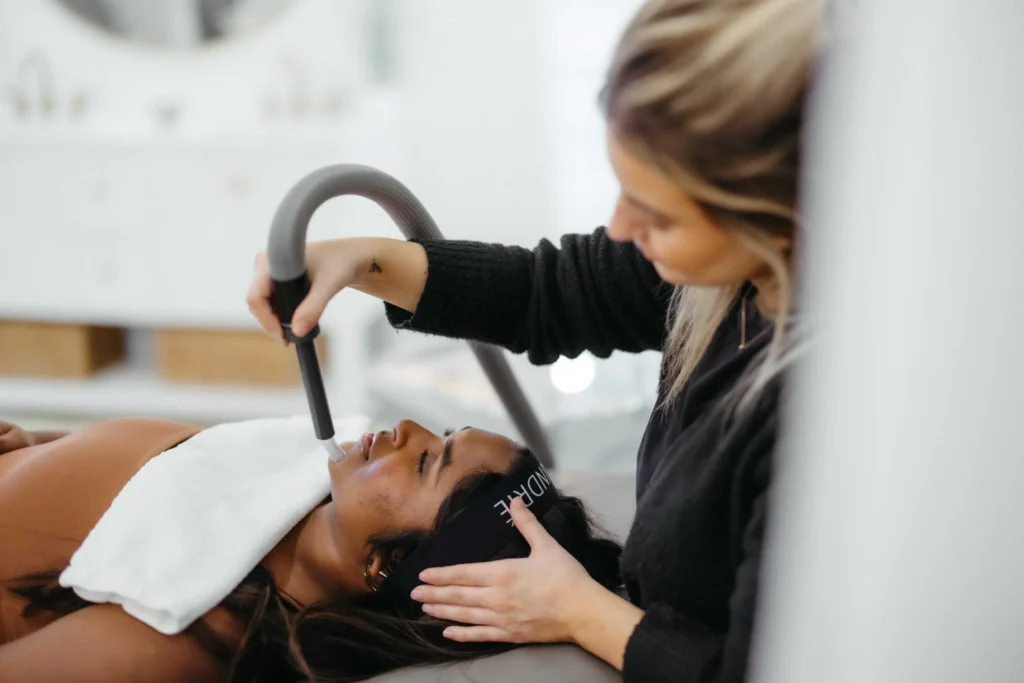
A typical location offers 20–50 minute facials, waxing, and skincare products in a modern, standardized environment. Services are delivered using protocol-driven treatment menus and AI-based skin diagnostics designed to support consistency across locations. Operationally, this is a retail-based, team-led concept with a required Salon Manager or General Manager handling day-to-day floor execution while the owner remains actively involved in running the business.
The model is not structured as a passive or “hands-off” investment. It depends heavily on customer experience, staff consistency, local awareness, and reliable execution of systems in a neighborhood retail setting.
What does a typical day look like for an owner-operator?
For an owner-operator, a typical day is built around leadership, local marketing, team development, and operational follow-through rather than performing treatments personally. Even when a manager handles much of the floor supervision, the owner is expected to stay closely engaged in the business.
Common daily and weekly activities include:
- Staffing and team management: Interviewing, hiring, coaching, and retaining estheticians, reception staff, and key leaders.
- Service quality checks: Tracking guest feedback, monitoring protocol compliance, and reinforcing service standards.
- Sales and memberships: Monitoring membership growth, retail attachment behavior, and promotions, then coaching the team accordingly.
- Scheduling and logistics: Coordinating labor coverage, managing treatment room flow, supply ordering, and shift performance.
- Local marketing execution: Overseeing social media, local events, partnership outreach, and neighborhood awareness tactics.
- Administrative rhythms: Reviewing dashboards, responding to franchisor requests, and tracking studio-level KPIs.
Candidates who want a clearer picture of what franchise ownership actually looks like often benefit from a join a franchise webinar session before narrowing their short list.
What training, support, and technology does the franchisor provide?
Face Foundrie offers a structured support system that includes initial training, ongoing coaching, operating resources, and required technology tools. The goal is to help franchisees open consistently and then run the business through repeatable systems and measurable performance.
Support and systems overview.
| Support Area | Details |
|---|---|
| Initial Training | Approximately 118 hours, combining virtual coursework and in-person instruction for owners, one manager, and two estheticians. |
| Ongoing Training | Access to virtual training for multiple roles, successor and replacement manager training, and customized training as needed. |
| Field Support | Continuing contact with operations support, including regular check-ins and access to corporate resources. |
| Manuals / SOPs | Franchise portal with operating materials, hiring tools, service updates, merchandising information, and studio guides. |
| Technology Platform | Analytics tools, digital marketing systems, project management tools, and AI-based skin diagnostic devices. |
| Marketing Support | Templates, request systems, and support for local execution and grand opening coordination. |
In practice, franchisees can expect:
- A mix of virtual and in-person training leading up to launch.
- Ongoing access to support personnel and operational guidance once open.
- Centralized system resources through a digital portal and operating manuals.
- A required technology stack for reporting, analytics, marketing, and diagnostics.
- Structured marketing guidance and templates for grand opening and ongoing local campaigns.
What should you confirm during due diligence?
Due diligence is where a candidate moves from presentation to practical decision-making. This is the stage to verify how the model performs in real markets, what support feels like in day-to-day operations, and what the owner role truly demands.
Questions worth asking include:
- How deep and how long is the initial training program, and who can attend?
- What does ongoing field support look like after launch in terms of cadence and format?
- What technology is required, and what are the expected ongoing costs?
- How are territories defined, and what performance standards apply?
- What are the renewal, transfer, and exit terms for franchisees?
- What assumptions underlie the initial investment estimates?
- Does the current FDD include Item 19 financial performance information, and what does it cover?
- Can you speak directly with current and former franchisees in markets similar to your own?
For broader ownership education before or during discovery, many candidates also join FranPath Live to hear structured conversations around franchise research and due diligence.
How do territories, real estate, and equipment requirements typically work?
Face Foundrie is a brick-and-mortar retail concept, so territory definitions, real estate decisions, and equipment purchases all matter early in the process. Franchisees operate within a defined location-based model rather than a mobile or home-based structure.
What real estate profile is typical?
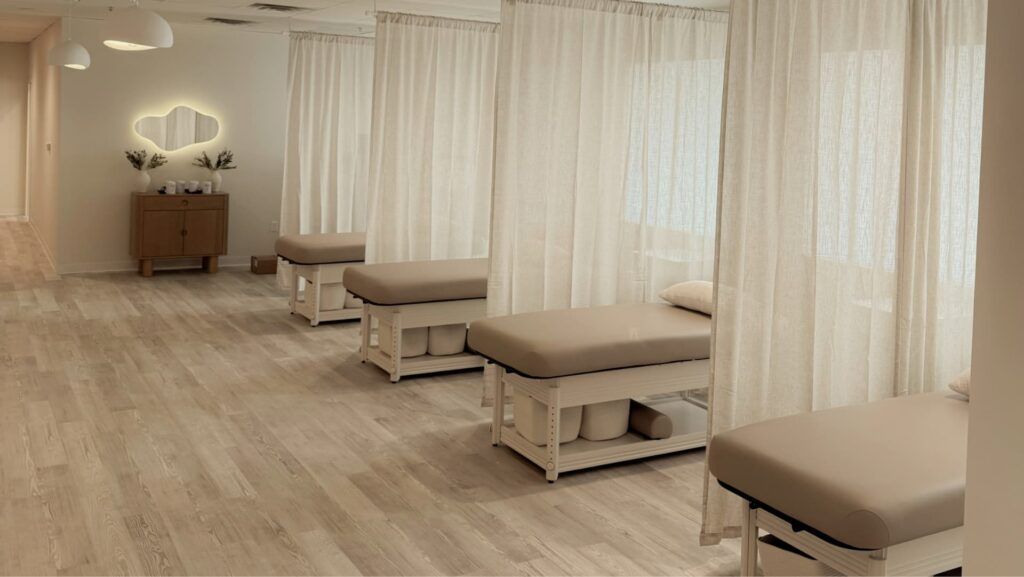
The typical Face Foundrie location is a leased retail site in a high-traffic commercial area, often in a lifestyle center or neighborhood shopping environment. A studio generally occupies about 1,400 to 2,200 square feet and is built to the franchisor’s design and operating specifications.
Because the model depends on convenience, repeat visits, and brand visibility, candidates should discuss trade-area traits, co-tenancy preferences, parking, and access patterns when reviewing potential sites with the franchisor and real estate advisors.
How does territory protection work?
Franchisees receive a defined geographic territory, and the details—such as boundaries, conditions, and any performance standards—are laid out in the franchise agreement and related documents. A protected territory typically means the franchisor agrees to certain limits on placing another same-brand location within a defined area, subject to described exceptions.
During discovery, candidates should clarify:
- How territories are mapped and measured (by radius, zip codes, population, or other criteria).
- Whether failing to meet certain sales or performance thresholds could affect territory protection.
- How online sales, retail product channels, or other distribution methods are handled inside and outside the territory.
What equipment or vehicles are commonly required?
This is a retail studio model, so vehicles are not central to the concept. The main equipment needs include:
- Treatment-room equipment and furnishings.
- Lobby and retail fixtures.
- Signage and brand-standard décor.
- Technology hardware (POS, tablets, computers).
- AI-supported skin diagnostic tools tied to the brand’s service model.
Because some details are summarized at a high level in public materials, candidates should request the current required-equipment list, understand expected replacement cycles, review approved suppliers, and ask which optional items are recommended by site type or market.
Who is the ideal Face Foundrie owner, and what time commitment is typical?
The ideal Face Foundrie owner is an active operator with strong people skills, comfort with systems, and a willingness to lead a local service business day in and day out. The model tends to fit candidates who want to build and manage teams, drive local visibility, and stay involved in their studio’s performance.
Key fit factors include:
- Leadership and team management: Ability to recruit, coach, and hold managers and staff accountable.
- Systems mindset: Comfort following protocol-based operations and brand standards.
- Sales and customer service: Interest in memberships, retail behavior, and guest experience as ongoing coaching priorities.
- Community outreach: Willingness to build local partnerships and neighborhood awareness.
- Operational discipline: Attention to metrics, standards, and timely problem-solving.
- Time commitment: Best suited to owner-operators or owners with a true operating partner; highly passive structures are not the core design.
For candidates comparing their personality and work style against the model, an assess franchise fit resource can help surface strengths, blind spots, and likely ownership preferences.
How does Face Foundrie compare to similar franchise options?
Face Foundrie sits in a focused segment of the beauty and wellness franchise category. It is narrower than a broad salon concept and less medically oriented than some aesthetic-service formats, which gives it a distinct operational profile.
Relative to many similar offerings, Face Foundrie emphasizes:
- Core service focus: A streamlined facial-bar concept rather than a broad beauty menu.
- Operational structure: A manager-led daily floor with standardized service protocols and consistent guest experience.
- Territory approach: Defined territory language and structure rather than a purely open-market footprint.
- Service delivery channel: Brick-and-mortar retail locations, not mobile or home-based service.
- Owner background: Strong general business, operations, or leadership experience is valued more than prior technical skincare credentials.
- Support depth: Formal training, portal resources, and operating tools that may be more developed than those of smaller independent wellness concepts.
If you are still narrowing your list, it can help to explore franchise options across categories and also get franchise guidance around model fit, ownership style, and evaluation criteria.
FAQ about the Face Foundrie franchise.
How much does it cost to open a Face Foundrie franchise?
Opening one location is currently estimated between $365,370 and $621,800, including the franchise fee, build-out, equipment, opening marketing, and three months of additional funds.
What ongoing fees will I pay as an owner?
Franchisees pay a 7% royalty on Gross Sales (with a $1,500 monthly minimum), a 3% brand marketing contribution, a local marketing spend of at least 2% of Gross Sales, and a technology fee currently at $425 per month.
Do I need beauty or spa experience to qualify?
Industry experience helps but is not required; the model is built for owners with strong business, leadership, and local marketing skills who hire licensed estheticians to deliver services.
How long is initial training, and who attends?
Initial training is about 118 hours, combining virtual and in-person sessions for the owner, one manager, and two estheticians, with additional or replacement training available if needed.
Is Face Foundrie designed for owner-operators or semi‑absentee owners?
The concept is primarily owner‑operator, with owners expected to stay closely involved in leadership, local marketing, and financial performance alongside a Salon or General Manager.
Will I receive a protected territory?
Yes. Each franchisee receives a defined geographic territory described in the franchise agreement, which limits where additional Face Foundrie locations can be placed around your studio, subject to specific conditions.
How many Face Foundrie locations are open now?
Recent disclosure materials show about 70 open locations, including roughly 65 franchised units and 5 corporate locations, and candidates should confirm the latest count during discovery.
Is Face Foundrie the right fit for you?
Face Foundrie may be a good fit for candidates who want an active role in a growing beauty and wellness concept and who are comfortable leading people, following systems, and building local visibility. Candidates seeking a highly passive role or a very loose operating model may want to be more cautious.
It may be a good fit if you:
- Want to be actively involved in your location or market.
- Enjoy coaching teams and building a service-centered culture.
- Are comfortable with process-driven operations and brand standards.
- Like local marketing, community outreach, and partnership building.
- See value in a specialized retail-service concept within beauty and wellness.
- Are prepared for the demands of a brick-and-mortar operating model.
You may want to be cautious if you:
- Want a fully passive or side-hustle ownership structure.
- Dislike managing staff performance, scheduling, and guest issues.
- Prefer broad operational freedom over standardized systems.
- Are uncomfortable with local marketing accountability.
- Want certainty around outcomes rather than a process-driven, due-diligence-heavy decision.
If you want to compare this brand with other franchise models, review your fit as an owner, and take a more structured next step, there are tools, education resources, and professional advisors available to help you move forward.
Ready to take the next step? The Franchise Brokers Association connects aspiring owners with the guidance, tools, and franchise options they need to make a confident, informed decision.
Whether you are still exploring or ready to move forward, explore franchise opportunities with the support of an experienced FBA consultant.