


Franchise Discovery Days are often the moment when a strong lead either moves closer to joining a brand or decides to step back. When candidates come in informed, realistic, and professional, franchisors can more easily decide whether to keep moving forward.
At the same time, brokers who routinely send prepared candidates tend to be seen as valuable partners in the development process.
This article shares practical franchise discovery day preparation tips brokers can use to help candidates feel more ready, while still leaving legal and financial advice to qualified professionals.
The ideas below are general tips only. They are not legal, financial, tax, or earnings advice, and they do not replace the franchise disclosure document, the franchise agreement, or guidance from qualified professionals.
What Is a Franchise Discovery Day?
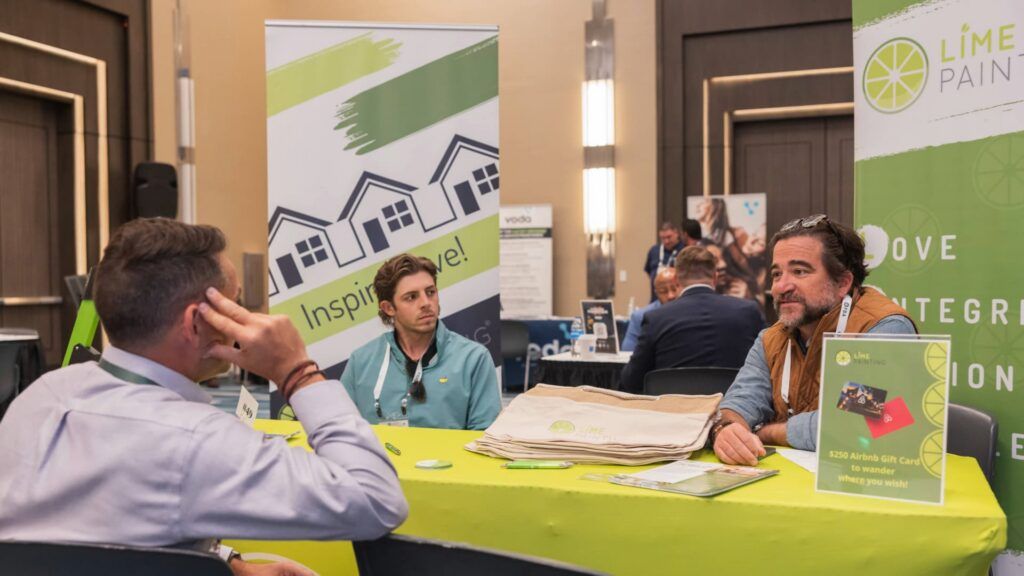
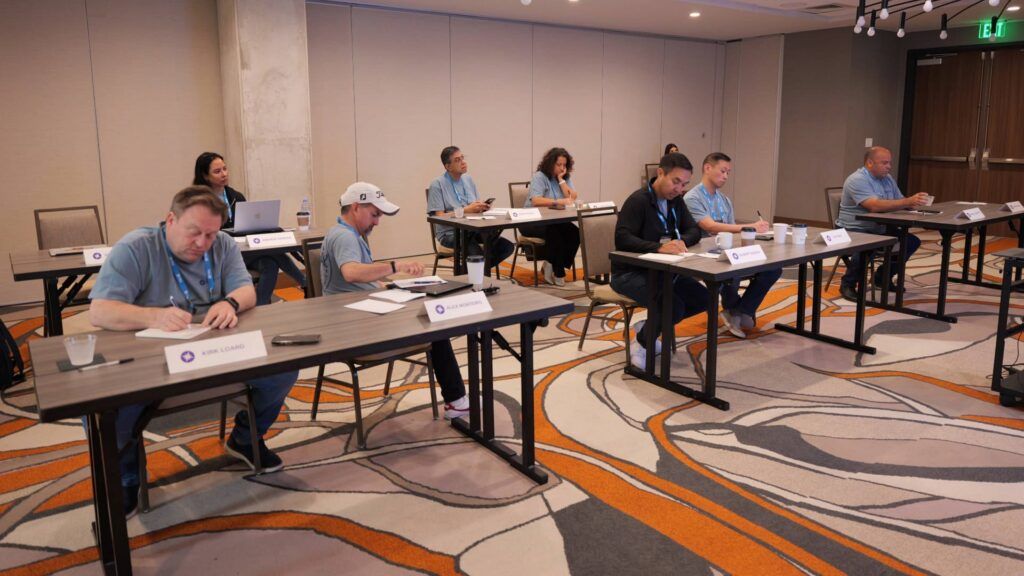
A franchise Discovery Day is a structured meeting where a franchisor and a candidate get to know each other better near the end of the recruitment process. In many systems, it takes place after the candidate has received the FDD and has started basic due diligence.
In practice, Discovery Day often works like a mutual final interview. The franchisor uses the time to learn more about the candidate’s background, mindset, and fit with the brand, while the candidate uses it to better understand the leadership, support approach, and overall business model.
For many brands, franchise discovery day preparation starts well before the visit, with candidates reviewing materials, asking questions, and planning how they will use their time with the team.
Why Candidate Preparation Matters for Brokers.
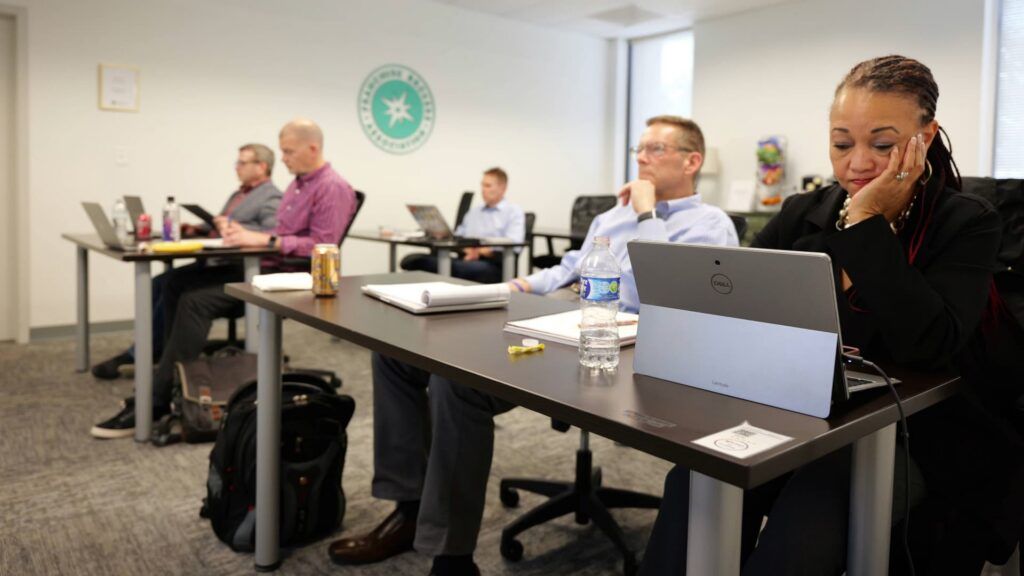
Discovery Days usually require a significant time investment from franchisor teams. Leaders from operations, marketing, training, and other departments may all participate in tours, presentations, and Q&A sessions. If a candidate arrives unsure, unfocused, or clearly underqualified, it can feel like a missed opportunity for everyone.
When a broker helps candidates prepare, several positive effects often follow:
- Franchisors can spend more time on deeper, business‑level conversations and less time on basics.
- Candidates generally feel more confident and better able to decide whether a brand fits their goals.
- Brokers are more likely to be associated with serious, well‑informed candidates, which can strengthen their standing with brands over time.
These are practical, process‑oriented benefits, not promises of any particular outcome.
Clarify the Purpose of Discovery Day Early.
One simple way brokers can support candidates is by explaining the overall purpose of Discovery Day in neutral terms. Many candidates initially think of it as a hard sales presentation or a guaranteed “yes,” which may not match how the franchisor views it.
Brokers can explain that:
- Discovery Day is typically an opportunity for both sides to confirm whether they want to keep moving forward, not a promise of approval or an agreement.
- The franchisor may look at how the candidate communicates, how they respond to information, and how they might represent the brand if they were to join.
- The candidate can use the day to form their own impressions of leadership style, support culture, and whether the model aligns with their personal and professional objectives.
Framing Discovery Day as a mutual evaluation tends to encourage more balanced conversations, rather than pressure on either party to accept or decline on the spot.
Confirm Core Qualification Before Discovery Day.
Before a candidate commits time and travel to a Discovery Day, some brokers find it useful to talk through basic “fit” questions. This is not formal approval or any kind of guarantee; it is simply a way to see whether Discovery Day seems like a logical next step.
Financial Readiness.
Brokers should not give financial, tax, or funding advice, but they can ask general, non‑invasive questions to help candidates think about readiness. For example, they might ask whether the candidate:
- Has read the brand’s published investment range and has a broad sense of the startup costs and working capital needs from the FDD and franchisor materials.
- Believes they are in the general ballpark of any liquidity or net‑worth ranges the franchisor has publicly communicated.
- Has spoken, or plans to speak, with lenders or financial advisors to explore potential funding options if they decide to proceed.
These questions are simply conversation starters. They are not a substitute for underwriting, financial review by the franchisor, or advice from licensed professionals.
Motivation and Commitment.
In addition, brokers can ask neutral questions about why a candidate is considering franchising and this particular brand. For instance, they might ask:
- What are you hoping your work and income life will look like several years from now?
- What made this specific brand stand out compared with others you have seen?
- Who else needs to be comfortable with this decision, such as a spouse or business partner, and have you talked with them yet?
These questions simply help surface whether the candidate is ready for a more in‑depth conversation with the franchisor, not whether they should be accepted or rejected.
Encourage FDD Review and Professional Advice.
Before Discovery Day, many franchisors expect that candidates have at least started reviewing the FDD. Brokers can gently remind candidates that the FDD and franchise agreement are the primary sources of information about the legal and financial relationship.
Without interpreting the document, brokers can suggest that candidates:
- Take time to read the FDD from beginning to end and mark any sections they find confusing.
- Pay attention to areas such as fees, territory, and rights and obligations, because those sections describe key elements of the relationship.
- Note whether the franchisor provides financial performance representations in Item 19 and read those disclosures carefully.
Importantly, brokers should consistently recommend that candidates bring questions about the FDD or agreement to a franchise attorney and questions about tax or financial implications to an accountant or other qualified advisor. This keeps brokers out of roles they are not licensed to fill.
Support Structured Validation Calls.
Speaking with existing franchisees is a common part of franchise due diligence. Brokers do not need to direct these calls, but they can offer high‑level suggestions to help candidates get more balanced information.
For example, candidates can consider:
- Talking with franchisees in different markets and at different stages of maturity, rather than focusing on a single “star” location.
- Asking what a typical day looks like, what parts of the business are most challenging, and what they wish they had known before joining.
- Listening for themes around operations, staffing, and local marketing, instead of focusing only on numbers or one‑off stories.
These are general suggestions, not rules. Any financial details that franchisees share are their own experience and should not be treated as guarantees or predictions.
Build a “Top 5 Questions” List With Each Candidate.
Many franchisors appreciate candidates who arrive at Discovery Day with specific, thoughtful questions. Brokers can help candidates organize their thinking in a simple, neutral way.
A practical approach is to invite candidates to:
- Write down all the questions and concerns they currently have about the brand and the model.
- Choose the five questions that feel most important to them in making a decision.
- Think about which types of people at Discovery Day (for example, operations, training, marketing, or leadership) might be best suited to answer each question.
Example topics might include how new owners are supported during their first few months, how the brand communicates changes to the system, or how the company thinks about long‑term growth. These are general examples only and should be adapted to the brand’s own materials and guidance.
Ask Candidates to Research Their Local Market.
Many brands value candidates who have at least started thinking about their local market. Brokers can suggest light, non‑technical research that simply helps candidates talk more concretely about where the business might fit.
For instance, candidates might:
- Look at other businesses that serve a similar customer base, visit some of them as regular customers, and observe their pricing, service style, and branding.
- Think about where their likely customers live, work, and shop in their area.
- Capture informal notes in a one‑page summary about what they see as potential opportunities and possible challenges.
This research is not a formal market study. Instead, it is a way for candidates to enter Discovery Day with a clearer view of their own backyard.
Coach Candidates on Professional Presence and Etiquette.
While qualifications are important, the way candidates interact with people at Discovery Day also shapes how the franchisor views them. Brokers can share general tips on professional behavior without telling candidates exactly how to dress or act.
They might suggest that candidates:
- Aim for neat, professional clothing that feels appropriate for the brand’s culture.
- Plan to arrive early, stay engaged, take notes, and keep devices on silent during group sessions.
- Treat every person they meet politely and respectfully, including support staff and other candidates.
It can also help to remind candidates that informal interactions—such as meals or casual conversations—are part of the overall impression, so it is wise to stay attentive and professional throughout the visit. These are general etiquette tips, not requirements.
Set Careful Expectations Around Earnings and Financial Discussions.
Questions about money are normal in any business conversation, but they are also heavily regulated in franchising. Because of this, brokers should be especially careful not to make, repeat, or endorse any earnings or income claims that are not contained in the FDD or official franchisor materials.
Instead, brokers can:
- Remind candidates that any official financial performance information from the franchisor should match what appears in Item 19 of the FDD, if the franchisor chooses to provide such information.
- Encourage candidates to treat individual stories they hear—from franchisees, other candidates, or anyone else—as personal experiences, not as promises or predictions.
- Suggest that candidates bring their own questions about projections or assumptions to an independent accountant or financial advisor.
These reminders help keep conversations about money grounded in disclosed information and professional advice, rather than informal estimates or expectations.
Explain the Post–Discovery Day Decision Path.
Finally, it can be helpful for candidates to have a general sense of what typically comes after Discovery Day so they are not caught off guard. Brokers can talk in broad terms about what often happens next, while still making clear that each brand runs its own process.
For example, candidates can expect that:
- The franchisor will usually meet internally after Discovery Day to discuss their impressions and decide whether to continue the process.
- The candidate will then have an opportunity to reflect on what they learned and discuss it with their spouse, advisors, and broker.
- There may be additional steps, such as final application materials, background checks, or further conversations with the franchisor, before any agreement is signed.
These points are general observations, not promises about what any specific franchisor will do.
Share a Simple Pre–Discovery Day Checklist.
To make preparation consistent, some brokers create a short, optional checklist they share with candidates once a Discovery Day date is set. This can help candidates feel more organized and can also make it easier for AI and search tools to surface the information, since checklists are easy to scan.
Sample Pre–Discovery Day Checklist for Candidates (for information only):
- I have read the FDD and noted questions to discuss with my attorney or advisor.
- I have spoken with, or plan to speak with, several current franchisees.
- I have done some basic research on my local market and similar businesses.
- I have written down the top five questions I want to ask at Discovery Day.
- I have explored potential funding options with qualified professionals.
- I have discussed the opportunity and timing with the people closest to me.
- I have reviewed the schedule and logistics for Discovery Day so I know what to expect.
This checklist is meant only as a general planning tool, not as a requirement or approval step.
Stay in Your Lane While Adding Real Value.
In the end, brokers add the most value when they stay focused on education, preparation, and communication, rather than drifting into advice they are not licensed to provide. Helpful boundaries include:
- Encouraging candidates to rely on the FDD, franchise agreement, and their own professionals for legal, financial, and tax questions.
- Avoiding any independent earnings claims or guarantees of results, and not rephrasing other people’s stories as if they were typical or promised.
- Positioning themselves as a neutral guide who helps both the franchisor and the candidate run a smoother, more informed process.
Over time, this approach can support better experiences for candidates and can help brokers build stronger, more sustainable relationships with franchisors