

This article is for educational and informational purposes only. It does not constitute legal, financial, or franchise development advice. Franchise development results vary based on brand positioning, broker relationships, market conditions, and individual effort. Franchisors should consult qualified franchise legal counsel before making changes to their sales process, disclosure practices, or broker communications.
Franchisors who use FBA event feedback consistently outperform those who simply present and move on. At FBA Regional Events and the Annual Franchise Brokers Conference & Expo (FBCE), franchisors get direct access to unfiltered reactions from experienced brokers. These professionals evaluate franchise concepts for a living. This article explains how to capture that feedback, analyze it, and build a sharper, higher-converting pitch before the next event begins.
For more on how FBA structures the franchisor-broker relationship, visit the Franchisors page and the FBA Blog.
What Makes FBA Event Feedback Different?
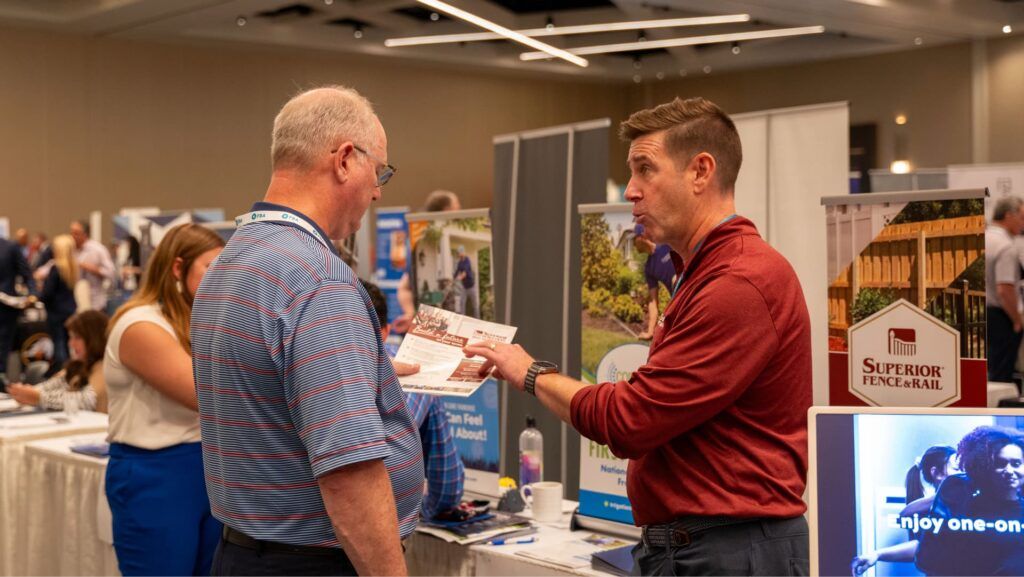
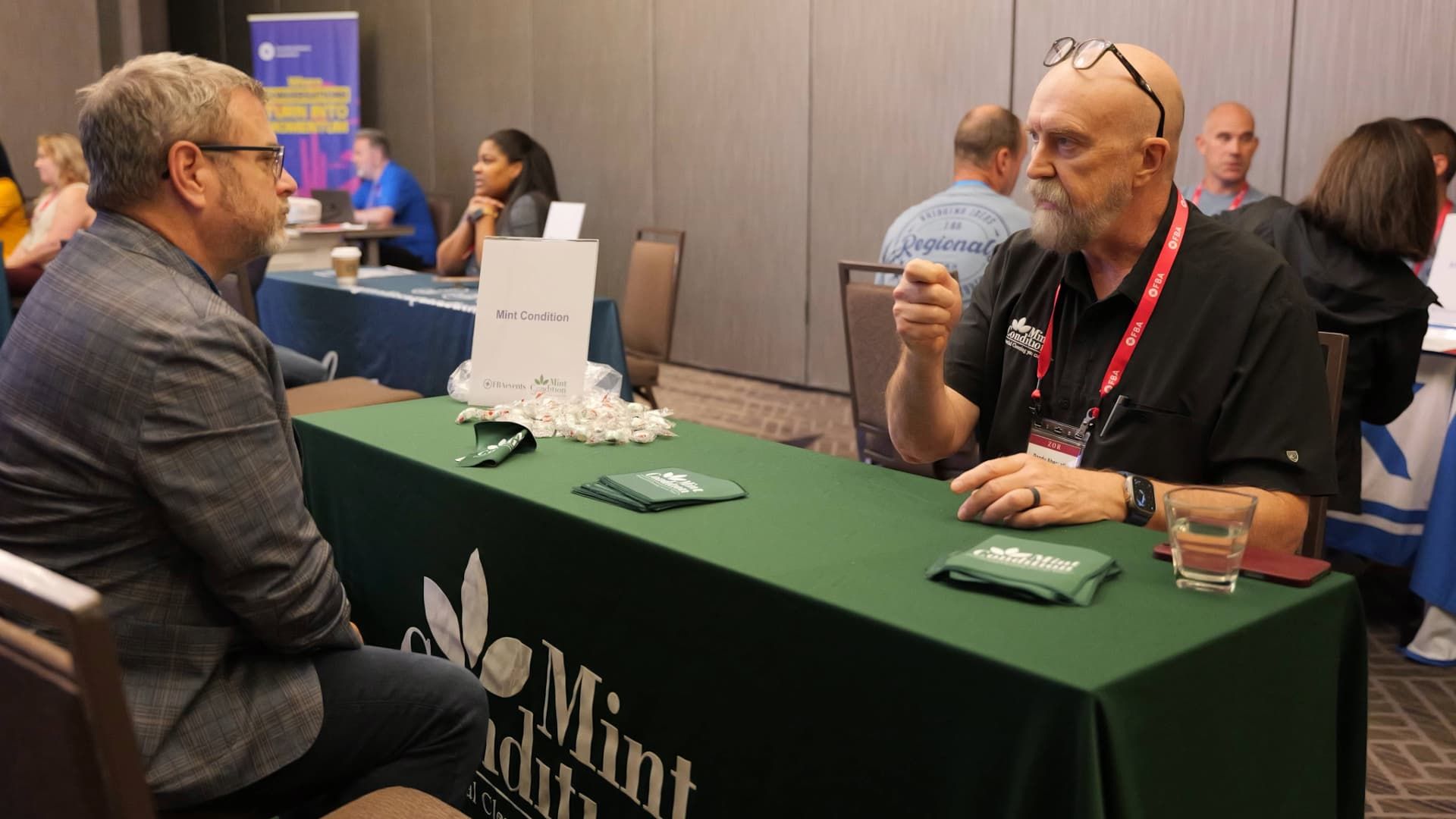
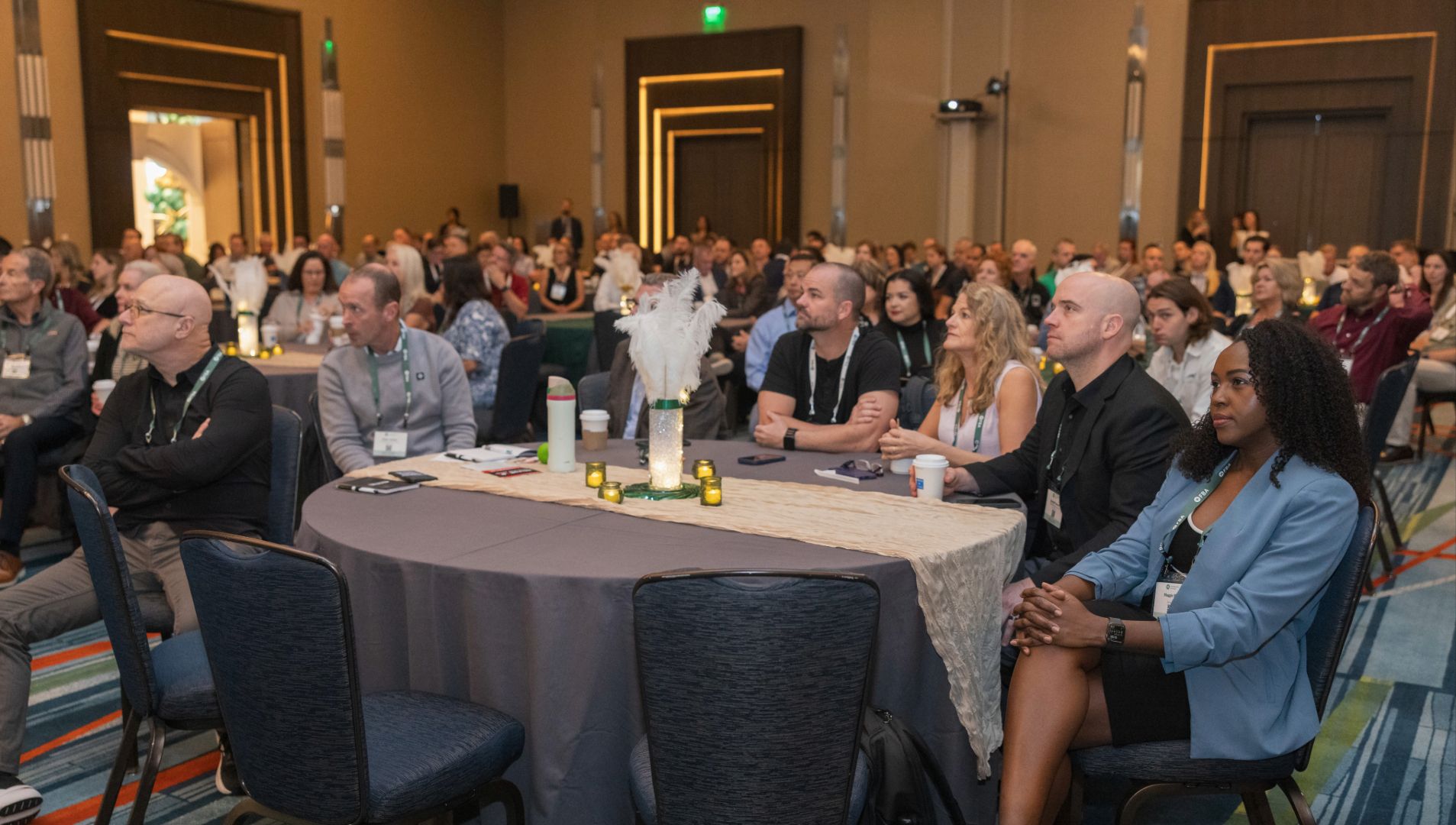
FBA event feedback is more valuable than general expo feedback because of who is in the room. FBA Regionals are intentionally small and curated—approximately 25 brokers and 15 brands per event. That structure is designed for real conversations, not surface-level networking. Similarly, the Annual Conference brings hundreds of top-performing brokers into a structured environment. The goal is meaningful engagement between brands and the professionals who recommend them.
The brokers at FBA events evaluate franchise concepts on behalf of qualified candidates with real capital. Their reactions—questions, hesitations, enthusiasm, and silence—are professional assessments, not casual opinions. As FBA’s event platform confirms, the goal is not simply brand awareness. It is momentum that leads to real franchise deals.
Moreover, the Business View Magazine profile of FBA notes that FBA provides franchisors with feedback, response data, and behavioral insights. For example, franchisors learn what candidates are clicking, where engagement drops, and what questions repeatedly arise. As a result, franchise systems can address blind spots before they become development obstacles. For franchisors who are newer to broker networks, our Are You a Franchisor? page explains how the FBA partnership model works.
What Are the Two Types of Feedback Franchisors Receive?
Franchisors receive two distinct types of feedback at every FBA event: stated feedback and behavioral feedback. Both are essential. Neither is sufficient on its own.
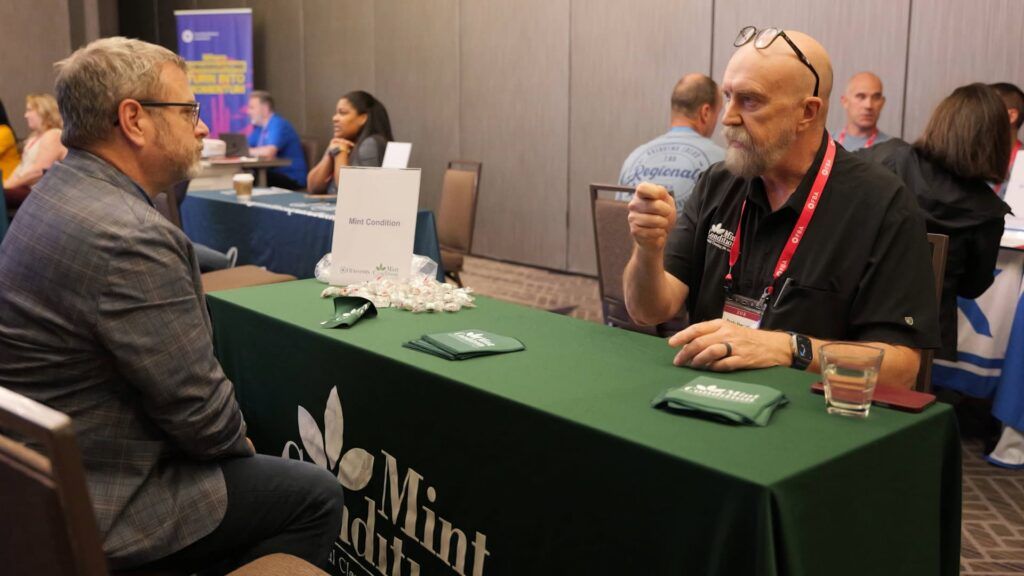
Stated feedback is what brokers say directly. It includes questions asked during Q&A, objections raised in one-on-one conversations, and requests for follow-up materials or candidate introductions.
Behavioral feedback is what brokers do. For instance, it includes which slides prompt leaning-in engagement, which talking points generate follow-up questions, and which brokers sought out the franchisor’s team during breaks.
Behavioral feedback is harder to capture, but it is often more revealing. That is because brokers do not always articulate what is or is not resonating. Therefore, franchisors who track both types—systematically, at every FBA event—build a continuously improving feedback loop. Harvard Business Review’s research on sales pitch effectiveness confirms that the best pitches start by getting curious about the buyer’s perspective—exactly what behavioral feedback enables.
How Should Franchisors Prepare to Capture Feedback?
The most common mistake franchisors make is waiting until after the event to think about feedback. By then, the most specific reactions have already faded. Consequently, building a capture system before the event separates franchisors who collect real intelligence from those who leave with vague impressions.
Step 1 — Define what you want to learn.
Every FBA event attendance should begin with three to five specific questions. For example: Which part of the investment story is generating hesitation? Are brokers clear on your ideal owner profile? Does the support story land as credible and differentiated? Which competitor brands are brokers comparing you to, and why? If your brand is earlier in its development journey, our What Franchisors Need From Brokers resource can help you frame the right questions before attending.
Step 2 — Assign observation roles.
If more than one team member is attending, assign one person to deliver the pitch and another to watch the room. The observer tracks body language shifts, notes which questions repeat, and documents moments of genuine engagement or visible confusion. That is data the presenter simply cannot collect while presenting.
Step 3 — Use a consistent note-capture method.
After every meaningful broker conversation, record the specific language brokers used—their exact words, not paraphrases. A quick voice note right after the conversation is enough. Broker language is marketing intelligence. In fact, the phrases brokers use to describe a concern are often more precise than anything in the franchisor’s existing materials.
What Happens During the FBA Franchise Spotlight?
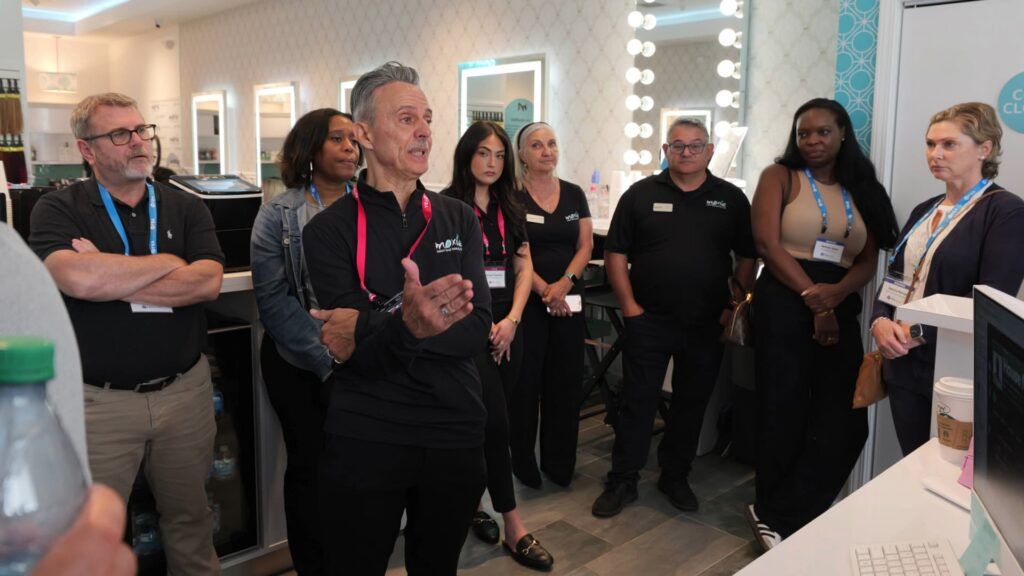
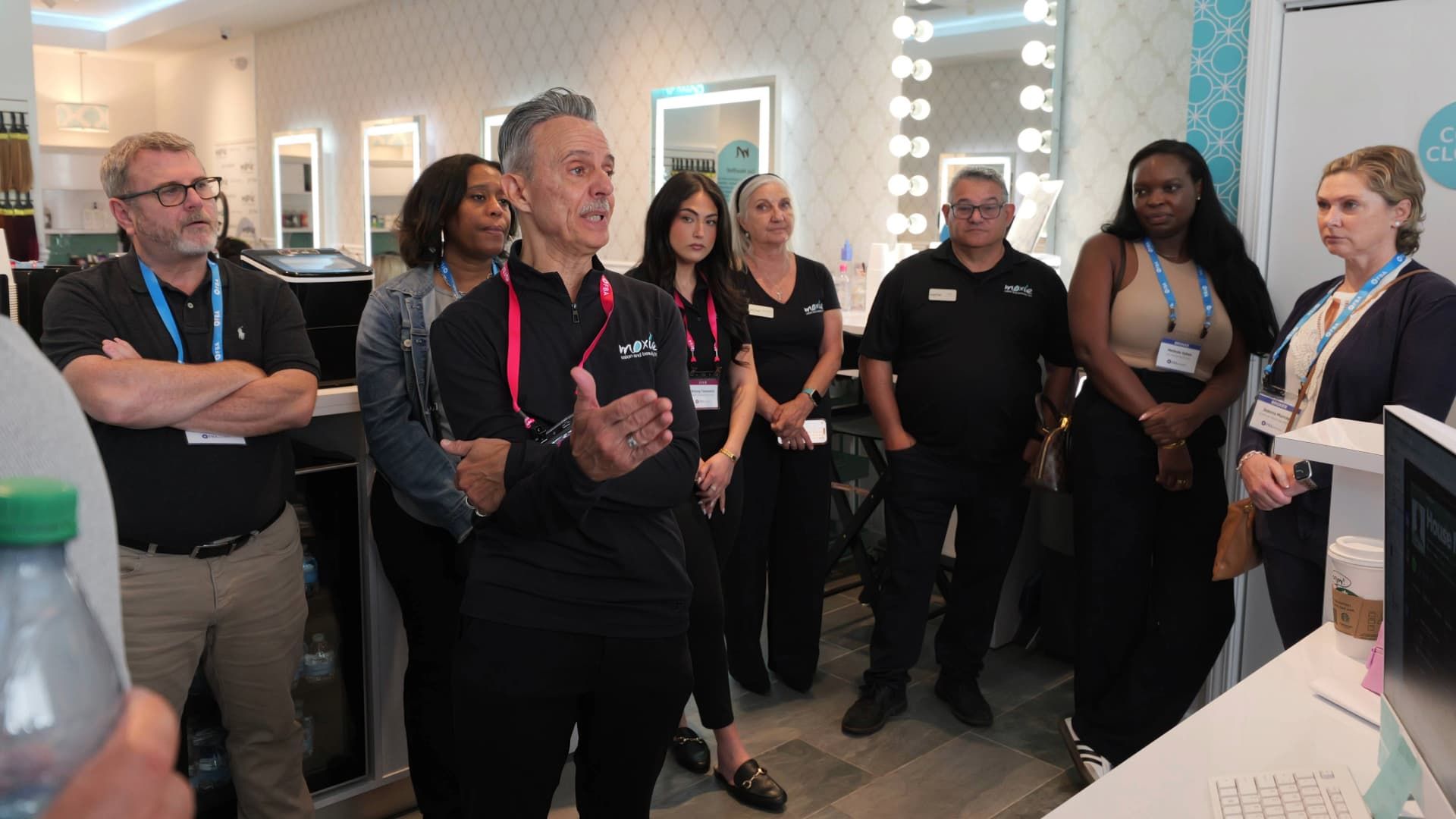
At FBA Regional Events, each franchisor receives structured presentation time in the Franchise Spotlight. As FBA Regional documentation confirms, franchisors receive two pitch sessions per event—a first-impression session and a follow-up opportunity. This gives franchisors a rare ability: they can test a refined version of their messaging and measure the difference in broker response within the same event.
Here is what to track during the Spotlight:
Track first questions immediately after the pitch.
The first questions brokers ask reveal what the pitch failed to answer clearly. For instance, repeated questions about support mean the support story was unclear. Repeated questions about territory mean the territory explanation did not land. First questions are the most reliable real-time signal of presentation gaps.
Track which objections repeat across multiple brokers.
One broker’s objection may reflect an individual situation. However, three brokers raising the same concern is a pattern—and patterns are pitch problems, not audience problems. Categorize objections by theme: investment, competition, support, territory, franchisee satisfaction, or brand recognition. The IFA’s Franchise Development Resources provides useful context on what franchisors encounter during broker and candidate conversations.
Track moments of genuine engagement.
Enthusiasm is visible. When a specific talking point or franchisee story generates leaning-forward attention, note it precisely. These are the pitch’s strongest assets—and they are frequently not the elements the marketing team expected to resonate.
Track broker follow-up actions.
Requests for collateral, Discovery Day invitations, or scheduled follow-up calls are the clearest signal that the pitch worked. Silence after the presentation is also data—it typically signals awareness without motivation to refer.
How Should Franchisors Analyze Feedback After the Event?
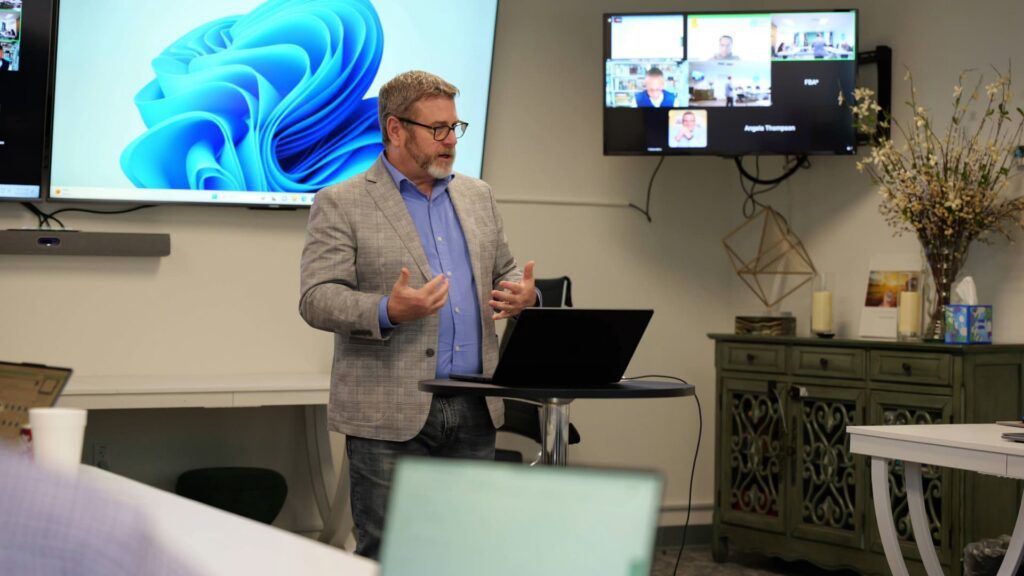
Within 48 hours of returning from the event, the team should conduct a structured debrief. Research on sales pitch improvement consistently confirms that insights decay quickly without a review process. Therefore, do not wait more than two days.
Consolidate all notes into one document.
Collect every voice note, observation, and broker comment in one place. Then group them by category: pitch clarity, investment story, support story, territory, owner profile, competitive positioning, materials quality, and follow-up conversion rate.
Identify the three highest-frequency patterns.
Of all the feedback captured, which three concerns or questions came up most often? These are the highest-priority pitch refinement targets. In other words, they represent the gaps between what the pitch communicates and what brokers need to hear to confidently recommend the brand.
Separate pitch problems from positioning problems.
Some feedback reveals a clarity or delivery problem—the information was present but poorly organized. Other feedback reveals a positioning problem—the brand’s value proposition is not yet compelling enough to stand out. Consequently, pitch problems are fixed with better structure and language. Positioning problems, however, require deeper strategic work. Our article on AI Search Brand Narrative for Franchise Growth explores how franchisors can align their positioning across digital and in-person channels simultaneously.
Track post-event conversion.
What percentage of brokers who heard the pitch referred a candidate within 30, 60, or 90 days? Tracking this metric by event, by region, and over time is the most direct measure of whether pitch refinement is producing real development results.
What Are the Five Most Common Pitch Problems?
Franchisors who attend FBA events regularly and capture feedback honestly tend to see the same recurring weaknesses. Here are the five most common:
1. The ideal owner profile is too vague.
Brokers match candidates to brands. Therefore, a vague description like “motivated, business-minded individuals” gives brokers nothing to act on. A specific profile—”former corporate managers with P&L experience, $200K liquid, seeking semi-absentee ownership in a service-based model”—is a matching tool they can use immediately. For a broker’s perspective on what a useful owner profile looks like, see our article on What Franchisors Need From Brokers.
2. The support story is stated but not proven.
Every franchisor claims to provide excellent training and support. However, brokers have heard this hundreds of times. The franchisors who break through demonstrate support with specifics: the number of annual field support visits, average response time for support calls, and the backgrounds of key support team members. As research on what impresses franchise brokers confirms, brokers need concrete evidence that their candidates will be well-supported—not general assurances.
3. The financial story creates more questions than it answers.
If Item 19 is absent from the FDD, the pitch must address that absence directly. If Item 19 is present, the pitch must contextualize it. For example, it should explain what the numbers mean, how they were calculated, and what a realistic first-year picture looks like. The FTC’s Consumer Guide to Buying a Franchise explains what candidates are legally entitled to know—context that helps franchisors understand what brokers will be looking for. For a related perspective, see our article on Avoiding Common Compliance Mistakes in Broker Conversations.
4. Competitive differentiation is assumed, not articulated.
Brokers compare concepts constantly. So the pitch must directly answer the question every broker is silently asking: “Why this brand instead of the three similar ones I already know well?” Without a clear, specific answer, the brand becomes one of many. The franchisors who earn the strongest broker advocacy are those who equip brokers with a one-sentence differentiator they can retell confidently.
5. The brand story is a feature list, not a narrative.
A pitch that leads with unit counts and royalty percentages—before establishing the brand’s origin and mission—misses the emotional connection that makes a brand memorable. Harvard Business Review’s research on sales storytelling is direct: a compelling pitch focuses on what will genuinely meet the customer’s needs. The franchisors whose brands brokers recommend most enthusiastically gave brokers a story they can retell with real conviction.
How Do Franchisors Turn Feedback Into Pitch Iterations?
Feedback only creates value when it drives concrete change. Therefore, treat every FBA event as a pitch iteration cycle—not a one-time presentation. Here are four practical ways to do that:
Iteration 1 — Refine the language.
Use the exact words brokers used in their questions and objections. If multiple brokers described a concern using the same phrase, that phrase should appear in the next version of the pitch. Specifically, use it either as a named objection the pitch addresses directly, or as language the franchisor adopts to describe its own value proposition.
Iteration 2 — Adjust the structure.
If first questions after the pitch consistently reveal the same information gap, resequence the presentation. Move that information earlier. For example, if the support story is generating doubt, move it forward. If the investment story is confusing brokers, rebuild it around total investment transparency instead of leading with the initial franchise fee.
Iteration 3 — Add a story.
If the pitch is generating polite acknowledgment but not genuine enthusiasm, it almost certainly needs a stronger franchisee success narrative. Concrete, named success stories are among the highest-converting elements a franchisor can add. Yet they are frequently absent from first-version presentations.
Iteration 4 — Upgrade the materials.
If brokers are not engaging with leave-behind materials, those materials are not meeting broker needs. The strongest broker collateral is concise, visual, and built around the broker’s matching workflow: ideal owner profile, investment summary, territory map, performance context, and a clear follow-up contact. For a deeper look at how brokers use franchisor materials during the candidate journey, see our FBA Blog.
How Can Franchisors Use FBA Events as a Continuous Improvement Engine?
The franchisors who build the strongest broker channels through FBA are not those who attend once and expect immediate results. Instead, they treat FBA events as an ongoing feedback and refinement system. They attend Regionals across different markets, track what patterns are consistent versus market-specific, and measure broker conversion rates over time.
FBA’s Regional format creates an especially powerful environment for this kind of iteration. The intimate structure—approximately 25 brokers and 15 brands—means franchisors receive more direct feedback in a single Regional than they typically gather across months of individual development calls. Moreover, two Franchise Spotlight sessions per Regional give franchisors the rare ability to test refined messaging within the same event.
As FBA’s event platform makes clear, the goal is not simply broker awareness—it is momentum that leads to real franchise deals. Therefore, franchisors who approach every FBA event with a feedback-capture mindset are the ones who build that momentum progressively and sustainably.
To explore upcoming FBA Regional Events and the Annual Franchise Brokers Conference & Expo, visit franchisebce.com. To learn more about partnering with FBA as a franchisor, visit franchiseba.com/franchisors or contact the FBA team through the Are You a Franchisor? page.
FAQ — FBA Event Feedback and Franchise Pitch Refinement
What kind of feedback do franchisors receive at FBA events?
Two types: stated feedback (broker questions and objections) and behavioral feedback (engagement signals during the pitch). Visit the FBCE events page to see upcoming event dates.
How should franchisors capture feedback during a live FBA event?
Assign one team member to present and another to observe. Record voice memos right after each broker conversation, using the broker’s exact words—not paraphrases.
How quickly should franchisors analyze feedback from an FBA event?
Within 48 hours, before details fade. Identify the three highest-frequency patterns and produce a specific list of changes before the next event. See also: AI Search Brand Narrative for Franchise Growth.
What are the five most common pitch problems FBA broker feedback reveals?
A vague owner profile, unproven support claims, a financial story that raises more questions than it answers, weak competitive differentiation, and a feature-list pitch with no memorable narrative. See Avoiding Common Compliance Mistakes in Broker Conversations.
How do FBA Regional Events differ from larger franchise expos for feedback purposes?
FBA Regionals are small and curated—approximately 25 brokers and 15 brands—with two Franchise Spotlight sessions per event. That structure produces more direct, professional feedback than general-audience expos. Learn more at franchisebce.com/2026-regionals.