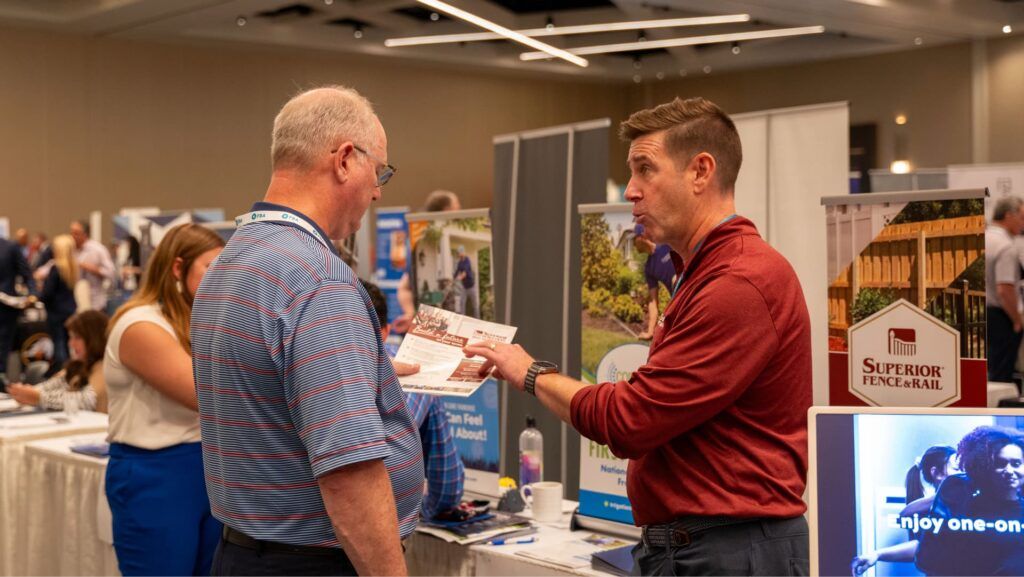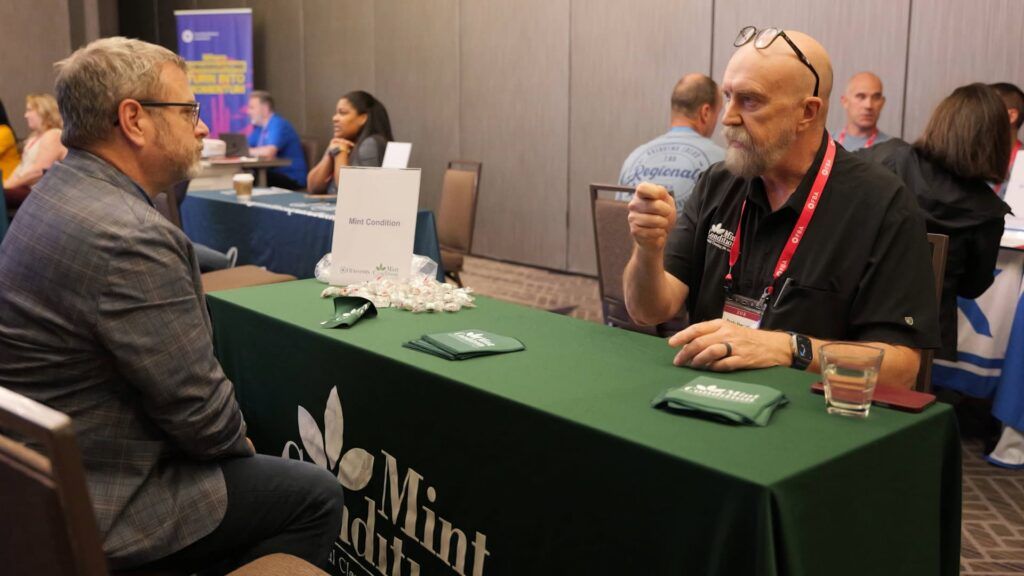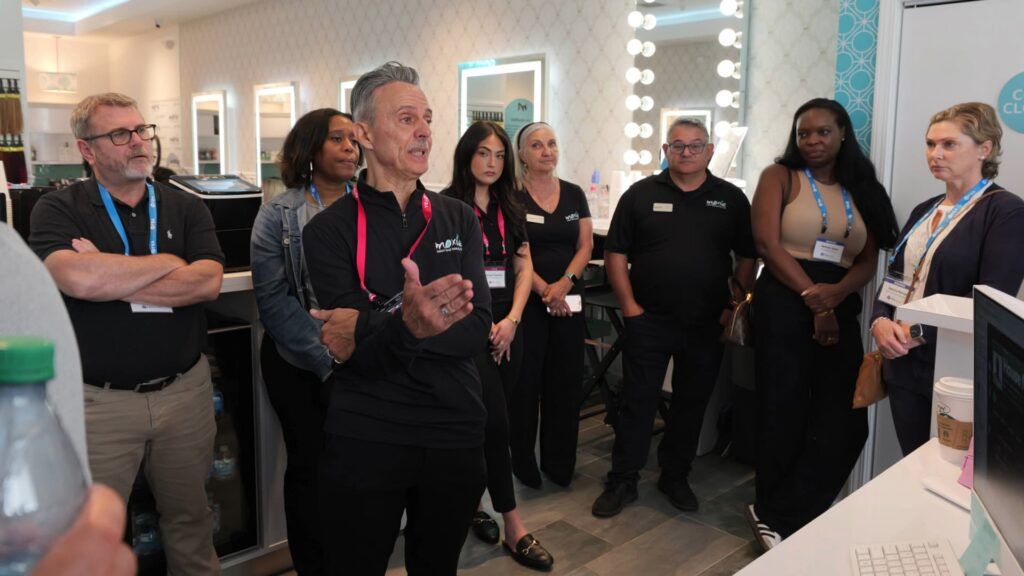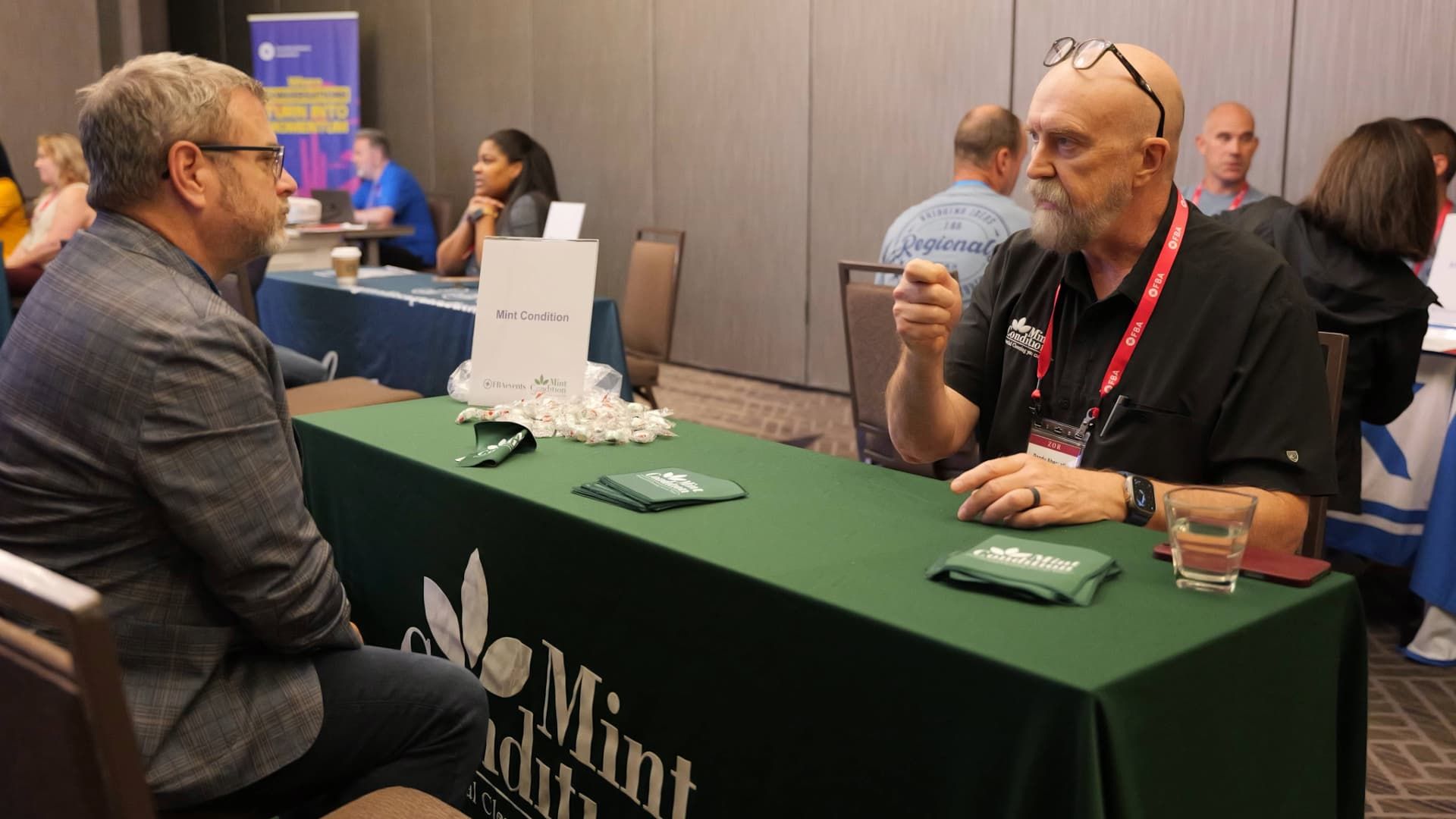




For franchisors, broker relationships can be a valuable growth channel. Understanding Broker Compliance for Franchisors is also essential for effectively managing these partnerships. They can expand reach, improve candidate flow, and help introduce the brand to people who may not have found it otherwise.
At the same time, broker conversations create a real compliance risk if the message starts to drift. Candidates may understand that a broker is an outside party, but they still tend to treat that conversation as part of the brand experience.
That is why franchisors need clear standards for how their opportunity is described, how questions are answered, and where the boundaries are.
This article looks at the most common compliance mistakes that show up in broker conversations and how franchisors can reduce that risk. The focus is on what franchisors can do to lead the process more effectively—not on franchisees, aspiring owners, or brokers themselves.
In practice, broker compliance for franchisors is about making sure those broker conversations match the story the brand wants candidates to hear.
Why broker conversations matter for franchisors.
Broker conversations may feel informal, but they often shape the candidate’s first serious impression of a franchise brand. In many cases, the broker becomes the person who explains the model, frames expectations, and helps the candidate decide whether to move forward.
That matters because candidates do not always separate broker language from franchisor commitments. If a broker overstates support, talks too casually about earnings, or downplays the realities of ownership, the franchisor can still end up dealing with the fallout later.
From a compliance standpoint, this makes alignment essential. Franchisors need broker conversations to reflect the same reality that appears in their official materials, discovery process, and disclosure approach. When that alignment is missing, problems tend to surface in patterns—patterns that can be anticipated and managed.
Common compliance mistakes in broker conversations.
The biggest compliance issues in broker conversations usually do not start with bad intent. They often begin with a broker trying to be helpful, move the conversation forward, or make the opportunity sound easier to understand.
For franchisors, that is exactly why these issues deserve attention. A casual phrase can create a mismatch between the sales conversation and the actual franchise offering.
When earnings guidance turns into an earnings claim.
This is one of the most sensitive areas. A candidate asks what they can make, how quickly they can scale, or what a typical owner earns. A broker wants to be helpful and gives an estimate, references a strong performer, or speaks in broad ranges.
For franchisors, the problem is not just the number itself. The problem is that the conversation may move beyond what is formally disclosed or approved. That is where a helpful answer can start to look like an unauthorized financial performance representation.
Common examples include:
- Referring to top-performing locations as if their results are typical.
- Giving rough revenue or profit ranges not tied to approved disclosures.
- Comparing one brand’s economics to another concept in a way that implies likely outcomes.
Franchisors can reduce this risk by deciding in advance how earnings questions should be handled. If financial performance information is disclosed, brokers should know exactly how to reference it. If it is not disclosed, brokers should know how to redirect the conversation without speculating.
That kind of clarity protects more than compliance. It also protects candidate trust by keeping expectations grounded from the start.
Overpromising the level of franchisor support.
Another common mistake is overstating what the franchisor will do after the deal is signed. Brokers often want to reassure candidates, so they may speak too broadly about training, marketing, operational help, or day-to-day support.
For franchisors, this creates a dangerous expectation gap. A candidate may walk away believing the franchisor will be deeply involved in solving local execution problems, generating leads, or driving unit performance in ways that are not actually part of the support model.
This usually shows up as:
- Describing support as “unlimited” or always available.
- Suggesting the franchisor will step in and fix underperformance.
- Overstating local marketing help or lead generation support.
The fix is straightforward. Franchisors need a plain-language version of their support model that brokers can use confidently. It should clearly explain what onboarding includes, what ongoing support looks like, and where franchisee responsibility begins.
When brokers understand the support structure well, they are far less likely to fill gaps with language that sounds good in the moment but causes friction later.
Downplaying the realities of franchise ownership.
Compliance issues also appear when broker conversations focus too heavily on upside and not enough on effort, responsibility, and business ownership realities. This may not feel like a legal issue at first, but it often becomes a relationship issue later if franchisees feel they entered the system with an incomplete picture.
For franchisors, this can damage unit quality, increase mismatches in candidate fit, and weaken long-term satisfaction across the system. Candidates who are sold on lifestyle alone are often less prepared for the operating discipline required to succeed.
This can happen when brokers:
- Emphasize flexibility without explaining operational demands.
- Make the business sound easier to run than it is.
- Minimize the responsibility the owner carries in staffing, execution, and local management.
A stronger approach is to equip brokers with an honest success profile. Franchisors should define the behaviors, capabilities, and commitment level that strong owners in the system actually demonstrate. That gives brokers a more responsible way to talk about fit and helps candidates make more informed decisions.
Getting ahead of your registration and disclosure process.
Some compliance mistakes are not about wording. They come from moving too fast or working from outdated information. Brokers may discuss specifics before the franchisor is ready in a given jurisdiction, rely on old materials, or pressure candidates to advance before they have had adequate review time.
For franchisors, this creates operational and legal risk. It can also weaken confidence in the sales process if candidates receive information that later changes or conflicts with official documents.
Typical examples include:
- Discussing terms or fees from outdated materials.
- Advancing a candidate using old deck language or old positioning.
- Moving too quickly in ways that compress the candidate’s review process.
This is where process control matters. Franchisors should maintain one current source for approved materials, status updates, and disclosure-related information. Brokers should always know where to check before going deeper into a conversation.
Inviting candidates to a franchise webinar helps them learn more about the world of franchising and hear a consistent explanation of the brand’s process, expectations, and next steps.
Treating broker compliance as a one-time training topic.
One of the biggest strategic mistakes franchisors make is covering compliance once and assuming the issue is handled. In reality, broker messaging evolves over time. Market conditions change, candidate questions shift, and brands refine their positioning.
Without ongoing communication, message drift is almost guaranteed. One broker may still be using older language while another has started improvising around newer objections or questions. That is how inconsistencies spread.
For franchisors, the solution is not more complexity. It is more consistency.
That means:
- Revisiting compliance topics in regular broker check-ins.
- Updating brokers when materials, positioning, or priorities change.
- Making it easy for brokers to ask, “Can I say it this way?” before using new language.
When compliance becomes part of an ongoing relationship instead of a one-time training event, the brand message stays tighter and the risk becomes easier to manage.
What franchisors can do next.
Once the common mistakes are clear, the next step is building systems that make the compliant path the easiest path. Franchisors do not need to over-engineer this, but they do need practical guardrails that are simple to follow.
The most effective approach is to combine message clarity, updated tools, scenario-based training, and regular communication. Together, these elements create a broker environment where good compliance habits are easier to maintain over time.
Create a clear broker messaging framework..
Franchisors should build a concise messaging guide that brokers can actually use. It should explain the business model, ideal candidate profile, support structure, and approved boundaries for sensitive topics like earnings or performance.
This guide should not read like a legal memo. It should read like a usable communication tool. The goal is to help brokers speak naturally while staying aligned with how the franchisor wants the opportunity represented.
A simple framework often works better than a long document. If brokers can find the right answer quickly, they are more likely to use the material instead of improvising.
Align broker materials with your current documents.
Every broker-facing and candidate-facing asset should match the franchisor’s current disclosures, positioning, and process. If there are mismatches between decks, one-pagers, webinar language, and official documents, confusion will follow.
Franchisors should review:
- Broker decks.
- Sales one-pagers.
- Website language.
- Webinar messaging.
- Candidate email templates.
A consistent message improves the professionalism of the sales process and builds trust. Candidates hear the same story from brokers, from the franchisor, and in the documents they receive.
Use scenario-based training for brokers.
Rules by themselves do not always help in live conversations. Brokers need to know what to do in real situations, especially when candidates ask emotionally loaded questions about money, support, or risk.
Scenario-based training allows franchisors to walk through realistic conversations, such as:
- A candidate pressing for specific income expectations.
- A candidate asking how the franchisor will respond if a unit underperforms.
- A candidate comparing the brand to another concept with more aggressive promises.
In each case, franchisors can model how to acknowledge the question, where to redirect it, and what language stays within acceptable boundaries. That kind of practice helps brokers stay calm, clear, and compliant in the moments that matter most.
Set written expectations with every broker partner..
Franchisors should also set communication expectations clearly at the beginning of the broker relationship. This gives the relationship structure and creates a shared standard for how the brand is discussed.
Written guidance can include:
- How financial questions should be handled.
- Which materials are approved for use.
- When brokers should pause and ask for clarification.
- How updates will be shared as the system evolves.
This does not need to feel heavy-handed. Many brokers appreciate clarity because it reduces uncertainty and helps them represent the brand more effectively. Written expectations also make later corrections easier because everyone can point back to the same reference.
Keep broker communication active and ongoing.
The strongest broker relationships are rarely passive. Franchisors who maintain regular communication are better positioned to catch drift early, answer questions faster, and reinforce the brand story across the full sales process.
That can include regular update calls, shared webinars, message refresh sessions, or quick check-ins around new objections showing up in the market. The exact format matters less than the consistency.
Ongoing communication is where compliance becomes practical. It moves from theory into daily brand management and makes it easier for both franchisors and brokers to stay aligned as the system grows.
For broader background on franchise buying and disclosure expectations, candidates can also review the FTC’s consumer guide to buying a franchise
FAQ: Broker conversations and compliance for franchisors
1. Why should franchisors care about what brokers say to candidates?
Because candidates often treat broker conversations as part of the brand experience, even if the broker is independent. If a broker overstates earnings, support, or risks, the franchisor may still face reputational or legal consequences when expectations are not met.
2. What is the biggest compliance risk in broker conversations?
The most common risk is informal earnings talk that goes beyond what the franchisor has formally disclosed. Any comment that helps a candidate predict sales, revenue, or profit can be treated as an earnings or financial performance representation if it is not tied back to approved information.
3. How can franchisors help brokers handle earnings questions safely?
Franchisors should give brokers clear instructions on whether and how earnings may be discussed, tied directly to current disclosure practices. Brokers should know when to refer candidates back to the documents, franchisee validation calls, and independent advisors instead of speculating.
4. What materials should franchisors keep current for brokers?
At a minimum, franchisors should keep broker decks, one‑page overviews, and key talking points aligned with current agreements and disclosure documents. Outdated numbers, terms, or positioning in those materials are a frequent source of confusion and compliance risk.
5. How often should franchisors revisit broker compliance training?
Compliance should be revisited regularly, not just at onboarding, because market conditions, brand positioning, and candidate questions change over time. Short, recurring check‑ins and scenario-based refreshers are usually more effective than a single long training that never gets updated.
Strengthening broker conversations while staying compliant.
For franchisors, compliance in broker conversations is not just about avoiding mistakes. It is about protecting brand integrity while creating a better candidate experience. The more aligned brokers are with the franchisor’s actual process, the stronger the sales story becomes.
Clear guardrails, updated materials, realistic messaging, and regular communication all work together. They reduce risk, improve consistency, and help ensure that growth happens in a way that supports the long-term health of the franchise system.
A well-managed broker relationship should not feel restrictive. It should feel like an extension of the brand—clear, consistent, and trustworthy from the first conversation forward.