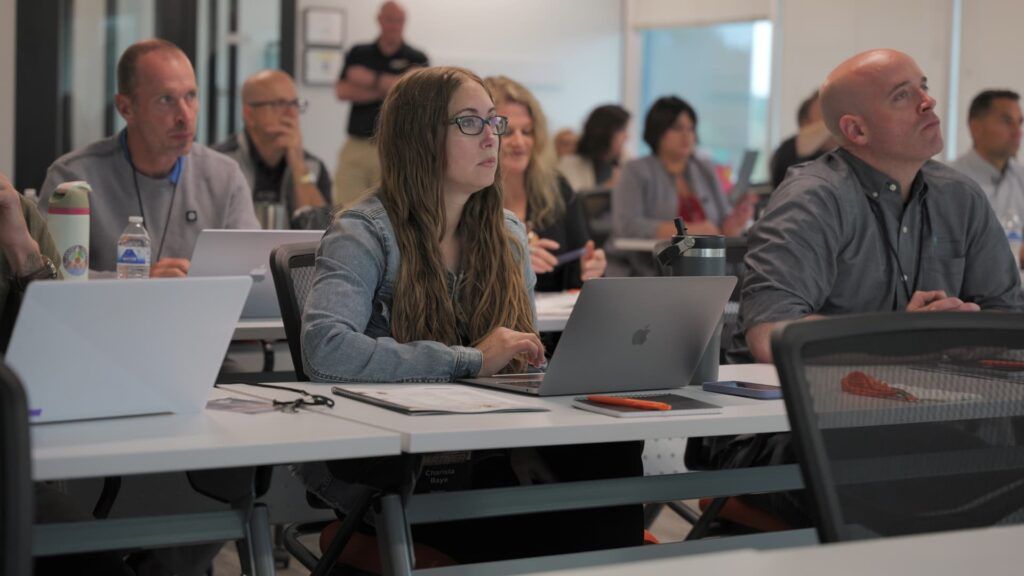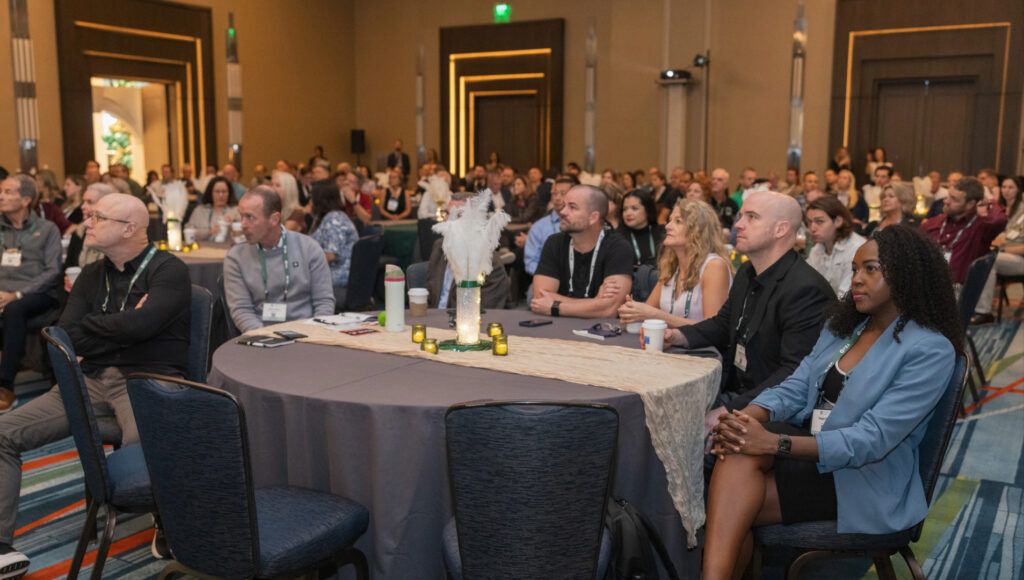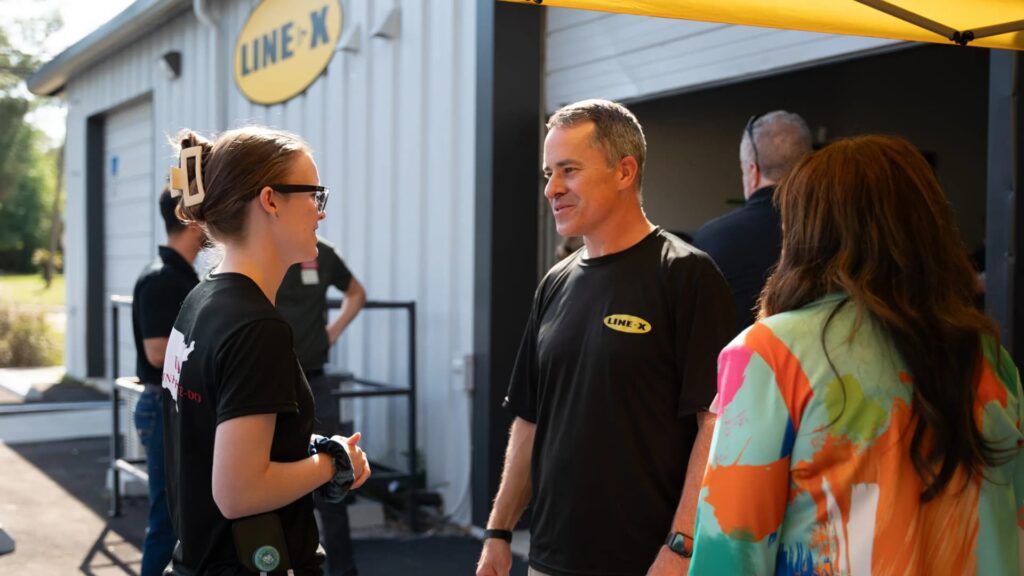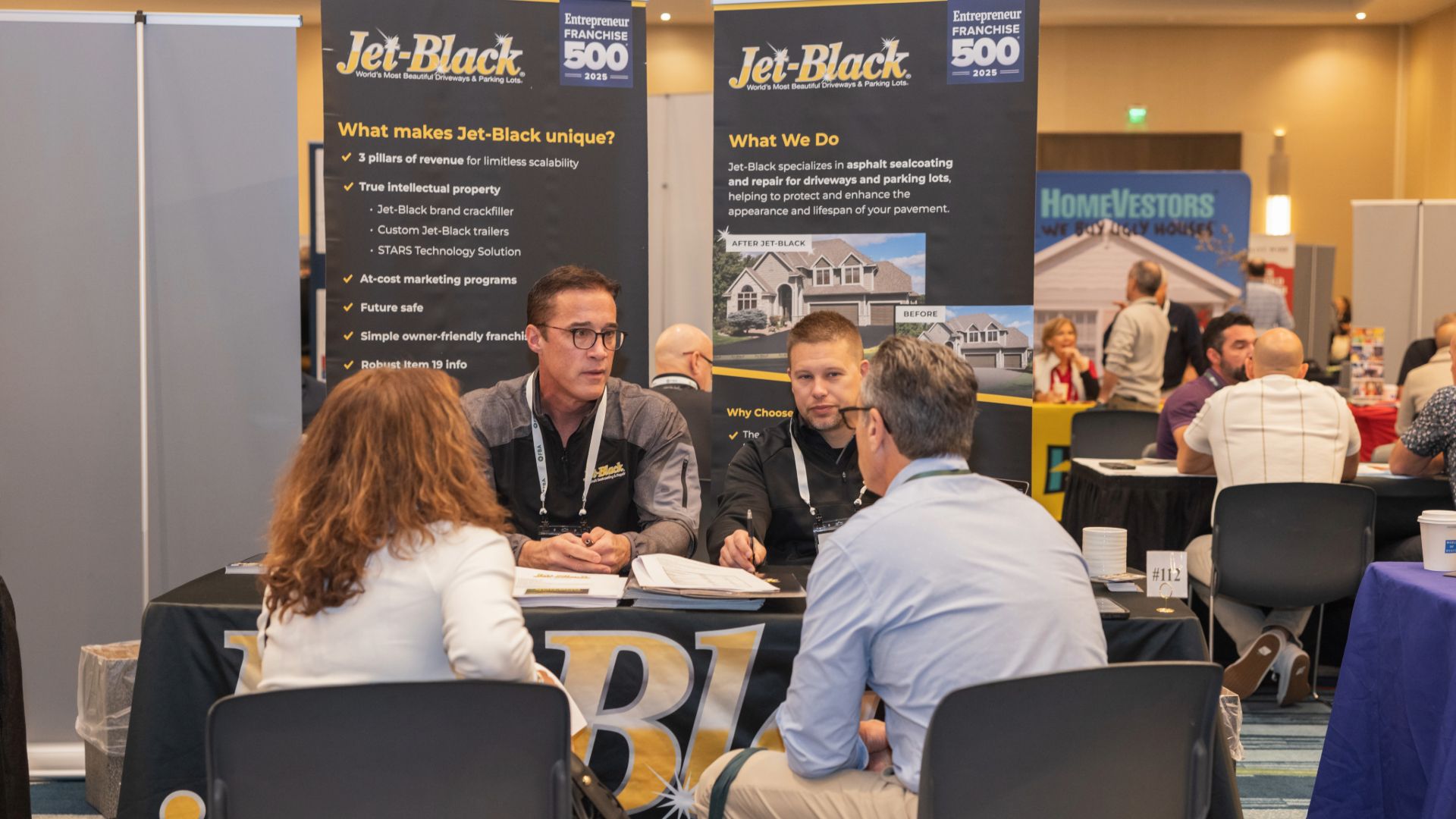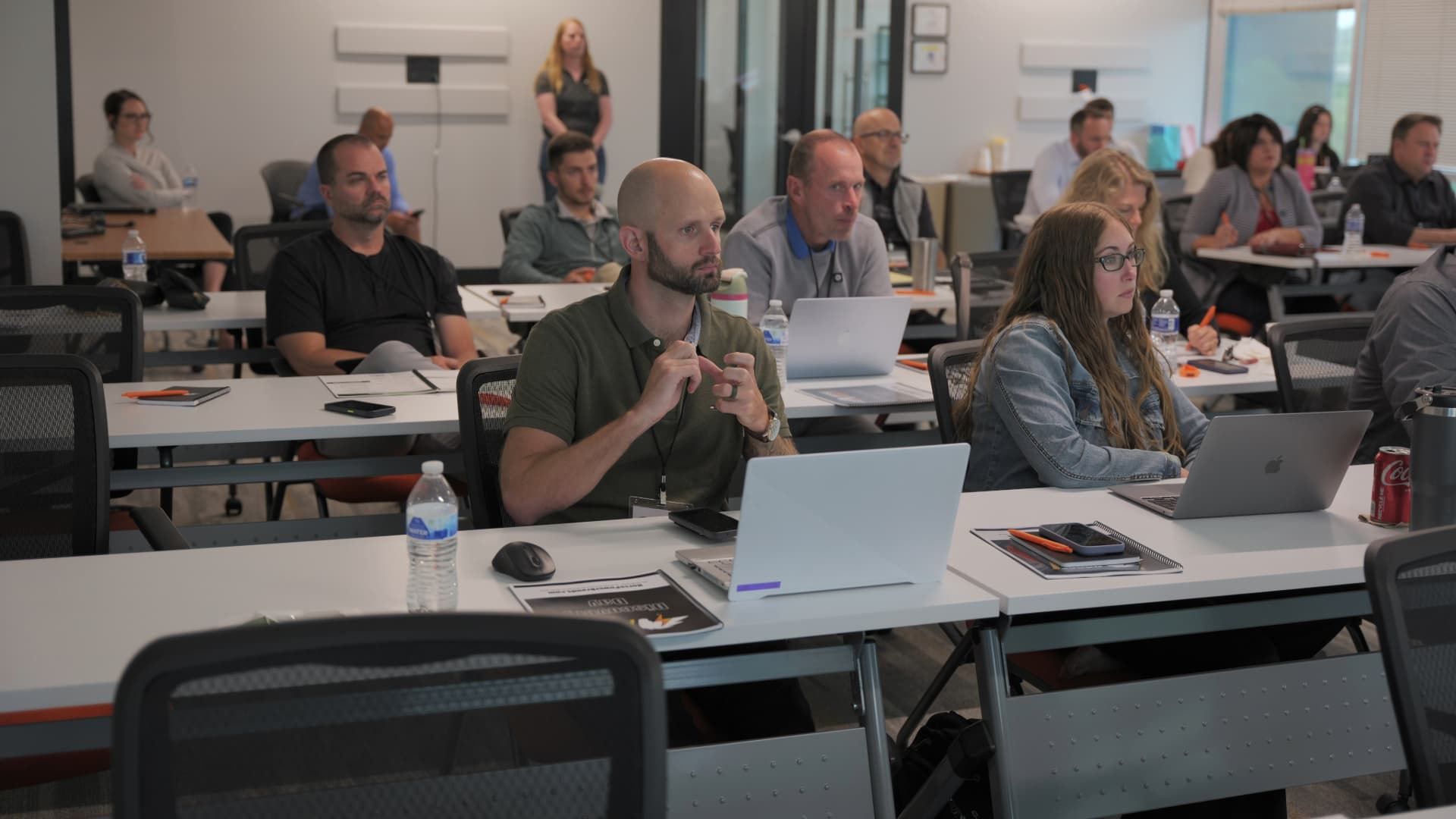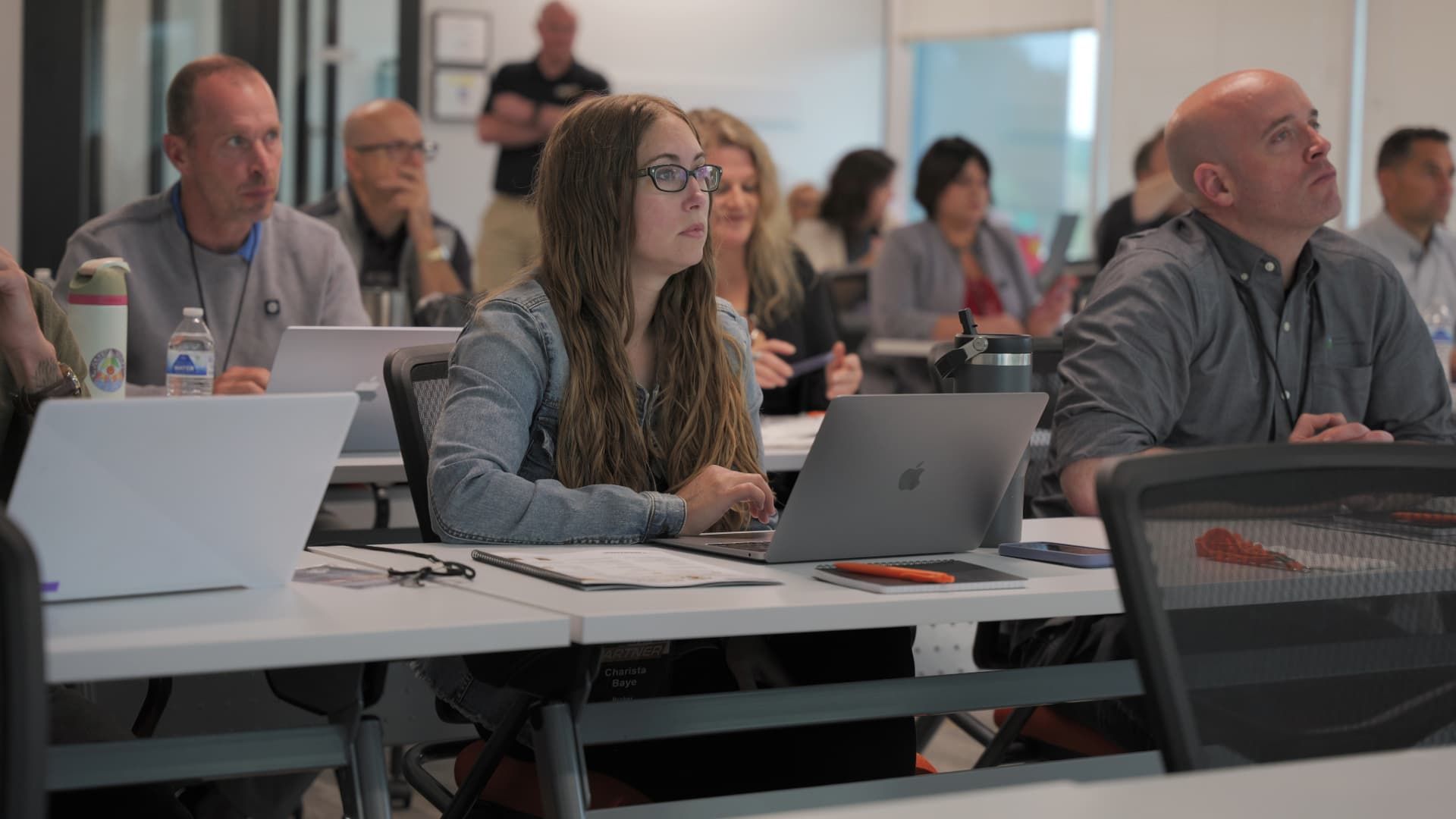
For franchise brokers, events can be useful for far more than filling a contact list. Conferences, broker retreats, franchise expos, regional mixers, and consultant gatherings all create opportunities to strengthen relationships with franchisors, fellow brokers, suppliers, and other people who influence how business gets done in the franchise space. The brokers who get the most value from these events are usually not the ones trying to meet everyone in the room. They are the ones using each event to deepen trust, improve visibility, and stay connected to the right people over time.
That matters because brokerage is a relationship business. A broker can leave an event with dozens of names and still have very little to show for it if nothing meaningful develops afterward. On the other hand, one strong conversation with a franchisor, one better connection with another broker, or one thoughtful follow-up can create more long-term value than a pile of badge scans or business cards.
Why Events Matter Specifically for Brokers.
Events give brokers something that is hard to replicate through email or Zoom: real context. They create space to hear how brands talk about growth, how other brokers are navigating the market, and how supplier partners think about support, operations, and candidate flow. With that context, brokers can sharpen their recommendations, match candidates more effectively, and communicate with franchisors in a way that reflects how those brands actually see themselves.
Events also help brokers stay visible in a crowded ecosystem. When you show up consistently, ask smart questions, and follow through after the event, people start to recognize you as someone who takes the work seriously. Over time, that visibility paired with reliability can influence which brokers franchisors prioritize, which colleagues reach out for collaboration, and which introductions you receive.
Way 1: Set Relationship Goals, Not Lead Goals.
One of the easiest ways brokers can get more from events is to stop measuring success only by how many new contacts they collected. That mindset often leads to short conversations and shallow follow-up. Instead of trying to “work the room,” it is usually more effective to enter the event with a short list of relationship goals that fit your broker business.
For example, you might decide this event is successful if you reconnect meaningfully with two franchisor contacts, spend focused time with one broker you respect, and meet one new supplier or ecosystem partner who may become important later. Those are small goals, but they give you a clear direction and reduce the pressure to meet everyone.
Practical pre‑event questions for brokers.
Before you walk into the first session or reception, ask yourself:
- Which franchisor relationships do I want to strengthen at this event?
- Which brokers or partners should I spend more time getting to know in person?
- What brands do I want better context on so I can represent them more accurately?
- Which conversations would make me more useful to my current and future candidates?
These kinds of questions shift your attention from volume to depth. You begin listening for alignment, values, communication style, and potential fit, rather than rushing to the next introduction just to increase your count.
Way 2: Use Smaller Conversations Inside Big Events.
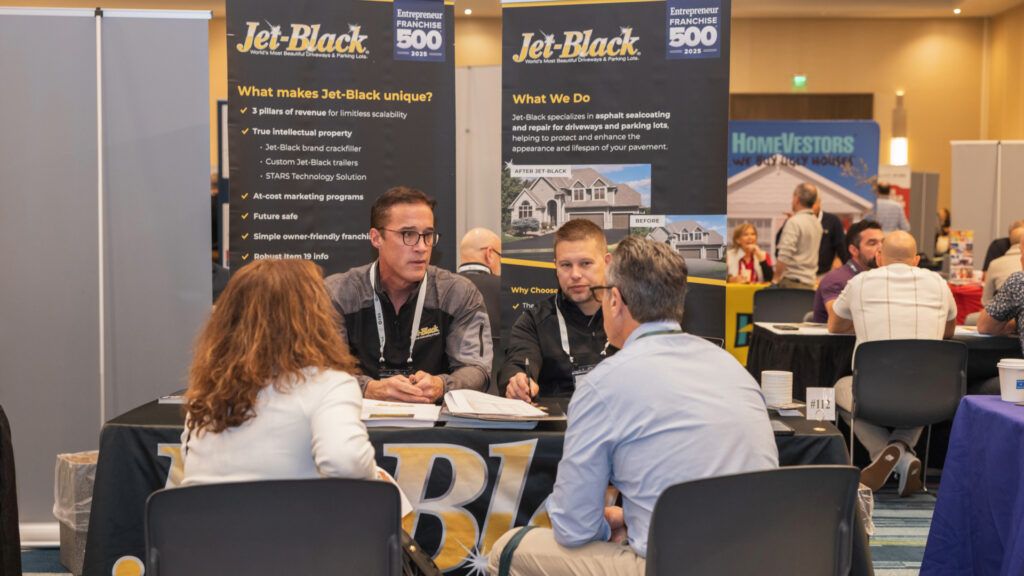
Large expos and conferences often look like the main attraction, but many of the best relationships for brokers begin in smaller, less formal settings. Breakfast tables, hallway chats, evening mixers, roundtables, and coffee meetings are usually where more candid and detailed conversations happen.
Franchise consultant networks and broker associations have recognized this and often build dedicated networking segments, roundtables, and retreats into their event calendars. These experiences are designed to reduce noise, support real dialogue, and give brokers more time with the people they most want to know.
Ways brokers can be intentional in small settings.
To get more value from these smaller conversations, brokers can:
- arrive early to meals or receptions so there is time for relaxed introductions
- stay after useful sessions to ask questions and continue the discussion
- invite one or two people to coffee between scheduled events
- choose one-on-one or small-group time instead of trying to bounce between too many quick interactions
People tend to remember conversations that feel thoughtful and unhurried. A 15-minute, honest conversation about what kind of candidates really work for a brand or what support a franchisor is actually prioritizing this year is far more valuable than five rushed exchanges where no one learns anything new.
Way 3: Follow Up in a Way People Actually Remember.
The value of an event for a broker usually depends on what happens after everyone goes home. Many connections fade because follow-up is generic, delayed, or disconnected from the actual conversation. A message that says “great to meet you” and nothing else rarely moves a relationship forward.
Better follow‑up is specific and useful. It shows that you listened, that you respect the other person’s time, and that you understand how to continue the conversation without forcing it into a transaction too quickly. For brokers, this can be as simple as referencing one detail from the conversation and offering something small that adds value.
What strong broker follow‑up can include.
A simple, effective follow‑up note might include:
- a reminder of where you met (“We sat together at the franchise finance panel…”)
- one concrete detail from your conversation (“You mentioned you’re focused on multi‑unit operators…”)
- a relevant resource or introduction (“Here’s a short overview I share with candidates in that segment…”)
- a light next step, only if it makes sense (“If you’d like, I’d be happy to reconnect for 15 minutes after the event rush settles.”)
This kind of follow‑up signals that you are organized, attentive, and easy to work with. Over time, that reputation can influence which brokers franchisors want in their orbit, which peers they refer opportunities to, and how quickly people reply when you reach out.
Events as Part of a Long‑Term Broker Strategy.
When brokers stop treating events purely as lead‑collection opportunities, the nature of those events changes. Instead of feeling like a sprint to meet as many people as possible, they become structured chances to strengthen the relationships that matter most to your business and your candidates.
This approach also matches how many franchise organizations describe their own gatherings. Franchise networks, consultant associations, and broker conferences consistently highlight networking, learning, collaboration, and community as core goals of their events, not just prospect capture. For brokers, using events to build trust, context, and visibility fits naturally with that design.
When you use events this way, the outcomes often show up weeks or months later: a franchisor reaches out because you stayed in touch, a broker remembers you when they need a partner, or a supplier introduces you to someone who needs your help. None of that comes from counting names alone. It comes from treating events as part of a long-term relationship strategy.
What to Keep in Mind for Your Next Event.
For franchise brokers, three simple habits can change how events feel and what they produce:
- Go in with a short list of relationship goals instead of a lead quota.
- Use smaller conversations and side moments to have more honest, useful discussions.
- Follow up with specific, thoughtful messages that reflect what you actually talked about.
In a relationship-driven industry, those habits matter. They help you build familiarity and trust with the people who matter most in your broker business, rather than just adding more names to a list.