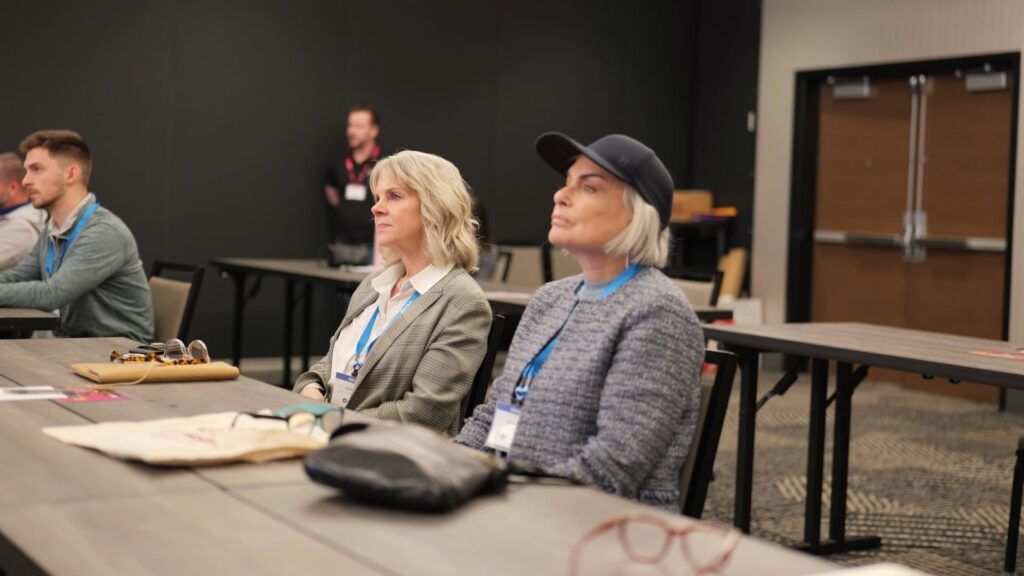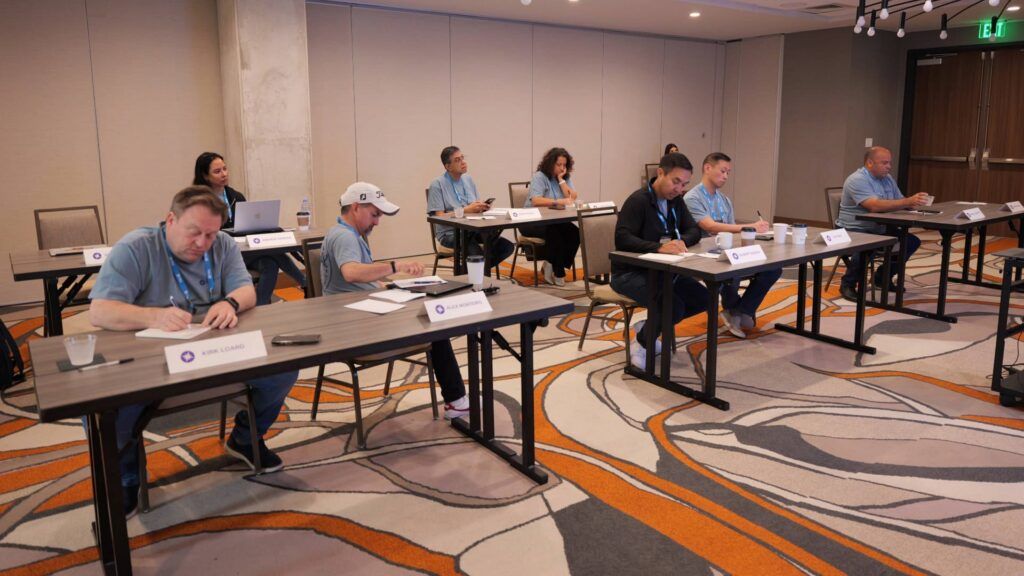


A Discovery Day agenda is more than an internal schedule. It is the roadmap that franchise brokers use to prepare candidates before they arrive.
When a broker can explain the day clearly, candidates know what to expect, whom they will meet, and what questions they should bring. That preparation reduces uncertainty. It also helps candidates arrive ready to evaluate the opportunity seriously.
A vague agenda has the opposite effect. If the schedule only says “financial review,” “operations,” and “lunch,” brokers must fill in the gaps themselves. Candidates may arrive with the wrong expectations, overlook key preparation steps, or feel overwhelmed by the day.
The goal is simple: create a Discovery Day agenda that a broker can explain in less than one minute.
For a broker-side view of candidate preparation, see FBA’s guide on preparing franchise candidates for Discovery Day.
Start With One Clear Purpose
Your agenda should begin with a short statement that explains what Discovery Day is and is not.
Brokers need language they can repeat confidently. For example:
Discovery Day is a structured opportunity for you and the franchisor to learn more about each other, confirm whether the business is a strong fit, and identify what information is still needed before a decision is made.
This framing matters because Discovery Day should not feel like a surprise sales presentation. It should feel like a mutual evaluation process.
Candidates should understand that the franchisor is assessing fit, just as they are assessing the leadership team, business model, training, support, and culture.
FBA’s Discovery Day preparation resource reinforces this approach by helping brokers explain the event in neutral terms and helping candidates prepare decision-level questions in advance.
Use a Simple Five-Part Agenda
The easiest Discovery Day agenda for brokers to explain follows a clear story. It moves from the brand’s purpose to the candidate’s practical decision.
A strong structure usually includes five parts:
- Welcome and brand story
- Leadership and culture
- Business model and operations
- Training and franchisee support
- Questions, fit review, and next steps
This order helps candidates process information naturally. First, they understand who the company is. Then, they learn how the business works. Finally, they see how the franchisor supports franchisees and what happens after Discovery Day.
A broker should be able to say:
You will meet the leadership team, learn how the business operates, see how training and support work, ask direct questions, and leave with clarity on the next steps.
That is far more useful than sending a candidate a long list of disconnected meetings.
Give Every Agenda Block a Purpose
Avoid generic labels that force brokers to interpret the schedule.
For example, “Operations Review” does not tell a candidate what they will learn. A clearer agenda label would be:
Operations walkthrough: what a franchisee manages each day and how the system supports execution
Likewise, replace “Financial Review” with:
Investment and financial discussion: understanding the costs, fees, and financial information available in the FDD
Each block should answer one question:
What should the candidate understand after this session?
Here are examples of broker-friendly agenda labels:
| Vague agenda label | Broker-friendly agenda label |
|---|---|
| Company overview | Brand story and growth vision: who we are and where we are going |
| Operations | Daily operations: what it takes to run the business successfully |
| Training | Training and launch support: what happens before and after opening |
| Financial review | Investment and financial information: what to review with qualified advisors |
| Q&A | Candidate questions: getting clarity from leadership and support teams |
| Closing | Fit review and next steps: what happens after Discovery Day |
Plain language improves readability for candidates. It also makes the agenda easier for brokers to explain accurately during a call, email, or text message.
Show Candidates Who They Will Meet
Candidates do not attend Discovery Day just to watch presentations. They want to meet the people who will shape their experience as franchisees.
Your agenda should name the functions involved, not simply list “team introductions.” For example:
- Executive leadership
- Franchise development
- Operations and field support
- Training
- Marketing
- Real estate or site selection, when applicable
- Technology or customer support
- Current franchisees, when available
This gives brokers a useful way to prepare candidates. They can tell a candidate which team members are best equipped to answer questions about training, marketing, territory, daily operations, or support after opening.
FBA’s Discovery Day decision-engine guide emphasizes the value of giving candidates time with operations, training, marketing, and leadership rather than relying on nonstop presentations.
Be Specific About Financial Discussions
Financial clarity is essential, but the agenda should not overpromise. Your descriptions must match what the franchisor can properly provide and what is included in the Franchise Disclosure Document.
Instead of saying, “Learn how much you will make,” use language such as:
Review the investment range, ongoing fees, and available financial performance information so you can continue your due diligence with qualified legal, financial, and tax advisors.
If your FDD includes an Item 19 financial performance representation, make that clear without turning the agenda into an earnings claim. If no Item 19 is provided, the agenda should not imply that candidates will receive financial performance data that does not exist.
Brokers can better prepare candidates when they know precisely what financial topics will be covered. They can also encourage candidates to arrive with informed questions after reviewing the FDD and speaking with franchisees.
The Federal Trade Commission explains that candidates must receive the FDD at least 14 calendar days before signing a franchise agreement or paying money to the franchisor. Review the FTC’s overview of the Franchise Disclosure Document when planning compliant candidate communications.
Include Real Access, Not Just Presentations
A broker-friendly agenda makes it clear that candidates will have meaningful interaction, not just passive information sessions.
Whenever possible, build in:
- Time with functional leaders
- A tour of headquarters, a training center, or an operating location
- A practical look at the systems franchisees use
- A meeting or validation opportunity with current franchisees
- Dedicated time for unfiltered candidate questions
Candidates often learn the most during informal moments. A lunch, location tour, or conversation with an operations leader may reveal more about the brand’s culture than a slide deck ever could.
Tell brokers in advance where those moments happen in the schedule. Then they can coach candidates to stay engaged throughout the day, not only during formal presentations.
Leave Space for Candidate Questions
A full agenda is not always a strong agenda. If every minute is programmed, candidates may leave without asking the questions that matter most to their decision.
Set aside clear time for questions. Better yet, tell brokers how candidates should prepare.
A useful pre-Discovery Day instruction is:
Bring your five most important remaining questions. Think about which team member is best positioned to answer each one.
This helps candidates move beyond broad questions such as, “Is this a good opportunity?” Instead, they can ask focused questions about training, ramp-up, staffing, local marketing, operational demands, territory, and leadership support.
For additional guidance, share FBA’s article on franchise candidate red flags every broker should know. It can help brokers identify whether a candidate has completed the preparation work needed for a productive Discovery Day.
End With Clear Next Steps
Do not end Discovery Day with, “Take some time to think about it.”
That leaves candidates and brokers uncertain about the process. Instead, reserve a final agenda block for a fit review and a documented next-step plan.
Your closing section should explain:
- What the candidate should do after the visit
- Which questions still need answers
- Whether more validation calls are needed
- Whether territory review or site-selection discussions are next
- Who owns each follow-up item
- When the candidate can expect the next conversation
- How the franchisor will communicate an approval, pause, or decline decision
A broker should leave the day able to tell the candidate exactly what happens next. This protects the candidate experience and keeps the broker aligned with the franchisor’s process.
Accurate broker communication also depends on current brand information. FBA’s guide on how often franchisors should update brokers offers a useful framework for keeping brokers informed about changes to the FDD, territories, messaging, and marketing materials.
Create a One-Page Broker Brief
Your candidate packet may need extensive logistical and legal detail. However, brokers also need a separate one-page document they can use before the event.
This broker brief should include:
- The purpose of Discovery Day
- The date, location, and expected duration
- A five-part agenda summary
- The key people and departments candidates will meet
- What candidates should prepare before attending
- What financial and business-model topics will be discussed
- What happens after the event
- The best contact for logistical questions
This is not a duplicate of the candidate packet. It is a translation tool.
When brokers receive a simple, current, and accurate brief, they can prepare candidates with confidence. That helps candidates arrive ready, improves the quality of questions, and makes the day more productive for everyone.
Broker-Friendly Agenda Checklist
Before sharing your next Discovery Day agenda, ask:
- Can a broker summarize the purpose of the day in one or two sentences?
- Does each agenda block use plain language?
- Does the schedule follow a logical story from brand to business model to support to next steps?
- Are the leadership and support roles clearly identified?
- Does the agenda state what financial information will and will not be discussed?
- Is there enough time for meaningful candidate questions?
- Are the post-Discovery Day steps specific, documented, and assigned?
- Have you created a one-page broker brief separate from the full candidate packet?
If the answer is yes, you have done more than build an agenda. You have given brokers a reliable tool for setting expectations, preparing candidates, and supporting stronger franchise decisions.
Frequently Asked Questions
What makes a Discovery Day agenda easy for brokers to explain?
A broker-friendly agenda uses plain-language labels, follows a clear sequence, names the people candidates will meet, explains the purpose of each session, and includes specific next steps after the event.
Should franchisors send brokers a different Discovery Day document?
Yes. A one-page broker brief is helpful because it turns a detailed candidate itinerary into simple talking points brokers can use before the event.
What should a franchisor include in a Discovery Day agenda?
Include the brand story, leadership introductions, business-model review, operations, training and support, candidate questions, relevant tours or franchisee conversations, and a documented next-step process.
How should franchisors describe financial discussions at Discovery Day?
Use accurate, compliance-aware language. Explain that candidates will review investment, fees, and any financial performance information included in the FDD, then encourage them to continue due diligence with qualified advisors.
Why should Discovery Day agendas include a next-step section?
A documented next-step section prevents confusion after the event. It tells candidates and brokers what still needs to happen, who owns each action, and when the next decision point will occur.