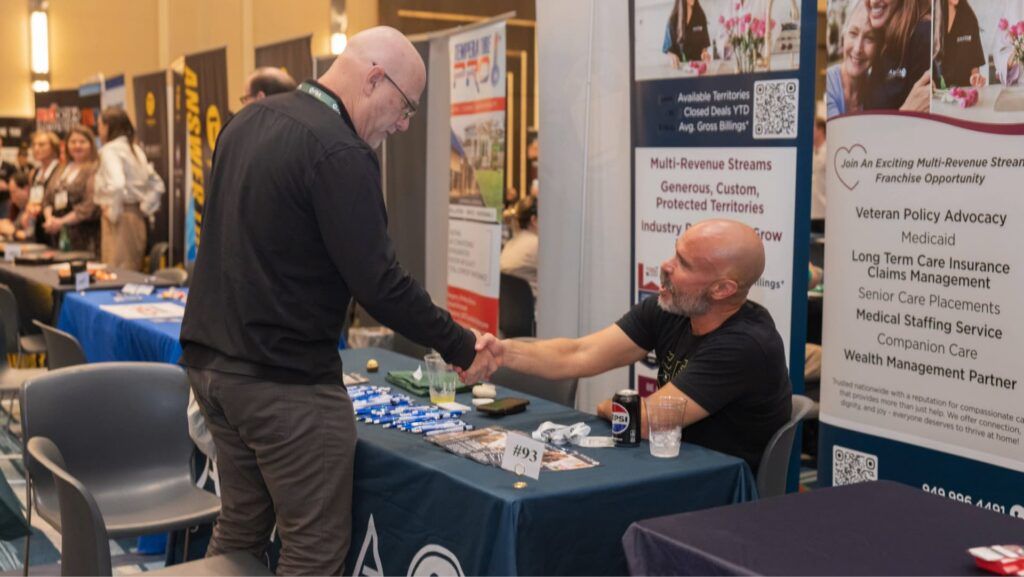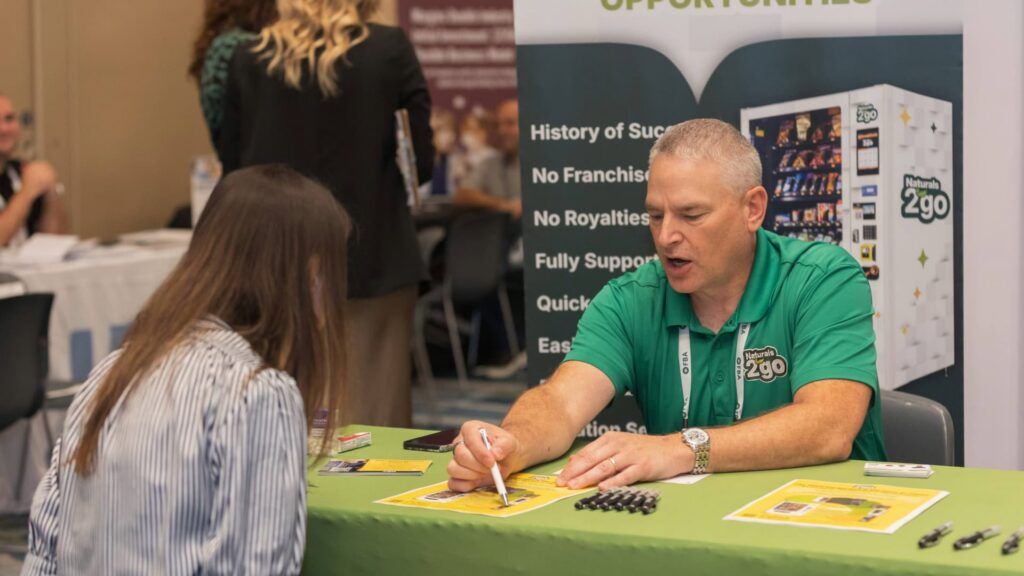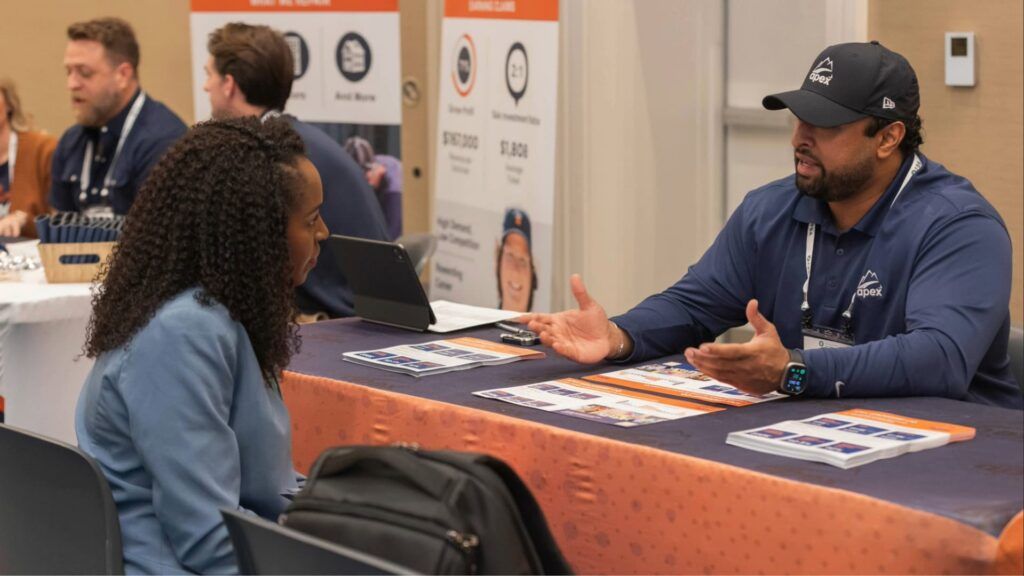



Too many franchise choices can make a candidate feel stuck instead of empowered. When Too many franchise choices can make a candidate feel stuck instead of empowered. When someone sees dozens of franchise categories, investment levels, ownership models, and brand names, they may keep researching without making progress.
This is often called decision paralysis or choice overload. The issue is not that candidates have too many good options. The issue is that they do not yet have a clear way to compare those options.
For franchise brokers, the answer is not to show more brands. The answer is to create a simpler decision path.
Your role is to help the candidate move from a long list of possibilities to a smaller group of realistic opportunities that match their goals, finances, lifestyle, and preferred role as an owner.
Start With the Candidate, Not the Franchise List
When a candidate feels overwhelmed by too many franchise choices, pause the brand discussion and return to discovery.
Candidates often begin by asking about a specific category or well-known brand. However, the category they mention may not match the lifestyle, management responsibilities, or investment level they actually want.
Clarify the Candidate’s Ownership Goals
Start with the reason behind the franchise search.
Ask questions such as:
- Why are you exploring franchise ownership now?
- What do you want to change about your current career or lifestyle?
- What would make business ownership feel worthwhile?
- What are you hoping to gain that you do not have today?
These questions reveal the motivation behind the search. A candidate may say they want a franchise in a category they enjoy, but their deeper goal may be more flexibility, greater income potential, team leadership, or a path out of corporate employment.
Define the Preferred Owner Role
Next, clarify how the candidate wants to participate in the business.
Some candidates want to manage daily operations. Others want to hire a manager and focus on leadership, sales, or long-term growth. Some want a single location, while others are interested in building a multi-unit operation over time.
Ask about their comfort with staffing, local sales, customer relationships, evening or weekend work, and operational accountability. The answers will narrow the category search more effectively than asking which brands they recognize.
For practical discovery prompts, see Questions to Ask Franchise Candidates for Better Insights.
Narrow Franchise Choices Before Comparing Brands
Candidates do not need to compare every franchise category.
A better approach is to select no more than three categories that fit the candidate’s broad profile. For example, a candidate could explore home services, business services, and senior care rather than reviewing every available franchise option.
This does not limit opportunity. It creates the focus needed for thoughtful evaluation.
You can explain the process this way:
we are not trying to find every franchise you could buy. we are identifying the few business models that best match your goals, resources, and preferred role as an owner.
Once a candidate understands this, the pressure to find the “perfect” franchise immediately often disappears.
Use Three Category Filters
Before introducing brands, filter options through three practical questions:
- Does the category fit the candidate’s investment range?
- Does it require a hands-on owner, a manager-led owner, or both?
- Does the candidate have the leadership skills the model requires?
You can also consider operating hours, staffing demands, local sales responsibilities, customer interaction, geographic needs, and long-term ownership goals. These filters reduce too many franchise choices into a manageable short list.
Explain Why Some Options Are Not a Fit
Candidates may worry that narrowing choices means missing something better.
Address that concern directly. Explain that you are not excluding brands because they are bad. You are excluding them because they do not currently match the candidate’s stated goals, financial situation, or preferred ownership role.
This builds trust because the candidate sees that your process is based on fit, not on pushing a list of available opportunities.
Compare Franchise Opportunities With a Simple Framework
A consistent comparison framework helps candidates move beyond first impressions.
Instead of asking, “Which brand do you like best?” guide candidates to compare each opportunity using the same criteria.
Review Investment, Role, Lifestyle, Skills, and Support
| Fit factor | What to review |
|---|---|
| Investment | Does the estimated investment, liquidity need, and working-capital requirement fit the candidate’s financial plan? |
| Owner role | Is the business owner-operated, manager-led, sales-driven, operationally intensive, or designed for multi-unit growth? |
| Lifestyle | Do the hours, travel, staffing demands, and local involvement fit the candidate’s preferred lifestyle? |
| Transferable skills | Does the candidate’s background in leadership, sales, operations, or relationship-building transfer to the business model? |
| Support | Do the franchisor’s training, systems, technology, and field support match the guidance the candidate expects? |
This framework helps candidates understand that a franchise is not only a brand decision. It is also a business-model and lifestyle decision.
Keep the Comparison Focused
Avoid building a complicated scorecard with too many categories.
A candidate does not need to rate twenty different variables before taking the next step. Focus on the factors that have the greatest effect on long-term fit.
Use a short comparison sheet. Ask the candidate to identify what they like, what concerns them, and what they still need to verify for each opportunity.
That process turns a vague feeling of overwhelm into a clear list of questions.
Separate Must-Haves From Preferences
Candidates can become stuck when every preference feels equally important.
Help them identify what is essential and what is optional.
Identify Non-Negotiables
A non-negotiable may be a specific investment range, a manager-led model, a preferred geographic area, or a business that does not require prior industry experience.
It may also include an operating schedule that avoids nights or weekends, a certain level of flexibility, or a model that allows the candidate to use their existing leadership skills.
These are standards the candidate should not ignore simply because a brand feels exciting.
Recognize Nice-to-Haves
A nice-to-have may include a favorite industry, a familiar brand name, a specific type of customer, or a business that sounds impressive to friends and family.
These preferences matter, but they should not override the operational realities of the business.
A broker does not decide for the candidate. The broker helps the candidate recognize which criteria should guide the decision.
Limit the Number of Franchise Brands
Once you have narrowed the candidate to a few relevant categories, limit the number of brands you introduce at one time.
For many candidates, three to five carefully selected opportunities are enough for an initial presentation. More than that can create confusion and encourage comparison without progress.
Each brand should have a clear reason for being included. Explain why it may fit the candidate’s investment range, ownership goals, leadership background, lifestyle preferences, desired involvement level, geographic needs, and long-term business objectives.
When candidates understand the reason behind each recommendation, they are less likely to feel as though they received a random list of franchise choices.
Give Candidates One Clear Decision at a Time
Too many franchise choices become overwhelming when candidates believe they must make every decision at once.
They do not need to select a brand, secure financing, review the FDD, speak with franchisees, plan a launch, and decide on a territory during the same week.
They need one clear next step.
Choose the Next Best Action
The next action may be confirming an investment range, choosing two categories to explore, reviewing three brand summaries, preparing questions for a franchisor call, or discussing ownership goals with a spouse or partner.
Later, the next action may become franchisee validation, a Discovery Day visit, an FDD review, or a conversation with a qualified advisor.
A clear next step reduces pressure and keeps the candidate moving forward.
For a practical framework, read How to End Every Broker Call With One Clear Next Step.
Assign Focused Research Homework
Do not tell a candidate to “do more research” without explaining what that means.
Instead, give a focused assignment. Ask the candidate to review two brand summaries, write down three questions, confirm their investment range, or discuss their ownership goals with a key decision-maker.
Specific homework feels manageable. General homework can add to the feeling of overwhelm.
Explain Franchise Choices in Plain Language
Industry jargon can make candidates feel less confident.
Terms such as Item 19, protected territory, royalty fee, manager-led, validation, Discovery Day, and working capital may be familiar to brokers but confusing to people who are new to franchising.
Translate Franchise Terms Clearly
Use plain language first. Then introduce the industry term if it is useful.
For example, explain Item 19 as “the section of the FDD that may include financial performance information.” Describe validation as “speaking with current franchisees about their experience.” Explain a manager-led model as “a business where you hire a manager to run daily operations while you remain responsible for leadership and results.”
Clear language makes franchise choices easier to compare.
For more support, share FBA’s guide to the most misunderstood FDD items.
Help Candidates Prepare Better Questions
Candidates do not need every answer before moving forward. They need to know which questions matter.
Encourage them to ask franchisors and franchisees about training, staffing, local sales, daily ownership demands, support after opening, territory, and the transition from signing to launch.
The Federal Trade Commission also encourages prospective franchise buyers to conduct thorough research, review required franchise disclosure information, and speak with current and former franchisees. The FTC’s guide to researching franchise opportunities is a reliable, non-competitor resource to share with candidates.
Know When to Pause the Franchise Search
Not every overwhelmed candidate needs more information. Sometimes they need time.
A candidate may need a pause if they cannot identify basic goals, do not have a realistic investment range, have not involved a spouse or partner, or remain unclear about the kind of owner they want to become.
Identify Readiness Gaps
Look for signs that the candidate needs more preparation before reviewing additional brands.
For example, they may still be unclear about their available capital, desired ownership role, timeline, family alignment, or willingness to manage people. They may also be trying to make decisions based only on brand recognition rather than business-model fit.
Recognizing these gaps early protects the candidate from rushed decisions and prevents unnecessary referrals.
Give Candidates a Productive Pause
A pause is not a failure. It is responsible broker guidance.
Give the candidate one or two actions to complete before the next call. Ask them to confirm their investment range, rank their top ownership priorities, discuss the opportunity with a spouse or partner, complete a personal financial review, or write down their biggest concerns about business ownership.
This gives the candidate a productive way to move forward without adding more franchise choices.
FBA’s article on franchise candidate red flags can help brokers recognize readiness issues that may require a pause, more preparation, or a different path.
Prepare Candidates for Discovery Day
Discovery Day can create a new wave of overwhelm if candidates do not understand what to expect.
Explain that Discovery Day is an opportunity to learn more about the franchisor, meet the leadership team, ask detailed questions, and decide whether they want to continue the process.
Candidates do not need to arrive with every answer. However, they should arrive ready to ask informed questions.
Help Candidates Focus on the Right Questions
Encourage candidates to prepare questions about:
- Training and support
- Daily operating responsibilities
- Staffing requirements
- Territory or location considerations
- Technology and systems
- Franchisee relationships
- The transition from signing to opening
- Their remaining concerns about fit
FBA’s guide on how to create a Discovery Day agenda for brokers offers a useful explanation of what candidates can expect from a structured Discovery Day experience.
Create Clarity Without Rushing the Decision
A franchise broker should not add to a candidate’s confusion.
Your role is to simplify the decision without oversimplifying the due-diligence process. Help candidates understand their ownership goals, narrow broad options into realistic categories, compare opportunities using consistent criteria, and focus on one decision at a time.
Candidates do not need a broker to tell them what to buy. They need a trusted guide who can create a clear path through a complex decision.
Frequently Asked Questions
Why do candidates feel overwhelmed by too many franchise choices?
Candidates can feel overwhelmed because franchising includes many categories, brands, investment levels, ownership models, and operating requirements. Without a clear comparison process, too many franchise choices can lead to decision paralysis.
How many franchise brands should a broker present at once?
For many candidates, three to five carefully selected brands are enough for an initial presentation. The right number depends on the candidate, but limiting choices can make comparison easier and more productive.
How can brokers help candidates choose a franchise category?
Brokers should begin by understanding the candidate’s investment range, lifestyle goals, management preferences, professional background, desired involvement level, and long-term ownership objectives. Then they can narrow the search to a small number of relevant categories.
What should a broker do when a candidate cannot make a decision?
Slow the process down. Help the candidate clarify priorities, confirm their investment range, speak with key decision-makers, and complete one clear next step rather than introducing more options.
Is it normal to feel overwhelmed when choosing a franchise?
Yes. Franchise ownership is a significant financial and lifestyle decision. Feeling overwhelmed is common, especially early in the research process. A structured decision framework can help candidates regain clarity and move forward confidently.