

Next steps after a sales call determine whether a deal keeps moving or quietly stalls. More than a third of sales calls end with no agreed next action, and for franchise brokers, that gap is especially costly. A candidate who hangs up unsure of what happens next has time to second-guess the conversation, get distracted by another opportunity, or simply forget to follow through.
The fix isn’t a better pitch. It’s a habit: reserve the last few minutes of every call, out loud, to lock in exactly one next step before you say goodbye. Brokers who announce this intention at the start of the call, rather than scrambling for it at the end, keep the close from becoming a rushed afterthought.
If you want a deeper look at structuring the full conversation before the close, read this guide on preparing franchise candidates for Discovery Day.
Set the Frame Before You Set the Next Step
Set the frame before you dive into discovery. Telling a candidate early, “at the end of this call, we’ll decide together if it makes sense to keep talking, and what that looks like,” removes pressure and turns the eventual next step into something expected rather than forced.
This single move changes how the rest of the call unfolds, because the candidate knows there’s a decision point coming and stays more engaged toward it.
This works especially well for franchise brokers because your first call is rarely a close. It’s a mutual fit check. Naming that upfront, rather than treating it like a sales pitch, matches the tone candidates expect from a consultant rather than a salesperson.
Sandler Training’s research on call structure supports this approach, noting that setting the frame early is one of the most reliable ways to ensure every call ends with an agreed next step, a principle detailed further in Sandler’s guide to ending calls with next steps.
Build Toward the Next Step, Don’t Wait for It
The best broker calls don’t save the next step for the final sixty seconds. They build toward it throughout the conversation by checking in along the way. Simple questions like “does it make sense to keep going in this direction?” or “is this tracking with what you were hoping to explore?” create small moments of agreement that make the final ask feel natural instead of sudden.
This matters in franchise conversations specifically, because candidates are often processing a major life decision in real time.
Checking in periodically gives them room to redirect the conversation toward what actually matters to them, which makes the eventual next step more likely to stick.
Why Real Broker Relationships Make the Next Step Easier
The strength of the next step you can offer a candidate often depends on the strength of your relationship with the franchisor behind the scenes.
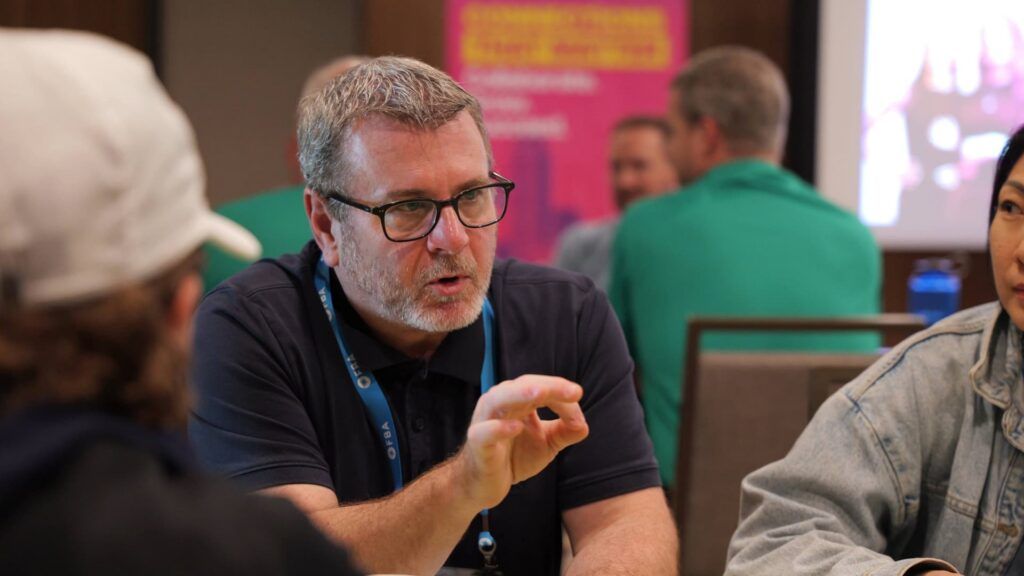
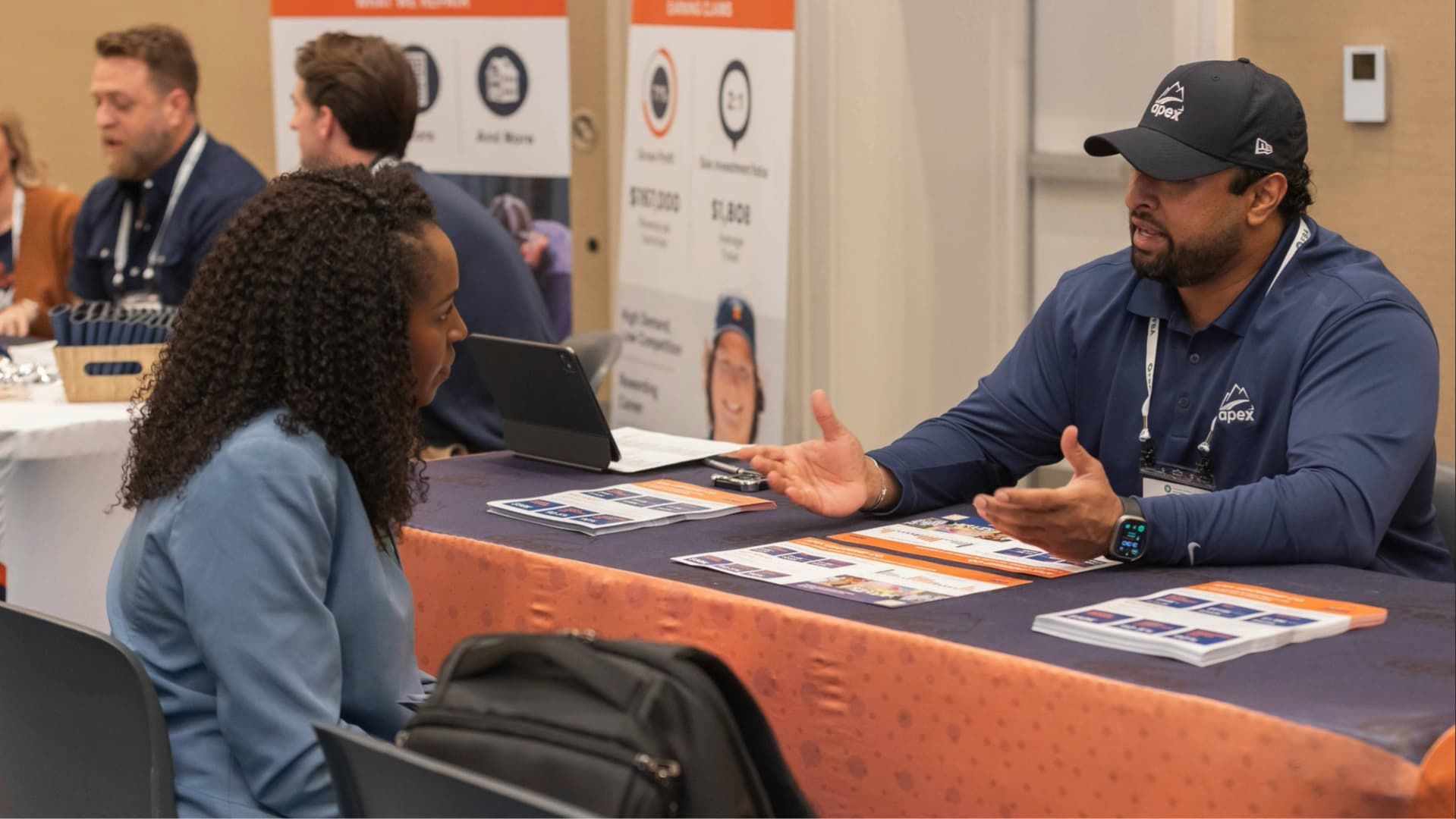
FBA broker David Whalen has described exactly this dynamic: regional events where brokers meet development reps in person are “a great way to build relationships with the reps,” and that familiarity is “huge when it comes to having confidence in sending and handing off our candidates.” When you know a rep personally, you can commit to a next step with real confidence instead of a vague promise to “check and get back to you.”
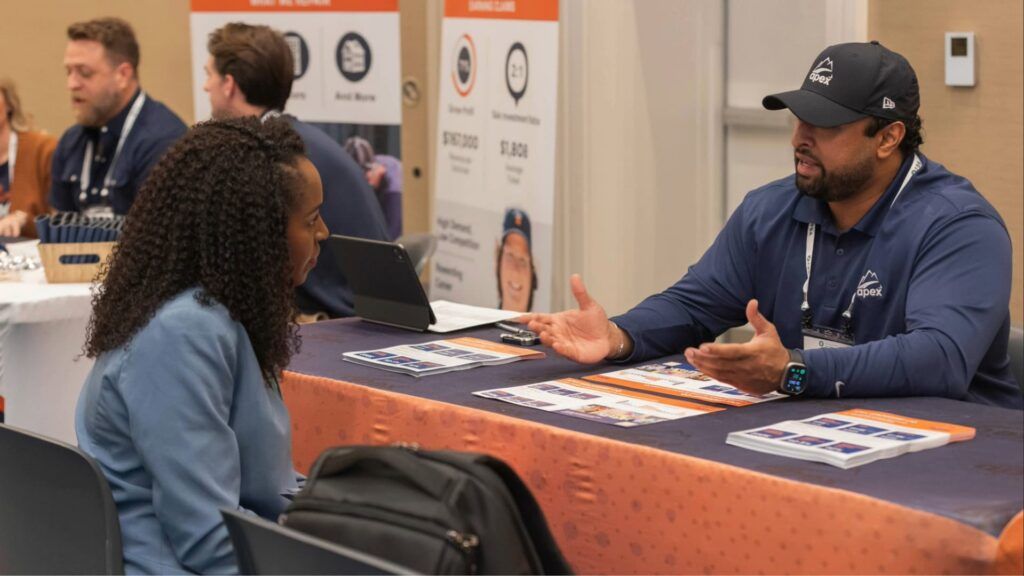
That difference shows up in real calls. At FBA’s 2026 Phoenix Regional, one broker took a call from a candidate mid-event, connected directly with the brand’s rep in real time, completed a territory check on the spot, and moved forward with presenting the opportunity the very next week.
That’s what a strong next step looks like when the relationship behind it is already built: specific, fast, and immediately actionable, rather than stuck waiting on a callback. Broker Joanna Murray echoed the same point after that event, saying the deeper brand insight she gained left her “much more confident” that she could present the right brands to the right candidates going forward.
The Four-Part Close: What Every Next Step Needs
A next step without specifics is just a hope. To make it real, every next step you set on a broker call should include four elements.
- A single action. Pick one thing, not three, whether it’s a second call, a franchise disclosure document review, or an introduction to a franchisor.
- An owner. State clearly who does what. “I’ll send you three brand overviews” is different from “we’ll figure out next steps.”
- A specific date and time. Book it live, on the call, rather than saying “I’ll send some times later.” That phrase is where most next steps quietly die.
- A stated purpose. Explain what the next step accomplishes, so the candidate understands why it matters and not just when it happens.
Franchise consultants who set expectations before the first conversation even begins tend to spend that time more efficiently with candidates, because both sides already understand what a productive call looks like.
For brokers who want to sharpen how they read a candidate’s readiness before setting a next step, this guide on franchise candidate red flags every broker should know is a useful companion resource.
What a Strong Next Step Looks Like Around a Discovery Day
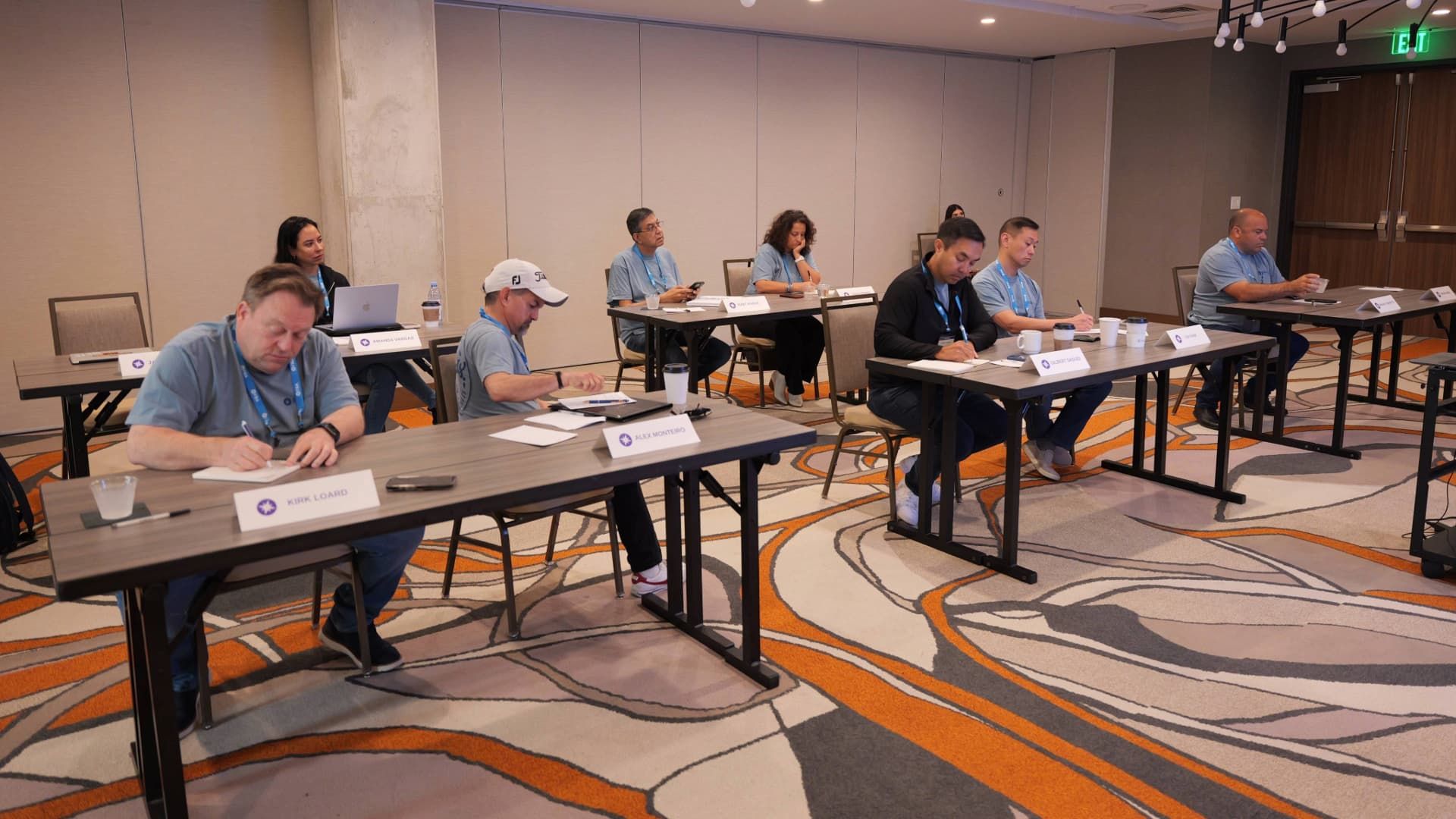
For many candidates, the most natural next step after a promising call isn’t another phone conversation. It’s an invitation to a franchisor’s Discovery Day, a structured two-to-three day event where candidates get to know the corporate team, meet current franchisees, and see the operation firsthand.
Framing a Discovery Day invitation as the specific next step, rather than a loose suggestion to “look into it,” gives candidates a concrete, time-bound action to commit to.
When you set this next step, be specific about what the candidate should expect: who they’ll meet, what gets covered, and what decision point comes after. Candidates who understand the structure of what’s ahead are far more likely to show up prepared and ready to move forward, rather than treating the invitation as optional.
Scripts for Setting Next Steps After a Sales Call
Different calls call for different closes, but the structure stays the same: summarize, confirm, and lock in one action with a date attached.
- After a first discovery call: “based on what we covered, i think it makes sense to set up a short call with [franchisor] this week. does thursday at 2pm work for you?”
- When a candidate is hesitant: “it sounds like you want more information before committing to a next conversation. i’ll send you the two brand summaries we discussed by tomorrow morning, and i’ll follow up friday to see what questions came up.”
- When a candidate is ready to move quickly: “the next step is connecting you directly with the franchisor’s development team. i can set that call for early next week, does tuesday or wednesday work better for you?”
- When the candidate needs to check with a spouse or partner: “that makes sense, this is a big decision. let’s set a follow-up call for next monday so you have time to talk it through, and i’ll send a short summary today to make that conversation easier.”
- When the candidate is ready for deeper immersion: “given everything we’ve covered, i think a discovery day with [franchisor] makes sense. i can get you on the calendar for their next session, does that timing work on your end?”
Notice that every version ends with a specific day, not “soon” or “sometime next week.” Vague windows are where broker follow-up sequences fall apart.
Confirm the Next Step Before You Hang Up
Once you’ve proposed a next step, don’t assume agreement. Ask directly, “does that work for you?” or “did i capture that right?” This co-creates the plan with the candidate rather than just announcing it, and it surfaces any hesitation while you’re still on the call and able to address it.
This single confirmation step also protects you from a common broker mistake: assuming a candidate is on board simply because they didn’t object. Silence isn’t agreement. A direct confirmation question closes that gap.
Lock In the Next Step Within 24 Hours
The call itself only sets the plan. A short follow-up message sent within 24 hours is what makes it stick, while the conversation is still fresh in the candidate’s mind. Keep it brief: recap the one agreed next step, restate the date, and attach anything you promised to send.
A simple template:
“thanks for the time today. as discussed, next step is [specific action] on [date/time]. i’ll [what you’re sending or doing], and you’ll [what they agreed to do]. talk soon.”
This isn’t about volume. Two or three well-timed touches around a clear commitment outperform a long, scattered follow-up sequence every time. Forbes’ research on lead follow-up best practices reinforces this point directly, noting that clarity about next steps at the end of every communication is one of the most reliable ways to keep a deal moving, a principle detailed further in Forbes’ guide to lead follow-up best practices.
A Quick Self-Check After Every Call
Before you move to your next call, ask yourself three questions.
- What was the one next step we agreed on?
- Did the candidate suggest or agree to that step, or did I just announce it?
- Is there a specific date and owner attached to it?
If you can’t answer all three clearly, the call didn’t actually end with a next step, even if it felt productive. Building this check into your routine after every call is what turns setting clear next steps after a sales call from an idea into a habit that shows up in your pipeline numbers. For related guidance on keeping the information behind those next steps accurate, see this breakdown of how often franchisors should update brokers.
Frequently Asked Questions
What are the best next steps after a sales call?
The best next steps after a sales call include a single specific action, a clear owner, a booked date and time, and a stated purpose, rather than a vague plan to “follow up soon.”
What’s the biggest mistake brokers make when ending a call?
Leaving the next step vague, such as saying “i’ll follow up soon,” instead of naming a specific action, owner, and date before hanging up.
Should I set the next step at the beginning or end of the call?
Both. Name the intention to agree on a next step at the start of the call, then build toward it with small check-ins throughout, so the final ask feels expected rather than sudden.
How quickly should I follow up after a sales call?
Send a brief recap within 24 hours while the conversation is still fresh, restating the one agreed next step and its date.
What if the candidate won’t commit to a specific next step?
Offer a lower-commitment option, such as sending a short resource with a fixed follow-up date attached, rather than leaving the call with no plan at all.
Is a Discovery Day invitation a good next step?
Yes, for candidates who are ready to go deeper. A Discovery Day gives them a structured, time-bound opportunity to meet the corporate team and current franchisees before making a final decision.