

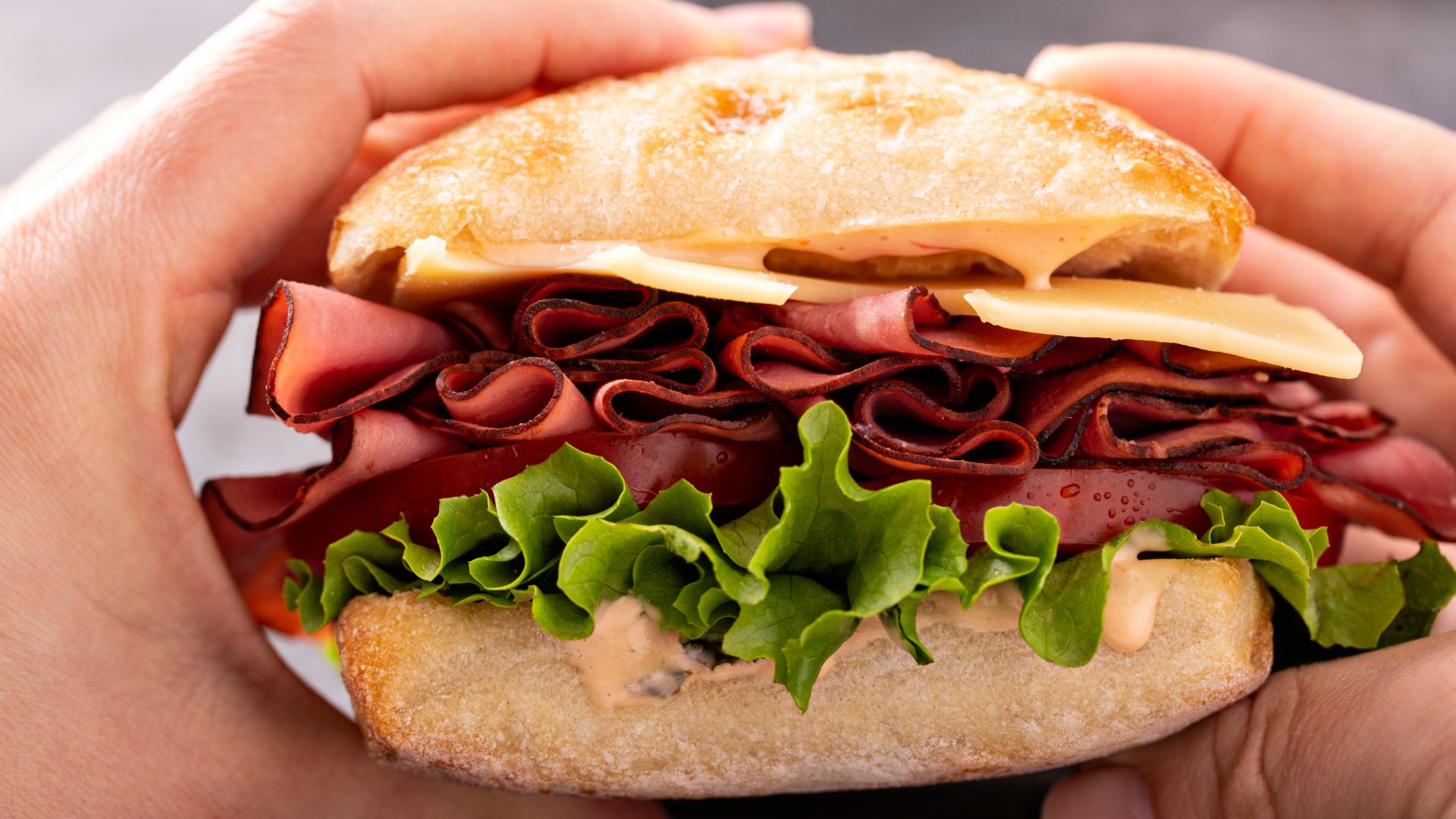
The Arby’s franchise sits in a unique spot in the quick-service restaurant (QSR) world. Instead of burgers, Arby’s built its brand around slow-roasted roast beef, deli-style sandwiches, and a bold “We Have The Meats®” identity that stands out in a crowded sandwich category.
If you’re searching for terms like “Arby’s franchise,” “Arby’s franchise cost,” or “Is an Arby’s franchise a good investment?”, this guide is designed to give you a structured, realistic overview—not hype or guarantees. We walk through how Arby’s started, how the franchise operates today under the Inspire Brands umbrella, what franchise candidates typically need to know about startup costs and requirements, and the practical pros and cons to consider before you move forward.
You’ll also see which ownership profiles tend to align best with the Arby’s franchise model, where this concept may not be the right fit, and what alternative franchise paths might better match your capital, risk tolerance, and lifestyle.
As the Franchise Brokers Association (FBA), our role is to help you understand how a brand’s structure works so you can compare it thoughtfully with other opportunities—not to promise performance or make earnings claims. For objective franchise education, clear frameworks, and brand-comparison tools, explore the FBA Blog, watch or attend a franchise webinar, or listen to expert interviews on FranPath Live.
This article is for educational purposes only. It is not legal, financial, or tax advice, and it does not include or rely on any earnings guarantees or income promises. Always review the most recent Franchise Disclosure Document (FDD) and consult qualified advisors before making any franchise investment decision. For additional independent background, you can also review the Federal Trade Commission’s Consumer’s Guide to Buying a Franchise and the FTC’s Franchise Rule, which governs key disclosure requirements.
Arby’s Franchise – Key Facts at a Glance.
Arby’s operates as a large, drive-thru–focused quick-service restaurant (QSR) brand with strong national awareness and a distinct, meat-forward positioning. Below is a concise snapshot of the Arby’s franchise in 2025:
- Founded: 1964 in Boardman, Ohio
- Founders: Brothers Forrest and Leroy Raffel
- Current Ownership: Part of Inspire Brands, a multi-brand restaurant group that also includes concepts such as Dunkin’, Jimmy John’s, Sonic Drive-In, Buffalo Wild Wings, and Baskin-Robbins.
- Category: Quick-Service Restaurant (QSR) – primarily hot sandwiches and sides, plus beverages and limited desserts
- U.S. Footprint: Roughly 3,400+ restaurants across most U.S. states (exact counts vary over time as units open and close)
- Global Presence: More than 3,600 locations worldwide, including international franchise markets.
- Franchise Structure: Primarily franchise-driven system, with a mix of single-unit and multi-unit operators.
- Typical Operating Hours: Often around 10:00 a.m. to 10:00 p.m., with some drive-thru locations extending hours based on local demand and trade area
- Typical Staffing Range: Approximately 20–40 team members per restaurant, depending on sales volume, drive-thru usage, and dayparts
- Franchisor Support: Access to Inspire Brands’ real estate guidance, design and construction resources, supply chain network, training programs, digital tools (POS, mobile ordering, loyalty), and national plus regional marketing
For the most current brand information and development criteria, you can also review the official Arby’s franchising site.
Origins & Ownership: How the Arby’s Franchise Became a National Powerhouse.
Arby’s began with a contrarian idea: serve slow-roasted roast beef sandwiches instead of hamburgers. In 1964, brothers Forrest and Leroy Raffel opened the first Arby’s in Boardman, Ohio, betting that guests wanted something different from the burger-heavy quick-service landscape.
From that first shop, the Arby’s franchise system grew around a few core differentiators:
- A meat-forward menu built on roast beef, later expanding into turkey, chicken, brisket, and limited-time sandwiches.
- Signature sides and treats like Curly Fries and the Jamocha Shake, which helped Arby’s stand out from value-only competitors.
- A distinctive brand voice (“We Have The Meats®”) and national campaigns that turned Arby’s into one of the most recognizable sandwich brands in U.S. QSR.
Over the decades, the Arby’s franchise system expanded aggressively through franchising, opening thousands of restaurants and establishing a strong drive-thru presence in suburban, highway, and small-city markets across the country.
A major turning point came in 2018, when Arby’s parent company merged with Buffalo Wild Wings to help form Inspire Brands, a multi-concept restaurant group that now includes Arby’s, Sonic, Jimmy John’s, Dunkin’, and Buffalo Wild Wings, among others.
Being part of Inspire Brands gives Arby’s franchisees access to:
- Shared real estate, construction, and design resources.
- Centralized technology, digital, and data tools.
- System-wide supply chain leverage.
- A sophisticated marketing and media platform.
Arby’s remains Inspire’s flagship sandwich concept and one of its most widely recognized brands, with 3,400+ U.S. locations and more than 3,600 restaurants worldwide, the majority operated by franchisees.
Cost to Open an Arby’s Franchise (2025).
If you’re evaluating the Arby’s franchise, understanding the capital required is one of the first steps. While exact numbers depend on site, market, and buildout, public FDD-based summaries indicate that opening a new Arby’s typically requires a total initial investment in the ballpark of $860,000 to $2,450,000+.
Within that range, candidates should plan for:
- Initial franchise fee: commonly around $37,500 (may vary by agreement and timing).
- Real estate, buildout, and construction: turning a site into a full kitchen + drive-thru QSR is a major cost driver.
- Kitchen and production equipment: ovens, fryers, slicers, refrigeration, prep lines, and holding equipment.
- Drive-thru infrastructure: exterior menu boards, headsets, digital screens, and lane configuration where applicable.
- Technology: POS system, back-office tools, loyalty / online ordering platforms, and security systems.
- Initial inventory and supplies: food, packaging, smallwares, uniforms, and cleaning supplies for your launch window.
- Grand opening advertising and local marketing: required initial promotional spend.
- Working capital: cash reserves to cover early payroll, rent, and other operating expenses during ramp-up.
Ongoing fees commonly include a royalty near 4% of gross sales and marketing contributions in the ~5–5.2% range, combining national and local advertising requirements.
For historical context (not current pricing), third-party analysts have published detailed breakdowns based on older FDDs, such as this Arby’s cost analysis on Franchise Chatter. Those figures reflect a 2013 FDD, so they should be treated as historical reference only—not as up-to-date investment guidance.
Important disclaimer: All figures above are high-level estimates, compiled from FDD-based summaries and other credible public sources. Actual startup costs can be higher or lower based on your market, site condition, construction environment, and individual choices. Always rely on the current Arby’s Franchise Disclosure Document (FDD) and your own legal, financial, and tax advisors to understand the precise investment required before making any franchise decision. The SBA’s overview on buying an existing business or franchise can also help you frame your due diligence.
Tools like FBA’s franchise financial calculator can be useful when you’re modeling different investment and funding scenarios, but they are for illustrative education only—not predictions or guarantees.
Arby’s Franchise Business Model & Day-to-Day Operations.
An Arby’s franchise operates as a full-kitchen quick-service restaurant (QSR) built around sliced meats, hot sandwiches, and strong drive-thru traffic. As an owner, you’re leading a multi-station kitchen and a fast-paced front-of-house environment, not a simple counter-only concept.
Your Role as an Arby’s Franchise Owner.
In a typical Arby’s restaurant, an owner or designated operator focuses on:
- Staffing and leadership: Hiring, scheduling, coaching shift leaders and assistant managers, and building a strong bench.
- Food safety and compliance: Enforcing HACCP procedures, temperature logs, cleaning protocols, and brand standards.
- Kitchen execution: Managing prep, slicing specs, cook cycles, and holding times to keep product quality consistent throughout the day.
- Inventory and ordering: Using Inspire Brands’ approved vendors and systems to manage stock, waste, and food costs.
- Speed of service: Monitoring drive-thru and dine-in times, adjusting labor to keep lines moving.
- Cost controls: Balancing labor, food, and operating expenses against sales patterns.
- Marketing execution: Rolling out national promotions, limited-time offers (LTOs), and digital deals according to system guidelines.
Daily Rhythm & Operational Realities.
While every market is different, many Arby’s franchise locations share similar patterns:
Dayparts:
- Lunch is often the peak daypart.
- Evenings and weekends provide meaningful secondary volume.
Drive-thru emphasis:
- In many trade areas, a significant share of sales comes through the drive-thru (especially at single or double-lane sites).
Management presence:
- High-traffic stores typically need strong on-site leadership during core dayparts to maintain service standards and team performance.
Because Arby’s is a full kitchen with multiple protein lines and active drive-thru service, the franchise tends to fit owners who are comfortable managing a larger team, juggling many moving parts, and maintaining consistency across multiple shifts every day.
Training, Support & Technology.
Arby’s franchisees tap into Inspire Brands’ broader platform, which provides structured training, field support, and integrated technology across its restaurant portfolio.
Training: From Launch to Leadership.
New Arby’s owners and their key managers typically go through a multi-step training path that may include:
- Multi-week onboarding program covering operations, brand standards, and guest experience.
- Classroom and in-restaurant instruction focused on food safety, prep systems, and drive-thru execution.
- Leadership and management development for shift leaders, assistant managers, and GMs.
- Ongoing digital training modules to support refreshers, new product launches, and procedural updates.
The goal is to help franchise teams open with confidence and maintain consistent operations as staff turns over and menu programs evolve.
Support Systems: Real Estate, Marketing, and Operations.
Through Inspire Brands, Arby’s franchisees typically gain access to cross-concept support resources, including:
- Restaurant development support: Assistance with site selection, trade-area analysis, lease negotiation, and construction guidance.
- Marketing support: Systemwide TV, digital, and social campaigns, plus limited-time offers (LTOs) and toolkits for local store marketing.
- Operational support: Field consultants, regional trainers, operating manuals, and periodic evaluations to help maintain brand standards.
- Supply chain access: National purchasing contracts and distribution networks for core ingredients, packaging, and other essentials.
This shared infrastructure is designed to help both single-unit and multi-unit operators manage complexity across locations. For a broader view of how Inspire supports its portfolio of brands, you can review its franchise opportunity overview.
Technology: Running the Numbers and the Drive-Thru.
Arby’s locations operate on a standardized tech stack that may include:
- Point-of-sale (POS) system integrated with menu management and reporting.
- Mobile and online ordering to support digital sales channels.
- Loyalty program integration where available.
- Drive-thru optimization tools (timers, headsets, menu boards) to track speed and throughput.
- Analytics dashboards that give owners and managers visibility into sales, labor, and key performance indicators.
Combined, these training, support, and technology elements are built to help Arby’s franchise owners focus on leading people, managing performance, and executing the brand playbook—not reinventing systems from scratch.
Units & Growth Snapshot (Qualitative).
Arby’s remains one of the largest sandwich chains in North America, with thousands of locations across the U.S. and select international markets. While the brand continues to develop new restaurants, it has also selectively closed underperforming units in response to inflation, shifting traffic patterns, and evolving real estate dynamics.
Even with those adjustments, Arby’s benefits from:
- A highly loyal, multi-generation customer base
- A drive-thru-centered model aligned with current consumer habits
- Strong brand recognition in both suburban and highway/travel corridors
- Longstanding franchisee participation and interest in additional development
Many existing operators continue to sign new development agreements, which suggests that experienced franchisees still see Arby’s as a relevant, long-term QSR platform—provided the site, capital structure, and local execution are sound. Public data and multi-unit operators like AES Restaurant Group can give a sense of what large-scale Arby’s operations look like in practice (without guaranteeing any specific outcome).
Pros & Cons of Owning an Arby’s Franchise.
Like any major QSR brand, the Arby’s franchise model comes with meaningful advantages and real trade-offs. These points are general observations, not guarantees or predictions.
Pros.
- Major national brand recognition built over decades of advertising and consistent positioning
- Differentiated menu centered on meats and sandwiches instead of traditional burgers
- Memorable marketing voice (“We Have The Meats®”) that helps the brand stand out in a crowded QSR category
- Access to Inspire Brands’ infrastructure for training, supply chain, technology, and real estate support
- Drive-thru–forward design aligned with convenience-driven guest behavior
- Broad demographic appeal, from families and commuters to younger consumers
- Ongoing menu innovation (LTOs, new proteins, and sandwiches) that can help sustain interest
- Multi-unit development potential for qualified, well-capitalized operators
- Deep supply chain resources and purchasing leverage through the Inspire platform
Cons / Challenges.
- Higher capital investment than many smaller, kiosk, or light-equipment food concepts
- Labor-intensive operations with larger teams to manage across multiple dayparts
- Operational complexity tied to sliced meats, hot hold times, and full kitchen workflows
- Limited whitespace in some markets, especially where Arby’s has a long legacy presence
- Unit closures in select areas, which may concern risk-averse candidates and require careful site selection
- Exposure to protein cost volatility, requiring disciplined food-cost management
- Real estate and traffic dependence, especially for locations relying heavily on drive-thru volume
- Hands-on leadership expectations to maintain speed, accuracy, cleanliness, and brand standards
Used together with the investment section and your own financial modeling—and external education from resources like the SBA’s franchise guidance—this pros-and-cons view can help you decide whether Arby’s belongs on your serious short list, or whether a different food or service concept may fit your goals and risk tolerance better.
Risks & Watch-Outs for Arby’s Franchise Candidates.
Arby’s operates as a full-scale, hot-kitchen QSR brand with drive-thru, multiple proteins, and busy dayparts. It is not a “set it and forget it” or low-lift operation. Before you move forward, it’s important to understand the key risk areas.
Capital and Cost Pressures.
- Construction and buildout inflation can push total project costs higher than early estimates if timelines slip or materials/labor spike.
- Specialized kitchen equipment (ovens, slicers, fryers, refrigeration) adds complexity and replacement/maintenance costs over time.
Competitive and Demand Dynamics.
- Arby’s competes in a crowded QSR field against major burger, chicken, and sandwich players with heavy national advertising.
- Consumer behavior can shift toward value promotions, combo deals, and digital offers, putting pressure on margins if discounts are not managed carefully.
Labor and Operations.
- Labor shortages or high turnover can make it harder to hire and retain reliable staff and managers, especially in tight labor markets.
- The menu and kitchen setup involve multiple proteins and prep processes, which increases training needs and the risk of operational errors if standards slip.
Regulatory and Food-Safety Expectations.
- Handling meats and hot foods means stringent food-safety, temperature-control, and sanitation requirements. Violations can damage reputation and trigger regulatory issues.
- The FTC’s Franchise Rule and related guidance are designed to ensure you receive key disclosure information, but they do not remove business risk.
Real Estate and Drive-Thru Dependence.
- Many Arby’s restaurants rely heavily on high-traffic, drive-thru–friendly sites, which can be expensive or limited in certain markets.
- Poor site selection or difficult ingress/egress can make it hard to achieve the volume needed to support the investment.
Who Tends to Be Best Positioned?
While every owner’s situation is different, the model often fits experienced QSR operators or leaders with strong management backgrounds who are comfortable with:
- Multi-shift staffing and coaching
- Tight cost control and menu execution
- Hands-on involvement, especially in the early years
Personality and values assessments, like the Zorakle assessment, can help you learn more about how your decision-making style and risk profile might align with different types of franchise models.
None of these risks automatically rule out Arby’s—but they do mean your decision should be based on careful due diligence, realistic financial modeling, and honest reflection on your experience and appetite for operational complexity.
When an Arby’s Franchise May Not Be the Right Fit.
Arby’s can be a strong brand, but it’s not the best match for every owner or lifestyle. It may not be ideal if you:
- Prefer a small team or low-labor business with minimal staffing complexity.
- Want a semi-absentee or “hands-off” investment from day one.
- Are looking for a lower-cost food franchise, food truck, or kiosk-style model.
- Prefer a simpler menu with fewer proteins and less back-of-house prep.
- Are brand new to restaurant management and want very light operational oversight.
- Want a non–drive-thru concept in dense urban cores with little parking.
- Have tighter capital constraints and want reduced buildout, equipment, and real estate costs.
If several of these points describe you, it doesn’t mean Arby’s is a bad concept—it just suggests your goals and risk profile might be better served by a leaner, simpler, or more flexible food or service franchise.
Alternatives to Consider if an Arby’s Franchise Isn’t the Right Fit.
If the Arby’s franchise model doesn’t fully align with your goals, risk tolerance, or lifestyle, there are plenty of other food concepts that may be a better match. Think in terms of fit, not “better or worse.”
Owner-Operator Sandwich or Deli Concepts.
Good for hands-on operators who want a simpler operation than a full Arby’s kitchen. These brands often feature:
- Smaller square footage
- Streamlined prep and shorter cook lines
- Lower staffing needs and fewer moving parts
Semi-Absentee Food Concepts.
If you’re aiming for a manager-led model, you might look at:
- Beverage-focused franchises (coffee, tea, juice)
- Dessert or snack shops
- Smoothie or coffee kiosks with tighter menus and simpler equipment
Drive-Thru Chicken or Beverage Concepts.
For investors who still want drive-thru economics but prefer a simpler back-of-house:
- Chicken, tenders, or wings concepts
- Beverage-forward brands (coffee, tea, specialty drinks)
These can offer lower equipment complexity than a meat-slicing, multi-protein kitchen.
Food Trucks and Mobile Kitchen Models.
If you want flexibility and a lower fixed real-estate commitment, mobile options can offer:
- Lower initial investment than many brick-and-mortar QSRs
- Flexible location strategy (events, office parks, festivals)
- The ability to test markets before committing to a permanent site
To explore and compare these alternatives, you can:
- Request curated brand recommendations through Find Franchises
- Browse existing opportunities on Franchise Resales
- Learn category-by-category pros and cons on the FBA Blog
Our goal is to help you match your capital, lifestyle, and management style to the franchise model that fits you best—whether that’s Arby’s, another food brand, or a completely different sector.
How the Franchise Brokers Association Helps You Choose the Right Franchise.
At the Franchise Brokers Association, our role is to help you choose a franchise with clarity—not pressure. Whether you ultimately pursue an Arby’s franchise or a completely different concept, we focus on fit, risk, and lifestyle, not hype.
When you work with us, we typically:
- Start with a discovery call – We learn about your background, investment range, financial goals, and timeline, as well as your ideal role (owner-operator, semi-absentee, or more executive-style). You can begin that process through our Find Franchises page.
- Clarify your lifestyle and owner profile – Together, we define how many hours you want to work, how hands-on you want to be, and what kinds of businesses match that reality. Tools like the Zorakle assessment can help you better understand your behavioral and values fit.
- Compare brands using structured frameworks – We help you contrast multiple franchise options side by side (including food, service, home-based, and B2B concepts) so you see trade-offs clearly, instead of falling in love with a single brand name.
- Demystify FDDs and key documents – We walk you through how to read the Franchise Disclosure Document (FDD), what Item 7 and Item 19 actually say, and which questions to bring to your attorney and CPA. For extra context, you can also review the FTC’s Consumer’s Guide to Buying a Franchise.
- Prepare you for validation and due diligence – We help you build smart question lists for talking with current franchisees, and think through territory, support, and long-term scalability.
- Connect you with funding and vetted brands – Where appropriate, our franchise consulting team can introduce you to lenders and to franchise systems that match your profile and are open to new candidates, while you use tools like the franchise financial calculator to stress-test scenarios.
We don’t make earnings promises or guarantee outcomes. Our job is to give you structure, education, and a sounding board so you can make a well-informed decision about whether an Arby’s franchise—or any other opportunity—truly fits your goals, budget, and lifestyle.
Arby’s Franchise – Frequently Asked Questions
Is Arby’s a franchise?
Yes. Arby’s operates as a franchise system, and the majority of its U.S. restaurants are owned by franchisees rather than the company. The official Arby’s franchising site provides more detail on how their program is structured (without guaranteeing any specific results).
How much does it cost to buy an Arby’s franchise?
Publicly available, FDD-based summaries indicate an estimated initial investment range of approximately $860,000 to $2.45 million, depending on factors like site type, buildout, and local market conditions. These figures are estimates only, not guarantees of what any specific location will cost, and your actual investment may be higher or lower. Always verify ranges in the current FDD and with your advisors.
Who owns Arby’s?
Arby’s is owned by Inspire Brands, a multi-brand restaurant company headquartered in the Atlanta area. Inspire’s portfolio also includes concepts such as Sonic, Jimmy John’s, Dunkin’, and Buffalo Wild Wings.
What are the Arby’s franchise requirements?
Arby’s typically looks for candidates with:
- Significant liquid capital and net worth,
- Operational or leadership experience (often in restaurants or multi-unit businesses), and
- A willingness to commit to developing and operating multiple locations where required.
Exact financial and experience requirements can change over time and must be confirmed directly with Arby’s and through its current FDD.
Does Arby’s offer multi-unit opportunities?
Yes. Multi-unit and development agreements are common, especially for experienced operators who can build and oversee several locations in a defined market or region.
Is Arby’s the Right Path for You?
Arby’s can be a strong fit if you want to run a large, nationally recognized QSR brand with substantial corporate infrastructure behind you. It tends to suit owners who:
- Enjoy leading bigger teams and managing multiple dayparts
- Like the energy of drive-thru, high-volume operations
- Are comfortable with a higher capital investment and full kitchen complexity
If you’re hoping for a lower-cost, low-labor, or home-based concept, or you’d prefer something without heavy equipment and long operating hours, another food or service franchise may align better with your goals and lifestyle.
We can help you sort that out.
Ready to explore your options? We use a structured discovery process to help you compare Arby’s against other franchise models based on your budget, risk tolerance, and ideal role as an owner. Start your journey on our Find Franchises page to share your goals and connect with an FBA specialist.
You can also continue your education through our franchise webinars, listen to real-world owner stories on FranPath Live, and work one-on-one with our franchise consulting team as you narrow your shortlist.