


In the ever-evolving landscape of the American restaurant industry, few brands have offered the escapism and vibrant flair of Bahama Breeze Island Grille. Established in 1996 by Darden Restaurants, Bahama Breeze Island Grille quickly became synonymous with Caribbean-inspired cuisine, tropical cocktails, and live music, providing patrons with a mini-vacation experience without leaving their hometowns. However, recent strategic shifts by Darden have placed the future of Bahama Breeze in question, presenting both challenges and opportunities for potential investors and entrepreneurs.
A Taste of the Islands: The Bahama Breeze Experience.
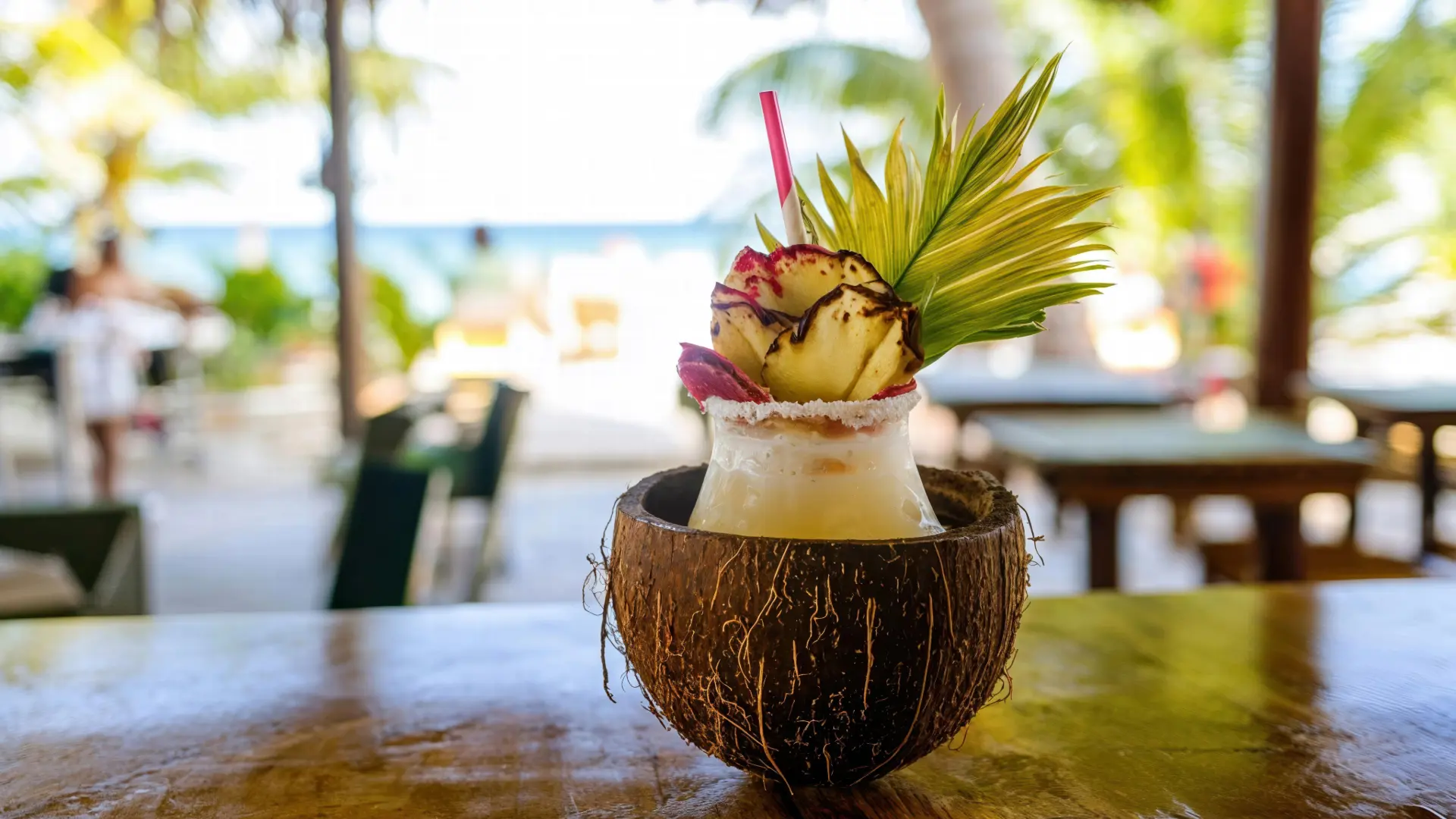
From its inception, Bahama Breeze aimed to transport diners to a coastal retreat. The menu boasted a fusion of island flavors, featuring dishes like Jamaican jerk chicken pasta, yuca cheese sticks, and conch fritters. Complementing the cuisine were handcrafted tropical cocktails such as the Bahama Mama and One Love, all set against a backdrop of live Caribbean music and a vibrant, beach-themed ambiance. This unique combination distinguished Bahama Breeze from conventional casual dining establishments, appealing to those seeking an immersive dining experience.
Community Engagement and Core Values.
Beyond its culinary offerings, Bahama Breeze demonstrated a commitment to community involvement and sustainability. Since launching its Harvest Program in 2003, the chain has donated over 600,000 meals, equating to more than 730,000 pounds of food, to those in need. The brand’s ethos emphasized a passion for service, a proactive attitude, and a pursuit of excellence, fostering a workplace culture that encouraged enjoyment and camaraderie among its team members.
Strategic Shifts: Darden’s Decision to Divest.
Despite its distinctive offerings and community initiatives, Bahama Breeze faced challenges in maintaining its position within Darden’s diverse portfolio. In May 2025, Darden closed 15 underperforming Bahama Breeze locations across various states, including Florida, Illinois, and New York, citing a strategic shift in focus. Subsequently, Darden announced plans to divest from the brand entirely, exploring options to sell the remaining 28 locations or convert them into other Darden concepts like Olive Garden or LongHorn Steakhouse. CEO Ricardo Cardenas articulated that while Bahama Breeze no longer aligned with Darden’s strategic priorities, the brand possessed potential for growth under new ownership.
Industry Trends and Market Dynamics.
The decision to divest from Bahama Breeze reflects broader trends in the restaurant industry. Mid-tier chains are grappling with evolving consumer preferences, rising operational costs, and intensified competition. The casual dining sector, in particular, has seen a shift towards fast-casual concepts and delivery-focused models, challenging traditional dine-in establishments to adapt or risk obsolescence.
Investment Considerations: Opportunities and Challenges.
For prospective franchisees or investors, Bahama Breeze presents both a cautionary tale and a potential opportunity. The brand’s unique market niche and loyal customer base suggest that, with renewed vision and strategy, there is room for revitalization and growth. However, the challenges that led to Darden’s divestment—such as aligning with current market trends and ensuring operational efficiency—must be carefully addressed.
Bahama Breeze’s journey underscores the importance of adaptability and strategic alignment in the restaurant industry. While the brand’s future under Darden is concluding, its legacy of offering a unique dining experience remains. For entrepreneurs with a passion for Caribbean cuisine and a vision for innovation, Bahama Breeze could represent a compelling venture.Ready to take the next step? The Franchise Brokers Association is here to help guide you on your journey into the franchise world. Explore your options at: https://www.franchiseba.com/find-franchises/