


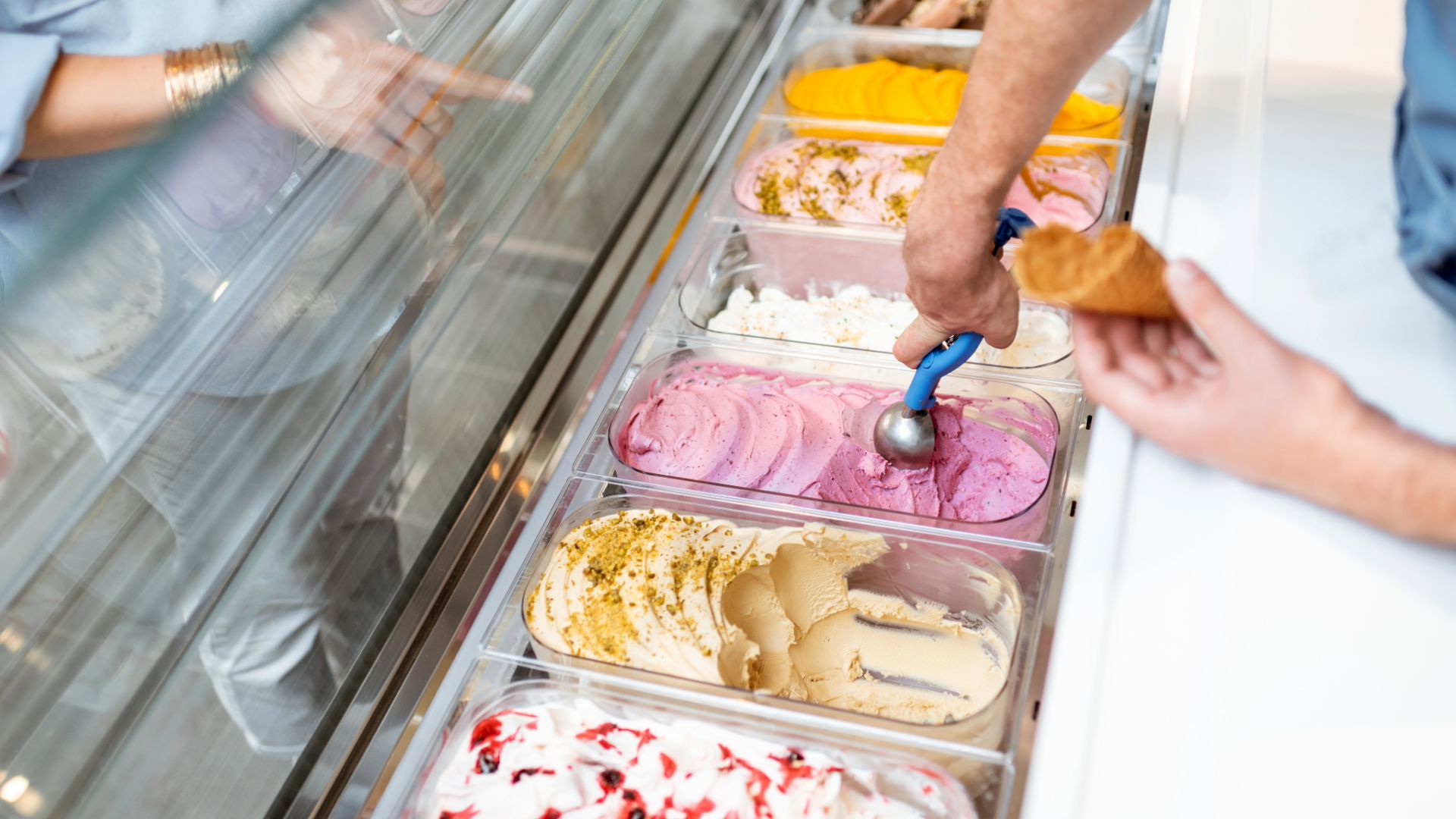
Yes—Ben & Jerry’s Franchise Scoop Shops in the United States. Founded in 1978 in Burlington, Vermont, the brand is known for premium, creatively named flavors, a playful in-shop experience, and a values-led mission that emphasizes community and sustainability.
This guide explains how the franchise works, what the latest disclosure materials generally cover (including startup cost ranges from the current FDD*), what daily operations look like, and the real advantages and watch-outs—plus comparable concepts to consider if the model isn’t your best fit. Ben & Jerry’s is not in the FBA portfolio, but we can help you compare it with similar food and dessert franchises.
For objective franchise education, industry frameworks, and brand-comparison tools, visit the Franchise Brokers Association (FBA) Blog, where you can learn how to evaluate and compare leading franchise opportunities with expert guidance.
Ben & Jerry’s is not affiliated with the Franchise Brokers Association (FBA). This article is for educational purposes only to help readers understand the brand’s structure and compare it with available franchise opportunities.
Always review the brand’s most recent Franchise Disclosure Document (FDD) and consult qualified advisors before making any investment decisions.
Origins of the Ben & Jerry’s Franchise.
Ben & Jerry’s began with two friends, a $5 correspondence course in ice-cream making, and a $12,000 stake. On May 5, 1978, Ben Cohen and Jerry Greenfield opened their first scoop shop in a renovated gas station in Burlington, Vermont—a humble start that set the tone for a playful, community-centric brand.
Early traditions shaped the culture franchisees inherit today. In 1979, the founders marked their first anniversary with Free Cone Day, a give-back event that became an annual, systemwide celebration. By 1980, demand pushed the team to start packing pints for grocery distribution, extending brand awareness well beyond the shop’s four walls.
The franchise era began in 1981, when the first franchised Scoop Shop opened in Shelburne, Vermont. From there, the concept evolved into a replicable “destination dessert” format built around shop-only flavors, sundaes, shakes, cakes, and community events—hallmarks that still define the guest experience across full-size, in-line, and kiosk formats.
As the company scaled, it codified a three-part mission—Product, Economic, and Social—and popularized the idea of “linked prosperity,” the belief that stakeholders should share in success. These principles continue to inform franchise training, marketing, and local engagement programs.
A major corporate milestone arrived on August 3, 2000, when Ben & Jerry’s became a wholly owned subsidiary of Unilever under a governance structure designed to safeguard the brand’s social mission and product quality. That framework helped the company expand while keeping its distinctive values at the center of the franchise system.
Cost to Open a Ben & Jerry’s.
Ben & Jerry’s franchises three retail formats. The table below consolidates the Item 7 — Estimated Initial Investment for Full-Size, In-Line, and Kiosk shops from the April 25, 2025 FDD (rounded as published). Actual figures vary by market, footprint, site condition, and venue rules.
| Type of Expenditure | Full-Size Shop (≈750–1,200 sq. ft.)* | In-Line Shop (≈450–650 sq. ft.)* | Kiosk (≈100–200 sq. ft.)* |
| Preliminary Agreement Deposit | $5,000–$10,000* | $5,000–$10,000* | $5,000–$10,000* |
| Initial Franchise Fee † | $19,750–$39,500* (or $8,000* with Satellite Addendum) | $19,750–$39,500* (or $8,000* with Satellite Addendum) | $19,750–$39,500* (or $8,000* with Satellite Addendum) |
| Plans, Development & Permits | $3,500–$12,000* | $3,500–$12,000* | $1,500–$5,000* |
| Leasehold Improvements & Construction | $85,000–$230,000* | $55,000–$115,000* | $5,500–$65,000* |
| Furniture, Fixtures, Equipment, Casework & Smallwares | $65,000–$135,000* | $65,000–$95,000* | $24,000–$35,000* |
| Kiosk Base (counters/lighting/sinks/guards/delivery) | — | — | $45,000–$65,000* |
| Menu Board Systems | — | — | $1,600–$3,500* |
| Signage | $5,000–$17,500* | $5,000–$12,000* | $1,000–$7,500* |
| Professional Fees | $3,000–$6,000* | $3,000–$6,000* | $3,000–$6,000* |
| POS System | $1,800–$2,300* | $1,800–$2,300* | $1,800–$2,300* |
| Online Ordering Hardware | $1,000–$1,500* | $1,000–$1,500* | $1,000–$1,500* |
| Internet & Telephone | $1,000–$1,500* | $1,000–$1,500* | $1,000–$1,500* |
| Deposits (rent, utilities, etc.) | $3,000–$8,000* | $3,000–$8,000* | $3,000–$8,000* |
| Initial Training | $1,000–$3,000* | $1,000–$3,000* | $1,000–$3,000* |
| Opening Inventory | $8,000–$14,000* | $6,000–$10,000* | $6,000–$10,000* |
| Insurance | $500–$2,500* | $500–$2,500* | $500–$2,500* |
| Grand Opening Advertising | $3,000* | $3,000* | $3,000* |
| Additional Funds (first 3 months) | $50,000–$75,000* | $50,000–$75,000* | $50,000–$75,000* |
| Estimated Total | $238,800–$550,800* | $206,800–$386,300* | $156,900–$333,300* |
* Estimates from the franchisor’s disclosures; amounts may vary by location and other factors. The FDD outlines cases where certain fees may be reduced (e.g., satellite addenda or additional units).
Why ranges vary: site condition (shell vs. second-gen), landlord/venue rules (malls, airports, stadiums), local labor and materials, equipment specs, permitting timelines, and pre-opening payroll/marketing choices. If you don’t yet have the current FDD, request it directly from the franchisor; without the FDD, precise Item 7 ranges by format are not publicly verifiable.
Business Model & Day-to-Day.
A Ben & Jerry’s Scoop Shop is an experiential dessert venue built around craveable, premium treats and a playful in-store vibe. Guests come for a rotating flavor board (including shop-only varieties), sundaes, shakes, smoothies, novelties, pints, and custom cakes. Many shops layer in catering, off-premise events, and third-party delivery to help balance seasonality and expand beyond the four walls.
Owner role.
- Expect full-time, hands-on involvement or an on-site, trained manager operating under an actively engaged owner. Typical owner engagement is comparable to a standard full-time schedule to maintain hiring, training, inventory control, guest experience, and local marketing.
Typical hours.
- Afternoons to late evening, plus weekends and holidays. Tourist and entertainment districts may run later. Lease or venue rules often require minimum open days/hours.
Operational rhythm.
- Counter service with short ticket times and steady rush periods, especially in warm weather, evenings, and weekends.
- Daily focus areas: crew scheduling, flavor/ingredient forecasting, cake and catering prep, cleanliness and visual merchandising, community outreach (school nights, office treats, events).
Compliance & quality.
- Tight food-safety and cold-chain practices (receiving, storage, temperature logs).
- Allergen management and clear labeling.
- Brand standards for portioning, presentation, service language, and shop appearance.
Training, Support & Technology.
Opening a Ben & Jerry’s franchise means joining a well-structured system where training, tools, and technology are designed to help owners maintain consistency and quality across every scoop shop. The company emphasizes hands-on learning, operational excellence, and strong brand alignment from day one.
- Onboarding (“Scoop U”): All new franchisees attend Scoop U, Ben & Jerry’s official training program. This course combines classroom sessions, hands-on production, and in-store management practice led by certified trainers. Topics include food safety, flavor handling, staff hiring, guest service, merchandising, and local marketing execution.
- Pre-Opening & Launch Support: Franchisees receive guidance on site layout, equipment specifications, and workflow design to ensure smooth operations. Dedicated field consultants assist with pre-opening milestones, grand opening planning, and early business reviews once the store launches.
- Ongoing Field Support: After launch, franchise owners continue to receive periodic evaluations, sales and KPI coaching, and access to evolving best-practice manuals. Corporate trainers and regional managers help maintain consistent service quality and operational performance.
- Marketing: Franchisees contribute to both a national marketing fund and local advertising initiatives. Ben & Jerry’s provides creative assets, templates for promotions, catering and event marketing strategies, and support for community engagement. Seasonal limited-time offers (LTOs) and national campaigns are often mandatory to ensure systemwide consistency.
- Technology: Each scoop shop operates on a standardized POS platform with integrated online ordering, loyalty programs, and gift card capabilities. Real-time sales dashboards help owners manage product mix, labor, and promotions efficiently while maintaining transparency across all channels.
Ben & Jerry’s combines a strong support infrastructure with technology that simplifies daily management. From Scoop U to post-opening field guidance, franchisees benefit from a comprehensive framework that balances independence with brand consistency — helping each location deliver the same joyful experience customers expect worldwide.
Territory, Real Estate & Equipment of Ben & Jerry’s.
Choosing the right location is a major part of operating a Ben & Jerry’s Scoop Shop, and the brand’s real estate approach reflects its focus on foot traffic, guest experience, and consistent visibility. Unlike some franchises, Ben & Jerry’s does not offer exclusive territories, so understanding placement and competition is an important part of due diligence.
Territory.
Ben & Jerry’s does not grant exclusive or protected territories. Franchisees may operate near other franchisees, company-owned shops, mobile units, or other channels the brand authorizes. This structure means the best safeguard for performance is selecting a strong site with sustained traffic and aligning with Ben & Jerry’s location standards.
Real Estate & Site Types.
Ben & Jerry’s typically seeks high-traffic, high-visibility spaces with built-in footfall. Suitable locations include:
- Walkable retail districts.
- Lifestyle centers and outdoor shopping plazas.
- Tourist corridors and entertainment zones.
- College and university towns.
- Downtown commercial nodes.
- Event venues, stadiums, and attractions.
The brand evaluates each location for demographic fit, proximity to complementary businesses, accessibility, and year-round traffic patterns.
Equipment & Fixture Requirements.
Each Scoop Shop needs a standardized set of equipment to maintain brand quality, cold-chain reliability, and product presentation. Depending on the shop format (full-size, in-line, or kiosk), franchisees may need:
- Dipping cabinets for scooping core and shop-only flavors.
- Display and back-up freezers to support inventory and seasonal volume.
- Cake-production tools for custom and ready-made ice cream cakes.
- Menu boards and signage, often branded to match shop décor standards.
- POS system with integrated online ordering and loyalty functions.
- Food safety and sanitation equipment, including hand-washing and prep areas.
Kiosk formats require additional base-build infrastructure, including counters, lighting, sinks, protective guards, and storage components specific to the venue.
Pros & Cons for Would-Be Owners.
Owning a Ben & Jerry’s Scoop Shop appeals to many entrepreneurs thanks to its joyful brand presence and community-driven identity. At the same time, the model comes with commitments and operational realities that are important to understand before requesting the FDD or beginning due diligence.
Advantages of a Ben & Jerry’s Franchise.
- Iconic brand power: Ben & Jerry’s is one of the most recognizable ice-cream brands in the world. Franchisees benefit from strong brand affinity, a multi-generation fan base, and flavors with built-in demand.
- Destination-style experience: Shops feature exclusive flavors, limited-time offerings, and specialty treats like cakes and sundaes. These elements often help position stores as “treat destinations” in retail and tourist corridors.
- Structured training and operating playbooks: The franchise provides established SOPs, “Scoop U” onboarding, operational checklists, and marketing calendars that guide daily execution and brand consistency.
- Multiple shop formats: Full-size, in-line, and kiosk options allow owners to align footprint and investment with trade-area density, venue requirements, and local real estate opportunities.
- Community engagement opportunities: The brand’s emphasis on social impact can support local partnerships, events, and values-aligned community presence.
Challenges of a Ben & Jerry’s Franchise.
- Hands-on commitment required: Ben & Jerry’s expects direct owner involvement or a qualified, trained on-site manager. It is not designed as a passive or absentee model.
- Evening and weekend-heavy hours: Dessert traffic naturally peaks when many owners prefer personal time. Shops often operate late into the evening and may have weekend and holiday requirements based on the lease or venue.
- Seasonality considerations: Ice-cream businesses tend to see higher activity in warmer months or tourist seasons. Owners must prepare for predictable swings in volume.
- Supplier and operational specifications: Menu items, ingredients, and equipment come from approved vendors. This ensures consistency but limits flexibility for local customization or alternative product offerings.
- No exclusive territory: Franchisees do not receive protected territory rights, and multiple Ben & Jerry’s locations or channels may operate in nearby areas depending on market density and brand strategy.
A Ben & Jerry’s Scoop Shop can be a rewarding fit for entrepreneurs who thrive in guest-focused environments, enjoy community engagement, and are prepared for hands-on operations during peak hours. The brand offers strong name recognition and structured support, but success requires active involvement, consistent quality, and thoughtful planning around seasonality and staffing.
Understanding both the advantages and the operational demands will help you approach the franchise conversation with clarity — and prepare you for deeper due diligence as you move into the FDD review, validation calls, and financial planning.
Risks & Watch-Outs of Ben & Jerry’s.
Even with a well-known brand, a Ben & Jerry’s Scoop Shop comes with real risks that every candidate should weigh carefully:
- Lease economics in high-rent locations
Many Scoop Shops are in tourist, entertainment, or high-foot-traffic districts. While that can support strong sales, above-average rents and common-area charges can put pressure on margins if actual traffic or average ticket size comes in below your projections. Careful lease negotiation and conservative sales modeling are essential. - Permitting, cold-storage, and buildout timelines
Ice cream concepts require specific plumbing, electrical, ventilation, and cold-storage specs. Depending on your landlord and local jurisdiction, design approvals, permits, and inspections can extend your launch timeline and increase upfront costs. It’s important to build realistic buffers into both your calendar and budget. - Brand and parent-company changes
Ben & Jerry’s is part of Unilever’s ice cream portfolio, and Unilever has announced plans to spin that portfolio into a separate entity, The Magnum Ice Cream Company (TMICC), targeted for late 2025. Any corporate restructuring can potentially lead to changes in strategy, priorities, or support programs over time, so candidates should monitor updates and ask direct questions during discovery. - Public and media scrutiny of a values-led brand
Ben & Jerry’s is outspoken on social and environmental issues. That visibility can attract loyal fans—but it can also bring heightened public and media attention. Franchise owners should be comfortable operating under a values-forward brand umbrella and prepared to follow the franchisor’s communication and brand guidelines closely.
Taken together, these factors don’t automatically rule out the opportunity—but they do mean you’ll want to approach your due diligence with clear eyes, detailed financial modeling, and thoughtful questions for both the franchisor and existing franchisees.
When Is Ben & Jerry’s Not the Best Fit?
Ben & Jerry’s can be a strong brand, but it’s not designed for every type of owner or lifestyle. It may not be the right match if:
- You’re seeking a semi-absentee or “hands-off” investment.
The franchise expects an engaged owner or on-site, trained manager with meaningful weekly involvement. If you want something you can check on occasionally, this model will likely feel too hands-on. - You strongly prefer daytime-only operations.
Scoop Shops do much of their business in afternoons, evenings, weekends, and holidays. If you want a strictly 9-to-5 schedule, you may be happier with a different concept. - You want broad menu autonomy or heavy local sourcing.
Ben & Jerry’s is a brand-driven system with approved products, suppliers, and programs. If your vision is to constantly rotate your own recipes, ingredients, or non-approved items, that creativity will be constrained. - You require exclusive territory protections.
The program does not grant exclusive territories. If you need guaranteed geographic protection from other shops or brand channels, that’s a structural mismatch. - You dislike retail staffing and seasonal demand swings.
You’ll be recruiting, training, and scheduling hourly staff in a consumer-facing setting, with traffic patterns influenced by weather, tourism, and local events. If you prefer B2B models, weekday schedules, or lower seasonality, other franchises may align better.
If several of these points describe you, it doesn’t mean Ben & Jerry’s is a “bad” franchise — only that your goals and working style may be better served by a different concept or business model.
Competitive Set & Category Context.
Ben & Jerry’s Scoop Shops compete in a crowded premium ice cream and frozen dessert space that includes national chains, regional boutique concepts, and broader QSR and dessert brands. Guests can just as easily choose a local creamery, a frozen yogurt chain, or a multi-dessert café, so location quality, traffic patterns, and experience design all matter.
For an independent snapshot of how Ben & Jerry’s fits into the wider franchise landscape, you can review third-party rankings such as Franchise Chatter’s list of top ice cream and frozen dessert franchises for 2025 (note that some content may be behind a paywall). These external resources won’t tell you whether a specific Scoop Shop will succeed, but they can help you see how the category is evolving and which brands tend to be mentioned together when investors compare frozen-dessert concepts.
Alternatives to Consider.
If a Ben & Jerry’s Scoop Shop doesn’t feel like the right match for your goals, schedule, or risk profile, you still have plenty of ways to participate in the dessert or treat space—and beyond. Think in terms of model fit rather than “better or worse”:
- Owner-operator dessert concepts (retail): Other premium ice cream, cookie, bakery, or specialty-dessert brands that also rely on experiential, in-store traffic. These often appeal to hands-on owners who enjoy being on site and leading a guest-facing team.
- Semi-absentee frozen-dessert or beverage brands: Concepts with tighter menus and streamlined staffing can be more compatible with an executive or portfolio-owner lifestyle, especially if you want to work on the business more than in the store day to day.
- Mobile or food-truck dessert models: Carts, trailers, and trucks may offer lower fixed real-estate commitments and more flexibility to follow events, festivals, and seasonal demand instead of anchoring to a single storefront.
- B2B dessert gifting, catering, or concessions: Some brands focus on corporate gifting, campus concessions, special events, or venue partnerships, which can shift more of your effort to relationship-building and pre-booked orders instead of pure walk-in traffic.
If you’re trying to sort out which structure actually fits you, we can help you do it systematically:
- Use the FBA Find Franchises page to request a complimentary, one-on-one consultation and share your goals, budget, and preferred lifestyle.
- Explore FBA Blog guides to compare categories, ownership models, and due-diligence questions.
- If you’d rather step into an existing operation instead of a brand-new buildout, review franchise resales with an FBA consultant and see how they differ from opening a new unit.
The goal isn’t to chase a specific brand name—it’s to match your capital, risk tolerance, and ideal day-to-day role with a business model that makes sense for you.
Ben & Jerry’s Franchise – Frequently Asked Questions
Is Ben & Jerry’s a franchise?
Yes. Ben & Jerry’s franchises its Scoop Shops in the U.S. across several formats, including full-size shops, in-line locations, and kiosks.
What is the cost to open a Ben & Jerry’s?
According to the April 25, 2025 Franchise Disclosure Document (FDD), the estimated initial investment ranges are:
- Full-Size Shop: $238,800–$550,800*
- In-Line Shop: $206,800–$386,300*
- Kiosk: $156,900–$333,300*
These ranges include the franchise fee, buildout, equipment, initial inventory, and opening marketing, but actual costs vary by market, site condition, and landlord requirements.
Who owns Ben & Jerry’s?
As of 2025, Ben & Jerry’s operates within Unilever’s ice-cream group. Unilever has announced plans to spin off its ice-cream portfolio into a separate company, The Magnum Ice Cream Company (TMICC), currently targeted for late 2025.
Do they allow multi-unit ownership?
Yes. Ben & Jerry’s offers development agreements for qualified candidates who want to open multiple shops. These agreements typically include fee structures, opening timelines, and territory planning, subject to franchisor approval and market availability.
What are typical hours of operation?
Most Scoop Shops operate afternoons through late evenings and are busiest on weekends, holidays, and warm-weather days. Your specific hours will depend on your lease, trade area, and brand standards, but the franchise agreement generally requires operating at or above minimum days and hours.
Is Ben & Jerry’s the Right Path for You?
Ben & Jerry’s can be a strong fit if you’re looking for a hands-on, community-facing dessert business backed by an iconic brand, established systems, and built-in marketing around events, tourism, and local celebrations. It’s especially suited to owners who are comfortable with evening and weekend operations, enjoy being present in the shop, and like engaging directly with guests and staff.
It may not be the right model if you’re seeking semi-absentee ownership, strictly daytime-only hours, exclusive territories, or high levels of menu and sourcing autonomy. In those cases, you may want to explore other frozen-dessert, beverage, mobile, or catering concepts with simpler operations or more flexible schedules.
Remember: Ben & Jerry’s is not affiliated with the Franchise Brokers Association (FBA). Our role is to help you understand how this model works so you can compare it thoughtfully with brands that do align with your goals and criteria.
How the Franchise Brokers Association Helps You Choose the Right Franchise.
At the Franchise Brokers Association, we start with a discovery conversation to understand your background, skills, budget, timeline, and ideal lifestyle. From there, we create a fit profile and curate a short list of vetted franchise brands that align with your goals, rather than pushing a single concept.
You’ll receive:
- Clear frameworks to compare startup costs, fees, and obligations
- Introductions to franchisors so you can ask informed questions directly
- Guidance on due diligence steps, including how to review FDDs and speak with existing owners
- Help exploring funding options, including when it makes sense to talk with SBA lenders or other financing partners
We don’t make income promises or guarantees—our aim is to help you make a confident, well-informed decision based on facts, structure, and fit.
If you’re ready to explore whether a scoop shop, another dessert brand, or a completely different category is right for you, we’re here to help.
Start your journey on our Find Franchises page, where you can request complimentary expert guidance and begin narrowing in on franchise opportunities that match your goals.