

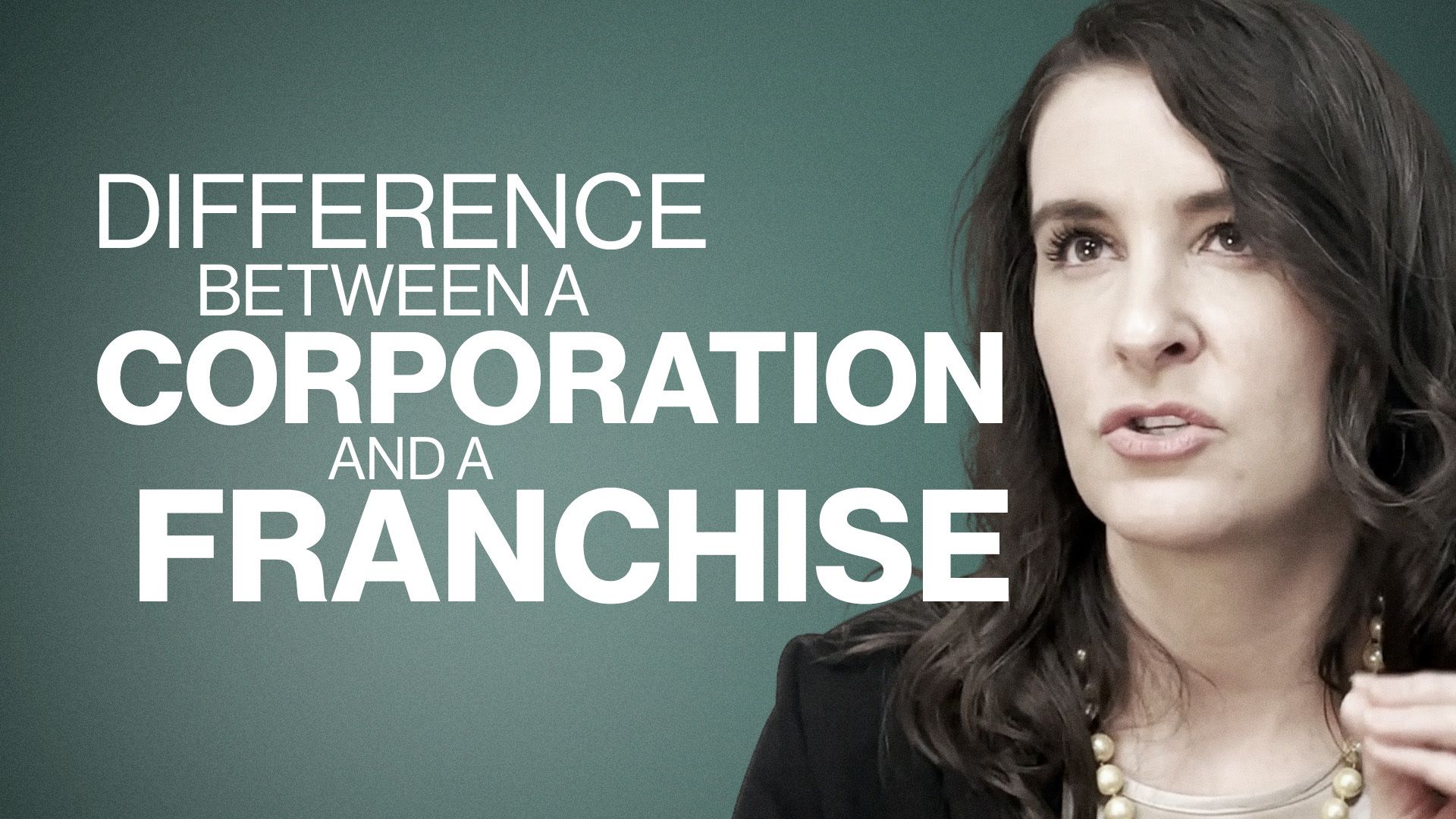
The debate between chain vs franchise can be nuanced. A chain is typically a multi-location business owned and operated by one company. A franchise, by contrast, is a legal relationship where independent owners operate locations under a franchisor’s brand and operating system. The real difference comes down to who owns the location—and the rights and obligations spelled out in a franchise agreement.
In our YouTube video on theFranchiseBA channel, we address a common misconception: people often assume any well-known “chain” is automatically a franchise. In reality, many chains are corporate-owned and not open to independent ownership. Franchising is built to partner with local owner-operators through a licensing-style model—so independent operators can run a business using the franchisor’s proven brand, systems, and processes (based on the video transcript).
If you’re trying to figure out which model fits you best, a quick starting point is the Zorakle assessment.
This article is for informational and educational purposes only and is not legal, financial, or tax advice. Always consult qualified professionals and review the franchisor’s Franchise Disclosure Document (FDD) before making decisions.
Understanding the difference helps you evaluate control, responsibilities, and what to verify in the FDD before moving forward.
Key Takeaways at a Glance.
- Ownership matters: Chains are commonly corporate-owned; franchises are owned by individual franchisees operating under an agreement.
- Legal definition matters: In the U.S., “franchise” has a specific regulatory meaning tied to trademarks, fees, and control/assistance.
- Access differs: Many chains don’t offer individual ownership pathways—this is a frequent misconception (and a major point from the video).
- Support is structured: Franchises typically provide a system (training, playbooks, and brand standards) that franchisees must follow.
- Due diligence is non-negotiable: Confirm fees, territory, obligations, and renewal/exit terms in the FDD and related agreements.
- Ask “control vs. independence” questions: Your day-to-day autonomy is shaped by the business model, not the logo on the sign.
- Need fit clarity? Start with the FBA Education Blog, or explore matching opportunities at Find Franchises.
What does “chain vs. franchise” mean in plain English?
A chain is simply a brand with multiple locations. A franchise is a specific way to own and operate one of those locations—through a legal and contractual relationship.
The tricky part is that people often use “chain” to describe any well-known multi-location brand. But “franchise” doesn’t describe popularity or size—it describes how ownership works.
- Chain (usually corporate-owned): The parent company typically owns the locations, hires managers, and runs operations centrally. Think of it as company-owned growth.
- Franchise (independently owned): The brand owner (the franchisor) grants an independent operator (the franchisee) the right to run a location using the brand’s trademarks and operating system—under a contract and in exchange for certain fees. This aligns with the video’s emphasis on partnering with local owners through a licensing-style model (based on the video transcript). The International Franchise Association also describes franchising as a contractual relationship that allows an owner to use a brand and a proven method of doing business.
How does the law define a “franchise” in the U.S.?
Under the FTC’s Franchise Rule, a relationship may be considered a franchise when it includes:
- a trademark association,
- significant control or assistance by the franchisor, and
- a required fee.
This matters because it typically triggers disclosure expectations—most notably the Franchise Disclosure Document (FDD).
Practical takeaway: If a business is truly offering franchises, you should expect an FDD and a formal pre-sale disclosure process consistent with FTC requirements.
How does the chain vs. franchise difference affect day-to-day ownership?
The chain vs. franchise difference shows up in who makes decisions, who’s responsible for the day-to-day, and how standardized your “playbook” will be. Both models can have brand standards—but the source of authority is different.
In a corporate chain.
- The parent company typically owns the location and sets policies.
- Local leaders are usually employees or managers.
- Operational changes are often rolled out top-down.
In a franchise system.
- You (the franchisee) typically own the local business and operate under a franchise agreement.
- The franchisor provides standards, training, and ongoing support (this varies by brand).
- You’re responsible for local execution and staying in compliance with brand requirements.
In our YouTube video, we highlight a real-world difference: franchisors often grow by partnering with local owner-operators who have “skin in the game” (paraphrased from our transcript). That isn’t automatically “better”—it’s about incentive alignment. When the operator is also the owner, performance and local reputation tend to feel personal.
“Franchise vs. corporate” is mostly about control and accountability
Corporate-owned locations typically answer to corporate leadership. Franchise locations answer to the franchise agreement. That difference shapes how decisions get made—and how disputes or gray areas get resolved.
Quick self-check.
- If you want employment-style direction, a corporate operator role may feel more familiar.
- If you want business ownership with guardrails, franchising may be a closer fit.
- If you want maximum autonomy, confirm how prescriptive the system is—some franchise brands are far stricter than others.
For more owner-fit education, you can visit the FBA Education Blog.
What should you verify in the FDD to confirm “franchise vs. chain” claims?
If a company is offering franchises, the Franchise Disclosure Document (FDD) is the core document that explains who the franchisor is, how the system works, what you’re required to do, and the key deal terms. Don’t rely on marketing language alone—verify it in the disclosure.
Here are high-signal sections to review (ideally with a franchise attorney who can interpret the details):
- Items 1–2 (The franchisor + leadership): Who owns the brand, and who’s running the company day-to-day?
- Items 5–7 (Fees + estimated startup costs): What fees exist (initial, ongoing royalties, technology, marketing fund, etc.) and when do they kick in?
- Item 9 (Your obligations): What are you required to do operationally—training, reporting, hours, staffing, purchasing, and day-to-day standards?
- Item 11 (Support): What training and ongoing assistance is promised—and what isn’t?
- Item 12 (Territory): Do you get a territory, is it exclusive, and what carve-outs or exceptions apply?
- Item 17 (Renewal, termination, transfer): How do you renew, exit, sell, or transfer—and what triggers termination?
- Item 19 (If included, financial performance representations): Are any earnings claims provided in writing—and what assumptions/limits apply? Don’t rely on informal claims.
- Item 20 (Outlets): How many locations are franchised vs. company-owned, and what do openings/closures/transfers look like?
Why this helps: A business can look like a franchise to consumers, but only the FDD and agreements confirm whether you’re buying a true franchise license, entering a different licensing arrangement, or applying for a corporate role under a brand.
For context on why the FDD exists and what franchisors must provide in the sales process, see the FTC’s Franchise Rule overview at the Legal Information Institute and the official rule text on the eCFR.
A big tell: “No way to buy in”.
Sometimes the biggest chain vs. franchise difference is simply whether independent ownership is even available. Many chains aren’t structured to sell locations to independent operators, while franchising is built specifically to enable independent ownership.
If you’re comparing opportunities and want to help pressure-test what you’re being offered (franchise vs. corporate vs. something else), that’s a good moment to talk it through with an FBA franchise consultant.
What questions should you ask to compare chains and franchising before you commit?
The fastest way to spot the real difference is to ask ownership-structure questions first, then move into day-to-day operations. Use this checklist in any brand conversation.
Ask the company or franchisor.
- What’s the ownership model? Corporate-owned only, franchised, or a mix?
- If it’s franchised, what support is included? Training, marketing guidance, operations coaching, technology tools, launch support.
- What decisions are centralized vs. local? Vendors, pricing guidelines, hours, promotions, equipment, approved products.
- What fees are required—and when are they due? Initial and ongoing fees, marketing funds, technology fees (confirm in Items 5–7).
- What does “territory” mean in practice? Exclusive, protected, or open—and what exceptions apply (confirm Item 12).
- How do renewal and exit work? Renewal conditions, transfer process, termination triggers (confirm Item 17).
- How does validation work? How many current franchisees can you speak with, and can you talk to owners at different stages (new, mid-tenure, multi-unit)?
Ask franchisees during validation calls.
- What surprised you after opening? Training, vendor rules, staffing requirements, real time demands.
- How responsive is franchisor support? Coaching cadence, field visits, ticketing/help desk speed.
- Where do owners struggle most? Compliance, local marketing, hiring, time management, cash flow.
- How standardized is the system really? What are the true “non-negotiables,” and where do you have flexibility?
- What do you wish you clarified earlier in the FDD? Especially Items 9, 11, 12, and 17.
If you want help organizing your due diligence and comparing options side-by-side, you can talk with an FBA franchise broker for education-first guidance through Franchise Consulting.
FAQ: Chain vs. franchise questions people ask most.
What is the difference between a chain and a franchise?
A chain is typically owned and operated by one company across many locations. A franchise is a model where independent owners operate locations under a franchisor’s brand and system. The difference shows up in ownership, control, and the legal agreement that governs the relationship.
Are all chains franchises?
No. Many well-known multi-location brands are not franchises. Some are corporate-owned and simply don’t offer individual ownership opportunities.
Can a brand be both a chain and a franchise?
Yes. Some brands operate a mix of company-owned and franchised locations. That’s why it’s important to confirm the ownership structure—and review Item 20 in the FDD when evaluating a franchise offering.
What is the difference between franchise and corporate?
“Corporate” usually means the parent company owns and operates the locations, while “franchise” means an independent owner operates under a franchise agreement. Day-to-day control can feel very different depending on how strict the required standards are.
Does the FTC regulate franchises differently than other businesses?
The FTC’s Franchise Rule focuses on the franchise sales and disclosure process—including requiring an FDD and setting timing rules before a buyer signs an agreement or pays fees.
Is this the right fit for you?
Franchising often fits people who want business ownership with a proven system and clear brand standards. Corporate chains tend to fit people who prefer an employee/operator path without owning the unit. The best match comes down to how you want control, risk, and responsibility to be shared.
Franchising may fit you if you:
- Want to own a business, but value proven playbooks, training, and structure
- Prefer ongoing support and clear brand standards
- Are comfortable following required systems while leading locally
You may want alternatives if you:
- Want maximum autonomy to change offerings and processes freely
- Prefer employment protections rather than ownership obligations
- Don’t want ongoing compliance requirements tied to a brand system
No matter what you choose, treat due diligence as a process: review the FDD, have qualified professionals review the agreements, speak with franchisees, and confirm lifestyle fit.Ready to take the next step? Explore opportunities that match your goals with Find Franchises.