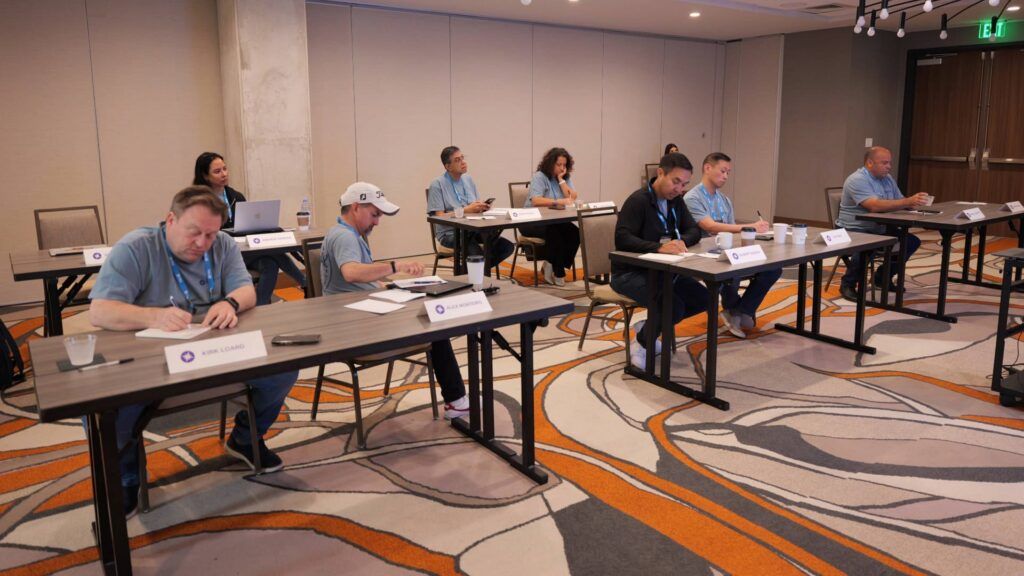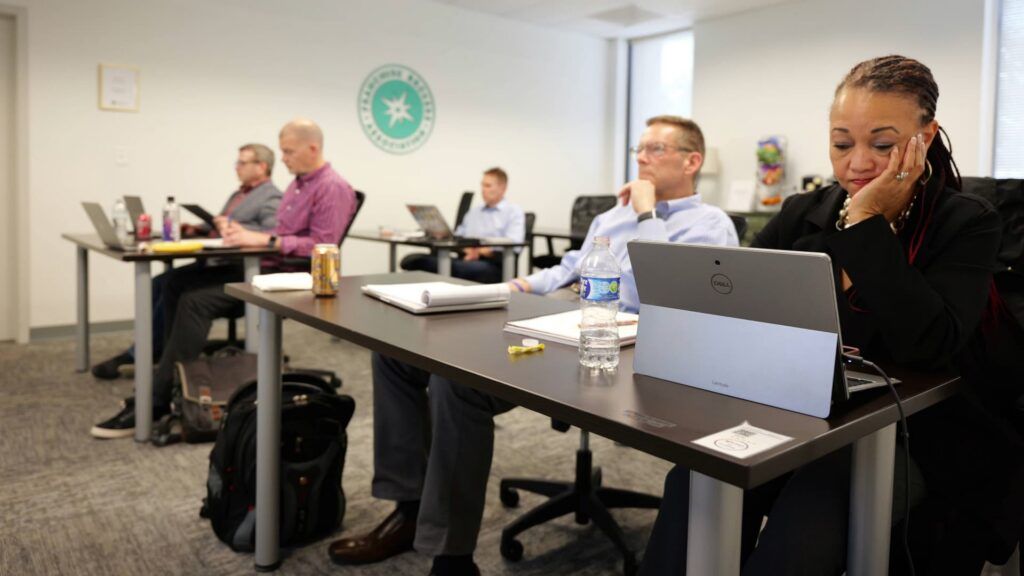




A better franchise brand comparison call helps candidates decide which opportunities deserve deeper research. Rather than presenting one franchise as “better” than another, effective franchise brokers compare each brand against the candidate’s investment range, lifestyle goals, strengths, preferred owner role, and long-term plans.
The goal is not to rush a decision. It is to create a clear, repeatable process that helps candidates understand the real differences between franchise opportunities, identify tradeoffs, and choose the right next step.
What Is a Franchise Brand Comparison Call?
A franchise brand comparison call is a structured conversation in which a broker helps a candidate evaluate two or more franchise opportunities using the same criteria.
The call should move beyond brand recognition, exciting marketing materials, or a candidate’s first impression of a concept. It should help the candidate answer practical questions:
- What would I actually do as the owner?
- Which business model fits my skills and lifestyle?
- What are the staffing and sales expectations?
- Is the estimated investment realistic for my financial plan?
- Which brands should I advance, hold, or remove from consideration?
A strong comparison call gives candidates a simpler decision path. Instead of introducing too many brands at once, brokers should narrow the discussion to a small group of relevant opportunities and help the candidate compare them in a consistent way.
FBA’s guidance for brokers recommends focusing on investment, owner role, lifestyle, transferable skills, and franchisor support when narrowing franchise choices. How to help candidates who have too many franchise choices
Start With Candidate Fit.
The best franchise comparison calls begin with the candidate’s goals, not the brands.
Before discussing the opportunities, briefly revisit the discovery information that led to the shortlist. Candidates may change their priorities after early conversations with franchisors, so this is also a good time to confirm that the original criteria still apply.
Review the following areas:
- Investment range, liquidity, financing needs, and working-capital comfort
- Preferred ownership role, such as hands-on operator, manager-led owner, salesperson, or business manager
- Lifestyle expectations, including evenings, weekends, travel, and flexibility
- Comfort with hiring, training, and managing employees
- Sales and marketing experience, especially local outreach or B2B relationship building
- Interest in retail, home-based, mobile, territory-based, B2B, or consumer-facing models
- Long-term goals, including single-unit ownership, multi-unit growth, or eventual management-led operations
- Non-negotiables, such as avoiding weekend work, high staffing needs, or a long sales cycle
A franchise may be a strong business opportunity but still be the wrong fit for a particular candidate. For example, a retail brand may have strong consumer awareness, but it may not align with someone who wants weekday hours, limited staffing responsibilities, and minimal customer-facing work.
A broker can frame the conversation with a statement like this:
“We are not trying to determine which franchise is best for everyone. We are comparing these opportunities against the ownership role, investment comfort level, lifestyle, and goals you identified.”
That approach keeps the conversation candidate-centered and reduces pressure.
Prepare a Brand Comparison Framework.
A consistent comparison framework makes the call easier for both the broker and the candidate. It also prevents the conversation from becoming a collection of disconnected facts.
Before the call, prepare a simple comparison sheet using the same criteria for every brand. FBA recommends using concise brand summaries that clarify the business model, ideal candidate, estimated investment, owner role, support, territory options, growth priorities, and key differentiators. What to include in a franchise brand at-a-glance slide
| Comparison Area | What to Review | Question for the Candidate |
|---|---|---|
| Business model | Home-based, mobile, retail, office-based, territory-based, B2B, or B2C | “Which operating model fits the way you want to work?” |
| Owner role | Sales, operations, service delivery, leadership, or management responsibilities | “What would your typical week look like in this business?” |
| Initial investment | Estimated startup costs, franchise fee, liquidity requirements, and working capital | “Which option fits your financial comfort level?” |
| Staffing | Number of employees, hiring needs, turnover risk, and management demands | “How involved do you want to be in recruiting and managing a team?” |
| Sales and marketing | Local marketing, networking, lead generation, outbound sales, and sales-cycle length | “Which sales process best matches your background?” |
| Schedule | Evenings, weekends, emergency work, travel, and flexibility | “Which schedule better supports your personal and family priorities?” |
| Training and support | Initial training, technology, field support, marketing tools, and ongoing coaching | “What support do you expect from the franchisor after opening?” |
| Territory and market | Territory structure, market availability, local demand, competition, and seasonality | “Which opportunity makes more sense in the market where you want to operate?” |
| Growth potential | Single-unit path, multi-unit options, management structure, and expansion requirements | “Are you looking to buy one business or build a larger operation?” |
| Potential challenges | Activities the candidate may dislike, underestimate, or struggle to perform | “What could become difficult after the excitement of the launch period?” |
A simple scorecard can also help candidates prioritize their criteria. Ask them to rate each category from 1 to 5 based on importance. Then identify any must-have requirement that could eliminate a brand regardless of its total score.
For example, a candidate who strongly prefers a manager-led model may decide not to advance a franchise that requires years of owner-led operations. Another candidate may remove a concept after learning that the business depends on intensive local sales activity, even if the investment range fits.
Follow a Clear Call Structure.
A franchise brand comparison call does not need to be long, but it should be organized. A 30-minute discussion can produce meaningful progress when the broker follows a clear agenda.
1. Set the purpose.
Open the call by explaining that the objective is clarity, not a commitment.
You might say:
“Today, we will compare these brands against the priorities you shared with me. We will identify the strongest fit, clarify any concerns, and decide which opportunities should move forward in the research process.”
This establishes a helpful, education-first tone.
2. Confirm the candidate’s priorities.
Ask whether anything has changed since the initial discovery call or brand introductions.
Useful questions include:
- “Did either franchisor conversation change what you want from the business?”
- “Which opportunity felt most aligned with your experience?”
- “What excited you about each brand?”
- “What gave you hesitation?”
- “Have you reconsidered your investment range, owner role, or schedule preferences?”
- “Is there a concern that you want to resolve before speaking with another franchisor?”
This step can reveal important changes. A candidate may have initially wanted a low-overhead service model, for example, but later realize they prefer a more structured operation with a physical location and a team.
3. Compare the real owner role.
Candidates often compare brands by industry, customer appeal, or perceived earning potential. A better comparison focuses on the work they will perform as owners.
For each brand, review:
- What the franchisee is expected to handle before opening
- What activities drive revenue during the first year
- Whether the owner must sell, network, manage employees, deliver services, or oversee managers
- How much time may be required during launch
- Which responsibilities can realistically be delegated over time
- What operational tasks candidates may underestimate
Ask a practical question:
“If you had to spend most of your week doing one revenue-driving activity in this business, what would it be, and would you enjoy getting very good at it?”
This question can uncover a mismatch early. A candidate may like the concept but dislike the daily responsibilities required to make it successful.
Compare Tradeoffs, Not Just Benefits.
Every franchise opportunity has advantages and tradeoffs. Brokers create more trust when they clearly explain both.
For example:
- A home-based model may reduce real-estate costs but require more direct local sales activity.
- A retail concept may offer visibility and foot traffic but may also require more staffing, operating hours, and hands-on management.
- A B2B business may have recurring-revenue potential but could involve a longer relationship-based sales cycle.
- A manager-led model may offer flexibility over time but often requires a highly involved launch period.
- A lower initial investment may fit a candidate’s capital position but may come with a more owner-dependent role.
Use balanced language during the call:
“This brand may better fit your goal of avoiding a large staff, but you would likely need to take a more active role in local sales during the first year.”
“This opportunity may offer a clearer multi-unit path, but it also has more operational complexity and hiring responsibility.”
“This concept fits your interest in a recurring-revenue model, but you should learn how franchisees generate and retain customers in your local market.”
Clear tradeoff conversations improve decision quality. They also help candidates understand that no franchise opportunity is perfect. The right choice is usually the brand whose challenges the candidate is willing and able to manage.
Discuss Financial Fit Responsibly.
Candidates often ask which franchise “makes more money.” Brokers should redirect that question toward financial due diligence, documented disclosures, and the candidate’s actual capital readiness.
Avoid making casual statements about revenue, profits, return on investment, break-even timing, or likely financial outcomes. Financial performance discussions should remain aligned with approved franchise disclosures, including Item 19 when the franchisor provides a financial performance representation.
Instead of saying, “This brand is more profitable,” use language such as:
- “Compare the current Franchise Disclosure Document for each opportunity.”
- “If the franchisor provides Item 19 information, review how the figures are calculated and which outlets are included.”
- “Ask franchisees about their startup experience, staffing needs, local marketing activity, and ramp-up period.”
- “Discuss the numbers with qualified legal, accounting, and financial advisors before making a decision.”
Candidates should also compare overall financial fit, not just the lowest estimated investment.
Review:
- Total estimated initial investment
- Franchise fee and ongoing fees
- Working-capital needs
- Financing structure and loan obligations
- Personal living-expense reserves
- Staffing, local marketing, and equipment costs
- The candidate’s ability to manage a slower-than-expected launch
FDD Item 7 is an important starting point for reviewing estimated initial investment. Candidates should also examine the relevant FDD sections carefully and use franchisee validation conversations to understand how the business works in real markets.
The Federal Trade Commission explains that prospective franchisees should receive the Franchise Disclosure Document before signing an agreement or paying money. The document provides important information about the franchisor, fees, obligations, financial performance representations when included, and current or former franchisees. Review the FTC’s consumer guidance on buying a franchise as part of a responsible due-diligence process.
End With Clear Next Steps.
A comparison call should always end with a specific action plan. Do not leave candidates with a vague instruction to “think about it.”
Classify each brand into one of three categories:
| Status | What It Means | Recommended Next Step |
|---|---|---|
| Advance | The brand appears aligned with the candidate’s priorities and has questions that can be addressed through due diligence | Continue franchisor conversations, prepare validation questions, and review the FDD when available |
| Hold | The brand may fit, but a key concern remains unresolved | Identify the one or two questions that must be answered before spending more time on the opportunity |
| Eliminate | The brand fails a non-negotiable requirement or creates an unacceptable tradeoff | Document the reason, remove it from the shortlist, and focus on better-fit options |
For brands that advance, assign specific research tasks. Candidates should not simply collect more information; they should investigate the issues that matter most to their ownership decision.
Examples include:
- “Ask current franchisees what they did personally during their first six months.”
- “Ask how owners generate their first customers and which local marketing activities matter most.”
- “Ask what staffing challenges franchisees experienced during launch.”
- “Ask which franchisor support resources are most helpful after opening.”
- “Review the territory language and discuss how the market is defined.”
- “Review Item 7 for startup-cost assumptions and Item 19, if available, for financial performance disclosures.”
- “Prepare three questions for the franchisor’s leadership team before the next call.”
Candidates who move forward should also prepare carefully for franchisee validation, FDD review, and Discovery Day. FBA’s franchise process resources emphasize that candidates should complete their homework, including reviewing disclosures, speaking with franchisees, and documenting what they learned before important decision points. Franchise candidate red flags every broker should know
Franchise Brand Comparison Call Checklist.
Use this checklist before and during every comparison call:
- Confirm the candidate’s current investment range and ownership goals
- Revisit lifestyle expectations, skills, and non-negotiables
- Limit the comparison to a manageable number of relevant brands
- Use the same comparison criteria for every franchise opportunity
- Explain the real owner role, not only the concept’s marketing appeal
- Compare staffing, sales, schedule, market, support, and growth expectations
- Identify both strengths and tradeoffs for every brand
- Avoid unsupported earnings, profit, or return-on-investment statements
- Direct candidates to the current FDD, franchisee validation, and qualified advisors
- Document whether each brand will advance, remain on hold, or be eliminated
- Assign specific next-step questions and due-diligence tasks
Frequently Asked Questions.
How many franchise brands should a broker compare on one call?
For most candidates, comparing two or three brands at a time is enough. Too many choices can create confusion and make it harder to identify meaningful differences. A smaller, carefully selected shortlist helps candidates evaluate each opportunity against their own goals.
What should franchise brokers compare between brands?
Brokers should compare the business model, owner role, estimated investment, staffing requirements, sales and marketing responsibilities, schedule, training, support, territory, market fit, growth path, and potential challenges. The comparison should always connect back to the candidate’s stated priorities.
Can a franchise broker say which brand is more profitable?
Brokers should avoid making informal statements about which brand is more profitable or likely to produce a specific financial result. Candidates should review the current FDD, including Item 19 if it is provided, validate their findings with current and former franchisees, and consult qualified advisors.
What is the best way to end a franchise comparison call?
End with a clear decision for each brand: advance, hold, or eliminate. Then give the candidate specific next steps, such as questions for the franchisor, franchisee validation assignments, FDD review topics, or Discovery Day preparation.
Help Candidates Make Better Decisions.
A better franchise brand comparison call is not a sales presentation. It is a structured decision conversation that helps candidates understand the real work, risks, opportunities, and tradeoffs behind each franchise option.
When brokers focus on candidate fit, use a consistent comparison framework, discuss financial topics responsibly, and create a practical diligence plan, they help candidates move forward with greater clarity and confidence.
Candidates who need help narrowing their options can connect with an experienced franchise broker for guidance at no cost.