


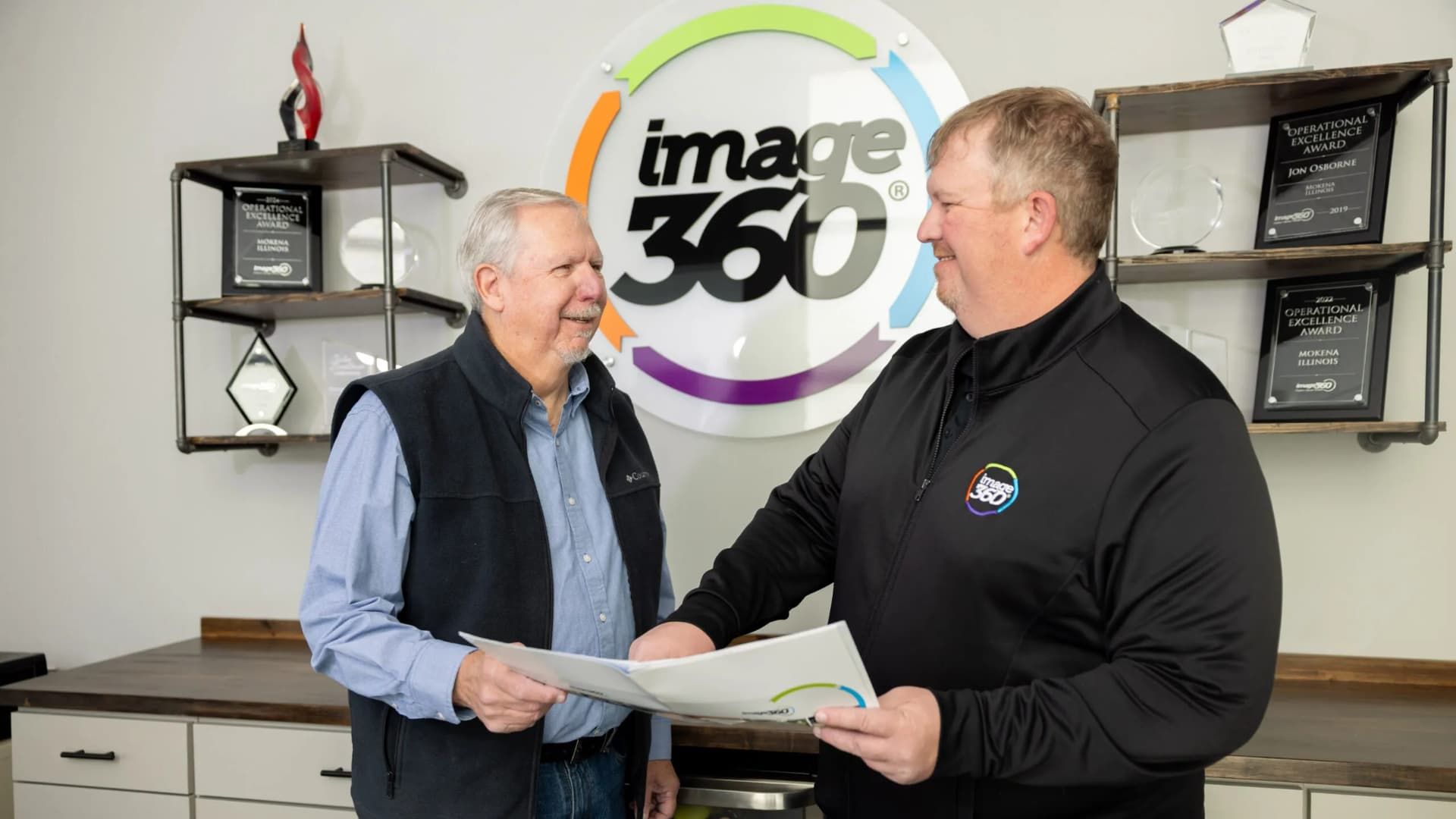
Image360 is a B2B visual communications franchise for aspiring owners who want to serve local organizations with custom signs, graphics, displays, vehicle graphics, wayfinding materials, and related branded solutions. This Image360 Franchise Review explains the business model, Image360 franchise cost range, daily owner responsibilities, training structure, protected-territory terms, and practical factors to consider before buying an Image360 franchise.
This article is sponsored by Image360 and was created in partnership with the brand to provide accurate, compliance-safe information about its business model and franchise opportunity. Nothing in this article should be considered legal, financial, or tax advice. Prospective franchisees should always review the most recent Franchise Disclosure Document (FDD) with qualified advisors before making an investment decision.
If you are researching an Image360 franchise for sale, begin with the brand’s official materials. You can review Image360 franchise information to learn more about its visual communications focus, candidate criteria, and franchise-development process.
Image360 is part of the FBA portfolio. Aspiring owners can use FBA education, franchise-comparison tools, and personalized guidance while deciding whether a commercial graphics franchise aligns with their experience, capital plan, and preferred operating role.
What is an Image360 franchise?
Image360 is a business-to-business visual communications franchise that works with organizations needing custom signs, graphics, displays, and branding materials. Image360 centers use a consultative approach that helps clients define a project, select suitable solutions, coordinate production, and complete installation or delivery requirements.
The brand is not positioned as a basic walk-in print shop. Instead, Image360 centers may help clients solve broader visibility, wayfinding, branding, and facility-communication needs.
An Image360 Center may serve clients such as:
- Local businesses and professional offices
- Retailers and commercial property managers
- Healthcare organizations and schools
- Real estate professionals and developers
- Event planners and nonprofit organizations
- Municipal agencies and community groups
- Service businesses with vehicle or facility branding needs
What services can an Image360 Center provide?
An Image360 Center can provide approved signs, graphics, displays, and related visual communication services for commercial clients. The exact mix can vary by center, local capabilities, and brand standards, so prospective owners should confirm which products and services apply to their proposed location.
Typical project categories can include:
- Interior and exterior business signage
- Architectural and directional signs
- Window, wall, and floor graphics
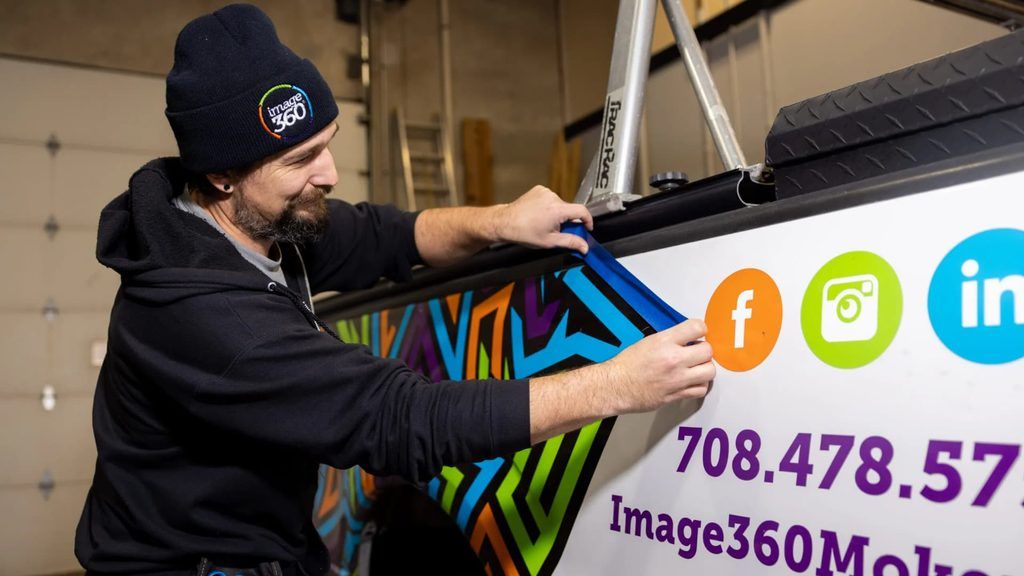
- Vehicle graphics and fleet identification
- Event displays and temporary signage
- Real estate signage and property graphics
- Branded banners, displays, and promotional materials
- Installation coordination for approved signs and graphics
The Image360 franchise model is commercial-facing. As a result, owners often build relationships with local business owners, facilities managers, marketing teams, property managers, and organizational decision-makers.
How is Image360 different from a traditional sign shop?
Image360 differs from a traditional sign shop because the model emphasizes consultative project management across signs, graphics, displays, and installation-related services. The owner and team may work from early customer discovery through design coordination, production, site planning, and final delivery.
For example, a medical office may need exterior identification, lobby graphics, directional signs, privacy graphics, and branded displays. An Image360 Center can identify the project requirements, coordinate proofs, select materials, schedule production, manage installation details, and communicate with the client throughout the process.
This work requires more than taking a standard order. It often involves clarifying specifications, confirming measurements, managing revisions, arranging vendors, and keeping projects moving on schedule.
What does an Image360 franchise owner do each day?
An Image360 franchise owner is generally an active, full-time business operator who manages commercial sales, client relationships, staff, production workflow, and local business development. The role combines consultative selling, team leadership, project oversight, operational discipline, and community networking.
Current official franchise materials state that an individual owner, or a qualifying managing owner for an entity, must personally manage the center on premises full-time. A new center must also have a full-time graphic designer or production specialist and a part-time customer service representative before beginning operations.
What are the daily responsibilities of an Image360 owner?
An Image360 owner may spend each day balancing sales activity, customer communication, project coordination, staff leadership, and local networking. The exact schedule can change based on open projects, client deadlines, staffing needs, and the local commercial market.
A typical Image360 owner’s day may include:
- Following up with business leads and open proposals
- Meeting customers to discuss signage or graphics requirements
- Reviewing artwork, measurements, materials, and installation timing
- Coordinating with a designer, production specialist, installer, or vendor
- Checking proof approvals, production schedules, and project status
- Managing employees, customer service, and workflow priorities
- Networking through local chambers and business organizations
- Reviewing business systems, required reports, and brand standards
Brand materials describe regular business hours as roughly 8:30 a.m. to 5:30 p.m., Monday through Friday. However, project deadlines, client meetings, installation timing, networking events, and local staffing needs can extend an owner’s responsibilities beyond those hours.
Is Image360 a technical business?
Image360 is a technical and operational business, although candidates do not need prior experience in signage or graphics to be considered. The key question is whether a prospective owner is ready to learn the commercial graphics workflow and manage work that requires close attention to specifications, timing, and customer expectations.
An owner does not need to personally design every graphic, operate every machine, or perform each installation. However, the owner should understand the workflow well enough to communicate with clients, supervise employees, review project details, and make informed operating decisions.
Candidates with backgrounds in sales, account management, operations, project management, customer service, or team leadership may recognize many of the required tasks. Training can teach the brand’s systems, terminology, and standards. However, the owner still needs to manage the business with consistency and follow-through.
What is the Image360 franchise cost?
The estimated initial investment for a new Image360 Center ranges from $358,626 to $637,266, based on current official franchise documents. This Image360 franchise investment range reflects a location-based B2B business with equipment, technology, training-related travel, marketing, insurance, build-out, professional services, and early operating needs.
Costs vary by location, lease terms, construction needs, equipment choices, local labor conditions, insurance requirements, and the amount of cash needed for early operations. Therefore, candidates considering an existing center, a conversion, or a dual-brand format should request the current documents for that specific pathway.
What does the initial Image360 franchise investment include?
The initial Image360 franchise investment includes required franchise fees, physical-site expenses, technology, equipment, marketing, insurance, professional services, and estimated additional funds. Each category serves a different purpose during the pre-opening and early operating stages.
| Estimated startup expense for a new Image360 Center | Estimated amount |
|---|---|
| Initial franchise fee | $40,000* |
| Initial training travel, lodging, meals, and payroll | $2,400–$7,898* |
| Opening inventory | $5,485–$5,735* |
| Exterior signage | $4,200–$12,000* |
| Furniture and fixtures | $12,011–$18,385* |
| Rent deposit | $3,500–$10,000* |
| Leasehold improvements | $5,000–$50,000* |
| CoreBridge setup fee | $500* |
| Software and equipment | $75,187–$95,086* |
| Lobby accessory package | $1,500* |
| Marketing and brand identification | $0–$21,480* |
| KickStart initial marketing deposit | $15,000* |
| Utility deposits | $0–$3,500* |
| Professional fees | $4,887–$9,837* |
| Insurance for 12 months | $4,000–$19,600* |
| Additional funds for 12 months | $184,956–$326,745* |
| Total estimated initial investment | $358,626–$637,266* |
*Figures are estimates from current official franchise documents and may change. Prospective franchisees should review the most recent FDD and franchise agreement with qualified advisors before making an investment decision.
Important context: These figures reflect startup and early operating needs only. They do not indicate financial performance or outcomes.
Image360 also offers other pathways, such as acquiring an existing center, converting an independent graphic-solutions business, converting an existing business, or operating a dual-brand location. However, each pathway has separate requirements, estimated ranges, and operating considerations.
Before requesting Image360 franchise information or beginning a franchise application process, organize your capital plan. You can calculate your franchise budget to structure your questions about available capital, expected expenses, and financing discussions.
What drives the Image360 franchise investment range?
The Image360 franchise investment range changes based on the selected site, production equipment, technology, construction work, local insurance costs, and early operating needs. Because each market has different commercial conditions, candidates should build a local estimate rather than rely only on the published range.
First, the physical site can change the cost structure. Current official documents describe a typical new location as approximately 1,800 to 2,200 square feet of net rentable space. Market rent, deposits, build-out requirements, sign ordinances, permit fees, and delivery access can all affect the opening plan.
Next, production equipment can influence the overall cost. A new center may need approved production equipment, software, computers, point-of-sale systems, reliable internet access, backup systems, furniture, fixtures, and branded materials.
Candidates should ask the brand’s franchise-development team:
- Which equipment must be purchased before opening?
- Which equipment may be leased through approved suppliers?
- Which technology tools are required at launch?
- What technology upgrades may be required later?
- Which software, platform, and support fees apply?
- Which permits and licenses apply to local production or installation work?
What ongoing fees should Image360 candidates understand?
Image360 franchisees have ongoing payment obligations that can include royalties, marketing contributions, technology fees, platform fees, and certain situational charges. Candidates should review the current agreements carefully because the franchise documents can change fee structures, caps, service requirements, and maximum charges.
A royalty is an ongoing payment for the right to use the franchise system and brand. A marketing-fund contribution supports system-level marketing and public-relations activity under the current franchise documents.
Which Image360 franchise fees may apply after opening?
The following table summarizes selected recurring and situational fees for an Image360 Center. It does not replace the franchise agreement or the latest official franchise documents.
| Selected ongoing or situational fee | Current description |
|---|---|
| Royalty | Sliding scale of 6%, 4%, and 1.5% of defined gross sales, subject to agreement terms* |
| Marketing Fund contribution | 2% of monthly defined gross sales, with a $16,329 annual cap for the 2026 calendar year, subject to adjustment or modification* |
| Technology Services Fee | $50 per month; may change up to a stated maximum of $1,000 per month* |
| CoreBridge platform | $209–$264 per month, plus taxes and selected options* |
| Convention registration | $350 per person, subject to a stated maximum of $1,000 per person* |
| Additional assistance | $400 per person per day, plus travel expenses, subject to a stated maximum of $1,000 per person per day* |
| Optional WorkStream eCommerce | $820 setup fee plus $155–$505 per month, plus taxes, if selected* |
| Transfer fee | 25% of the then-current initial franchise fee for a new Image360 Center, not to exceed $10,000* |
*Figures are estimates from current official franchise documents and may change. Prospective franchisees should review the most recent FDD and franchise agreement with qualified advisors before making an investment decision.
Important context: These figures reflect startup and early operating needs only. They do not indicate financial performance or outcomes.
What other Image360 expenses should candidates discuss?
Some Image360 expenses arise only when specific events occur. For example, a center may incur charges related to relocation, audits, optional creative or project-management services, additional training, technology changes, insurance, legal services, or a transfer.
Before moving forward, candidates should ask which fees apply to their planned franchise pathway. They should also ask which costs are required, which are optional, and which may change over time under the franchise agreement.
What training and support does Image360 provide?
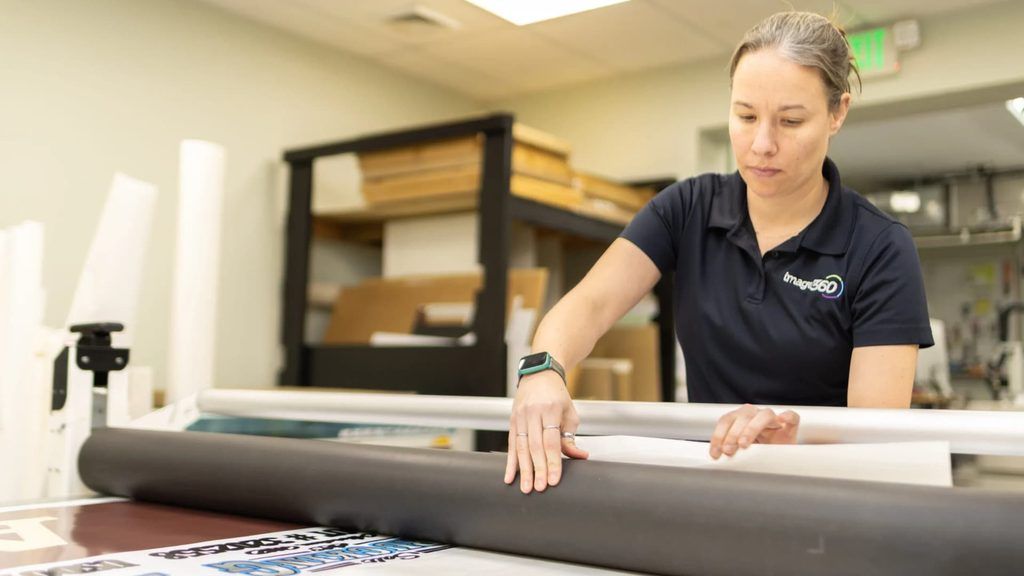
Image360 provides training, opening assistance, operating tools, marketing resources, technology guidance, and continuing support as described in current brand materials. Candidates should confirm the exact training format, duration, attendance requirements, travel obligations, and support scope in the latest official documents before signing an agreement.
Current materials describe training that may combine virtual learning with instruction at the Hanover, Maryland training facility or another designated location. Many new franchisees may complete up to three weeks of initial training. However, conversion and existing-business pathways may follow a different program.
What does Image360 initial training cover?
Image360 initial training can introduce owners to the systems and processes required to operate a visual communications center. The exact curriculum can change, so candidates should request the current agenda and ask how the brand adapts training to different ownership pathways.
Training and support may address:
- Brand standards and operating procedures
- Commercial sales and customer-development practices
- Estimating, project workflow, and client communication
- Technology systems and point-of-sale processes
- Marketing tools, websites, and lead-generation programs
- Supplier resources, materials, and equipment specifications
- Field visits, webinars, calls, and system meetings
In addition, Image360 describes the RightStart program as a one-to-one mentorship structure during the first three years. Candidates should ask who provides the mentorship, how often meetings occur, and what help is available during each stage of ownership.
What opening support may be available to Image360 owners?
Image360 may provide opening assistance on site, virtually, or through a combination of both formats. The brand’s current materials describe different support arrangements based on the center type and the opening plan.
For a new center, opening support can help an owner put systems into practice during the pre-opening period and the early stages of operation. For example, the support may involve technology setup, workflow guidance, staff integration, local marketing activity, or customer-service processes.
Candidates who are new to franchising can also join the franchise education webinar before evaluating brand-specific training programs. As a result, they can bring more focused questions to Image360 franchise-development conversations.
How should buyers evaluate Image360 training?
Candidates should evaluate Image360 training by asking whether it prepares them for daily operating tasks, not simply by counting training days. A strong program should help owners prepare for customer discovery, estimating, project coordination, staffing, production workflow, technology, and post-opening decisions.
Ask these questions during the franchise evaluation process:
- Which modules must the owner complete before opening?
- Which employees can attend training?
- How does the training address project estimating and client communication?
- How does the program prepare owners for complex projects?
- Which services may be outsourced under the brand system?
- What support is available in the first 90 days after opening?
- Which field visits, webinars, calls, or meetings are included?
How do Image360 territory and real estate requirements work?
Image360 provides a protected territory around each center, but the current franchise documents do not grant an exclusive territory. The protected territory generally uses a business-count method and typically includes approximately 4,000 to 5,000 businesses.
A protected territory can limit where the franchisor places certain new Image360, Signs By Tomorrow, or Signs Now physical locations. However, it does not prevent all other branded, affiliated, online, national-account, or regional-account activity from reaching customers in that area.
What does an Image360 protected territory mean?
An Image360 protected territory sets geographic boundaries for certain center-development activity. At the same time, the franchise documents allow the franchisor, affiliated brands, other centers, websites, and other distribution channels to advertise, solicit, accept orders, and provide goods or services to customers in or around the territory.
Because of this structure, local business development remains important. Candidates should ask how the franchisor defines territory boundaries, handles national or regional accounts, manages customer leads, and addresses nearby activity by affiliated brands.
Candidates should also ask whether the protected territory can change. In addition, they should review the proposed territory exhibit before they sign any agreement.
What should candidates assess about an Image360 location?
An Image360 location should support commercial client access, production workflow, equipment needs, staff activity, storage, and local business development. The franchisor may assist with site selection and approve the site and lease terms. However, prospective owners must complete their own local site research.
First, review the physical features of the space. Consider customer access, delivery routes, storage capacity, production layout, equipment placement, parking, and visibility.
Next, review legal and lease requirements. Local sign ordinances, zoning restrictions, permit requirements, contractor-license rules, safety standards, and lease terms can affect the opening plan.
Key location questions include:
- Does the space support customer meetings and production workflow?
- Is delivery access practical for materials and finished projects?
- What local rules apply to the center’s exterior signage?
- What rules apply to customer installation projects?
- Does the lease permit the planned business activities?
- Which commercial corridors and referral sources are nearby?
The U.S. Small Business Administration offers business planning guidance that can help candidates organize market research, local cost estimates, and startup planning. In addition, candidates should work with local legal and real estate professionals who understand commercial leases and municipal requirements.
Who is the ideal Image360 franchise owner?
The ideal Image360 franchise owner is an engaged, full-time operator who enjoys B2B relationship building, structured problem solving, team leadership, and detailed project coordination. Image360 does not require prior sign-industry experience, but candidates should be comfortable learning a commercial graphics workflow and remaining accountable for client communication.
Image360 identifies traits such as being outgoing, sales-oriented, detail-focused, persistent, community-engaged, organized, and able to manage people. These qualities may help an owner turn a broad client request into a clear project scope, defined timeline, and organized delivery process.
Which skills fit the Image360 franchise model?
Image360 may fit candidates who enjoy consultative commercial sales, local relationship building, team leadership, and hands-on operating management. The model requires owners to guide people, manage details, and stay involved in a customer’s project from the first conversation through completion.
Image360 may fit people who enjoy:
- Meeting local business owners and organizational decision-makers
- Developing long-term commercial client relationships
- Managing several projects at different stages
- Leading employees and coordinating vendors
- Following systems, standards, and approved processes
- Networking with chambers and community organizations
- Reviewing customer details before production or installation begins
Who may find the Image360 model less suitable?
Image360 may be less aligned with buyers seeking passive ownership, avoiding sales activity, or preferring limited involvement in project coordination. The model calls for ongoing local business development, staff oversight, client communication, and attention to operational details.
These are practical owner-fit observations, not predictions about individual outcomes. Before moving forward with an Image360 franchise application, assess your franchise-owner profile. This assessment can help candidates identify how their leadership style, decision-making approach, work preferences, and business goals align with a B2B franchise model.
How does Image360 compare with other franchise models?
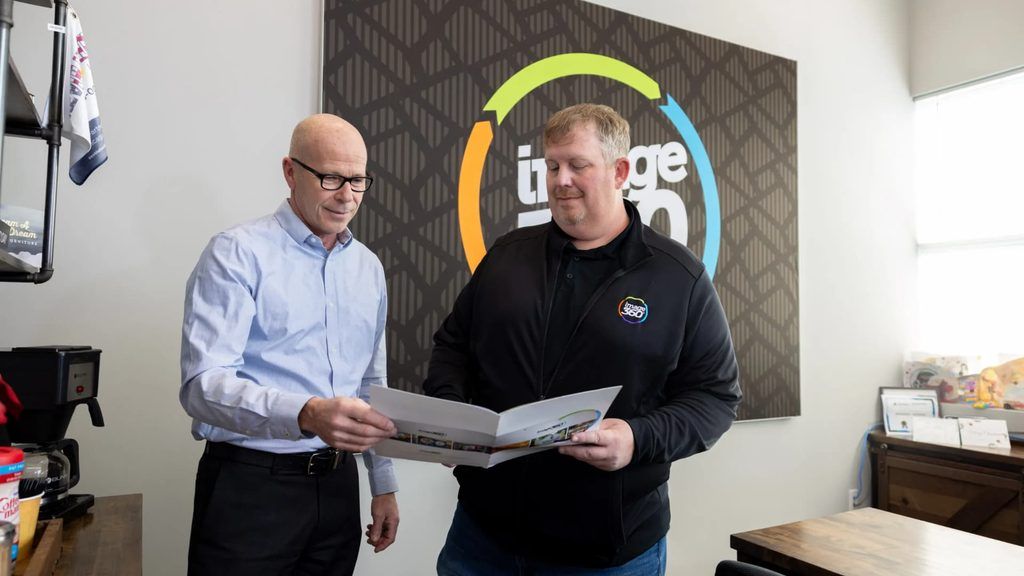
Image360 differs from many consumer-facing franchise models because it focuses primarily on customized visual communications work for commercial clients. An Image360 franchise owner typically spends more time on needs discovery, proposals, sales development, staff coordination, project management, and local business relationships than on routine consumer transactions.
The comparison below is qualitative. It helps prospective owners decide which work style they want before requesting Image360 franchise information or comparing other franchise opportunities.
| Operating consideration | Image360 visual communications model | Typical consumer-facing franchise model |
|---|---|---|
| Primary customer | Businesses, institutions, property managers, and organizations | Consumers, households, or retail customers |
| Sales process | Consultative discussions, proposals, and project scoping | Often booking, service scheduling, or standard transactions |
| Work type | Custom signs, graphics, displays, and project coordination | Varies by franchise category |
| Owner activity | B2B sales, networking, staffing, workflow, and project oversight | May focus on customer service, scheduling, retail, or field operations |
| Production involvement | In-house production, approved outsourcing, or installation coordination | Varies by franchise model |
| Location role | Commercial workspace, production needs, client access, and logistics | Often shaped by retail traffic or a service radius |
| Core fit question | Do you enjoy detailed commercial project work? | Do you prefer consumer-facing service or retail activity? |
How should buyers compare Image360 with other franchises?
Prospective owners should compare Image360 with other franchises using consistent decision criteria. A structured comparison makes it easier to evaluate the work style, operating obligations, location needs, staffing demands, and sales approach behind each franchise opportunity.
Compare each model based on:
- Customer type and client relationship style
- Required owner involvement and work schedule
- Staffing levels and leadership responsibilities
- Commercial location, equipment, and technology needs
- Sales process, local marketing, and networking activity
- Territory terms and the local market
- Training, support, and vendor requirements
When you are ready to evaluate more than one category, compare franchise opportunities using an organized process. This approach helps avoid comparing brands only by industry labels or initial cost estimates.
What due diligence should Image360 candidates complete?
Image360 candidates should complete structured due diligence before making a franchise purchase decision. A strong process compares the brand’s operating requirements with the candidate’s target market, available capital, staffing approach, skills, preferred work style, and willingness to manage B2B sales and project workflow.
Candidates should review the current FDD, franchise agreement, and all applicable addenda with qualified legal and financial advisors. The Federal Trade Commission’s Franchise Rule Compliance Guide provides useful context on franchise disclosures and the framework that applies to franchise offerings.
Which official documents should an Image360 candidate review?
An Image360 candidate should review the latest disclosure document, franchise agreement, addenda, territory exhibit, and any program-specific agreements that apply to the proposed ownership pathway. These documents define the rights, obligations, fees, restrictions, and operating standards that govern the franchise relationship.
A qualified franchise attorney can help a candidate understand contract language. A qualified accountant or financial advisor can help the candidate organize questions about personal capital, business expenses, and funding structure.
The franchisor may provide financial performance information in Item 19 of the FDD; consult the document with a qualified advisor.
Which local market questions matter most?
An Image360 candidate should research local business density, commercial activity, sign regulations, labor availability, lease conditions, and potential client segments. This research helps the buyer compare the proposed location and protected territory with the practical needs of a visual communications center.
For example, candidates can examine nearby business districts, healthcare facilities, retail corridors, property-management firms, schools, real estate activity, local chambers, and organizations that may need ongoing visual communication services.
The U.S. Small Business Administration’s business planning resources can help candidates structure market research and startup planning.
What questions should candidates ask current franchisees?
Current and former franchisees can provide firsthand context about training, staffing, project workflow, support, technology, local marketing, and day-to-day responsibilities. Candidates should use the official contact list and prepare open-ended questions that encourage specific, practical answers.
Ask about:
- Daily owner responsibilities
- Staff hiring and training
- Production and installation workflow
- Local sales activity and networking
- Technology tools and required updates
- Supplier relationships and approvals
- Opening experience and post-opening support
- Customer-project management challenges
If you want help organizing these questions, schedule a no-cost franchise consultation. An FBA consultant can help you create a consistent comparison process before you decide whether to pursue Image360 or another franchise option.
What are common Image360 franchise questions?
Does Image360 require signage or graphics experience?
Image360 states that prior signage or graphics experience is not required, but owners must be prepared to learn a detailed B2B project workflow. A prospective franchisee should expect to develop practical knowledge of sales, estimating, design coordination, production standards, customer communication, and installation-related requirements.
The owner role is not limited to technical production. It also includes leading the team, managing customer expectations, reviewing project details, following brand standards, and building local commercial relationships.
Is an Image360 owner expected to work full time?
Image360’s current official franchise documents state that an individual owner, or a qualifying managing owner, must personally manage the center on premises full-time. The model is designed for active ownership rather than a passive-investor structure.
Prospective buyers should confirm the current managing-owner requirements, staffing obligations, travel expectations, and opening responsibilities in the most recent official documents before signing an agreement.
Does Image360 offer a protected territory?
Image360 provides a protected territory, but it does not grant an exclusive territory under the current franchise documents. The protected area generally includes about 4,000 to 5,000 businesses, while the franchisor and other channels retain rights that may affect commercial activity in and around the territory.
Candidates should review the proposed territory exhibit carefully. Ask how the brand measures the business count, whether boundaries can change, and how online, national, regional, or affiliated-brand activity is handled.
What does Image360 training include?
Image360 training includes initial instruction, operational materials, technology guidance, and opening support based on current brand documents. The program may combine virtual learning with instruction at a designated location, while the exact duration and attendance requirements can vary by franchise pathway.
Candidates should request the current training agenda and ask what employee training is available. They should also clarify travel costs, post-opening support, optional assistance fees, and the role of the RightStart mentorship program.
What does an Image360 franchise cost?
A new Image360 Center has a current estimated initial investment range of $358,626 to $637,266. The range includes franchise fees, equipment, technology, training-related travel, build-out, marketing, insurance, professional fees, and estimated early operating funds, although actual costs depend on local conditions and the individual center plan.
Buyers considering an acquisition, conversion, or dual-brand format should request the current materials for that specific pathway. Different formats have distinct cost ranges and may involve separate business-acquisition expenses.
Is Image360 a B2B franchise?
Image360 is primarily a B2B visual communications franchise that serves organizations needing custom signs, graphics, displays, vehicle branding, wayfinding materials, and related services. This commercial focus makes consultative selling, local networking, project management, and client communication central to the owner role.
Candidates should evaluate whether they enjoy working with business decision-makers, managing custom projects, and developing relationships in a local commercial market.
Is an Image360 franchise the right fit for you?
Image360 may fit aspiring owners who want to buy a B2B franchise centered on visual communications, local commercial relationships, team leadership, and detailed project management. The decision should depend on the candidate’s operating style, local market research, capital plan, staffing approach, and ability to meet Image360’s active-ownership requirements.
Before you request an Image360 franchise application or make an investment decision, review the current official franchise documents, test your assumptions through local research, and speak with qualified legal, financial, and tax advisors. Ask the Image360 franchise-development team for the latest details on startup costs, ongoing fees, training, protected territory, technology requirements, supplier standards, staffing, and contract obligations.
If you are still exploring franchise ownership, reserve a FranPath Live session for structured education on evaluating franchise opportunities and preparing for a business-ownership transition.
Ready to take the next step? The Franchise Brokers Association connects aspiring owners with the guidance, tools, and franchise options they need to make a confident, informed decision. Whether you are still exploring or ready to move forward, explore franchise opportunities with the support of an experienced FBA consultant.