

Ask any burger lover in California, Arizona, Nevada, or Texas to name their favorite fast-food chain, and chances are you’ll hear one name rise to the top with cult-like devotion: In-N-Out Burger. Despite its popularity, many fans wonder why there isn’t an In-N-Out Franchise to bring their favorite burgers to more locations.
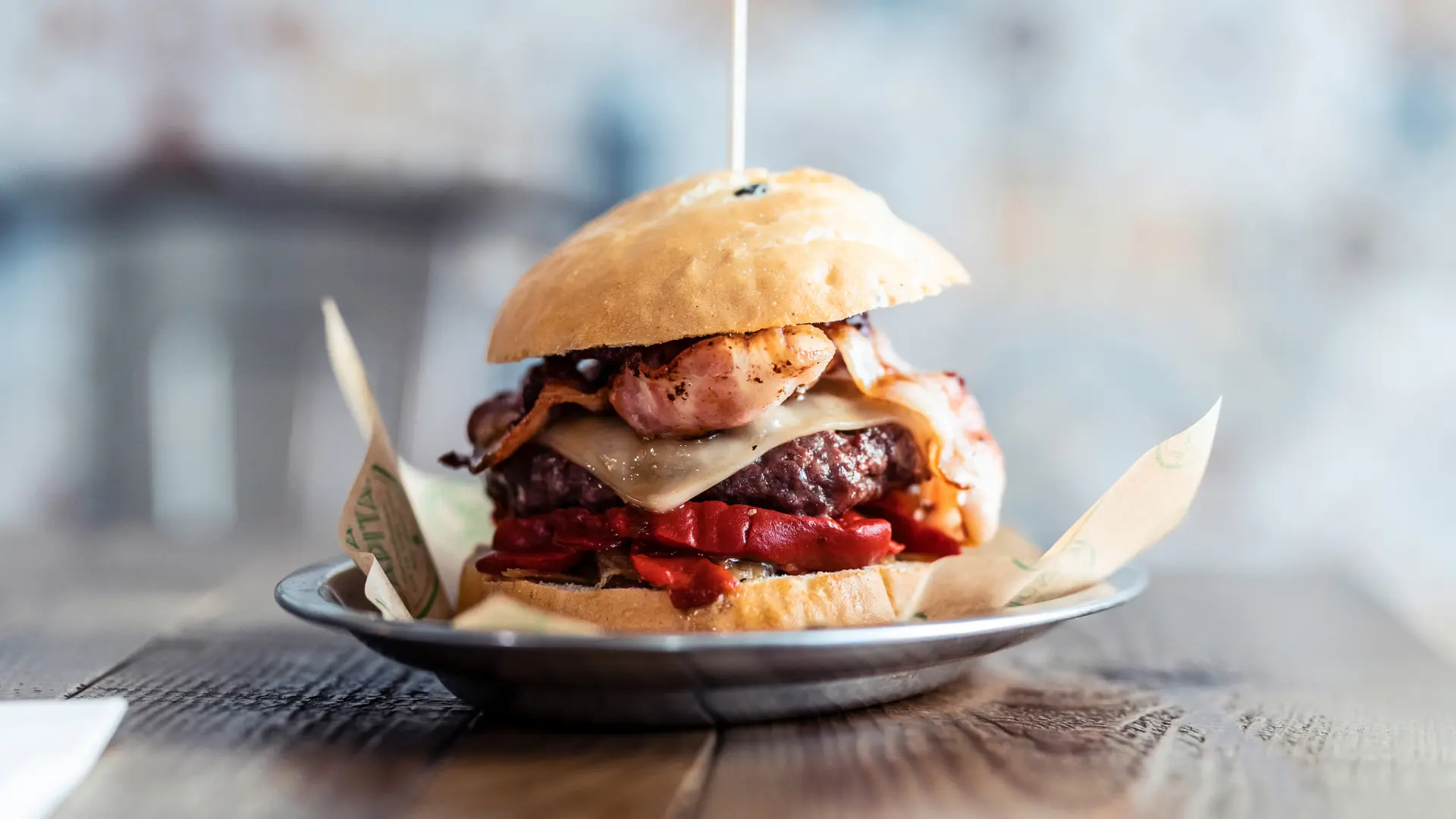
Known for its simple menu, never-frozen patties, hand-cut fries, and a not-so-secret “Animal Style” option that has achieved legendary status, In-N-Out isn’t just a restaurant — it’s a cultural icon of the American West. With a reputation for quality, consistency, and fanatical customer loyalty, it’s no surprise that countless entrepreneurs ask the same question: How do I open an In-N-Out franchise?
Here’s the iconic (and frustrating) truth: you can’t. In-N-Out Burger does not franchise. It never has. And according to the company, it doesn’t plan to.
That single fact separates In-N-Out from nearly every other fast-food success story in America. While other household names have expanded through franchise models, In-N-Out has remained steadfastly private, growing slowly and intentionally under tight company control.
For anyone Googling “is In-N-Out a franchise” or “is In-N-Out Burger a franchise”, this article is your clarity—and your playbook for what to do next.
If you’re exploring ownership in food and QSR, this isn’t just trivia. It’s a case study in brand control, growth strategy, and what today’s best franchise systems actually offer when it comes to ownership, scalability, and long-term profitability.
Ready to compare real franchise options (not myths)? Start here: Find Franchises.
What Makes In-N-Out Burger Stand Out?
Founded in 1948 by Harry and Esther Snyder in Baldwin Park, California, In-N-Out Burger was more than a burger stand — it was a fast-food revolution in the making. As the first drive-thru hamburger stand in California, equipped with a two-way speaker system, the company introduced innovations that helped redefine quick-service dining.
Today, under third-generation owner Lynsi Snyder, In-N-Out has grown to hundreds of locations across multiple U.S. states, expanding carefully while maintaining intense operational control. Even with a regional footprint, it enjoys nationwide recognition and international admiration—drawing tourists, influencers, and burger lovers from around the world.
At the heart of In-N-Out’s enduring appeal is its commitment to quality over quantity. Unlike most fast-food brands that chase rapid expansion and endless menu innovation, In-N-Out stays laser-focused on doing a few things exceptionally well.
In-N-Out’s operating philosophy (the “why it works”).
- Freshness: Fresh, never-frozen beef. The company avoids microwaves, freezers, and heat lamps—prioritizing made-to-order.
- Simplicity: A menu that has barely changed for decades—hamburgers, cheeseburgers, fries, shakes. No constant limited-time gimmicks.
- Service: Employees are known for professionalism and longevity, supported by strong training, internal promotion, and higher-than-average pay.
This tightly controlled model has built a near-mythical reputation for consistency—something many fast-food brands struggle to maintain as they scale.
Why In-N-Out Doesn’t Franchise.
In a fast-food landscape where franchising fuels rapid expansion and massive valuations, In-N-Out remains a fiercely independent outlier. Instead of selling territories or licensing operators, it owns and operates every location.
So if you’re asking “does In-N-Out franchise?” or “can you franchise In-N-Out?” the answer is still no—and the reasons are remarkably consistent.
1) Total control over quality
Franchising introduces operational variability—something In-N-Out refuses to compromise on. By staying company-owned, they can enforce:
- consistent ingredient standards (freshness is non-negotiable)
- uniform training and hands-on operational systems
- the same customer experience, store to store
2) Preserving internal culture
In-N-Out isn’t just known for its food—it’s known for its people. The brand has built a values-driven culture based on loyalty, training, and upward mobility:
- many leaders started in entry-level roles
- the company promotes from within
- integrity and consistency outrank “profit-at-any-cost” growth
Outside franchise owners could weaken that culture, and In-N-Out leadership isn’t willing to risk it.
3) A strategic slow-growth approach
Unlike giants chasing market saturation, In-N-Out prioritizes infrastructure-aligned growth:
- new stores must fit supply chain realities (freshness depends on tight distribution)
- expansion is deliberate, not aggressive
- the brand maintains strong control rather than global sprawl
For In-N-Out, slower expansion isn’t a limitation—it’s the strategy.
What If You Could Franchise In-N-Out?
Because there’s no In-N-Out Burger franchise, people naturally search for “In-N-Out franchise cost” or “In-N-Out Burger franchise cost.” The reality: there is no official franchise fee, no franchise disclosure document, and no franchising program.
Instead of presenting speculative tables (which can reduce trust), here’s a more useful way to think about it:
A realistic way to estimate “In-N-Out franchise cost” (without guessing numbers).
If In-N-Out were franchising, costs would likely resemble other premium, high-throughput QSR concepts. Total investment in that world is driven mostly by:
- real estate and site development
- buildout/leasehold improvements
- equipment + kitchen capacity
- labor strategy and training intensity
- working capital requirements (especially during ramp-up)
So while the internet may tempt you with made-up figures, the ownership takeaway is simple: you can’t buy an In-N-Out Burger franchise—so don’t build your plan around a franchise that doesn’t exist.
If you want to pressure-test what you can afford (and what different models typically require), use the Franchise Financial Calculator to map a realistic range to your budget.
What Aspiring Franchisees Can Learn From In-N-Out’s Model.
You may never own an In-N-Out franchise, but you can use the In-N-Out playbook as a framework to evaluate real franchise opportunities.
Consistency is king.
Repeatable success comes from predictable standards. When evaluating a franchise system, ask about:
- quality control and inspections
- standardized training and onboarding
- customer satisfaction patterns and multi-unit consistency
Consistency isn’t just good for customers—it’s your protection as an owner.
Brand values aren’t just buzzwords.
In-N-Out’s culture is embedded in hiring, training, and service. When evaluating a franchise:
- does leadership reinforce values in operations (not just marketing)?
- do franchisees feel supported—or sold?
- can you see yourself representing the brand long-term?
If you want a faster way to clarify “fit,” take the Zorakle Assessment—it helps narrow models based on goals, lifestyle, and strengths.
Growth should be strategic, not just fast.
Rapid growth can strain training, supply chains, and franchisee support. Before signing anything, evaluate:
- territory strategy and site selection process
- onboarding quality and ongoing support depth
- infrastructure built to scale without sacrificing standards
The goal isn’t “fastest-growing.” It’s “built to last.”
Alternatives to In-N-Out for Fast-Food Entrepreneurs.
If your dream is QSR ownership, you still have options—even though In-N-Out Burger franchise ownership is off the table. There are franchise-friendly brands that offer strong systems, loyal customers, and scalable unit economics.
Here are solid categories to consider (depending on your capital, role, and lifestyle goals):
- Chicken QSR concepts with strong demand and operational consistency.
- Burger + dessert hybrids that diversify revenue streams.
- Fast-casual pizza with simplified make-lines and high customization.
- Dessert/snack concepts with smaller footprints and simpler operations.
The right choice depends less on what’s famous and more on what fits your investable capital, time commitment, and operator strengths.
To explore options matched to your real-world goals, start with Find Franchises.
How FBA Helps You Choose a Better-Fit Franchise.
Big brands are familiar. That doesn’t mean they’re a fit.
FBA helps you evaluate franchises through a fit-first, diligence-first process—so you’re choosing based on what you can actually operate (and afford), not what you recognize from a highway sign.
Here’s what that looks like in practice:
- Capital + risk fit: We match concepts to your investable capital, financing comfort, and buildout tolerance—so you don’t “fall in love” with something your numbers won’t support.
- Role + lifestyle fit: We map your ideal week (nights/weekends, hands-on vs. manager-led, travel tolerance) to business models that match it.
- Skill-based selection: We steer you toward models that reward your strengths—ops leadership, sales/relationship-building, team management, or multi-unit execution.
- Diligence system (so nothing gets missed): We help you organize your questions, disclosures, and validation notes consistently, so comparisons are apples-to-apples.
- Clean decision-making: We encourage qualified advisors early and help you avoid costly shortcuts in high-commitment agreements.
If you want a guided, one-on-one conversation, book Franchise Consulting. If you’d rather learn first, start with the Franchise Webinar.
You can also plug into live guidance and real-time Q&A inside Franpath Live.
What You Should Know Before You Invest.
In-N-Out may be one of the most admired names in American fast food—but for aspiring franchise owners, it’s not an open door. If you’re still wondering “is In-N-Out Burger a franchise?” or searching “In-N-Out burger franchise cost,” the conclusion is straightforward:
- there is no franchising program
- there is no franchise fee to buy in
- there is no legal path to become an In-N-Out franchisee
But your dream of franchise ownership doesn’t end here.
Instead, ask: what exactly draws you to In-N-Out? Uncompromising quality? Loyal customers? Culture-driven operations? Those traits are benchmarks—and FBA can help you find franchise opportunities that share the same DNA and offer real ownership.
Start your discovery today and compare top franchise opportunities built for real ownership and long-term success.