


“How much does a 7-Eleven franchise cost?” is one of the most frequently searched questions among prospective franchise owners—and for good reason. 7-Eleven is one of the most recognizable convenience store brands in the world, with a massive global footprint and decades of franchising experience.
But the 7 Eleven franchise cost, profit structure, and operational reality are very different from what many first-time franchise buyers expect. While the brand’s scale and systems can be attractive, the model is not universally suitable—especially for buyers seeking flexibility, semi-absentee ownership, or predictable margins.
This guide explains:
-
The 7-Eleven franchise cost and requirements.
-
How the 7-Eleven business model really works.
-
Pros, cons, and risks for first-time owners.
-
Who this franchise tends to fit best (and who should look elsewhere).
-
How to compare 7-Eleven with other franchise opportunities objectively.
Important disclosure: This article is informational and educational only. 7-Eleven is not part of the Franchise Brokers Association (FBA) portfolio, and FBA does not represent or sell this franchise. All figures should be verified in the most current Franchise Disclosure Document (FDD) and with qualified legal and financial advisors.
If you want to compare 7-Eleven against other franchises that are actively recruiting owners, start with Find Franchises.
How Much Does a 7-Eleven Franchise Cost?
The 7 Eleven franchise cost varies significantly based on store format, location, and whether the site is newly built, converted, or transferred from an existing operator.
7-Eleven Franchise Cost Overview.
| Expense | Estimated Cost |
|---|---|
| 7-Eleven Franchise Fee | $10,000 – $1,000,000 |
| Total Initial Investment | $37,550 – $1,149,900 |
| Liquid Assets Requirement | $50,000 – $250,000 |
| Profit Structure | Gross profit split (often ~50/50) |
To understand whether these numbers align with your personal risk tolerance, the Franchise Financial Calculator can help model different scenarios.
Breaking Down the 7-Eleven Franchise Cost.
The 7-Eleven franchise fee can range from $10,000 to $1,000,000, depending on location, store size, and expected sales volume. This wide range reflects different entry paths, including high-traffic urban stores and premium locations.
Initial Investment.
The total 7-Eleven franchise cost typically falls between $37,550 and $1,149,900, covering inventory, permits, deposits, and startup costs. Stores that include foodservice equipment or require extensive upgrades often sit toward the higher end.
Liquidity Requirement.
7-Eleven generally requires $50,000–$250,000 in liquid assets, ensuring franchisees can operate during early ramp-up periods.
The 7-Eleven Profit Model (A Major Differentiator).
Instead of a traditional royalty on sales, 7-Eleven typically charges franchisees a percentage of gross profit (often 50%, subject to certain adjustments), which can materially affect how much cash flow remains after operating expenses.
What this means in practice:
-
You do not retain all gross profits.
-
Corporate shares directly in store performance.
-
Alignment exists, but upside is capped compared to traditional royalty models.
This structure surprises many first-time buyers and is one of the most important elements to understand before moving forward.
7-Eleven Franchise Requirements.
Beyond the 7 Eleven franchise cost, candidates must meet operational and background standards.
| Requirement | Details |
|---|---|
| Training Program | Extensive operational training |
| Background Review | Financial stability, integrity, business history |
| Business Planning | Store operations and execution planning |
| Experience | Retail or management experience helpful |
Training covers inventory, compliance, staffing, food safety (where applicable), and store systems. While retail experience isn’t mandatory, it’s a strong advantage.
Business Model & Day-to-Day Operations.
A 7-Eleven franchise is best understood as a high-frequency retail operations business. You’re managing a store that sells a wide mix of products—often including prepared food, beverages, and high-turn items—where success comes from execution discipline more than “one big sale.”
Most franchisees who do well treat the store like a daily operating system: people + inventory + standards + cash controls, repeated consistently.
Typical day-to-day operational realities.
1) Long hours and constant coverage.
Many convenience locations operate extended hours—and in some markets, 24/7. Even if you hire managers, you’ll still need a plan for:
- Open/close routines (and security checks).
- Shift handoffs and accountability.
- Weekend/holiday staffing coverage.
- Emergency call-outs and last-minute schedule gaps.
If you’re looking for a “9–5” ownership schedule, this can be a mismatch unless you build a strong manager-led structure (and budget for it).
2) High transaction volume + speed expectations.
Convenience retail is built on repetition and throughput:
- Fast checkout lines.
- Quick restocking of top sellers.
- Consistent in-stock conditions (customers leave if basics are missing).
- Maintaining a clean, safe store experience at all times.
Operationally, that means your team is always balancing customer flow with behind-the-scenes tasks like stocking, cleaning, and merchandising.
3) Inventory management is the game.
Inventory isn’t just “ordering products.” It’s controlling:
- Reorder points and turns (so shelves stay full without overbuying).
- Dated items and waste (especially in foodservice).
- Vendor deliveries and receiving accuracy.
- Promotional/seasonal resets and planograms.
- Pricing integrity (matching system pricing to shelf tags).
In convenience retail, small leaks add up quickly. Tight inventory habits can be the difference between a healthy store and a stressful one.
4) Shrink, cash controls, and loss prevention.
Shrink is one of the biggest operational threats in convenience retail. It can come from:
- Theft (internal and external).
- Receiving errors.
- Incorrect POS practices.
- Spoilage / expired items.
- Weak cash handling discipline.
That’s why 7-Eleven operators typically put strong focus on:
- Cash drawer procedures and shift audits.
- Camera coverage and incident documentation.
- Receiving checklists and inventory verification.
- Consistent training on POS behaviors and refunds.
5) Staffing across multiple shifts (and managing turnover).
Because stores often run long hours, staffing is not just “hiring a cashier.” You’re building a schedule that covers:
- Morning, afternoon, evening, and late-night shifts.
- Peak traffic windows.
- Safe single-person vs. multi-person coverage.
- Training and accountability for new hires.
Retail turnover can be high, so owners who win usually have:
- A repeatable onboarding process.
- Clear daily checklists by role.
- Performance standards (speed, cleanliness, accuracy).
- A manager cadence (shift meetings, weekly scorecards, coaching).
6) Foodservice adds complexity (when applicable).
If your location includes prepared food and beverage programs, you’re also managing:
- Food safety routines and temperature logs.
- Cleaning schedules and sanitation procedures.
- Waste tracking and freshness standards.
- Stocking and prep workflow.
- Higher compliance sensitivity.
Prepared food can raise ticket size and repeat visits, but it increases execution requirements.
7) Compliance, safety, and local regulations.
Depending on your store, you may deal with:
- Health department inspections (if foodservice applies).
- Tobacco/alcohol compliance (where permitted).
- Labor rules and scheduling requirements.
- Brand standards and operational audits.
- Safety/security procedures for late hours.
Compliance is a “systems business” inside a systems business—strong operators don’t wing it.
Real Estate, Store Formats & Fuel Considerations.
7-Eleven locations vary widely:
-
Urban walk-in stores.
-
Suburban strip locations.
-
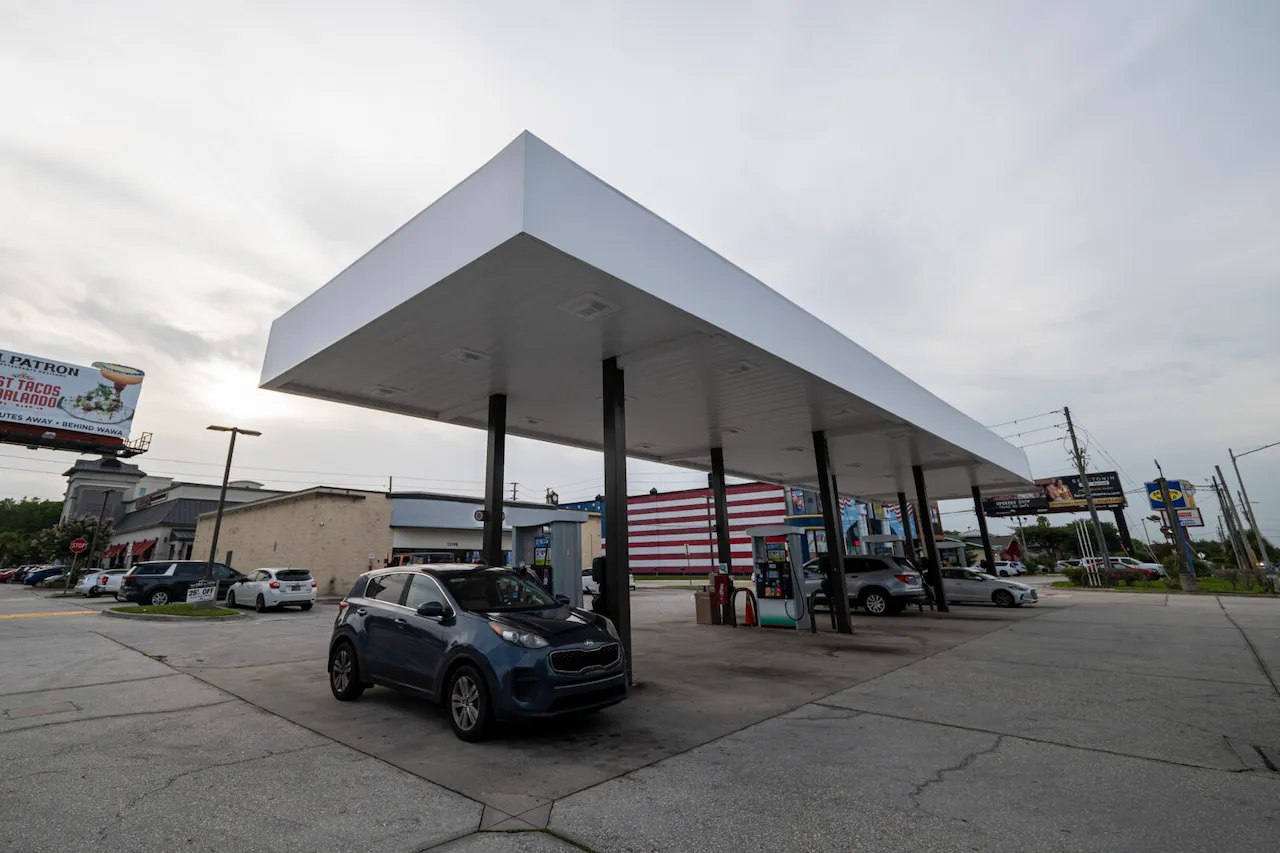
Convenience stores with fuel (not universal).
Fuel is not guaranteed and depends on site characteristics and market approvals. Buyers should not assume gas sales are part of every 7-Eleven franchise.
Site selection emphasizes:
-
Visibility.
-
Traffic flow.
-
Parking access.
-
Competitive density.
Real estate decisions have an outsized impact on performance.
Pros, Cons, and the Real Trade-Offs of Owning a 7-Eleven Franchise.
A 7-Eleven franchise can look attractive on the surface—iconic brand, heavy foot traffic, and a system built to run at scale. But the same factors that make the model powerful (high volume, standardized operations, centralized systems) also introduce real constraints and pressures. Here’s a practical look at the upside and the risks, so you can evaluate the opportunity with clear eyes.
Pros of owning a 7-Eleven franchise.
-
Global brand recognition: 7-Eleven is one of the most recognizable names in convenience retail, which can translate into immediate customer awareness and steady walk-in demand in the right trade area.
-
Turnkey systems and supply chain: The model is built around standardized purchasing, vendor relationships, and operational routines. For many owners, that reduces guesswork and makes execution more repeatable than independent retail.
-
Strong operational infrastructure: Franchisees benefit from established tools, processes, and training designed for high-frequency retail—inventory flow, promotions, store standards, and day-to-day operating discipline.
-
National and regional marketing support: Brand-level advertising and promotions can help drive traffic and seasonal demand, especially in competitive corridors where visibility and consistency matter.
Cons and risks to understand
-
High financial commitment: Depending on store type and market, the upfront and ongoing capital demands can be significant. Buildouts, equipment refreshes, and working capital can become real decision points—not just a one-time startup cost.
-
Profit-sharing structure can limit upside: Because the model typically involves a charge tied to gross profit (rather than a simple royalty), strong sales do not always translate into “franchise owner-style” margins. The structure can reduce the upside compared to models where owners keep more of the gross profit and simply pay a royalty on sales.
-
Operational intensity: Convenience retail is a daily execution business—long hours, constant coverage, and relentless attention to inventory, cleanliness, and speed. This is not a “set it and forget it” franchise.
-
Staffing and shrink challenges: Turnover, shift coverage, and loss prevention can make or break performance. Even small leaks—waste, theft, receiving errors, cash-handling issues—add up quickly in a tight-margin environment.
-
Highly competitive retail environment: Convenience stores compete against other c-stores, gas stations, grocery grab-and-go, dollar stores, pharmacies, and even delivery. Location, execution, and local competition matter as much as brand name.
A 7-Eleven franchise can be a strong match for a hands-on operator who thrives on systems, process control, and high-volume retail execution. But it’s essential to evaluate the profit structure, local competition, staffing plan, and your time commitment—because strong sales volume does not automatically translate into high owner income.
Who Is a 7-Eleven Franchise a Good Fit For?
Understanding who thrives in a 7-Eleven franchise is just as important as understanding the 7 Eleven franchise cost. This model rewards a very specific ownership style—and can feel frustrating if your expectations don’t align with the operational reality.
A 7-Eleven franchise tends to be a strong fit if you:
-
Want a hands-on retail business. You’re comfortable being involved in day-to-day operations, especially in the early years, and you don’t expect the business to run itself.
-
Are comfortable managing people and inventory. Hiring, training, scheduling, and coaching staff—along with tight inventory and cash controls—are core responsibilities, not side tasks.
-
Prefer structured systems over creative freedom. You value standardized processes, checklists, and proven operating systems more than experimenting with products or store concepts.
-
Can handle long hours and operational pressure. Extended operating hours, weekend coverage, and peak-period intensity don’t scare you—you see them as part of the job.
-
Think like an operator, not just an investor. You’re motivated by running a clean, efficient store and improving performance through discipline and consistency.
A 7-Eleven franchise may not be ideal if you:
-
Want semi-absentee or passive ownership. This model typically requires regular on-site involvement or a well-paid, closely managed leadership team.
-
Prefer predictable margins and simple economics. The gross profit–based fee structure and retail variability can make cash flow less predictable than in some other franchise models.
-
Dislike staffing complexity. Managing turnover, multiple shifts, and frontline retail employees feels draining rather than energizing.
-
Expect traditional franchise equity upside. If your goal is to build and later sell a business where you retain most of the upside, this structure may feel limiting compared to royalty-based franchises.
A 7-Eleven franchise works best for owners who enjoy operational control, routine, and execution at scale. If your ideal business emphasizes flexibility, fewer hours, or leveraged management from day one, it’s worth comparing this model to other franchise opportunities before committing.
How FBA Helps You Choose a Better-Fit Franchise.
Big brands are familiar. That doesn’t mean they’re a fit.
The Franchise Brokers Association helps you evaluate franchises through a fit-first, diligence-first process, so you choose based on what you can actually operate—not just what you recognize from a sign.
How that works in practice:
-
Capital + risk fit: Matching concepts to your real financial comfort.
-
Role + lifestyle fit: Aligning ownership with your ideal week.
-
Skill-based selection: Steering you toward models that reward your strengths.
-
Diligence system: Structured comparisons so nothing gets missed.
-
Clean decision-making: Encouraging qualified advisors early.
For one-on-one guidance, book Franchise Consulting.
To learn first, start with the Franchise Webinar.
For live Q&A and case studies, join Franpath Live.
Find Your Best-Fit Franchise, Not Just the Most Famous One.
A 7-Eleven can be a strong opportunity for the right hands-on operator—thanks to brand recognition, established systems, and a proven retail model. But it also comes with real trade-offs: meaningful startup costs in many markets, long operating hours, staffing complexity, and the discipline required to manage inventory and shrink in a competitive environment.
That’s why it’s smart to keep your options open. Many franchises in home services, fitness, education, food service, and B2B services offer different investment levels, operating demands, and lifestyle profiles. The goal isn’t just to “buy a franchise”—it’s to choose a business you can operate confidently and profitably for the long term.
Start comparing options with Find Franchises. If you want a guided, one-on-one fit and budget review, book Franchise Consulting. Prefer to learn first? Join the Franchise Webinar or plug into live Q&A inside Franpath Live.