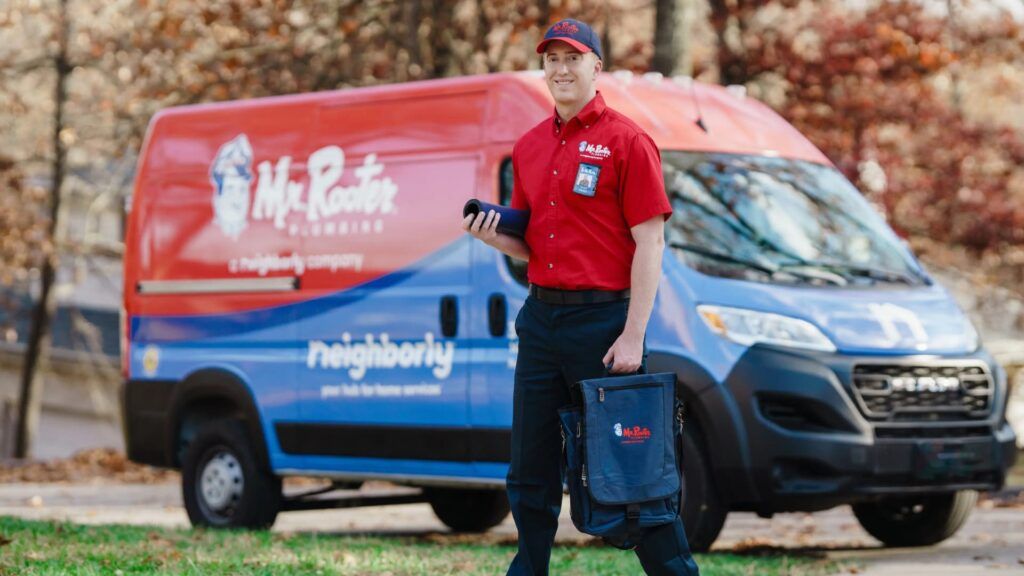



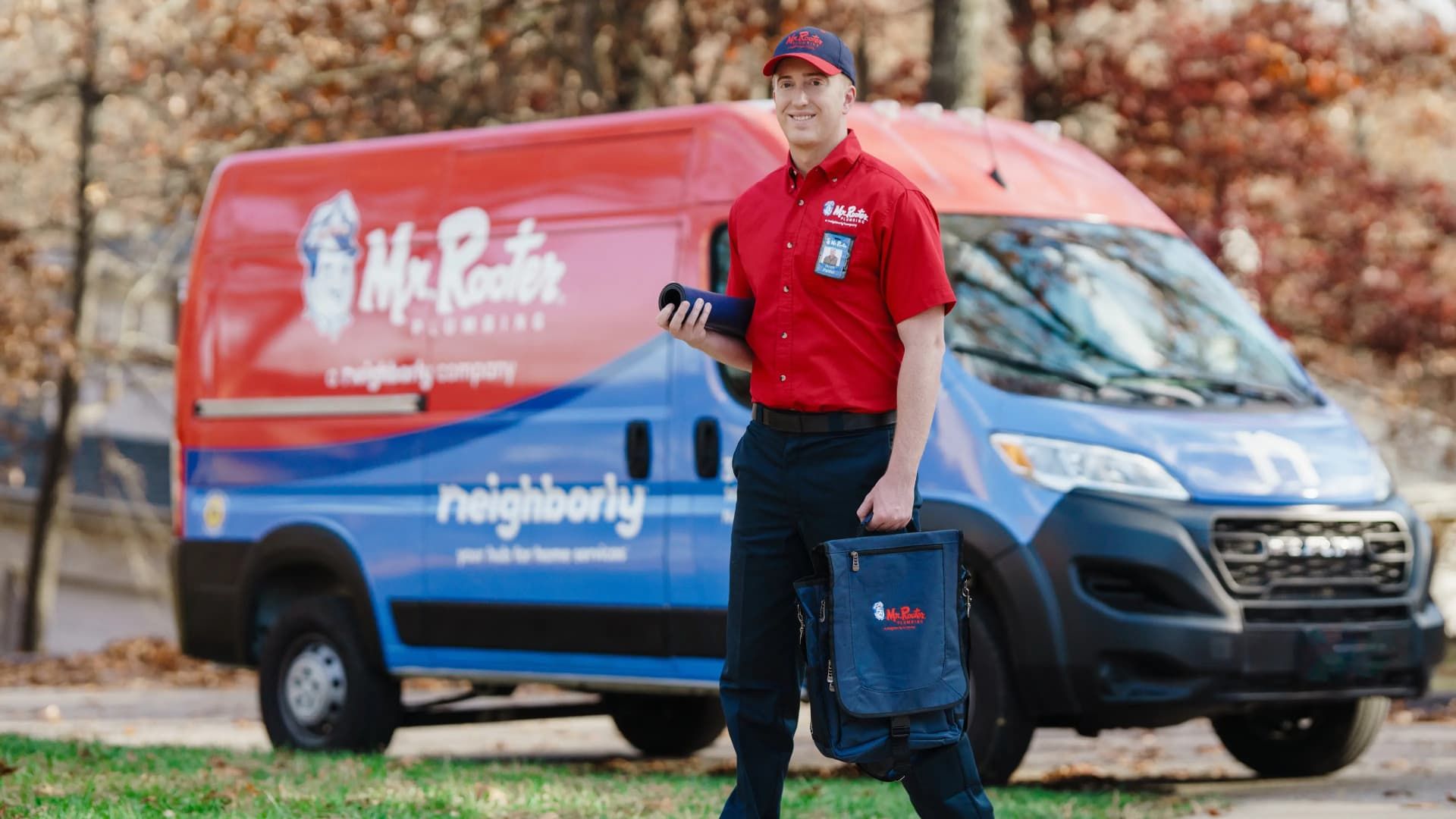
Thinking about owning a Mr. Rooter franchise? You are not alone. It is one of the most searched plumbing franchise opportunities in North America — and for good reason.
The brand has been around for more than 50 years. It is ranked #1 in its category by Entrepreneur Franchise 500 two years in a row. And it operates inside the Neighborly home services network, one of the largest home service platforms in the country.
But a strong brand does not automatically mean it is the right fit for you. That is what this review is for.
Inside, you will find a clear breakdown of the Mr. Rooter franchise cost, the owner’s daily role, training and support, territory structure, and who this opportunity is — and is not — designed for.
This article is sponsored by Mr. Rooter and was created in partnership with the brand to provide accurate, compliance-safe information about its business model and franchise opportunity. Nothing in this article should be considered legal, financial, or tax advice.
Prospective franchisees should always review the most recent Franchise Disclosure Document (FDD) with qualified advisors before making an investment decision.
Not sure where to start? Get free expert guidance from an FBA franchise consultant — no cost, no pressure, just clarity.
What Is the Mr. Rooter Franchise?
The Mr. Rooter franchise is a nationally recognized plumbing services brand designed for owners who want to run a business — not work on the truck. It offers a necessity-based service model, established systems, and the full backing of the Neighborly home services network.
The Mr. Rooter plumbing franchise is positioned as a recession-resilient, necessity-based home and commercial service opportunity in the plumbing sector. Franchisees focus on leadership, staffing, and growth while licensed field teams handle the technical work.
The brand has been operating for more than 50 years — founded in 1970 — and has grown into one of the most widely recognized names among plumbing franchise for sale opportunities in North America. Today it operates in over 300 markets across the United States and Canada as part of the Neighborly family of home service brands.
Want to learn more about how franchise ownership works before going deeper? Join a free franchise webinar and get your questions answered by industry experts.
Who Owns Mr. Rooter?
Understanding who stands behind the Mr. Rooter franchise matters before you look at any numbers. Brand ownership and corporate structure directly affect training quality, marketing resources, technology investment, and long-term system stability.
The Neighborly Connection.
Mr. Rooter Plumbing is part of Neighborly, formerly known as The Dwyer Group — one of the largest home services platforms in the world. Neighborly operates multiple well-known home service brands under one umbrella, providing shared infrastructure, marketing muscle, and operational resources that individual franchisees can leverage.
Neighborly’s headquarters are in Waco, Texas. The executive team overseeing Mr. Rooter includes a dedicated brand President plus shared Neighborly roles including a Chief Executive Officer, Chief Marketing Officer, and senior finance leaders who also oversee other affiliated brands. This structure means Mr. Rooter franchise owners benefit from corporate-level expertise across multiple home service concepts.
A Brand With Over 50 Years of History.
Mr. Rooter and its predecessors have over 50 years of experience in the plumbing industry. Over time, the brand evolved from a stand-alone plumbing business into a franchised system with national reach and established operating standards.
That history matters for prospective owners evaluating Mr. Rooter franchise reviews. A brand with 50+ years of franchising experience has had time to refine its systems, build its training programs, and develop the support infrastructure that new franchisees rely on.
Awards and Recognition.
The Mr. Rooter plumbing franchise has earned consistent industry recognition:
- Entrepreneur Franchise 500 Ranked #1 in Category — 2024
- Entrepreneur Franchise 500 Ranked #1 in Category — 2025
- Entrepreneur Franchise 500 Top Franchise for Veterans — 2024
- Franchise Business Review Top Franchise Satisfaction — 2024
- Franchise Business Review Top Franchises for Veterans — 2024
Key Facts at a Glance
Here is a fast snapshot of the Mr. Rooter franchise before diving into the detailed sections below.
| Detail | Information |
|---|---|
| Founded | 1970 (over 50 years in the plumbing industry) |
| Headquarters | Waco, Texas, through Neighborly and The Dwyer Group |
| Unit count | Over 300 markets in North America |
| Business model | Necessity-based residential and commercial plumbing services |
| Owner profile | Management-focused “master business owner” |
| Initial investment range | Approximately $122,303–$263,800* (per 2025 FDD Item 7) |
| Initial franchise fee | $42,500* for a standard territory |
| Royalty fee | 6% of gross sales weekly |
| Training | Approx. 13–17 days initial training plus Sure Start onboarding |
| Territory | Typically 100,000–300,000 residents per protected territory |
| Awards | Entrepreneur Franchise 500 #1 in Category (2024 and 2025) |
| Entry paths | New startup or conversion of existing plumbing business |
Mr. Rooter Franchise Cost: How Much Does It Cost to Open?
One of the first questions in almost every how much does a Mr. Rooter franchise cost conversation is straightforward: what is the total investment?
According to the 2025 FDD, the estimated initial investment typically ranges from about $122,303* to $263,800*. These figures include the initial franchise fee, vehicles, equipment, initial marketing, and three months of additional operating funds. They do not include real estate costs or additional franchise fees for larger territories.
Before reviewing these numbers, it helps to understand what you can realistically afford. Use the free FBA Franchise Financial Calculator to get a clearer picture of your investment capacity before speaking with any franchisor.
Startup Costs and Fees.
| Category | Low Estimate* | High Estimate* |
|---|---|---|
| Initial Franchise Fee* | $42,500 | $42,500 |
| Vehicles* | $20,220 | $69,300 |
| Equipment / Signage* | $25,000 | $40,000 |
| Training / Travel* | $3,100 | $7,550 |
| Working Capital (first 3 months)* | $15,000 | $40,000 |
| Technology / Software (initial)* | $1,250 | $1,250 |
| Other Pre-Opening Costs* | $15,233 | $63,200 |
| Total Estimated Initial Investment* | $122,303 | $263,800 |
What Tends to Move the Total Up or Down?
The total Mr. Rooter franchise cost can shift significantly based on several key variables. Understanding these is critical when reviewing Item 7 with your advisors.
- Territory size and population: larger territories beyond the minimum population increase the initial franchise fee at $425 per 1,000 additional people.
- New startup vs. conversion: owners converting an existing plumbing business may already have vehicles, equipment, and inventory, reducing certain startup line items.
- Vehicle count and configuration: adding more branded service vehicles or purchasing new ones rather than rebranding existing ones increases upfront costs.
- Facility choice: operating from an existing facility, a home-based office, or lower-cost industrial space can keep early real estate costs lower.
- Local labor and insurance rates: insurance, licensing, permits, and wage levels vary by market and influence working capital needs.
- Marketing intensity: spending beyond the required minimum local marketing threshold increases early costs but may support more aggressive growth strategies.
Mr. Rooter Franchise Fees and Ongoing Costs.
Beyond startup costs, mr. rooter franchise owners pay ongoing fees based on gross sales, plus technology, call center, and other system fees. Some fees may vary based on roll-in or conversion status.
Ongoing Fees Overview.
| Category | Rate / Amount* | Notes |
|---|---|---|
| Royalty Fee* | 6% of Gross Sales | Weekly license fee; phased rates may apply for roll-in scenarios* |
| Brand / Marketing Fund (MAP)* | 2% of Gross Sales | Marketing, advertising, and promotion fund; minimums apply for roll-in situations* |
| Local Marketing Spend* | Greater of $30,000/year or 5% of prior-year Gross Sales | In addition to national MAP contributions* |
| Technology Package* | ~$76/month + add-ons | Monthly tech fee plus optional QuickBooks Online and per-user charges* |
| Software Enrollment (one-time)* | $1,250 | Paid at or before opening* |
| Call Center Fee* | ~$349.99–$449.99/month + per-booked call | Covers inbound lead routing and scheduling support* |
| Transfer Fee* | Greater of $15,000 or 5% of sale price | Applies when selling the franchise* |
| Renewal Fee* | $5,000 | Applies at end of franchise term* |
Have questions about how these fees compare to other plumbing franchise opportunities? Speak with an FBA franchise consultant at no cost and get a side-by-side comparison tailored to your goals.
New Startup vs. Conversion: Two Paths Into the Mr. Rooter Franchise.
One of the most useful pieces of Mr. Rooter franchise information is that there are two distinct ways to enter the system.
Start Your Own Business.
This path suits candidates who are new to plumbing operations and want to build from the ground up using Mr. Rooter’s systems, brand, and support structure.
You will start with a fresh territory, go through full onboarding, and build your team and customer base with Neighborly marketing resources behind you.
Best fit for: management-minded professionals from outside the trades who want a structured, system-driven launch into a plumbing franchise opportunity.
Convert Your Existing Plumbing Business.
This path is designed for established plumbing business owners who want the brand recognition, technology, and support of a national system — without starting over.
Conversion owners may benefit from roll-in discounts on the initial franchise fee and phased royalty rates during the transition period.
Best fit for: existing plumbing operators exploring a plumbing franchise for sale path who want to scale, professionalize, or gain the leverage of a national platform.
Both paths lead to the same operating model: a management-focused, systems-driven Mr. Rooter plumbing franchise business.
Not sure which path fits your situation? Take the free Zorakle Franchise Assessment to discover which franchise models and entry paths align with your skills, goals, and lifestyle.
What Is the Mr. Rooter Business Model?
The Mr. Rooter plumbing franchise delivers a full range of plumbing and related services. These include repair, replacement, and maintenance of water, sewer, and gas lines, along with other specialized services.
Franchisees build a team of licensed plumbers and support staff who handle field work. The owner drives operations, recruiting, local marketing, and performance management.
Key model features include:
- Necessity-based demand: plumbing is always needed, making this a recession-resilient service category.
- Residential and commercial: serving both homeowners and businesses diversifies the customer base.
- Branded fleet model: service vehicles carry the Mr. Rooter brand to every job, building local recognition and trust.
- Technology-integrated operations: GPS truck tracking, iPad service demonstrations, and required software systems including ServiceTitan streamline daily operations.
- Neighborly cross-brand referrals: franchisees benefit from the broader Neighborly customer network across multiple home service brands.
- Advanced equipment: trenchless sewer line replacement technology and other specialized tools allow franchisees to offer a wider range of services than most independent plumbers.
What Does a Typical Day Look Like for a Mr. Rooter Owner?
A typical Mr. Rooter franchise owner’s day is spent managing people, overseeing service quality, and monitoring business performance — not performing plumbing work.
Common daily and weekly activities include:
- Staffing and recruiting: reviewing staffing levels, interviewing technicians, and maintaining a strong team of licensed plumbers and customer service staff.
- Scheduling and dispatch: monitoring the daily job schedule, ensuring correct dispatch to field teams, and checking that response times meet brand standards.
- Service quality and safety: reviewing completed jobs, handling escalated customer concerns, reinforcing safety protocols, and ensuring compliance with system and local code standards.
- Local marketing execution: working with Neighborly marketing resources on digital campaigns, direct mail, promotions, and community engagement to drive call volume.
- Financial and KPI review: using required tools — ServiceTitan, Qvinci, QuickBooks Online — to monitor job counts, average ticket, labor utilization, and marketing effectiveness.
- Team coaching and meetings: holding stand-up meetings with technicians, reviewing performance expectations, and reinforcing service protocols.
- Administrative compliance: managing licensing renewals, insurance, reporting requirements, and weekly fee submissions to stay in good standing with the franchisor.
Mr. Rooter Training and Support.
Mr. Rooter provides structured onboarding, classroom and online training, ongoing field and business coaching, and a standardized technology stack. The support is designed to help owners focus on running the business rather than building systems from scratch.
Training and Support Overview.
| Element | Overview |
|---|---|
| Training format | Approximately 13–17 days total, including Sure Start onboarding, online learning, and classroom-style business training* |
| Sure Start onboarding | Dedicated consultant supports the franchisee through launch, systems setup, and early operations* |
| Field support | Dedicated Franchise Business Coach for ongoing operational support; regional meetings and conferences* |
| Manuals / SOPs | Operations Manual covering system standards, marketing, customer service, and procedures* |
| Tech stack | ServiceTitan (business management), Qvinci (financial reporting), NPS/CRM tools, Microsoft 365; optional QuickBooks Online* |
| Marketing guidance | National digital marketing, local marketing planning, Neighborly cross-brand database, SEO, direct mail, and promotions* |
*Data based on Mr. Rooter FDD 2025, Item 11, and official site. Details may vary.
Key Due Diligence Questions for Training and Support.
When evaluating Mr. Rooter franchise information on training and support, ask these questions during your validation process:
- How does the training schedule fit with your current work and life commitments, and can you bring key managers?
- What level of hands-on support can you expect from your Franchise Business Coach in the first year vs. later years?
- How do current franchisees rate the effectiveness of the marketing programs and technology tools in driving qualified leads?
- What are the typical onboarding timelines from signing to launch, including technology implementation and call center setup?
- How are software fees and call center charges structured, and what flexibility exists if your operation grows or changes?
- What ongoing training opportunities exist — webinars, conferences, peer groups — and how frequently do owners participate?
Want to see how the Mr. Rooter training and support model compares to other plumbing franchise opportunities in real time? Attend a free FranPath Live session and explore franchise options with expert guidance in a live group format.
Territory, Real Estate, and Equipment Requirements.
How Does Territory Protection Work?
Mr. Rooter grants a defined territory based largely on population. Typical territory ranges fall between 100,000 and 300,000 residents. Territory sizing is tied directly to the initial franchise fee.
The minimum territory generally contains a population of about 100,000 people, with territory priced at $425 per 1,000 people above that threshold. The maximum population is usually around 300,000, although larger territories may be allowed in certain circumstances, such as densely populated areas or areas with high poverty levels. Details of what constitutes protected territory and how adjacent franchisees are managed appear in Item 12 of the FDD.
What Real Estate Profile Is Typical?
A typical Mr. Rooter franchise operation runs from an office and warehouse facility of around 4,000 square feet, though some owners may start from a home office or existing premises if local zoning allows and the location falls within the franchisee’s territory.
Real estate costs can vary substantially depending on market conditions and whether you already operate a similar business. For leased space, the typical facility size is cited as approximately 4,000 square feet, with annual rent estimates included in the initial investment notes in Item 7 of the FDD.
What Equipment and Vehicles Are Required?
Mr. Rooter franchise owners are expected to operate branded service vehicles and equip their teams with tools and equipment that meet system specifications for plumbing and related services. Some owners may convert existing vehicles and tools if they meet brand standards.
Key points include:
- Vehicles: you must purchase or convert vehicles that meet the brand’s specifications, including professional application of marks and interior racking. Costs for one or more vehicles are reflected in the $20,220–$69,300* range in Item 7 of the FDD.
- Equipment and tools: Item 7 groups equipment, supplies, and inventory in one category that includes field equipment, office equipment, initial inventory, and printed materials.
- Technology hardware: franchisees must provide mobile devices for technicians and may need office hardware to run required software systems.
- Safety and compliance items: local regulations may require specific safety equipment, testing devices, or licensing-related tools that you should confirm with local authorities.
Who Is the Ideal Mr. Rooter Owner?
The ideal Mr. Rooter franchise owner is a management-minded leader who can recruit and retain skilled plumbers, follow systems, and drive local market growth. The role typically requires a full-time commitment, especially in the first years, to build and stabilize operations.
Based on the brand’s positioning and FDD, the ideal owner profile includes:
- Leadership focus: the system is designed for “master business owners,” not necessarily master plumbers, who are comfortable leading teams and holding them accountable.
- Systems orientation: strong fit for candidates who appreciate following a proven model, using standard operating procedures, and leveraging centralized technology and marketing.
- Talent management: owners should be prepared to recruit, train, and retain skilled tradespeople in a competitive labor market.
- Customer and service mindset: a focus on service quality, reputation management, and local relationship-building is important, since most work is performed in customers’ homes and businesses.
- Operational discipline: the model suits owners who are comfortable with scheduling, metrics, compliance, and managing multiple moving parts in a field service environment.
- Time commitment: especially early on, most franchisees should expect a full-time commitment to get the business established, implement systems, and build a reliable team.
Not sure if this profile matches yours? Take the free Zorakle Franchise Assessment to get a clearer picture of which franchise models align with your strengths and goals.
Local Market Factors to Discuss With Existing Franchisees.
Before committing to any plumbing franchise opportunity, it is important to understand how local market conditions may affect your specific situation. These are questions to bring to your validation calls with existing Mr. Rooter franchise owners.
- Local competition: how saturated is the plumbing market in your target territory, and how does the Mr. Rooter brand differentiate in that environment?
- Labor pool: how available are licensed plumbers and skilled technicians in your market, and what does local competition for talent look like?
- Housing stock and age: older housing markets tend to generate more plumbing service demand than newer construction-heavy markets.
- Seasonality: some markets experience significant seasonal fluctuation in plumbing calls, particularly around freeze-thaw cycles or storm seasons.
- Residential vs. commercial mix: understanding the balance of homeowner vs. business customers in your territory can help you plan staffing and marketing more effectively.
- Permit and licensing requirements: local plumbing codes and licensing requirements vary by state and municipality and can affect your hiring timeline and operating costs.
Mr. Rooter Franchise Pros and Cons.
Every mr rooter franchise reviews conversation should include an honest look at both the strengths and the constraints of the model. Here is a balanced summary.
Strengths.
- Established brand: over 50 years of operating history and national name recognition in the plumbing sector.
- Neighborly platform: access to shared marketing infrastructure, cross-brand referrals, and a large home services customer database.
- Necessity-based model: plumbing is not discretionary. Demand is consistent regardless of economic conditions.
- Two entry paths: both new startup and conversion options provide flexibility for different types of prospective owners.
- Structured systems: proven operating procedures, required technology tools, and a defined support structure reduce the need to build from scratch.
- Award-winning brand: Entrepreneur Franchise 500 #1 in Category in both 2024 and 2025.
- Conversion incentives: roll-in discounts and phased royalty rates make the transition attractive for existing plumbing operators.
Constraints.
- Staffing complexity: success depends heavily on recruiting and retaining licensed plumbers in a competitive skilled trades labor market.
- Full-time commitment required: this is not a passive or semi-absentee model, especially in the early years.
- Ongoing fee structure: between royalty, MAP, local marketing minimums, technology, and call center fees, the ongoing cost structure requires careful financial planning.
- Fleet and facility management: operating branded vehicles and a commercial facility adds operational complexity compared to simpler home-based models.
- System compliance: franchisees must follow required technology, vendor, and operational standards, which suits systems-oriented owners but may feel restrictive to more independent operators.
How Does Mr. Rooter Compare to Similar Franchise Options?
When evaluating Mr. Rooter franchise against other plumbing franchise opportunities, several factors stand out.
- Brand platform: Mr. Rooter benefits from the Neighborly umbrella and a large home services customer base, which can provide cross-brand referrals and shared marketing resources that smaller or independent plumbing franchise for sale options cannot match.
- Operational complexity: the model includes multiple service lines, fleet management, and technology integrations, which may be more complex than single-service or smaller concepts but can support greater scale.
- Staffing model: like other mr rooter plumbing franchise competitors, success depends on licensed technicians and customer service staff, which can be more involved than owner-operator-only models.
- Territory approach: population-based territories with defined boundaries and potential roll-in options may offer more formal territory protections than some independent contractor networks.
- Conversion incentives: the system offers roll-in discounts on the initial franchise fee and royalty reductions for converting existing plumbing businesses, which can be attractive to established operators evaluating a plumbing franchise for sale.
- Technology stack: the required use of ServiceTitan, Qvinci, and other integrated tools creates operational consistency across the system and gives franchisees access to enterprise-level software from day one.
If you want to explore similar and adjacent plumbing franchise opportunities side by side, speak with a no-cost FBA franchise consultant who can help you compare models based on your goals, budget, and market.
Frequently Asked Questions: Mr. Rooter Franchise
Do you need to be a licensed plumber to own a Mr. Rooter franchise?
No. Franchisees do not need to be plumbers. The brand positions the owner as a business leader who focuses on systems, leadership, and growth while hiring technicians who handle the plumbing work. Local regulations still require that the work be performed or overseen by properly licensed professionals, which you must account for in your staffing plan.
How much does a Mr. Rooter franchise cost?
The estimated initial investment ranges from approximately $122,303* to $263,800* per the 2025 FDD Item 7. This does not include real estate costs or additional franchise fees for larger territories. Always review the full FDD with qualified advisors before making any investment decision.
How much is the Mr. Rooter franchise fee?
The initial franchise fee is $42,500* for a standard territory. Additional territory beyond the minimum population is priced at $425 per 1,000 people. Conversion owners may qualify for roll-in discounts; confirm current terms directly with the franchisor.
What kind of marketing support does a Mr. Rooter franchisee receive?
Franchisees receive national digital marketing, local marketing planning, and access to Neighborly marketing resources, plus system-branded materials and programs. Support can include national digital campaigns, SEO, local website and listing management, targeted direct mail, promotions, and email programs leveraging Neighborly’s customer database. Franchisees are still responsible for meeting minimum local marketing spend requirements and executing local outreach in their territory.
Are there any legal or regulatory considerations for operating a Mr. Rooter franchise?
Yes. Franchisees must comply with state and local plumbing codes, licensing requirements, labor laws, and other applicable regulations. The FDD also discloses certain past litigation involving the brand or its affiliates, as required by franchise regulations. Prospective owners should review Items 1, 3, and 8 of the FDD with legal counsel to understand licensing obligations and relevant history in full context.
Is detailed financial performance information available?
The FDD may contain financial performance representations in Item 19. Specific figures should be reviewed only within that document and with qualified advisors. This article does not present any earnings data or financial performance representations.
Is Mr. Rooter the Right Fit for You?
The Mr. Rooter franchise can fit aspiring owners who want to lead a team in a necessity-based service business and are comfortable with structured systems and field service operations. It may not be ideal for those seeking a passive or part-time role, especially in the early years.
You May Be a Good Fit If You:
- Want to run a management-focused business and are comfortable delegating technical work to licensed plumbers.
- Are willing to follow a detailed operating system and use required technology tools.
- Enjoy building and leading teams, including recruiting and retaining skilled technicians.
- Are prepared for a full-time operational role at launch and during the growth phase.
- Are drawn to a necessity-based home and commercial service where demand is tied to essential systems.
- Appreciate the backing of a nationally recognized brand and a large home services platform.
You May Want to Evaluate Alternatives If You:
- Prefer a single-operator business where you perform all services yourself.
- Are uncomfortable managing employees, especially in a skilled trade.
- Are not prepared for the financial and time commitments associated with fleet and staff-based operations.
- Seek a less structured or more informal business model than a national franchise system requires.
Ready to Take the Next Step?
If the Mr. Rooter franchise sounds like a fit worth exploring, the next step is simple.
The Franchise Brokers Association is here to help guide you on your journey into the franchise world. There is no cost, no obligation, and no pressure — just expert support to help you make a confident, informed decision.
Get free expert guidance from an FBA franchise consultant — fill out a short form and connect with a consultant who can guide your next steps at no cost to you.