


Walk through any bustling airport terminal, military base, or university food court in the United States, and chances are you’ll spot the bold red and black signage of Panda Express. The aroma of wok-fried dishes, the cheerful clang of spatulas, and the steady flow of customers tell a powerful story—not just of culinary success, but of disciplined expansion and brand stewardship in the fast-casual dining industry.
Founded in 1983 by husband-and-wife team Andrew and Peggy Cherng, Panda Express has evolved from a modest storefront into the largest Asian restaurant chain in the United States, with over 2,300 locations worldwide. But what’s most striking isn’t just the scale of its footprint—it’s the deliberate way it grew, setting itself apart in a crowded restaurant landscape.
Unlike many restaurant chains, Panda Express does not offer traditional franchising opportunities. Instead, it follows a highly selective licensing model, available only to vetted operators in non-traditional venues such as airports, college campuses, and military installations. This strategic exclusivity has become one of Panda Express’s greatest strengths, enabling the brand to maintain tight control over quality, ensure consistent branding, and deliver a uniform customer experience across every location.
This comprehensive guide explores the full scope of Panda Express licensing opportunities—from the brand’s core values and cultural ethos to investment details, operational standards, and eligibility requirements. Whether you’re a seasoned foodservice professional or an entrepreneur seeking new revenue streams, this article provides a deep dive into one of the most recognizable and resilient names in American fast-casual Asian cuisine.
The Evolution of Panda Express.
The rise of Panda Express traces its origins not to a fast-food counter, but to a full-service dining experience. In 1973, Andrew and Peggy Cherng opened Panda Inn in Pasadena, California, with the goal of introducing authentic Chinese cuisine to American diners. Their vision blended rich, flavorful dishes with a commitment to hospitality—laying the foundation for what would become a dominant force in the American restaurant industry.
A decade later, in 1983, the first Panda Express made its debut at the Glendale Galleria mall. Its success was swift and undeniable, fueled by a fast-casual model that paired Americanized Chinese dishes with speed, consistency, and a customer-first philosophy. This unique combination resonated with the public, positioning the brand as a leader in the growing segment of Asian-inspired quick-service restaurants.
What followed was a four-decade journey of calculated expansion. Rather than embrace the traditional franchise model adopted by many competitors, the Cherngs chose a more controlled path. Panda Express grew through corporate-owned stores and selective licensing agreements, targeting high-traffic, non-traditional venues. This strategic restraint allowed the brand to uphold rigorous quality standards, protect its identity, and foster deep customer loyalty—key elements in its evolution from a single storefront to an Asian dining empire with more than 2,300 locations worldwide.
The Panda Express Business Model: Licensing, Not Franchising.
Most quick-service restaurants (QSRs) in America expand through franchising. In such a model, entrepreneurs pay a fee for the right to operate a store under the brand name. They receive training, ongoing support, and branding materials, but typically retain significant operational autonomy.
Panda Express is different. The company doesn’t franchise to the public. Instead, it offers licensing opportunities in carefully chosen non-traditional venues. The difference between franchising and licensing is more than just terminology:
| Feature | Franchise Model | Panda Express Licensing |
| Ownership | Franchisee owns the business | Licensor operates under Panda’s strict control |
| Availability | Broad, open to general public | Limited to non-traditional venue operators |
| Venue Type | Retail centers, freestanding units | Airports, universities, military bases |
| Brand Oversight | Moderate | High |
| Expansion Control | Franchisee-driven | Company-directed |
This tighter model allows the company to maintain exceptional consistency across all touchpoints—food quality, customer service, cleanliness, and employee training. For the brand, this approach protects the customer experience. For partners, it provides a turnkey opportunity with less branding risk—but also less flexibility.
Culture at the Core: Values That Power the Brand.
Behind the sizzling woks and steady sales, Panda Express draws its true strength from a deeply ingrained corporate culture. From entry-level kitchen associates to C-suite executives, every team member is expected to live out the company’s core values and principles that guide daily operations and long-term strategy alike.
At the heart of Panda Express’s cultural DNA are four foundational values:
– Proactive Communication: Encouraging open, transparent dialogue and cross-functional collaboration.
– Respect and Win-Win Relationships: Promoting mutual respect and equitable partnerships within teams and with external stakeholders.
– Growth: Fostering continuous learning, both professionally and personally.
– Giving: Emphasizing community engagement and social responsibility.
Leadership development is not an afterthought—it’s a core component of the brand’s infrastructure. Panda Express invests heavily in its people, offering programs that fuse Eastern philosophies such as mindfulness, compassion, and self-awareness with Western business frameworks focused on performance, accountability, and operational excellence. This holistic approach cultivates a workplace where individual growth drives collective success, and where culture isn’t just a slogan it’s a competitive advantage.
Menu Highlights: The Flavors Behind the Fame.
The culinary appeal of Panda Express is no small factor in its success. Unlike other QSRs that rely on gimmicks or trend-chasing, the brand has doubled down on perfecting its core offerings. Here are some fan favorites:
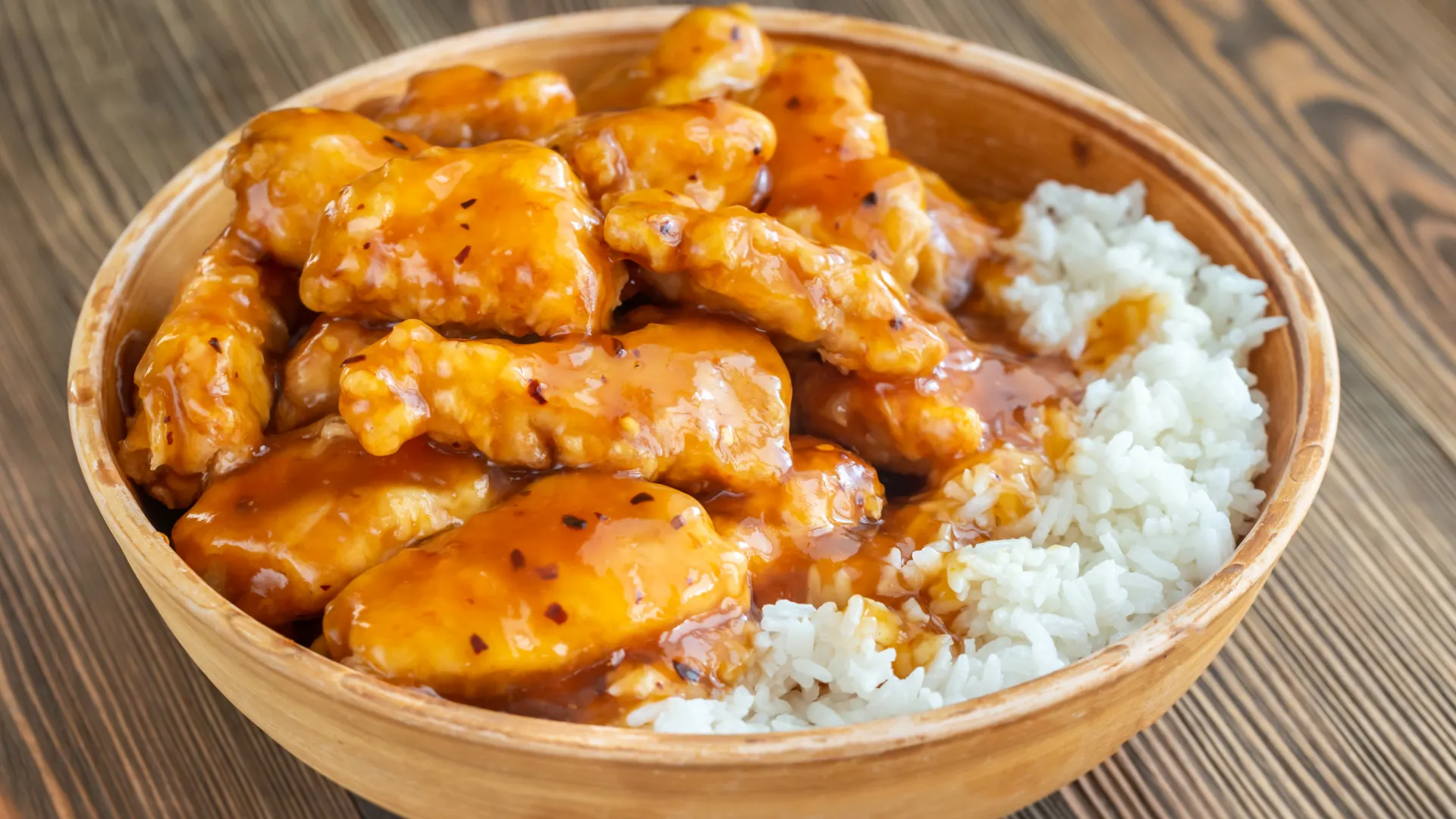
- Original Orange Chicken: Sweet, tangy, and crisp, it accounts for nearly a third of all orders.
- Beijing Beef: A bold, spicy staple with bell peppers and onions.
- Honey Walnut Shrimp: A premium item that draws praise for its sweetness and texture.
- Chow Mein and Fried Rice: Complementary dishes that round out every combo plate.
The brand’s commitment to recipe integrity means that even licensed locations must follow strict preparation protocols to ensure consistency across the board.
Community Impact: The Panda Cares Foundation
At Panda Express, philanthropy isn’t treated as an accessory to business, it’s built into the brand’s identity. Through the Panda Cares Foundation, the company has donated millions of dollars to programs that advance youth education, improve healthcare access, and support disaster relief efforts across the globe.
Community giving is woven into the everyday customer experience. Guests are routinely invited to round up their purchases to support Panda Cares initiatives, turning routine transactions into acts of generosity. Internally, team members are encouraged to participate in local outreach and fundraising campaigns, creating a shared sense of purpose that goes beyond the restaurant floor.
This model of integrated philanthropy not only uplifts communities in need, it also strengthens employee morale and deepens brand loyalty, reinforcing Panda Express’s role as a mission-driven leader in the fast-casual dining space.
What Does It Cost to Join? Estimated Investment Breakdown of a Panda Express.
Licensing a location requires significant capital. The company expects potential operators to be well-funded and operationally savvy. Here’s a detailed breakdown of startup costs:
| Type of Expenditure | Minimum Investment | Maximum Investment |
| Initial License Fee | $25,000* | $25,000* |
| Lease of Premises (Initial 3 months’ rent) | $10,000* | $425,000* |
| Leasehold Improvements | $100,000* | $1,500,000* |
| Furniture, Fixtures, Equipment, and Supplies | $120,000* | $650,000* |
| Initial Inventory | $11,000* | $18,000* |
| Computer Hardware and Software | $16,500* | $27,000* |
| Non-resettable Cash Register(s) | $6,000* | $8,000* |
| Insurance | $90,000* | $150,000* |
| Expenses Incurred During Initial Training | $13,000* | $29,000* |
| Architectural and Design Fees | $35,000* | $120,000* |
| Construction Supervision | $20,000* | $150,000* |
| Sales Tax Deposits | $4,500* | $10,000* |
| Communication Fees (Telephone, Fax, etc.) | $500* | $1,000* |
| Licenses and Permits | $1,500* | $60,000* |
| Payroll and Related Taxes | $39,000* | $65,000* |
| Additional Funds (3 months) | $18,000* | $30,000* |
| Total Estimated Cost | $510,000 | $3,268,000 |
*Data is based on the company’s Franchise Disclosure Document (FDD). Fees, costs, and figures are estimates and may vary by location and operator qualifications.
Revenue Potential: A Top-Tier Performer.
Though specific unit profitability is not disclosed by the company, third-party data suggests that licensed locations often generate $1.4 million or more in annual revenue*. This places the brand among the highest-grossing chains in the fast-casual segment.
Other performance highlights include:
- 2,300+ locations worldwide
- Strong same-store sales growth
- Operational metrics that exceed QSR benchmarks
Thanks to brand recognition, consumer loyalty, and strong site selection, licensed units enjoy built-in demand from day one.
Pros and Cons of Licensing Panda Express.
✅ Advantages
- Trusted Brand Recognition
- Nearly every consumer in America recognizes the brand, lowering customer acquisition costs.
- Nearly every consumer in America recognizes the brand, lowering customer acquisition costs.
- High Revenue Potential
- Units can generate well over $1.4 million annually, offering strong ROI potential.
- Units can generate well over $1.4 million annually, offering strong ROI potential.
- Operational Support
- The company offers comprehensive training, supply chain access, and ongoing assistance.
- The company offers comprehensive training, supply chain access, and ongoing assistance.
- Mission Alignment
- Operators become part of a values-driven organization focused on community, growth, and purpose.
- Operators become part of a values-driven organization focused on community, growth, and purpose.
- Strategic Exclusivity
- The licensing model limits competition among operators and safeguards brand integrity.
- The licensing model limits competition among operators and safeguards brand integrity.
⚠️ Drawbacks
- No Traditional Franchising
- If you’re looking to open a location in a suburban retail center, this isn’t the brand for you.
- If you’re looking to open a location in a suburban retail center, this isn’t the brand for you.
- High Capital Barriers
- Start-up costs exceeding $3 million* are prohibitive for many aspiring operators.
- Start-up costs exceeding $3 million* are prohibitive for many aspiring operators.
- Strict Eligibility Requirements
- You must have access to a high-traffic, non-traditional venue and a proven operational track record.
- You must have access to a high-traffic, non-traditional venue and a proven operational track record.
- Limited Flexibility
- Operators must follow tight protocols, with little room for innovation or autonomy.
- Operators must follow tight protocols, with little room for innovation or autonomy.
- Application Selectivity
- Even well-qualified candidates may be denied if the location or timing doesn’t align with corporate goals.
- Even well-qualified candidates may be denied if the location or timing doesn’t align with corporate goals.
Ideal Candidate Profile: Who Should Apply?
Panda Express looks for seasoned professionals who can match its pace and values. The ideal licensee will possess:
- Experience operating in non-traditional food venues
- Proven management capability
- Strong financial resources
- Ability to embrace and embody brand values
This is not a brand for passive investors or hands-off owners. Success depends on strategic alignment, operational rigor, and community engagement.
Is Panda Express the Right Fit for You?
Panda Express isn’t merely dishing out Orange Chicken, it’s delivering a brand experience steeped in culture, operational excellence, and community impact. For qualified operators granted access through its exclusive licensing model, the opportunity offers significant upside: strong financial potential, established consumer loyalty, and the support of one of the most trusted and recognized names in the fast-casual restaurant landscape.
However, this is not a venture for the casual investor. Panda Express maintains strict eligibility standards, seeking partners who align with its values and are prepared to uphold the brand’s exacting standards. It’s a high-stakes, high-reward opportunity—ideal for those with vision, integrity, and a commitment to excellence.
Ready to take action? Explore your opportunities and get expert guidance on franchising. Visit our website today to compare options and find the franchise that best matches your goals. Every entrepreneurial journey begins with a single step – Your ideal business could be just a click away.