

When it comes to fast-food royalty, few names spark as much brand loyalty, flavor nostalgia, and media buzz as Popeyes Louisiana Kitchen. Since its founding in 1972, Popeyes has grown into a fried chicken empire known for its bold Cajun spices, flaky buttermilk biscuits, and menu items that have literally sparked lines out the door and social media firestorms. Whether it’s a viral chicken sandwich launch or a limited-time spicy offering, Popeyes has proven it knows how to capture consumer attention—and keep it.
For prospective franchisees, the appeal of joining such a powerful and beloved brand is undeniable. With hundreds of locations across the United States and an expanding global footprint, Popeyes sits comfortably in the upper tier of quick-service restaurant (QSR) opportunities. The chain operates under the umbrella of Restaurant Brands International (RBI), the same parent company behind Burger King and Tim Hortons, adding another layer of corporate support and scalability to the equation.
But as with any big-name franchise, popularity alone doesn’t guarantee success. While Popeyes offers a strong brand presence and a time-tested menu that resonates with diverse demographics, it also requires a substantial investment, operational discipline, and a clear understanding of what it takes to thrive in the fiercely competitive fast-food space. Between real estate considerations, staffing demands, marketing requirements, and supply chain logistics, opening a Popeyes franchise is a major commitment that goes well beyond the fryer.
So, is the opportunity worth it? That depends on your financial readiness, your appetite for operational intensity, and your long-term business goals. In this article, we explore the pros and cons of owning a Popeyes franchise, examine the key differentiators that make the brand stand out, and provide insight into what to expect if you decide to move forward as a franchise owner.
What Makes Popeyes Stand Out in the Fast-Food Franchise World?
Popeyes Louisiana Kitchen isn’t just a fast-food brand—it’s a cultural icon with deep Southern roots and a fiercely loyal following. The company’s journey began in 1972, when founder Al Copeland opened “Chicken on the Run” in Arabi, Louisiana. His goal? To bring a bold, flavorful twist to traditional fried chicken. The first attempt didn’t quite hit the mark, but a swift rebrand as “Popeyes”—a nod not to the cartoon sailor, but to Gene Hackman’s gritty detective Popeye Doyle in The French Connection—set the stage for one of the most flavorful success stories in franchise history.
Today, Popeyes operates more than 4,000 locations across 30+ countries, with about 98% of them owned by franchisees. Its mission remains clear: to deliver an unforgettable dining experience rooted in the rich culinary traditions of Louisiana. That commitment to culture, flavor, and consistency has earned Popeyes a top-tier position among global quick-service restaurants.
A Flavor-Driven Legacy That’s Hard to Duplicate.
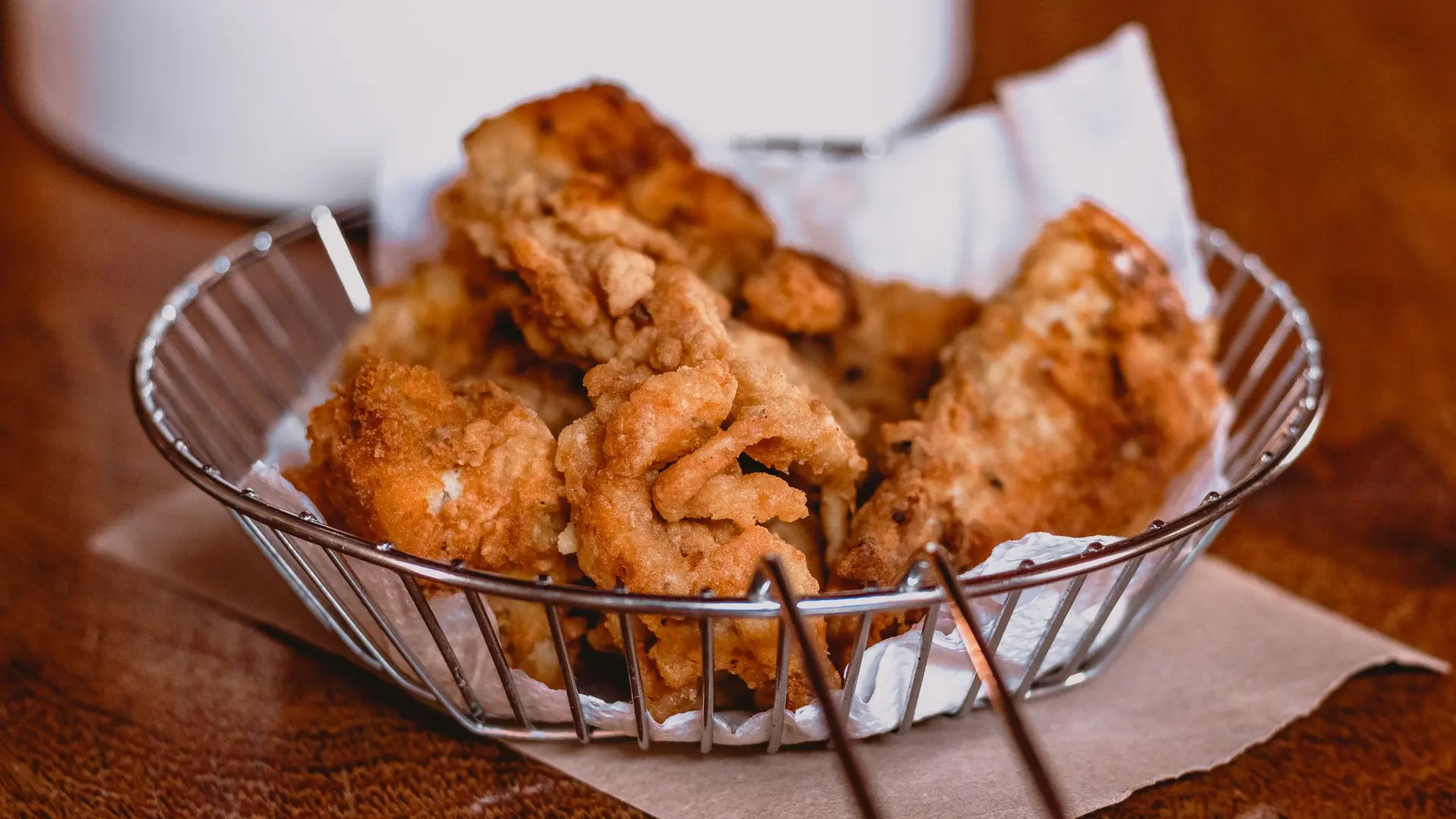
At the heart of Popeyes’ success is its uniquely Cajun-inspired menu. While many fast-food chicken brands compete on price, portion, or novelty, Popeyes delivers on authenticity. From spicy tenders and shrimp po’boys to signature red beans and rice, every menu item is designed to channel the bold, vibrant flavors of New Orleans. This is not just fast food—it’s food with a story, and that narrative has resonated with customers across regions and generations.
Popeyes’ breakout moment came in 2019 when it launched its now-iconic chicken sandwich. The product’s viral success ignited social media debates, long drive-thru lines, and even nationwide shortages, cementing Popeyes’ place in pop culture and proving its ability to scale under pressure. More importantly, it highlighted the brand’s marketing savvy and operational readiness—two essential traits for any franchisee evaluating a long-term investment.
Innovation That Keeps the Brand Relevant.
Beyond its bold flavor profile, Popeyes is investing heavily in innovation. The 2024 debut of its chicken wraps—available in classic, spicy, and honey mustard varieties—shows a willingness to evolve with consumer tastes while staying true to its culinary identity. At the same time, the company is leaning into technology to enhance efficiency and customer satisfaction.
In select international markets, Popeyes is experimenting with AI-powered voice assistants in drive-thru lanes, signaling a future-forward approach to automation and service. Its mobile app continues to improve, offering streamlined ordering and personalized offers that increase loyalty and drive return visits.
As part of Restaurant Brands International (RBI), Popeyes benefits from a shared ecosystem of technology, training systems, and global franchise strategies that give franchisees a strong operational backbone. This corporate support, combined with the brand’s deep cultural relevance, makes Popeyes a compelling contender for those exploring high-profile food franchise opportunities.
The Challenges Behind the Popeyes Name: What Franchisees Need to Know.
While Popeyes boasts undeniable brand power and a flavor profile that sets it apart from competitors, owning a location isn’t without its hurdles. Aspiring franchisees must look beyond the hype and evaluate the full scope of responsibilities, risks, and resource demands that come with the territory.
A Crowded and Competitive Market.
The quick-service restaurant industry is one of the most saturated segments in franchising, and the chicken category is especially aggressive. Brands like Chick-fil-A, KFC, Wingstop, and Raising Cane’s dominate both consumer attention and prime real estate locations. Even with Popeyes’ cultural clout and loyal customer base, franchisees must compete in crowded markets where differentiation depends heavily on execution.
In dense urban regions or markets already populated with multiple fast-food chains, standing out isn’t guaranteed. Local marketing strategy, customer engagement, and operational excellence become mission-critical. Simply opening a location under a well-known name doesn’t automatically drive traffic—it takes consistent effort to build and retain a loyal customer base.
High Startup Costs and Capital Requirements.
Opening a Popeyes franchise involves a significant financial investment. From leasing or purchasing a site to outfitting the kitchen with commercial-grade equipment and training staff to meet corporate standards, the initial outlay can be substantial. For new business owners, the barrier to entry may be steep—particularly in areas with high construction or labor costs.
Delays in construction, supply chain disruptions, or regional labor shortages can increase costs or postpone your grand opening. These external factors, while common in the restaurant industry, are often unpredictable and require financial flexibility and contingency planning from franchisees.
Hands-On Management and Operational Complexity.
Owning a Popeyes franchise is not a passive income opportunity. It demands active, on-the-ground management—especially during the early stages. Operators must navigate a high-volume, high-speed environment where food safety, inventory control, staffing, and customer service all require constant attention.
Although franchisees benefit from training, technology, and systems provided by Restaurant Brands International, the responsibility for daily performance ultimately rests with the individual owner. For those without prior experience in foodservice or team management, the learning curve can be steep.
For an honest breakdown of challenges and red flags to consider, we recommend reading this franchisee-focused review on Franchise Chatter.
Startup Investment Breakdown.
Here’s what it may cost to open a Popeyes franchise, based on the latest Franchise Disclosure Document (FDD) and third-party sources like Vetted Biz and NerdWallet:
Startup Investment Breakdown.
| Category | Low Estimate | High Estimate |
| Franchise Fee | $50,000* | $50,000* |
| Equipment & Supplies | $175,000* | $310,000* |
| Construction & Leasehold | $385,000* | $1,000,000* |
| Initial Inventory | $12,000* | $20,000* |
| POS & Technology Systems | $10,000* | $20,000* |
| Working Capital | $100,000* | $200,000* |
| Total Estimated Cost | $385,000* | $1,500,000* |
*Data based on the company’s Franchise Disclosure Document (FDD). Fees, costs, and figures are estimates and may vary based on location and other factors.
Costs may be lower for conversions (i.e., turning an existing restaurant into a Popeyes), but the initial outlay remains a key consideration for all investors.
Training, Tools, and Support You Can Expect.
To help franchisees succeed, Popeyes offers a detailed onboarding program and access to proven operational systems.
Training & Support Structure.
| Resource or Feature | Low Estimate | High Estimate |
| Initial Franchisee Training | Included* | Included* |
| On-Site Opening Support | $10,000* | $25,000* |
| Ongoing Field Consultant Access | Ongoing | Ongoing |
| Marketing Launch Package | $10,000* | $30,000* |
| Technology Systems & Tools | $15,000* | $25,000* |
| Restaurant Management Portal | Included* | Included* |
*Data based on the company’s Franchise Disclosure Document (FDD). Fees, costs, and figures are estimates and may vary based on location and other factors.
Training includes:
- An initial six-week training program in restaurant operations
- Ongoing access to field consultants and operations support
- Custom marketing toolkits for grand openings and beyond
- RBI’s integrated digital tools for payroll, supply chain, and reporting
Is Popeyes the Right Franchise Fit for Your Business Goals?
Popeyes offers a bold, globally recognized brand with strong operational systems and marketing power—but that doesn’t make it a one-size-fits-all opportunity. The franchise tends to reward hands-on operators who bring industry experience, financial readiness, and leadership skills to the table. If you’re considering jumping in, it’s essential to evaluate whether this model aligns with your vision, lifestyle, and day-to-day management preferences.
You Might Be a Good Fit If:
- You have experience in restaurant operations or managing multiple business units
- You thrive in a fast-paced, team-oriented work environment
- You’re comfortable making a significant financial investment
- You value being part of a globally known brand with built-in consumer trust
- You’re ready to actively manage or closely oversee store operations
It Might Not Be Ideal If:
- You’re looking for a passive or absentee owner model
- You have no background in hospitality, food service, or managing hourly staff
- You prefer home-based or low-investment franchise concepts
- You want exclusive territory with little to no nearby competition
What You Should Know Before You Invest.
At its core, owning a Popeyes franchise is about more than serving chicken—it’s about delivering on a brand promise that has become deeply embedded in American food culture. The company’s menu innovation, media relevance, and global expansion signal a forward-moving brand with the infrastructure to support long-term growth. But that growth is only possible when franchisees bring the right mix of commitment, capital, and operational focus to the table.
If you’re an entrepreneur who thrives under pressure, values team leadership, and sees the potential in aligning with a dominant name in quick service, Popeyes could be a rewarding next step.
Still unsure if it’s the right fit? The Franchise Brokers Association is here to help you navigate the decision-making process. From clarifying your goals to matching you with franchise brands that align with your lifestyle, budget, and experience, our team provides expert, unbiased support every step of the way.
Explore franchise opportunities that are built for your success: Start your franchise discovery journey today.