


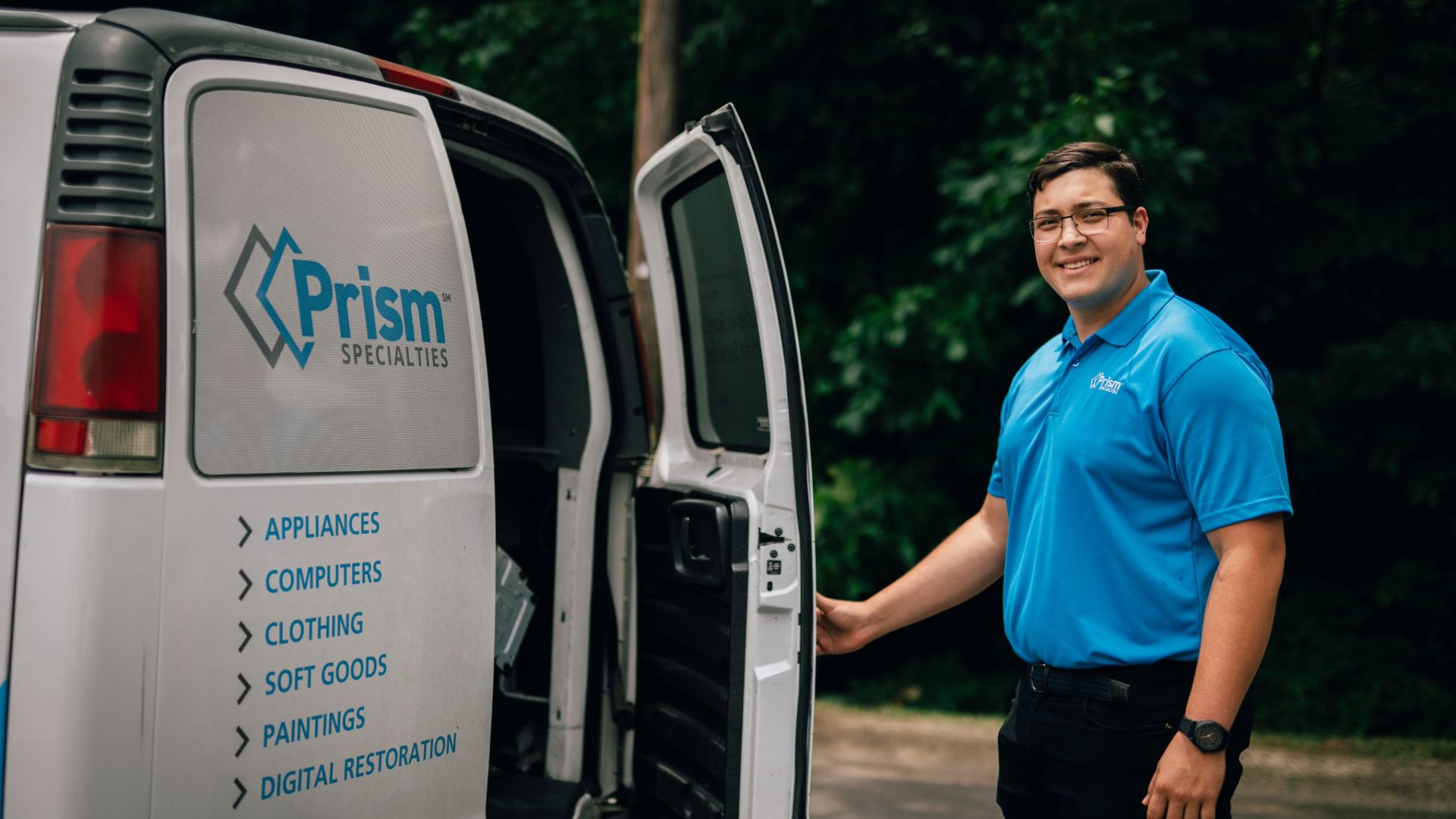
The Prism Specialty Restoration Franchise (an EverSmith Brands company) is a business-to-business franchise specifically focused on specialty content restoration that helps insurers, contractors, businesses, and homeowners recover high-value items—especially Art, Electronics, and Textiles—after fire, water, smoke, or environmental damage.
If you’re evaluating specialized restoration (not structural demolition or rebuild), Prism Specialty Restoration stands out for its niche focus, insurance-ecosystem referral relationships, and lifestyle-friendly operating hours. This guide breaks down startup costs (Item 7), how the business works, training/support, open territories, and the owner profile Prism tends to attract—so you can decide if it fits your goals.
If you’re comparing multiple franchise options, we at the Franchise Brokers Association can help you evaluate opportunities side-by-side and match your budget, skills, and lifestyle goals with the right model.
This article is sponsored by Prism Specialty Restoration. The content has been created in partnership with the brand to provide insights into its business model and franchise opportunities.
Who Owns Prism Specialty Restoration and What’s the Brand Story?
Prism Specialty Restoration traces its roots back to 1993 in Livonia, Michigan, built to serve a specific gap in the restoration world: restoring high-value items that typical restoration contractors may not handle in-house. That includes items with financial value (like electronics and specialty textiles) and items with deep sentimental value (like artwork and heirloom garments).
Today, Prism Specialty Restoration is part of EverSmith Brands, a franchisor platform designed to scale specialized service companies. Franchisees operate locally, but benefit from a broader system—processes, training, and support—built around consistent quality, documentation, and partner expectations.
At the center of the brand is a simple idea: restore instead of replace whenever possible, helping people recover what matters and giving partners a specialty solution for items that can’t easily be swapped out.
How Much Does a Prism Specialty Restoration Franchise Cost?
Prism Specialty Restoration is currently focused on awarding new franchises in its three primary service line “3-pack” configuration (Art, Electronics, and Textiles). According to the most recent FDD, the estimated total initial investment for this 3-pack ranges from $265,204 to $356,050, including an $84,000 initial franchise fee.
As with any franchise, costs vary by market and setup needs, so prospective owners should review the latest FDD and confirm their individual budget with the franchisor.
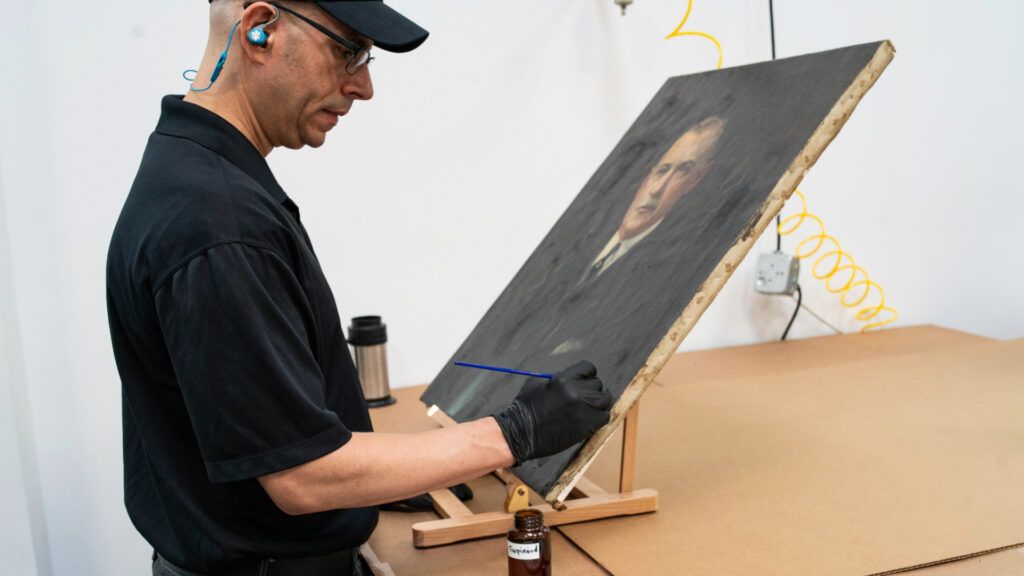
Estimated Initial Investment — Single Primary Service Line.
This table shows estimated costs for launching Prism Specialty Restoration with one specialty service line, including the franchise fee plus typical startup items (space, equipment, systems, and working capital).
Note: Prism is currently prioritizing new franchise awards in its three-service “3-pack” (Art, Electronics, Textiles), so a single-line start may not reflect the standard new-franchise offering.
| Type of Expenditure | Low | High |
|---|---|---|
| Initial Franchise Fee | $49,000 | $49,000 |
| Real Estate/Rent | $6,250 | $21,000 |
| Leasehold Improvements | $3,000 | $10,000 |
| Security Deposits, Professional Fees, Business Licenses & Permits | $4,000 | $9,000 |
| Insurance | $3,000 | $5,000 |
| Training | $2,540 | $5,140 |
| Vehicle | $4,000 | $10,000 |
| Turn-Key Business Package | $31,110 | $33,510 |
| Equipment & Supplies | $17,975 | $66,473 |
| Telephone System | $1,200 | $1,500 |
| Software Fees | $2,743 | $4,673 |
| Local Sales & Marketing | $1,000 | $3,000 |
| Additional Funds (3-month period) | $36,308 | $44,200 |
| TOTAL | $162,126 | $262,496 |
Estimated Initial Investment — Two Primary Service Lines.
This table shows estimated costs for starting with two service lines, which can expand the range of referrals you can take early on and typically requires added equipment/training versus a single line.
Note: Prism is currently focused on awarding new franchises in its three-service “3-pack” (Art, Electronics, Textiles), which is the primary model in the most recent FDD.
| Type of Expenditure | Low | High |
|---|---|---|
| Initial Franchise Fee | $66,500 | $66,500 |
| Real Estate/Rent | $8,750 | $27,000 |
| Leasehold Improvements | $8,000 | $15,000 |
| Security Deposits, Professional Fees, Business Licenses & Permits | $6,000 | $12,000 |
| Insurance | $3,000 | $6,000 |
| Training | $4,290 | $8,220 |
| Vehicle | $6,000 | $10,000 |
| Turn-Key Business Package | $37,635 | $43,150 |
| Equipment & Supplies | $19,175 | $68,917 |
| Telephone System | $1,200 | $1,500 |
| Software Fees | $2,758 | $4,751 |
| Local Sales & Marketing | $1,000 | $3,000 |
| Additional Funds (3-month period) | $37,908 | $53,550 |
| TOTAL | $202,216 | $319,588 |
Estimated Initial Investment — Three Primary Service Lines (Prism “3-Pack”).
This table shows Item 7 for Prism Specialty Restoration’s 3-pack—launching with Art, Electronics, and Textiles from day one. It includes the $84,000 franchise fee, plus the estimated startup and early operating costs (including equipment and working capital) typically needed to support a multi-service launch.
| Type of Expenditure | Low | High |
|---|---|---|
| Initial Franchise Fee | $84,000 | $84,000 |
| Real Estate/Rent | $11,250 | $33,000 |
| Leasehold Improvements | $13,000 | $20,000 |
| Security Deposits, Professional Fees, Business Licenses & Permits | $8,000 | $14,000 |
| Insurance | $3,000 | $6,000 |
| Training | $4,290 | $8,220 |
| Vehicle | $6,000 | $10,000 |
| Turn-Key Business Package | $46,800 | $46,800 |
| Equipment & Supplies | $38,023 | $69,301 |
| Telephone System | $1,500 | $1,800 |
| Software Fees | $4,453 | $4,829 |
| Local Sales & Marketing | $1,000 | $3,000 |
| Additional Funds (3-month period) | $43,888 | $55,100 |
| TOTAL | $265,204 | $356,050 |
What Drives the Range?
The investment range typically reflects:
- Facility costs: A modest flex/light-industrial space plus staging and workflow setup (rent and buildout vary widely by market).
- Equipment variance: Required tools and supplies across the three service lines, plus specialized handling and quality-control needs.
- Local operating factors: Insurance, licensing, professional fees, and early-stage working capital differ by state/metro area.
The Prism Specialty Restoration model balances relatively low overhead compared to structural restoration with the specialized equipment and training needed for niche contents restoration. Prospective owners should confirm their individual budget with the franchisor and explore financing options if needed.
Open Territories: Top Markets Currently Available.
Based on the most current “Top Markets Available” list provided by Prism Specialty Restoration, availability is currently shown across several major territories—especially in California, with additional openings across the West/Mountain, Midwest/Plains, South/Southeast, and parts of the Northeast.
California (largest concentration of openings).
San Diego; Orange County; Long Beach; Anaheim; Irvine; Temecula; Palm Springs; Fullerton; Santa Clarita; Roseville; Stockton/Modesto; Fresno; Santa Barbara; Bakersfield; Sacramento.
Midwest / Mountain.
Springfield (IL); Kansas City (MO/KS); Salt Lake City (UT); Provo (UT); Des Moines (IA); Cedar Rapids (IA); Omaha (NE); Wichita/Topeka (KS).
South / Central.
New Orleans (LA); Memphis (TN); Knoxville (TN); Jacksonville (FL); Macon (GA); Little Rock (AR); Ozarks (MO); Shreveport (LA); Baton Rouge (LA); Lubbock (TX); Jackson (MI).
Southwest / Northeast.
Las Vegas (NV); Albuquerque (NM); Tucson (AZ); Buffalo (NY); Syracuse/Rochester (NY); Hudson Valley/Albany (NY).
Note: Territory availability can change quickly as awards are made. Confirm current availability directly through the franchisor and/or your FBA advisor.
Interested in one of these markets? Reach out to us at the Franchise Brokers Association to confirm availability and review next steps.
How the Prism Specialty Restoration Franchise Operates: Business Model & Day-to-Day Role.
Prism Specialty Restoration is primarily a B2B, referral-driven franchise. Work flows through the restoration and insurance ecosystem—often involving insurers, adjusters, contractors, and property managers—alongside residential and commercial clients.
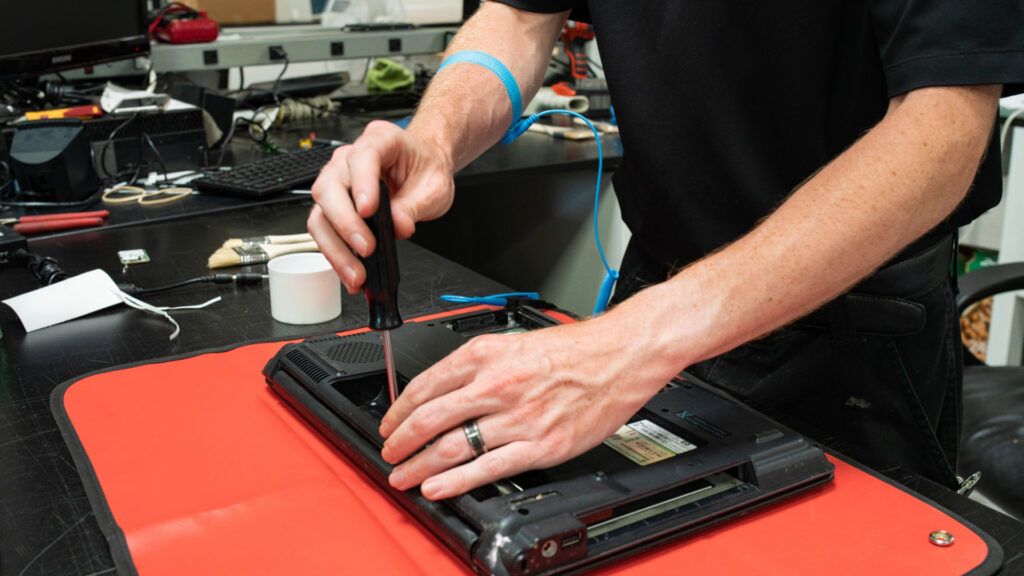
Core Business Drivers.
- Insurance ecosystem referrals: Consistent work comes from relationships with adjusters, carriers, TPAs, and mitigation/structural restoration companies.
- One-stop shop (3-pack model): With Art + Electronics + Textiles under one roof, owners can serve more claim types and capture more opportunities from the same referral partners.
- Commercial & institutional demand: Schools, healthcare facilities, hospitality groups, and property managers may require specialty contents restoration support on an ongoing basis—creating repeatable B2B opportunities.
A Realistic “Day in the Life”.
- Execute the plan: Follow a structured weekly rhythm focused on sales activity, partner follow-ups, and operational consistency.
- Build B2B relationships: Develop and maintain relationships with adjusters, contractors, and other referral partners.
- Lead the team: Many owners start with one technician per service line plus business development support as the pipeline grows.
- Technicians do the hands-on work: Owners oversee production, documentation, customer updates, and quality control—while technicians perform restoration tasks.
- Progression path: Start with residential projects and expand into larger commercial opportunities as capacity and relationships grow.
Why Specialty Contents Restoration Differs from Structural Work.
Prism Specialty Restoration focuses on specialty contents—like art, electronics, and textiles—rather than demolition, rebuild, or full-scale mitigation. That typically means a different operating rhythm than structural restoration brands.
- More scheduled workflow: Many projects are managed during standard business hours, with fewer after-hours emergencies than 24/7 mitigation models.
- Lean, line-specific setup: Supplies and tools are specialized to each service line, without bulky construction materials or replacement inventory.
- Scalable staffing: Owners often start lean (commonly one technician per service line) and add capacity as referrals and throughput grow.
For owners, it’s a structured, referral-driven model where consistent processes and quality control matter—without the same day-to-day intensity of structural emergency response.
What Training, Support & Technology Do Franchisees Receive?
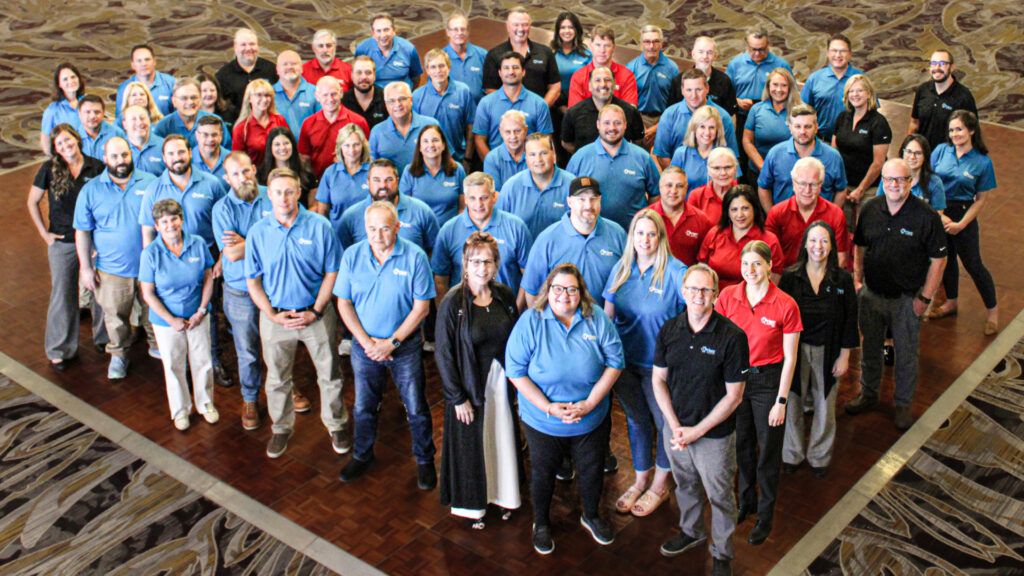
Prism Specialty Restoration provides training and ongoing support intended to help franchisees launch, build referral relationships, and run a consistent specialty contents restoration operation. Specific program details can vary over time, but franchisees generally receive a mix of onboarding, technical instruction, and operational guidance.
Training & Launch Preparation.
- Initial onboarding: Coverage typically includes foundational business topics like estimating, job costing, safety, compliance, documentation, and chain-of-custody standards.
- Service-line instruction: Training commonly addresses the practical workflow and quality expectations for the core service lines (including the 3-pack focus: Art, Electronics, and Textiles).
- Launch planning: Franchisees are usually guided through a go-to-market approach aimed at building local awareness and developing B2B referral relationships.
Ongoing Support.
- Operational coaching: Support may include ongoing guidance to improve workflow, quality control, and partner communication as volume increases.
- Marketing resources: Franchisees typically receive access to brand materials and tools that support outreach and relationship-building in their territory.
- Systems and tools: Many owners use a technology stack for job tracking and documentation (e.g., scheduling, photo documentation, and reporting), aligned with common industry workflows.
- Continuing education: Updates and additional training may be provided as processes, standards, or tools evolve.
Overall, the support structure is designed to help owners stay focused on two priorities: earning referral trust and delivering consistent, well-documented service.
Ideal Prism Specialty Restoration Franchise Owner Profile & Time Commitment.
Prism Specialty Restoration is a strong fit for owners who are relationship-builders and process-driven operators. Restoration or trades experience can help, but it’s not required—the key is leadership, follow-through, and the ability to run a structured, documentation-heavy service business.
Who Thrives in This Model.
- B2B sales professionals: People who are comfortable building trust with adjusters, contractors, TPAs, and property managers—because referrals are the lifeblood of the business.
- Operations and project leaders: Owners who can implement SOPs, manage workflow, and hold the team to consistent quality and turnaround standards.
- Purpose-driven, community-minded entrepreneurs: Those who like meaningful work—helping families and businesses recover important items—while supporting “restore vs. replace” outcomes.
What Owners Typically Focus On Each Week.
- Executing the playbook: Consistent outreach and follow-up rhythms, plus service standards that keep referral partners confident.
- Leading the team: Hiring, coaching, and managing technicians (owners oversee quality control and customer/partner communication).
- Managing pipeline & throughput: Forecasting capacity, scheduling pickups/deliveries, and maintaining documentation and chain-of-custody discipline.
- Scaling responsibly: Adding staff and refining processes as referral volume grows—so service quality stays high while the business expands.
Prism Specialty Restoration rewards owners who combine professional relationship-building with operational discipline. Done well, it’s a structured B2B model with a clear weekly cadence—and it’s typically more lifestyle-friendly than 24/7 emergency mitigation concepts.
Comparisons & Considerations for the Prism Specialty Restoration Franchise.
When evaluating any franchise, it helps to compare what makes the model unique and what it requires to run well day-to-day. Prism Specialty Restoration stands apart in the restoration industry because it focuses on specialty contents—not structural mitigation or rebuild—centered on the 3-pack service lines: Art, Electronics, and Textiles.
Where Prism Specialty Restoration Stands Out.
- Clear niche focus: Rather than trying to be everything in restoration, the model specializes in high-value contents that require specific handling, process discipline, and documentation.
- B2B referral-driven demand: The business is designed around relationships within the insurance and restoration ecosystem—adjusters, carriers, contractors, mitigation firms, and property managers—where consistent communication and quality standards drive repeat referrals.
- One-stop specialty partner (3-pack advantage): With multiple service lines under one roof, referral partners can often route more categories of specialty contents through a single provider—reducing handoffs and simplifying claim coordination.
- “The restoration company that restoration companies use”: Many general restoration companies prefer not to build specialty contents capability internally; Prism is positioned as the specialty partner they can rely on.
- Lifestyle-friendly compared to 24/7 mitigation models: While work can be time-sensitive, many projects are scheduled and process-driven rather than constant after-hours emergency response.
- Resilience factors: Demand is often tied to insured loss events (fire, water, smoke, storms), which can occur regardless of broader economic cycles. The work is also hands-on and local, which may make it less exposed to e-commerce substitution or automation than many consumer categories.
- Niche category with limited organized competition: In many markets, specialty contents restoration is still served by smaller, fragmented providers—creating room for a systemized, quality-driven approach.
- Specialty positioning and pricing: Because the services are specialized, jobs may be priced differently than general restoration work in some markets—though results vary by territory, job mix, staffing, and execution.
Points to Consider Carefully.
- Relationship cadence matters: Results depend heavily on building and maintaining professional trust with referral sources. That requires consistent outreach, strong follow-up, and reliable service delivery over time.
- Technical and quality standards: Specialty contents work demands training, process adherence, and strict quality control—especially for sensitive categories like electronics handling and fine art/textile care.
- Logistics and documentation expectations: Insurance-related workflows often require precision—chain-of-custody discipline, detailed photo documentation, clear status updates, and dependable pickup/return coordination.
- Scaling requires operational discipline: As volume grows, adding staff and maintaining consistency becomes the challenge—systems and leadership matter as much as sales.
Prism Specialty Restoration offers a differentiated lane—specialty contents, B2B referrals, and a more schedule-driven operating rhythm than many mitigation brands. At the same time, it rewards owners who can execute consistently, manage relationships professionally, and run a documentation-focused operation.
FAQ: Prism Specialty Restoration Franchise.
How much does it cost to open a Prism Specialty Restoration Franchise?
According to Item 7 of the most recent FDD, the estimated total initial investment for the three primary service line (“3-pack”) configuration (Art, Electronics, and Textiles) ranges from $265,204 to $356,050, including an $84,000 initial franchise fee. Item 7 also includes estimated ranges for single and two-service-line configurations, shown above for reference.
What kind of franchise is Prism Specialty Restoration?
It’s a specialty contents restoration franchise focused on restoring items such as art, electronics, and textiles after fire, water, smoke, or environmental damage. The model is primarily B2B referral-driven, with a mix of residential and commercial projects.
Who owns Prism Specialty Restoration and when was it founded?
Prism Specialty Restoration was founded in 1993 and is now part of EverSmith Brands.
What training and ongoing support are provided?
Franchisees typically receive onboarding and training intended to cover core business operations (such as estimating, documentation, and compliance), service-line workflows, and launch planning—along with ongoing operational and marketing support resources. Specific training elements can evolve over time, so prospective owners should review the FDD and franchisor materials for current details.
What makes Prism Specialty Restoration different from many restoration concepts?
Prism Specialty Restoration focuses on specialty contents rather than structural restoration, is designed around B2B referral relationships, and is often positioned as more schedule-driven than 24/7 mitigation models. It also offers a 3-pack, one-stop specialty approach (Art, Electronics, Textiles) intended to reduce handoffs for referral partners.
What is the ideal owner profile?
Owners who succeed tend to be relationship-oriented leaders with strengths in B2B development and/or operations management. The model typically requires consistent outreach, process discipline, and strong documentation and quality control.
Is Prism Specialty Restoration the Right Fit for You?
If you’re considering franchise ownership in the restoration industry but want something beyond structural demolition and rebuild, the Prism Specialty Restoration Franchise may align with your goals. This opportunity combines commercial potential with community impact—helping families, businesses, and insurers recover high-value items without running a 24/7 emergency operation.
Franchise owners operate in a less crowded niche of content restoration, benefiting from strong relationships with insurance adjusters, contractors, and commercial partners. By focusing on restoring items like electronics, textiles, art, and documents, franchisees offer a service that is both meaningful and in demand.
Steps to Determine Fit
- Review the FDD: Study the most recent Franchise Disclosure Document to understand franchise fees, territory protections, and options for launching with one or multiple service lines.
- Talk to existing franchisees: Ask about their experiences building B2B relationships, managing technicians, and deciding which service line to start with in markets similar to yours.
- Plan conservatively: Create a business plan that maps out your initial launch strategy and includes a roadmap for expanding into additional service lines as your referral network grows.
If you’re ready to evaluate Prism Specialty Restoration alongside other restoration or service-based opportunities, the Franchise Brokers Association (FBA) can help. FBA advisors provide personalized guidance to match you with franchises that align with your budget, skills, and lifestyle goals. Explore your options with us today.