


New franchise brokers need more than knowledge of franchise brands. They need a foundation in disclosure rules, financial-performance claims, candidate matching, professional ethics, and organized follow-up.
Your role is to help people evaluate business ownership—not to promise results or make decisions for them. That requires careful listening, current information, and the judgment to recognize when a candidate should advance, pause, or consider a different opportunity.
FBA’s pathway to becoming a franchise broker combines training, industry relationships, and operational support. However, building a credible practice also requires understanding your responsibilities before advising your first candidate.
Eight Essentials for New Brokers.
1. Learn the FDD Structure.
The Franchise Disclosure Document, or FDD, contains 23 disclosure items about the franchise opportunity. It provides information about the franchisor, fees, investment requirements, contractual obligations, financial statements, and franchise outlets.
Learn how the items connect rather than memorizing isolated figures.
| FDD item | What it covers | Why brokers should understand it |
|---|---|---|
| Items 3 and 4 | Litigation and bankruptcy | Help candidates identify issues that warrant professional review |
| Items 5 and 6 | Initial and other fees | Clarify costs beyond the advertised franchise fee |
| Item 7 | Estimated initial investment | Establish a starting point for discussing startup costs and capital needs |
| Item 11 | Assistance, advertising, computer systems, and training | Help distinguish franchisor support from franchisee responsibilities |
| Item 12 | Territory | Identify questions about protection, restrictions, and competing sales channels |
| Item 19 | Financial performance representations | Define the basis and limitations of any disclosed performance information |
| Item 20 | Outlets and franchisee information | Support investigation of system changes and franchisee validation |
| Items 21 and 22 | Financial statements and contracts | Direct candidates toward accounting and legal review |
For example, a candidate may focus on the initial franchise fee while overlooking other startup expenses. FBA’s guide to FDD Item 7 explains how estimated investment ranges and working-capital assumptions fit into that discussion.
Use current, approved documents. Franchisors generally update disclosures annually, and material changes can require additional updates.
Your role is to help candidates organize questions and locate relevant information. Unless separately qualified, do not interpret contractual rights or provide legal, tax, or individualized financial advice.
2. Understand Disclosure Timing.
The FTC Franchise Rule defines “franchise seller” broadly enough to include brokers involved in franchise sales. New brokers should understand the rule and coordinate disclosure procedures with the franchisor’s compliance team.
Generally, candidates must receive the FDD at least 14 calendar days before signing a binding agreement with, or making a payment to, the franchisor or an affiliate in connection with the proposed franchise sale.
This is more precise than saying “14 days before signing anything.” Additional rules may apply to revised agreements and state-specific transactions.
Build a process that records:
- The FDD version provided.
- The delivery date and receipt documentation.
- Applicable state disclosures.
- Any updated documents or agreement changes.
- The earliest permitted signing or payment date.
- The person responsible for confirming compliance.
The FTC Franchise Rule is the starting point for understanding federal requirements. Ask franchise counsel to confirm how those requirements apply to your activities.
The minimum disclosure period is not a deadline for the candidate to decide. Candidates may need more time for validation, financing, or advisor review.
3. Handle Item 19 Carefully.
Financial-performance questions require discipline. Candidates may ask about revenue, margins, profit, or how quickly they can replace their income.
Do not answer with informal estimates, high-performer anecdotes, or unsupported projections. Use the franchisor’s current, approved financial performance representations, and preserve their assumptions and limitations.
When reviewing Item 19, help candidates identify:
- Which outlets contributed data.
- Whether the information concerns franchised outlets, company-owned outlets, or both.
- The reporting period.
- Whether figures represent revenue, expenses, or profit.
- Important exclusions and qualifications.
- Why an average or median does not predict their individual outcome.
If the franchisor does not make a financial performance representation in Item 19, do not supply your own earnings estimate. Narrow legal exceptions exist, so unusual situations should go to franchise counsel rather than being improvised during a call.
A useful response is:
“Let’s review what the franchisor discloses, understand the limitations, and identify questions for franchisee validation and your financial advisor. I cannot predict your results.”
The FTC’s consumer guide to buying a franchise provides practical guidance on investigating earnings claims and evaluating franchise opportunities.
4. Check State Requirements.
There is no single nationwide franchise broker license that replaces state-specific requirements. Registration, licensing, disclosures, exemptions, and sales restrictions can vary by jurisdiction and activity.
Do not confuse professional certification with legal authorization to offer or sell franchises.
| Jurisdiction | What new brokers should check |
|---|---|
| New York | The Attorney General provides a franchise broker registration process |
| Washington | Third parties selling franchises on behalf of a franchisor generally must register; appointment requirements also apply |
| California | DFPI currently states that SB 919 broker registration is not yet operational; implementation depends on funding |
| Other jurisdictions | Check applicable law rather than assuming no requirement exists |
Use the official New York franchise registration guide, Washington franchise FAQs, and California DFPI franchise broker updates when reviewing those markets.
California’s status should be checked again before publication and before conducting relevant activity. A law being enacted does not necessarily mean its registration program is operational.
Before entering a new market, have counsel review which jurisdictions apply, required filings, permissible activities, and renewal obligations. A quarterly review is useful, but it does not replace checking requirements before acting.
5. Develop Candidate-Matching Judgment.
Knowing a brand’s features does not tell you whether it fits a candidate.
Effective discovery explores the candidate’s resources, strengths, preferred responsibilities, household priorities, and tolerance for the challenges of business ownership.
Ask about:
- Investment comfort, liquidity, and financing plans.
- Preferred owner role.
- Sales and local marketing responsibilities.
- Hiring and employee-management experience.
- Schedule, travel, and physical demands.
- Market preferences.
- Spouse, partner, or co-investor involvement.
- Career-transition timing.
A candidate drawn to food service may discover that retail hours and staffing demands conflict with their goals. Another category may fit better—but only after careful comparison, not a quick assumption.
FBA’s franchise brand comparison call framework helps brokers compare opportunities using consistent criteria.
Explain your recommendation clearly:
“This opportunity appears aligned with your leadership experience and preferred schedule. However, we still need to validate staffing demands, local sales responsibilities, and launch-stage involvement.”
Also explain how you are compensated and whether your recommendations come from a participating brand network. Transparency helps candidates understand the scope of your guidance.
6. Choose Structured Training.
Franchise broker training should build practical skills, not simply introduce a list of brands.
When evaluating a program, ask whether it covers:
- FDD structure and disclosure procedures.
- Financial-performance representation rules.
- State registration awareness.
- Candidate discovery and matching.
- Ethical communication and compensation transparency.
- Franchisor introductions.
- CRM documentation and follow-up.
- Practice conversations and ongoing support.
FBA works with Franchise Training Institute to support broker education. Review current program details, costs, schedules, credential requirements, and available mentoring directly before enrolling.
Avoid assuming that certification guarantees competence, income, or legal compliance. It can support professional development, but it does not replace experience, continuing education, or required registrations.
Likewise, do not treat coursework completion as the end of your preparation. You still need to learn each brand’s current requirements and know when to involve qualified advisors.
7. Build a Professional Network.
A useful broker network includes franchisor development teams, experienced brokers, franchise attorneys, accountants, and financing professionals.
These relationships help you identify the appropriate person to answer questions outside your expertise.
For example:
- A franchise attorney can review contractual concerns.
- An accountant can help a candidate evaluate financial assumptions.
- A lender can assess financing eligibility and documentation.
- A franchisor can clarify territory availability and approved support details.
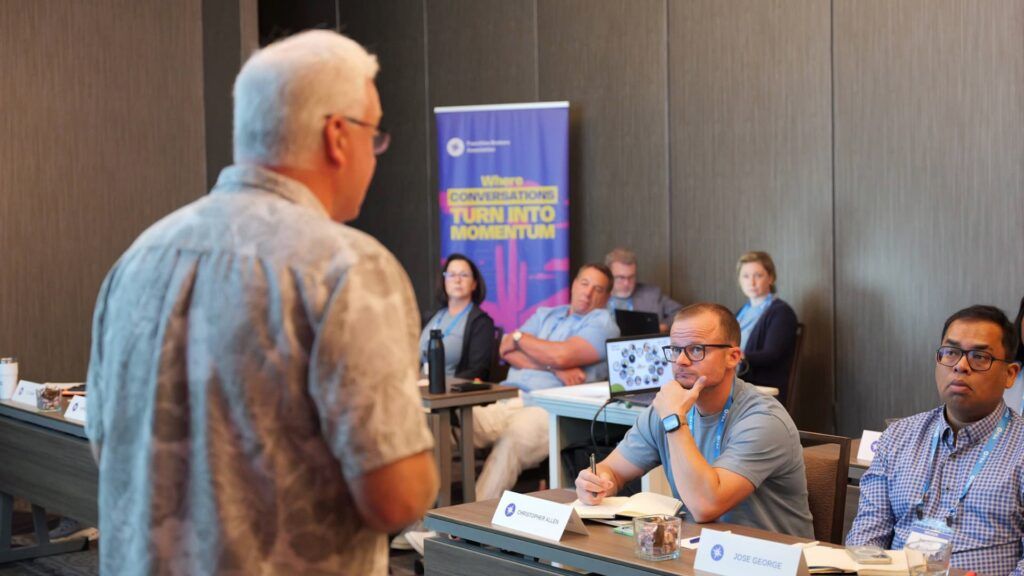
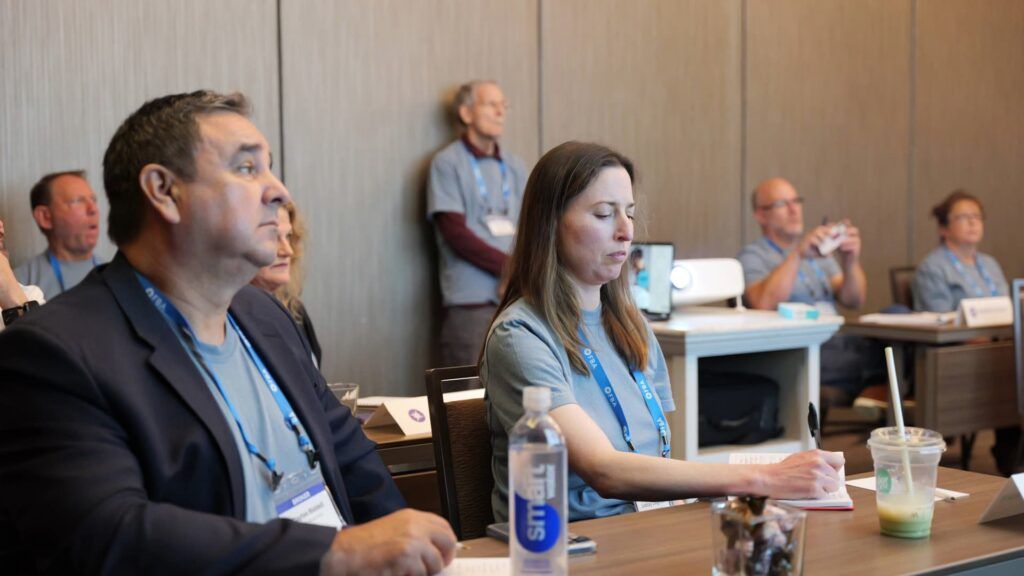
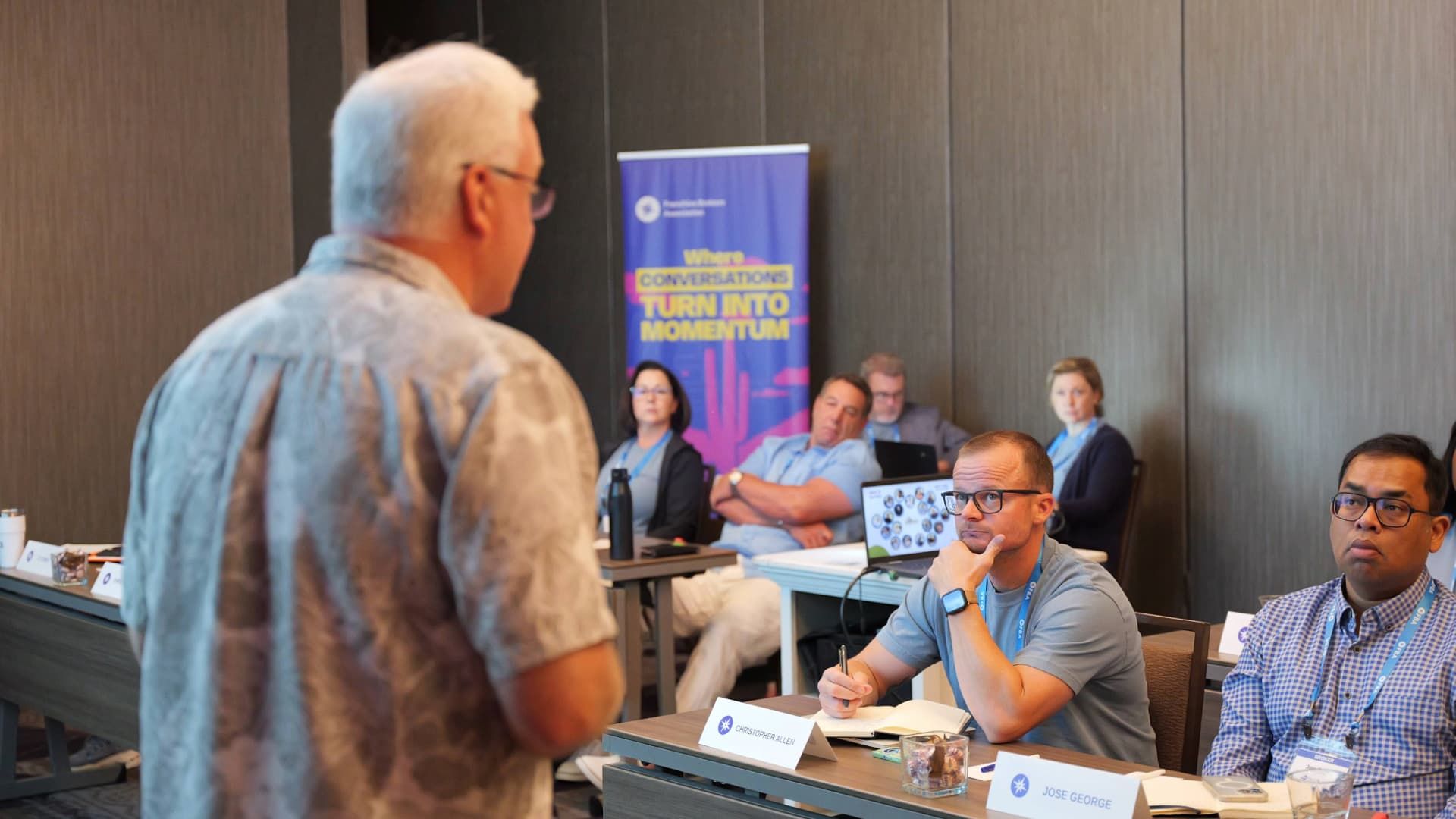
Industry events can also deepen your understanding of the brands you introduce. FBA’s guide to building better referrals through broker events explains how to turn conversations into useful brand knowledge.
After an event, update your notes on owner role, investment requirements, priority markets, disqualifiers, and referral procedures. Relationships become more valuable when the information behind them stays current.
8. Build Repeatable Workflows.
Strong communication requires a repeatable process.
Your CRM should show where each candidate stands, what they have learned, which concerns remain, and what happens next. It should not contain only contact details and a list of brands.
For each candidate, record:
- Ownership goals and deal-breakers.
- Investment and funding assumptions.
- Decision-maker involvement.
- Brands considered and reasons for eliminating them.
- Franchisor call feedback.
- Open diligence questions.
- Assigned tasks and follow-up dates.
Use FBA’s candidate introduction checklist to prepare referrals with relevant, accurate context.
Then continue learning through updated FDD reviews, compliance education, mentoring, and post-case reflection. If candidates repeatedly stall over staffing, finances, or owner involvement, improve your discovery questions rather than repeating the same process.
Before Your First Candidate.
Use this readiness checklist before beginning candidate introductions:
- Confirm the registrations and procedures applicable to your activities.
- Learn the disclosure timing process used by each franchisor.
- Review current FDDs and approved brand materials.
- Understand how to handle Item 19 questions.
- Prepare a structured discovery questionnaire.
- Establish clear compensation and network disclosures.
- Create CRM stages, note standards, and follow-up tasks.
- Identify qualified legal, accounting, and financing resources.
- Confirm territory and candidate requirements before referrals.
- Practice explaining tradeoffs without pressure or promises.
You do not need to know every answer. You do need to recognize which questions require verification and who should answer them.
Frequently Asked Questions.
What training do new franchise brokers need?
New franchise brokers benefit from structured education in FDD review, sales compliance, candidate discovery, brand matching, ethics, and follow-up. Evaluate programs for practical exercises and ongoing support, not just the credential offered.
Do franchise brokers need a license?
Requirements depend on the jurisdiction and the broker’s activities. New York and Washington have franchise broker registration requirements. California has enacted a broker-registration framework, but DFPI currently states that registration is not yet operational. Verify current requirements with regulators and franchise counsel.
What does Item 19 mean?
Item 19 is the FDD section addressing financial performance representations. If a franchisor provides performance information, candidates should examine its basis, assumptions, sample, and limitations. The information does not guarantee an individual franchisee’s results.
How long does franchise broker training take?
Training duration depends on the provider, curriculum, and schedule. Ask about current coursework, assessments, mentoring, and ongoing learning requirements. Avoid relying on a general timeline that may not match the program you choose.
Can you become a franchise broker part-time?
Some people begin while transitioning from another career. However, part-time work still requires adequate availability for candidate calls, franchisor coordination, research, documentation, and compliance. Confirm that your schedule supports those responsibilities.
What makes a good franchise broker?
Good brokers listen carefully, organize information, explain tradeoffs, and maintain accurate records. They also recognize their professional limits and help candidates obtain independent advice rather than promising outcomes.
Build Your Practice With Clarity.
A credible franchise brokerage rests on current knowledge, thoughtful candidate matching, and consistent professional habits. Training provides a foundation; judgment develops as you apply that foundation responsibly.
If you are considering this career, explore FBA’s franchise broker training and support pathway. Ask about current education, operational tools, and ongoing support so you can choose a starting point that fits your goals.