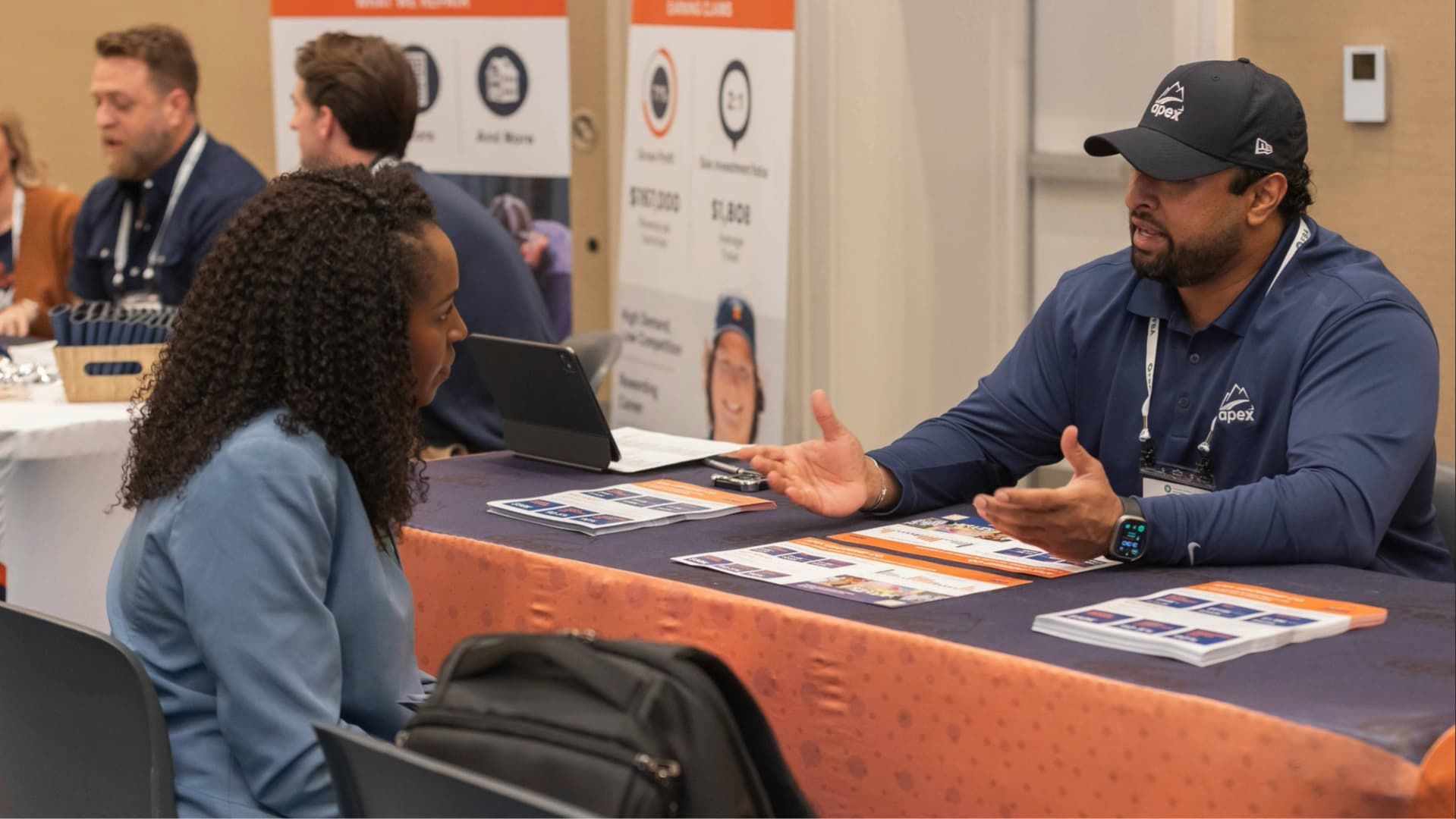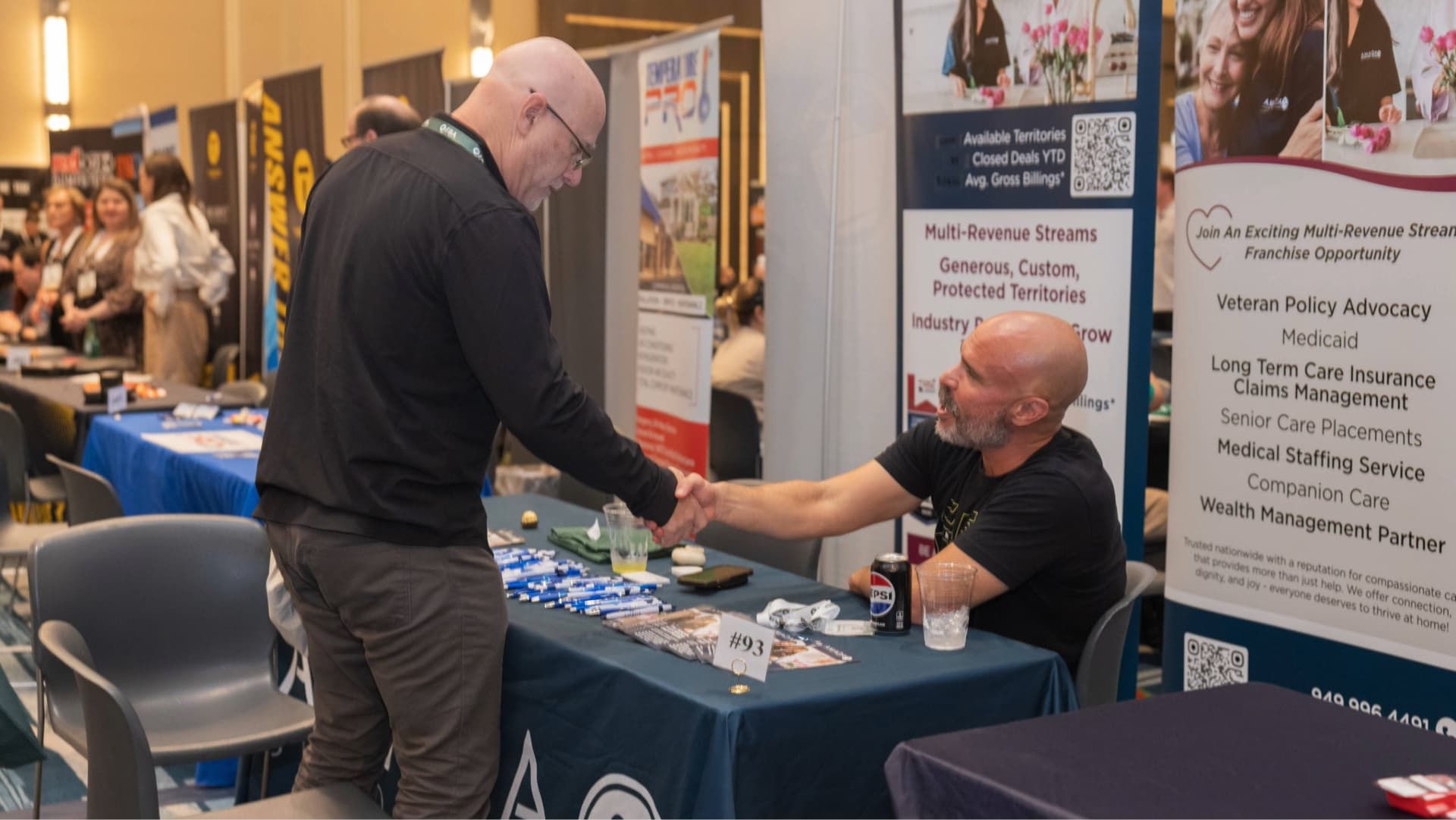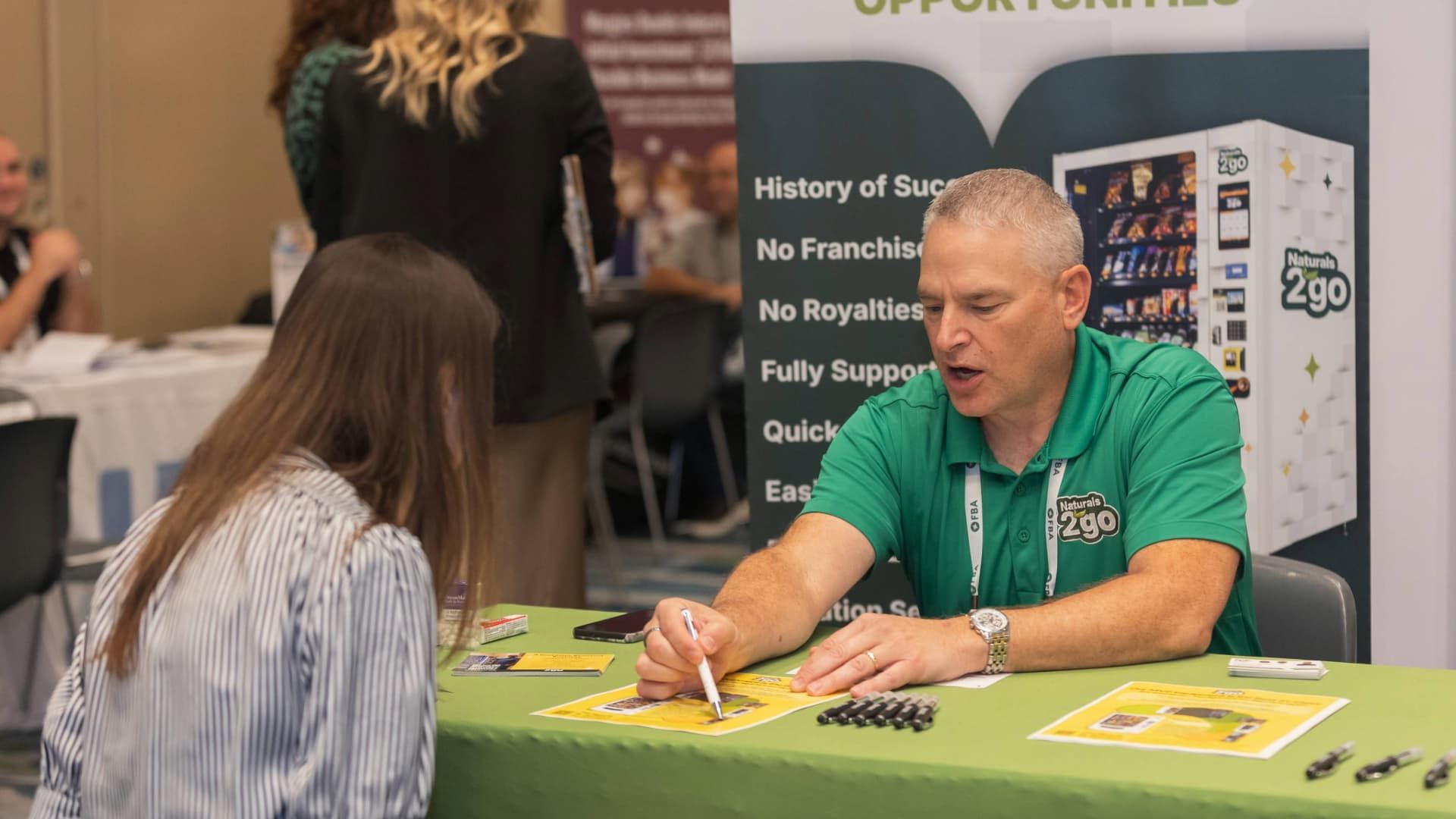




Franchise broker transparency means explaining how you are paid, which opportunities you consider, why you recommend them, and what the candidate still needs to investigate. It also means discussing costs, responsibilities, risks, and professional limitations without pressure or promises.
Candidates do not need a broker with an instant answer to every question. They need someone who separates verified information from assumptions and helps them make an informed decision.
Trust develops when your words, recommendations, and follow-through remain consistent throughout the franchise research process.
What Should Franchise Brokers Be Transparent About?
Candidates should understand your role before they begin evaluating recommendations.
Start with six areas:
| Transparency area | What the candidate needs to understand |
|---|---|
| Compensation | Who pays you and how the arrangement works |
| Recommendation scope | Which brands you consider and the limits of your search |
| Fit reasoning | Why an opportunity appears aligned and what tradeoffs it presents |
| Financial commitments | Estimated startup costs, ongoing obligations, and unresolved funding questions |
| Owner responsibilities | What the candidate may need to do during launch and ongoing operations |
| Due diligence | What remains unverified and which independent advisors should be involved |
These topics belong in the conversation when they become relevant—not in a rushed disclosure at the end.
1. Explain Your Compensation Before Recommending Brands
Candidates should not have to ask repeatedly how you earn money.
Explain who pays you, how compensation is calculated, and any relevant differences between opportunities. If candidate-paid fees or other arrangements apply, describe them accurately.
The FTC encourages prospective buyers to ask brokers about payment, participating franchises, and how recommendations are selected. Its guidance on researching franchise opportunities makes these questions part of responsible buyer research.
Use a Clear Compensation Explanation
Start with:
“Before we discuss brands, I want to explain how my services and compensation work. I will outline who pays me, whether any fees apply to you, and the business relationships relevant to your search.”
Then explain your actual arrangement.
When accurate, stating that candidates do not pay a direct broker fee can be useful. However, that does not replace explaining who does pay you.
Document the conversation and confirm applicable disclosure requirements with qualified counsel. A communication checklist is not a substitute for legal compliance.
2. Clarify the Scope of Your Franchise Search
A candidate may assume you evaluate every franchise available. If your recommendations come from a participating network or selected group of brands, say so.
Explain:
- Which brands or networks you work with.
- How opportunities enter your consideration process.
- What information you review.
- Whether your search includes brands outside those relationships.
- What inclusion in a network does—and does not—establish.
Avoid describing a participating brand as risk-free, guaranteed, or suitable for every buyer.
A useful explanation is:
“My recommendations come from the opportunities available through my working relationships. I will explain why each appears relevant to your goals, but that does not replace your independent investigation.”
FBA’s guide for new franchise brokers reinforces the importance of understanding disclosure rules, professional limits, and recommendation scope.
3. Show Why Each Opportunity May Fit
A recommendation should connect to the candidate’s priorities—not just the brand’s marketing message.
Explain four things:
- What appears aligned with the candidate’s goals.
- Which skills or resources support the potential match.
- What challenges the candidate would need to accept.
- What still requires validation.
For example:
“This model appears aligned with your relationship-building experience and preference for weekday operations. However, we still need to investigate owner-led sales expectations, staffing needs, and launch-stage availability.”
This explanation makes the reasoning visible without presenting the match as a settled conclusion.
Use the same comparison criteria across opportunities. FBA’s franchise brand comparison call framework helps brokers evaluate owner role, staffing, sales, schedule, territory, support, and growth plans consistently.
A strong recommendation includes a reason to explore and a question to investigate.
4. Discuss the Full Financial Commitment
Candidates can misunderstand affordability when conversations focus on the franchise fee.
Explain that the fee is only one part of the potential investment. Depending on the business, costs may also include equipment, inventory, premises, vehicles, technology, training travel, marketing, staffing, and additional funds.
Separate these financial topics:
| Topic | What to clarify |
|---|---|
| Franchise fee | The initial fee is not the complete startup budget |
| Estimated initial investment | The disclosed range includes assumptions the candidate should examine |
| Working capital | Early operating needs require careful review |
| Ongoing fees | Royalties, marketing contributions, and other applicable charges affect operations |
| Personal reserves | Household expenses need separate consideration |
| Financing | Eligibility, terms, and approval require lender assessment |
FBA’s FDD Item 7 guide provides context for reviewing estimated startup costs.
Avoid saying:
“You have enough money for this.”
Instead, say:
“The disclosed range appears consistent with the budget you shared. You should still review the assumptions, financing obligations, and personal reserves with appropriate professionals.”
That distinction keeps an initial assessment from sounding like financial advice or funding approval.
5. Explain the Real Owner Role
Transparency about work is as important as transparency about money.
A candidate may hear “manager-led” and assume minimal involvement from opening day. Another may expect a home-based business to require little selling or customer interaction.
Clarify the responsibilities that need investigation:
- Launch preparation and availability.
- Local sales and networking.
- Employee recruitment and supervision.
- Customer service and scheduling.
- Quality control.
- Financial oversight.
- Manager accountability.
- Evening, weekend, or emergency demands.
Separate Launch Expectations From Long-Term Flexibility
Ask the franchisor what the owner must handle initially and what must happen before responsibilities can be delegated.
FBA’s passive franchise ownership guide helps distinguish passive investing from semi-absentee ownership and ongoing oversight.
Use this question with the candidate:
“If the first year requires more involvement than the long-term model, would this opportunity still fit your plans?”
Do not treat future flexibility as an established launch condition.
6. Label Facts, Assessments, and Open Questions
Candidates should know how certain each piece of information is.
Use three categories:
| Information status | How to communicate it |
|---|---|
| Confirmed information | Identify the current source and relevant limitations |
| Preliminary assessment | Explain that the conclusion depends on information available so far |
| Open question | State what remains unknown and who should verify it |
For example:
“Your profile suggests the owner role may fit. Territory availability remains unconfirmed, so I will check with the franchisor before arranging an introduction.”
This is more accurate than saying the opportunity is fully available and suitable.
When you do not know an answer, say:
“I do not have verified information yet. Let’s direct that question to the appropriate person.”
Then record the question, assign responsibility, and follow up.
7. Answer Earnings Questions Without Predicting Results
Candidates reasonably want to understand financial possibilities. Brokers should respond with a diligence process rather than a promise.
Avoid:
- Predicting income replacement.
- Promising break-even timing.
- Presenting a top performer as typical.
- Turning disclosed averages into expected personal results.
- Providing informal revenue or profit projections.
Direct candidates to the current Franchise Disclosure Document, including Item 19 when the franchisor provides a financial performance representation. Preserve the qualifications and limitations of that information.
The FTC’s consumer guide to buying a franchise explains how buyers can investigate performance claims, contact franchisees, and obtain independent advice.
A responsible response is:
“I cannot predict your results. We can review what the franchisor discloses, identify the limitations, and prepare questions for franchisees and your financial advisor.”
Transparency means resisting reassurance that the evidence cannot support.
8. Encourage Independent Due Diligence
Candidates should not depend entirely on the broker or franchisor to evaluate an opportunity.
Encourage them to:
- Review current disclosures and proposed agreements.
- Speak with current and former franchisees where available.
- Investigate local-market conditions.
- Consult qualified legal and financial professionals.
- Include relevant household or business decision-makers.
- Bring contradictory information back for clarification.
Do not steer validation conversations toward positive answers alone.
If franchisees describe responsibilities differently from the candidate’s understanding, investigate the difference. It may reveal a meaningful fit issue.
FBA’s questions to ask franchise candidates can help connect this investigation to lifestyle goals, risk tolerance, and research readiness.
9. Set Clear Next Steps Without Creating Pressure
A transparent process identifies what happens next, who is responsible, and what could change the schedule.
Do not create urgency around an arbitrary deadline. If a genuine constraint exists, explain its source and current status without overstating certainty.
After each meaningful conversation, confirm:
- What the candidate learned.
- Which concerns remain.
- What requires verification.
- Who owns each task.
- When to reconnect.
- Whether the opportunity should advance, remain on hold, or be eliminated.
FBA’s franchise candidate decision timeline guide helps organize these milestones.
A recap can be simple:
“The owner role appears aligned. Before advancing, you will review the investment assumptions with your advisor, and I will confirm the territory question. We will reconnect on [date].”
Clear next steps support progress without implying an obligation to buy.
10. Correct Errors Promptly
An outdated figure or misunderstood process detail should be corrected openly.
When an error occurs:
- Identify what was incorrect.
- Provide the corrected information and source.
- Explain whether the correction affects your earlier recommendation.
- Update your records.
- Allow the candidate to reconsider if appropriate.
For example:
“I need to correct the investment range I referenced yesterday. It came from an older document. Please use the current materials, and let’s revisit whether the opportunity remains within your comfort level.”
Do not quietly replace the information and assume the issue is resolved.
Franchise Broker Transparency Checklist
Before advancing an opportunity, ask:
- Have I explained my compensation accurately?
- Does the candidate understand my recommendation scope?
- Can I explain why this opportunity may fit?
- Have I discussed meaningful tradeoffs?
- Are costs current and properly qualified?
- Have I clarified launch-stage responsibilities?
- Have I identified assumptions and unanswered questions?
- Am I avoiding unsupported financial claims?
- Have I encouraged independent investigation?
- Does the candidate have a clear, pressure-free next step?
- Have I corrected information that changed?
Use this checklist to support communication consistency, not as proof that every legal obligation has been satisfied.
Frequently Asked Questions
How can franchise brokers build trust with candidates?
Brokers build trust by explaining compensation, recommendation scope, fit reasoning, costs, responsibilities, and information gaps. Reliable follow-through and support for independent investigation reinforce that transparency.
Should franchise brokers disclose how they are paid?
Brokers should explain compensation arrangements early and accurately, including relevant relationships and candidate-paid fees, if any. Confirm applicable legal requirements with qualified counsel.
What should a broker say when an answer is unverified?
State that the information is unconfirmed, identify the appropriate source, and agree on follow-up. Do not replace missing information with an assumption.
Does discussing risks discourage candidates?
It may lead a candidate to reconsider, which can be appropriate. The objective is an informed decision—not preserving momentum by withholding concerns.
Can franchise broker training improve transparent communication?
Structured training can help brokers practice discovery, document recommendations, explain professional boundaries, and develop consistent communication habits. Review the curriculum and ongoing support before choosing a program.
Build Transparency Into Your Brokerage Practice
Franchise broker transparency works when it becomes a repeatable habit: explain how you work, make recommendations understandable, address tradeoffs, and follow through on unanswered questions.
If you want to become a franchise broker or strengthen these skills, explore FBA’s franchise broker training and support pathway. Ask about current training options, certification requirements, and continuing support before choosing your next professional-development step.
The standard is straightforward: help candidates understand the decision in front of them, including their option not to proceed.