
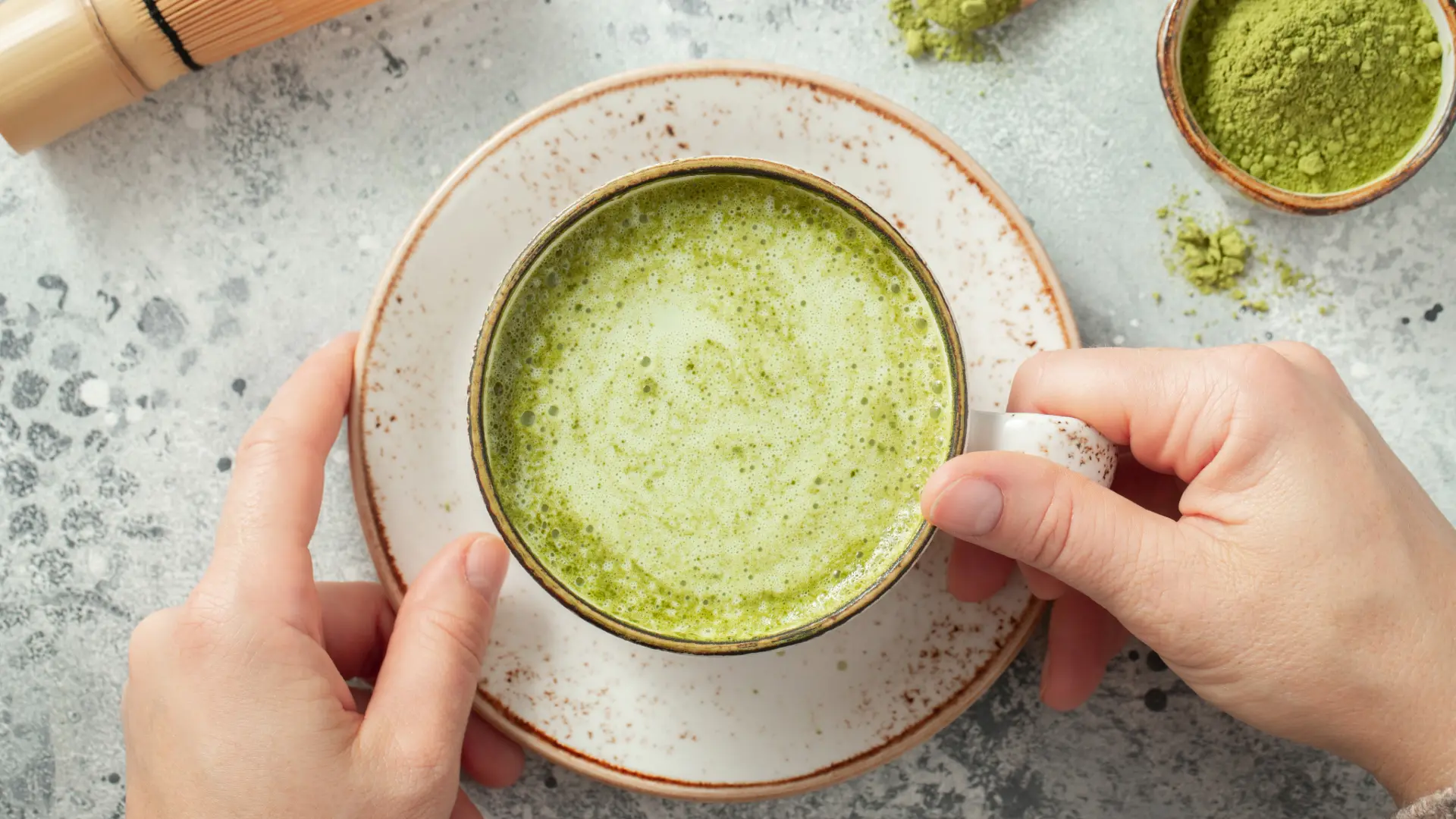
The Junbi franchise pairs hand-whisked Japanese matcha with a modern café format. This guide explains how the model works—what you’ll serve, the support provided, and where the brand is growing. It’s written for prospective owners and franchise brokers who want clarity without the hype.
We break down the initial investment from the FDD, ongoing fees, training, territory, and the operator profile the brand looks for. You’ll also get market context for matcha plus practical questions to ask before you commit.
This article is sponsored by “Junbi”. The content has been created in partnership with the brand to provide insights into its business model and franchise opportunities.
What is the Junbi franchise?
Junbi is a fast-casual cafe concept centered on whisked-to-order matcha drinks and a compact menu of tea-forward offerings. The brand positions itself around “Prepare Daringly™,” with an origin story that emphasizes accessible matcha culture and community-driven spaces. The name Junbi translates to “preparation” in Japanese—a nod to technique, consistency, and service standards the brand promotes across stores.
Today, Junbi has a growing U.S. footprint with open locations in California, Hawaii, New Jersey, Oregon, and Texas—and additional sites shown as “coming soon” in markets such as Washington, Massachusetts, Pennsylvania, and Utah on its official locations page. Always check that page for the latest openings as the roster changes.
If you’re early in your exploration and want neutral guidance, you can also explore franchise opportunities through the Franchise Brokers Association (FBA) to compare Junbi against other beverage or cafe concepts.
Key takeaway: Junbi is a specialty beverage franchise that leans into authenticity (Japanese matcha, hand-whisking) and a modern cafe experience while keeping the menu focused.
Why matcha—and why now?
Consumer interest in matcha has expanded from niche tea circles to mainstream cafe culture. Several forces are pushing demand:
- Wellness positioning. Matcha contains naturally occurring L-theanine, which the brand spotlights for its smooth-energy appeal compared to coffee spikes. Health effects vary by person; speak with a professional if needed.
- Cafe culture & social media. Specialty cafes and shareable drinks keep matcha highly visible. Social platforms act as a strong tailwind for beverage discovery.
- Market growth. U.S. matcha demand has a positive growth outlook over the next several years, signaling steady category momentum even as flavors and formats evolve.
For owners, this translates into a product category with growing awareness and a visual, lifestyle-friendly brand story—valuable for local marketing and community partnerships. For deeper primers on evaluating beverage franchises, FBA’s franchise education blog is a good starting point.
What sets Junbi apart?
Sourcing & preparation. Junbi highlights matcha sourced from Japan and also offers ceremonial-grade tins for retail, creating a “from cafe to home” brand loop. The cafe experience emphasizes hand-whisked beverages, layered matcha blends, and seasonal recipes.
Focused menu, modern tech. The system designates specific POS and software and permits online ordering/rewards integrations—helpful for data capture and loyalty.
Designated territories with guardrails. Franchisees receive a designated territory described in the Franchise Agreement’s schedule. Junbi won’t open another Junbi shop inside that territory while you’re in good standing, though the franchisor reserves certain rights (e.g., captive market locations, alternative channels, and online sales). Understanding these nuances is essential during legal review.
Brand culture. The process includes a Virtual Confirmation Day with the executive team so candidates can assess cultural fit.
Bottom line: The differentiators revolve around authentic matcha execution, purposeful brand messaging, and an operating playbook with defined systems.
Training, support, and day-to-day operations.
Initial training. Junbi requires the franchisee (or Managing Owner) and one manager to complete an initial program conducted in Los Angeles and/or virtually. The training runs about one week and covers operations, beverage standards, POS, and brand requirements.
Ongoing guidance. The brand provides manuals (updated at its discretion), approved vendor lists, and digital media standards. Owners must follow marketing and brand guidelines and submit plans for grand opening promotions.
Typical daily focus. Owners often balance shift oversight, inventory, quality checks, and local partnerships. Given the cafe format (no heavy cooking), labor planning and barista training are central. Junbi also notes options for online ordering and rewards/gift cards through approved integrations.
Takeaway: Expect a hands-on ramp with a structured playbook and consistent beverage execution at its core.
Territory, term, and multi-unit options.
- Designated Territory: Defined in your Franchise Agreement’s schedule after site approval; exclusivity applies against another Junbi shop in your territory while you’re compliant, with reserved rights for the franchisor (e.g., captive venues and alternate channels).
- Term: The standard franchise term is 10 years.
- Multi-Unit Development: If you pursue multiple shops, there’s a Development Area Fee and a separate initial fee for each additional unit under that agreement.
Why it matters: Territory definitions, exceptions, and term length influence your long-range planning. Review Item 12 closely with counsel.
Investment: Junbi franchise cost (from the FDD).
The following estimates come from Junbi’s 2024 FDD (amended 3/31/2024). Your costs will vary by market, build-out, and other factors (Item 7).
Initial Investment for a New Junbi Location.
| Type of Expenditure | Low Estimate ($)* | High Estimate ($)* |
|---|---|---|
| Initial Franchise Fee | 30,000* | 30,000* |
| Construction & Leasehold Improvements | 100,000* | 245,000* |
| Lease Deposits & Rent – Three Months | 8,000* | 12,000* |
| Furniture, Fixtures & Equipment | 50,000* | 120,000* |
| Signage | 10,000* | 30,000* |
| Computer, Software & POS System | 6,250* | 15,000* |
| Grand Opening Marketing | 10,000* | 10,000* |
| Initial Inventory | 12,250* | 19,500* |
| Utility Deposits | 500* | 1,000* |
| Insurance Deposits – Three Months | 500* | 2,500* |
| Travel for Initial Training | 2,500* | 5,500* |
| Professional Fees | 2,500* | 5,000* |
| Architectural Fees | 10,000* | 25,000* |
| Printing/Stationery/Office Supplies | 750* | 750* |
| Licenses & Permits | 500* | 5,000* |
| Additional Funds – Three Months | 25,000* | 50,000* |
| Total Estimated Initial Investment | 268,750* | 576,250* |
Multi-Unit and Conversion.
- Development Area Fee: $30,000–$135,000* (depending on the number of additional shops)
- Initial Franchise Fee (per additional shop under a Multi-Unit Development Agreement): $15,000*
- Conversion location estimates may differ; review Item 7’s multi-unit table and notes.
Data based on the company’s Franchise Disclosure Document (FDD). Fees, costs, and figures are estimates and may vary based on location and other factors.
Ongoing fees you should budget.
| Fee | Amount | Notes |
|---|---|---|
| Royalty | 6% of Gross Sales | Weekly ACH. |
| Brand Development Fund | Up to 2% (currently 1%) of Gross Sales | Weekly. |
| Franchisee-Directed Local Marketing | 2% of monthly Gross Sales | Spent in your territory. |
| POS license | Currently $540/month | Vendor-designated. |
| Software | Currently $200/month | Menu boards, accounting, etc. |
| Technology fee | Up to $750/month (if implemented) | Not currently charged; franchisor may implement. |
| Online ordering/rewards/gift cards | As incurred | Through designated systems; see Item 11. |
Menu and product strategy of Junbi.
Junbi’s core menu centers on whisked matcha, layered matcha lattes, and seasonal drinks. The brand also retails ceremonial tins and kits for home preparation, which can help extend brand loyalty beyond the cafe. Stores frequently showcase limited flavors and collaborations to keep content fresh for social media.
This menu strategy supports “simple to execute, hard to copy”: consistent prep, defined standards, and visuals that travel well online—important for customer acquisition and repeat visits. The category benefits from strong social visibility, which pairs well with a visually distinctive cafe brand.
Candidate profile and financial readiness.
Junbi’s process invites candidates to request an information deck, complete a personal profile, and attend a Virtual Confirmation Day. The brand’s FAQ lists examples of acceptable proof of funds, including a bank letter showing $150,000 in liquidity, bank statements, or brokerage accounts. (Always verify with the brand; criteria can change.)
Owners who thrive typically enjoy guest interaction, team coaching, and local marketing—think gyms, wellness studios, university corridors, and downtown daytime traffic. The model rewards consistency, speed, and tight cost control.
Risks, realities, and how to pressure-test the model.
- Seasonality & competition. Beverage traffic can fluctuate with weather and local competition. Layer in sampling, limited-time offers, and partnerships to smooth demand.
- Territory exceptions. Review reserved rights and alternative channels in the FDD. Understand exactly what your “protected” area protects—and what it doesn’t.
- Cost discipline. Track inventory and labor closely. The brand sets POS and software standards to support this; use the data.
- Market fit. Matcha adoption is rising, and the growth outlook is promising, but success depends on local demographics, visibility, and execution.
If you’d like a third-party comparison of similar beverage brands, the FBA team can help you talk to a franchise expert and compare models side-by-side.
FAQs about Junbi.
How much does a Junbi franchise cost to open?
The total estimated initial investment is $268,750–$576,250* for a new location (Item 7). Your costs vary by market, build-out, and other factors. Based on the FDD.
What are the ongoing fees?
Current headline fees are 6% royalty and up to 2% brand fund (currently 1%), plus 2% local marketing. Budget for POS/software/tech per Item 6. See FDD for details.
How long is training?
The initial program runs about one week in Los Angeles and/or virtually for the franchisee (or Managing Owner) and one manager.
Is there a protected territory?
Yes, a Designated Territory is defined in your agreement. Junbi won’t place another Junbi shop inside it while you’re compliant, but the franchisor reserves certain rights (e.g., captive venues, alternative channels, online). Review Item 12 with counsel.
Where is Junbi growing?
Open stores are listed on the brand’s locations page (currently CA, HI, NJ, OR, TX), with additional “coming soon” markets posted as plans finalize.
Is the Junbi Franchise the right fit for you?
Junbi combines a focused specialty beverage format with an on-trend product and an approachable brand story. The model emphasizes beverage execution, guest experience, and data-driven operations—good news if you like coaching teams and building local partnerships. The category outlook is favorable, but location, labor, and disciplined cost control will determine outcomes in your market.
Ready to take the next step? The Franchise Brokers Association is here to help guide you on your journey into the franchise world. Click here to discover available franchises and connect with us today!