

KFC is one of the most recognized names in quick-service chicken. The brand’s scale, streamlined systems, and constant menu updates attract many operators. Yet a KFC Franchise also requires serious capital, disciplined execution, and comfort with brand standards. This full rework explains startup costs, support, pros and cons, and how to evaluate fit—without hype or earnings claims.
You’ll see where KFC’s size helps (training, supply chain, national marketing) and where owners feel the squeeze (capex, labor, real estate). You’ll also get a practical due-diligence checklist and FAQs, so you can move forward with clear expectations.
*All trademarks are the property of their respective owners. KFC and its subsidiaries are not affiliated with FBA. This content is for informational purposes only
Early in your search? You can also explore franchise opportunities with the Franchise Brokers Association.
Why KFC keeps drawing operators.
KFC blends heritage and modern QSR playbooks. As part of a large restaurant group, it operates at massive scale across global markets. System size matters: stronger purchasing power, frequent product launches, and mature development guidance can reduce risk for new builds and remodels.
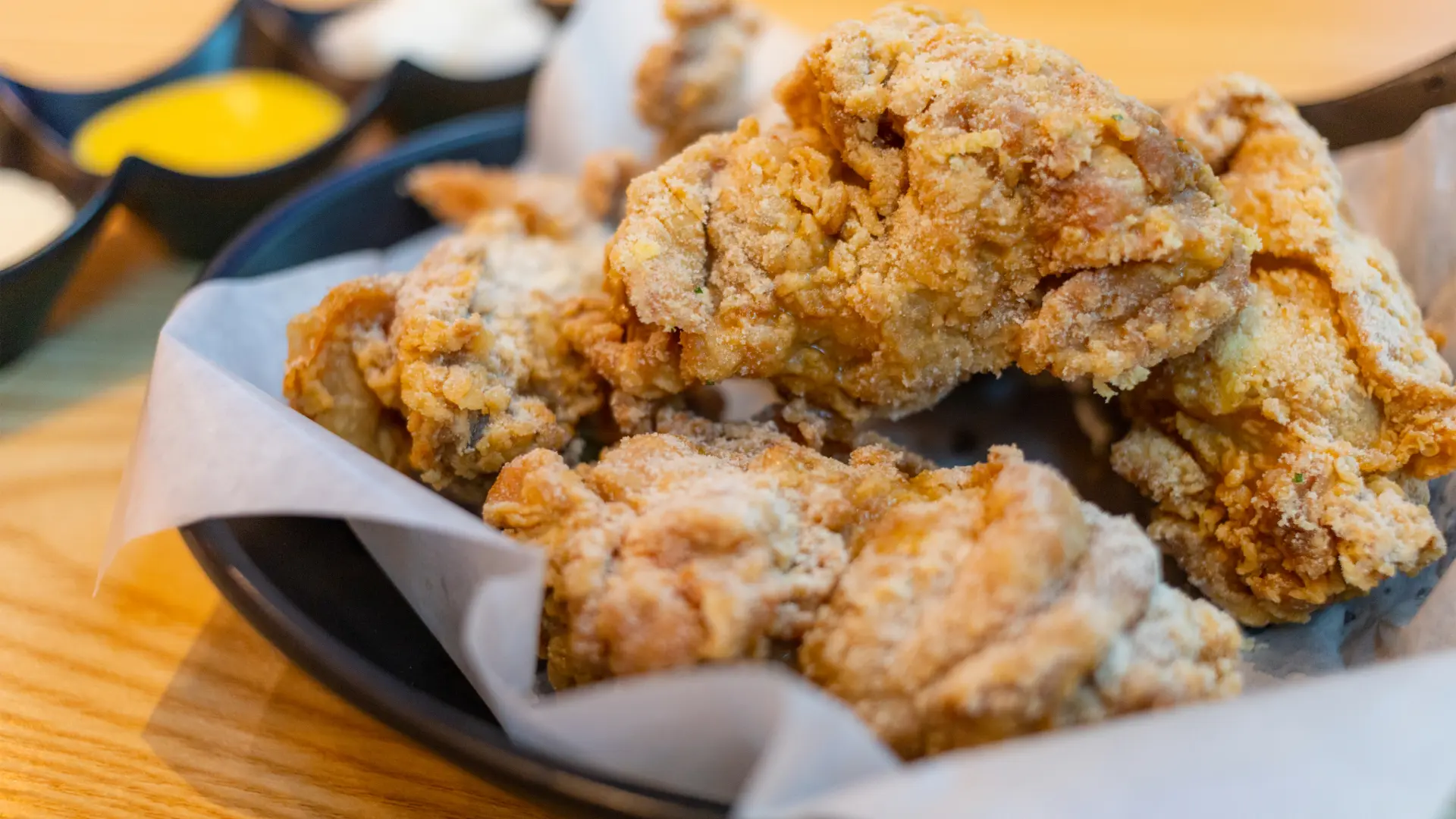
KFC also remains a top-of-mind option for families and value seekers. Buckets, tenders, and bundles fit off-premise ordering, while rotating limited-time offers keep the calendar fresh. For local owners, that recognition can shorten the path to trust in a new trade area.
KFC’s advantages come from scale—national marketing, a tested supply chain, and repeatable operations that support multi-unit growth.
KFC Franchise cost: 2025 startup estimates.
Every market and site is different, but a traditional KFC is a high-investment project. The latest publicly disclosed ranges for a traditional U.S. store commonly land in the low-to-mid seven figures, driven by building/site work and equipment. Your exact budget will hinge on real estate, construction scope, local labor, and drive-thru infrastructure.
Estimated initial investment.
| Category | Low Estimate | High Estimate |
|---|---|---|
| Initial Franchise Fee | $45,000* | $45,000* |
| Real Property (purchase/leasehold improvements) | $300,000* | $1,000,000* |
| Building & Site Costs | $1,000,000* | $1,900,000* |
| Equipment, Signage, Décor, POS & Tech | $375,000* | $606,000* |
| Permits, Licenses & Security Deposits | $50,000* | $100,000* |
| Training Expenses | $5,000* | $8,000* |
| Start-Up Inventory | $10,000* | $10,000* |
| Grand Opening Expense | $5,000* | $5,000* |
| Insurance | $7,250* | $10,050* |
| Miscellaneous Costs | $5,000* | $10,000* |
| Additional Funds (initial period) | $50,000* | $75,000* |
| Estimated Total | $1,852,825* | $3,771,550* |
Why the spread? Construction scope, landlord contributions, utility upgrades, and drive-thru design drive most variance. Equipment lead times and local wages can also shift budgets.
Note on non-traditional builds: Certain venues (e.g., travel plazas) can carry lower investment due to smaller footprints and reduced build-out scope.
Expect a seven-figure project for a traditional store. Build in time and cash buffers for permitting, site work, and equipment.
KFC’s Fees, training, and ongoing support.
KFC’s system is designed to reduce guesswork. You’ll work within a defined operating model and receive help from site approval through opening and beyond.
What to expect:
- Structured onboarding. Food safety, fryer management, product builds, labor deployment, and guest experience are taught to brand standards.
- Field and corporate support. Development reviews, opening checklists, and post-launch coaching help keep operations on track.
- Technology stack. POS, reporting, and digital ordering are standardized to enable speed and visibility across channels.
- Marketing engine. National advertising and LTO calendars help drive traffic. Operators execute local store marketing within guidelines.
Plan for ongoing royalties and advertising contributions as outlined in the FDD, along with rent, labor, utilities, maintenance, and technology subscriptions.
The playbook is robust and prescriptive. Owners who follow the system and coach teams to standard can ramp faster and more predictably.
Pros and Cons of a KFC Franchise.
Advantages.
- Global brand with built-in awareness. Recognition can accelerate trial and repeat business, and it signals stability to lenders and landlords.
- Infrastructure at scale. Supply chain leverage, LTO cadence, and seasoned development processes support operators.
- Menu breadth and daypart coverage. Family bundles, sandwiches, and tenders support lunch, dinner, and late night with off-premise alignment.
- Repeatable formats. Freestanding drive-thru, end-cap, and inline options allow development in varied trade areas.
- Scalable for experienced groups. Standardized kitchens and training make multi-unit expansion more achievable.
- Structured training and field support. Clear operating standards and coaching reduce the learning curve.
- Delivery-friendly products. Chicken, sandwiches, and sides travel relatively well, supporting off-premise sales.
Considerations.
- High capex. Hoods, grease systems, site work, and drive-thru lanes push build-out costs up; plan contingencies.
- Tight brand standards. Layouts, recipes, uniforms, and marketing are prescribed; creativity is limited.
- Labor-intensive model. You’ll manage a larger hourly team across multiple dayparts; food safety and speed are daily disciplines.
- Real estate competition. Prime, accessible corners with drive-thru potential are scarce and costly, extending timelines.
- Commodity exposure. Chicken, oil, flour, and packaging costs move; you need strong inventory and waste control.
- Operational complexity at volume. Peak rushes, delivery staging, and throughput targets add pressure.
- Preference for multi-unit capability in some markets. New, single-unit candidates may face a higher bar on experience and capital.
- Seven-day operations and demanding hours. Evenings, weekends, and holidays are normal trade times.
KFC can reward disciplined operators who like structure and can fund growth. If you want low cost or hands-off ownership, it’s not the right match.
Operating model, formats, and market context.
KFC’s strongest sites balance access, visibility, and drive-thru throughput. Families and commuters drive daypart demand; delivery adds an off-premise buffer. Because the brand runs frequent LTOs, kitchens and teams must flex without sacrificing accuracy.
In practice, the system is built for volume. Your job is to pair the right format with the right corner and maintain standards every shift. Design the back-of-house for peak, stage your delivery hand-off, and rehearse promo builds before they hit the calendar.
Choose a format that matches your trade area, then design for throughput. Consistency is your differentiator.
FAQs: KFC Franchise.
How much does it cost to open a KFC?
For a traditional U.S. store, the total initial investment commonly falls in the low-to-mid seven figures, driven by building/site work and equipment. Always review the latest FDD.
Is there a lower-cost way to open?
Some non-traditional venues (e.g., travel plazas) can be meaningfully lower due to footprint and scope. Ask the brand about availability and requirements.
What are the ongoing fees?
Royalty and advertising contributions apply on gross sales as disclosed in the FDD. Confirm current percentages with the brand.
How big is KFC’s footprint today?
KFC operates tens of thousands of restaurants worldwide, with continued development in key markets.
Does FBA work with KFC?
No. KFC is not in the Franchise Brokers Association portfolio. We provide neutral education and can help you compare alternatives.
Is a KFC Franchise the right fit for you?
Choose KFC if you want a structured, high-throughput QSR with national marketing and proven systems. Be ready for seven-figure capex, tight standards, and daily coaching of a larger hourly team. If you prefer lower entry costs or more creative control, other models may suit you better.
Ready to take the next step? The Franchise Brokers Association is here to help guide you on your journey into the franchise world. Start your discovery today and compare top franchise opportunities designed for your success.