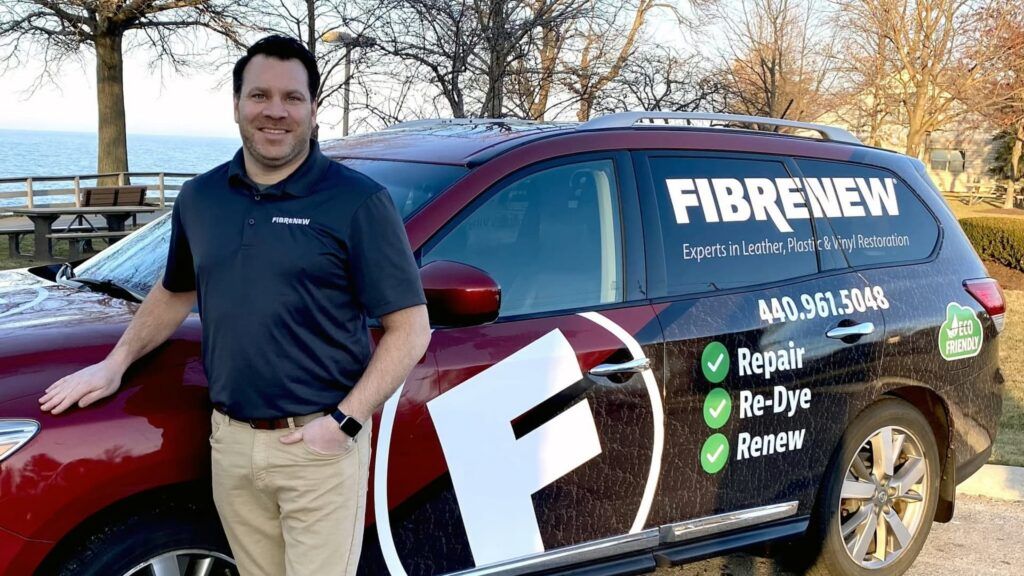




Practical perspectives from William Huffhine on personalized outreach, local connections, and evaluating lead sources.
Generating more leads is only part of building a stronger franchise pipeline. For FBA Brokers, the larger challenge is creating relevant conversations, earning candidates’ trust, and identifying providers that deliver genuine opportunities—not just contact information.
William Huffhine has been reassessing his approach through that lens. Drawing on his experience in marketing, client acquisition, and franchise brokerage, he is exploring how educational content, personalized outreach, and local relationships can support his business.
His perspective is deliberately practical: these are approaches he is testing and refining, not a single formula every Broker should follow.
Why William Is Rethinking His Approach
William described 2026 as his most difficult year for lead generation personally, despite a career in marketing, client acquisition, and revenue development stretching back to 1992. His observations centered on inbox fatigue, digital overload, changing search habits, and the challenge of standing out among other franchise professionals.
His example was straightforward: he often ignores unfamiliar messages himself. That experience has prompted him to reconsider what makes someone stop scrolling and respond.
Rising acquisition costs provide additional context. Franchise Update Media’s published coverage of its 2026 Annual Franchise Development Report reports an average franchise-development cost per lead of $351 in 2025, compared with $271 in 2024. These are franchisor recruitment benchmarks—not a measure of what an individual Broker should expect to pay a lead provider—but they support the broader concern about lead-generation economics.
William’s response has been to revisit both digital methods and relationship-based activities. His approach emphasizes thoughtful experimentation rather than assuming one channel works for everyone.
1. Build Content Around Questions Prospects Actually Ask
One area of focus is Business Builder Magazine, where William and members of his team are combining their publishing efforts. He described using Google Search Console and Google Trends to identify franchise-related questions and topics, then developing articles around business education, industry developments, franchise opportunities, and openings.
The goal is to build a recognizable source of information that prospective owners can discover during their research, including through AI-assisted search.
William shared a writing principle: “Your very first paragraph should be the answer to the question.” The rest of the article, he explained, can explore the reasoning and supporting detail.
For Brokers, a way to apply that idea is to start with questions that repeatedly arise in candidate conversations. Possible article topics include:
- What should I clarify before exploring franchise ownership?
- How do I compare opportunities beyond the initial investment?
- What questions should I bring to a franchisor conversation?
- What does working with a franchise Broker involve?
These are proposed editorial starting points, not examples of measured search demand. The next step is to match topics with the questions your intended audience is asking.
William describes the initiative as early-stage, so its ability to generate a consistent flow of qualified leads remains to be evaluated. Treat it as an ongoing initiative to assess—not a guaranteed route to AI citations or placements.
2. Personalize the Reason for Reaching Out
William also described a shift in his LinkedIn outreach: moving away from identical messages and toward connection requests that reflect something relevant about each recipient.
His approach considers details such as professional experience, accomplishments, location, and the reason a franchise conversation might be worth exploring. He described using Sales Navigator to identify prospects and Gemini to help draft individualized messages, which he sends manually.
The most transferable lesson is not a daily sending target. It is the quality of the connection between the person’s background and your reason for contacting them.
A useful message should make three things clear:
- Why you chose to contact this person.
- Why the subject might be relevant to them.
- What small, reasonable next step you are proposing.
Personalization should do more than insert a first name or repeat a job title. Before sending, review whether the message gives the recipient a credible reason to engage. When using AI assistance, check every professional detail and every statement about the opportunity rather than assuming the draft is accurate.
William’s workflow illustrates how he is supporting personalization with technology. It should not be read as a universal outreach prescription or evidence of a particular conversion rate.
3. Make Follow-Up Respectful, Not Relentless
William separates initial outreach from subsequent responses and has moved away from long automated sequences that repeatedly pursue recipients.
When someone expresses interest, he responds with a next step, such as a short introductory call. When someone declines, he acknowledges the response courteously and leaves the relationship on positive terms.
His guiding thought was simple: “Remember, we’re here to make friends, long-term friends.”
For Brokers reviewing follow-up messages, that suggests a useful test: does this message respond to the person’s situation, or does it merely repeat the request?
A respectful follow-up can clarify a question, offer useful information, or acknowledge that the timing is wrong. It does not have to force every interaction toward an immediate appointment.
4. Become a Familiar Resource in Your Local Market
William encouraged Brokers to consider the difference between trying to become nationally recognizable and becoming known within a particular community.
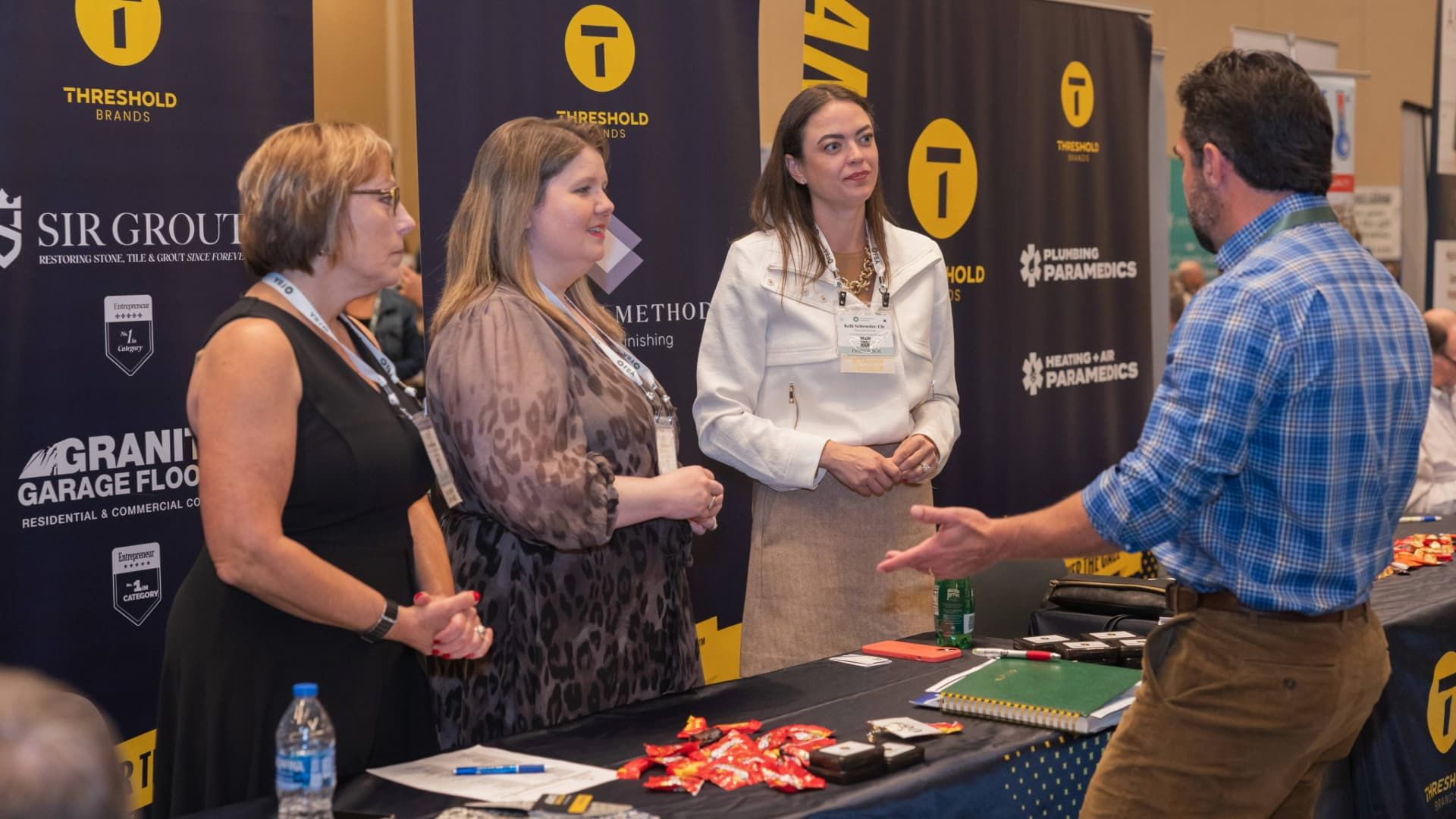
“Don’t just join, join and contribute,” he said when discussing chamber involvement. His suggestions included attending events, participating in referral groups, teaching classes, and developing relationships with local franchise owners.
His emphasis was on participation rather than passive membership. A name in a directory is different from someone who consistently shows up, contributes, and helps others make connections.
He also recommended getting to know franchisees outside your existing candidate pipeline. In his view, those relationships can create opportunities for referrals, future expansion conversations, and introductions to owners considering their next business decision.
A manageable starting point might be to select one local organization, attend consistently, and identify one educational contribution you can make. That could be a discussion about researching franchise ownership or a roundtable for people considering entrepreneurship.
The purpose is not to turn every gathering into a sales presentation. It is to give people a clear understanding of what you do and when a conversation with you would be useful.
5. Be Helpful Beyond the Immediate Placement
William’s local-market strategy connects with another theme: becoming a broader resource for entrepreneurs.
He encouraged Brokers to recognize needs beyond a new franchise investment, including introductions related to funding, franchise development, valuations, and business resales. His emphasis was on connecting people with appropriate resources and building relationships, even when the interaction does not produce an immediate commission.
“You may not get a commission from it, but you get a relationship out of it,” he explained.
For a Broker, that can mean recognizing when someone needs an introduction rather than a franchise presentation. An existing owner may be seeking capital. An independent operator may be curious about franchising. Someone considering an exit may need a qualified specialist.
The goal is to be helpful without overstating your role: make introductions within your capabilities and avoid presenting yourself as the provider of every service.
6. Evaluate Lead Sources by Quality and Progress
When evaluating a lead source, look beyond the number of contacts delivered. Consider whether prospects understand why they are being contacted, respond to outreach, stay engaged, and meet the criteria relevant to your process.
Upfront screening and progress toward placements provide a more useful basis for evaluation than volume alone. The distinction is between paying for a worthwhile opportunity and paying for contact information that never develops into a meaningful conversation.
A practical evaluation framework is to examine:
- How the prospect’s interest in franchising was established.
- What screening happens before delivery.
- Whether appointments are attended.
- How missed appointments and unsuitable leads are handled.
- What billing, cancellation, and replacement terms apply.
- Whether the source produces qualified progress over an appropriate evaluation period.
Those questions are more useful than choosing a provider solely because its headline price is lower. They also create a clearer basis for comparing a provider’s promises with your own records.
For example, a replacement policy may sound reassuring, but its value depends on what qualifies for replacement and whether the replacement contacts are better suited to your process. Likewise, an appointment is only a starting point; you still need to evaluate the prospect’s understanding, interest, and readiness.
The objective is not to find a provider that promises to eliminate every challenge. It is to understand what you are buying, how performance will be assessed, and what happens when delivery falls short of the agreement.
Put One Approach to the Test
You do not need to overhaul every part of your lead-generation strategy at once. Start with one adjustment you can evaluate clearly.
Publish an article answering a recurring candidate question. Make your outreach more relevant to a specific audience. Participate consistently in one local organization. Or review an existing lead source against screening quality, engagement, and pipeline progress.
Define what you want to learn before you begin, document what happens, and share useful observations with the FBA community—including what did not work. The goal is to make better-informed decisions about where your time, effort, and lead-generation budget belong.