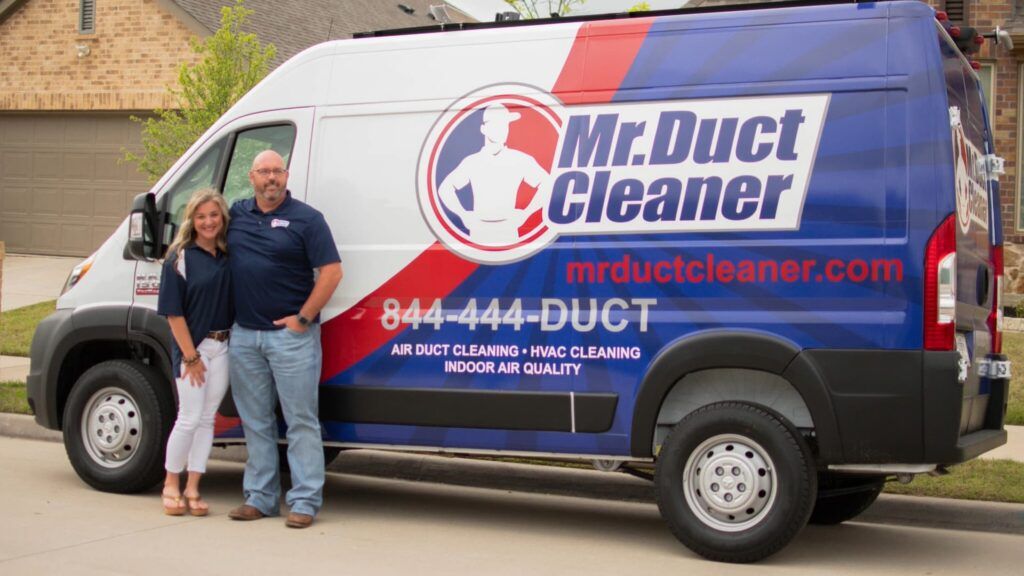



Mr. Duct Cleaner offers a mobile air duct and HVAC system cleaning franchise serving residential and commercial customers.
This Mr. Duct Cleaner Franchise Review examines startup costs, ongoing fees, training, territory rules, and daily responsibilities. Prospective owners should assess whether active supervision, customer communication, and referral relationship building match their ownership goals and fit.
This article is sponsored by Mr. Duct Cleaner and was created in partnership with the brand to provide accurate, compliance-safe information about its business model and franchise opportunity.
Nothing in this article should be considered legal, financial, or tax advice. Prospective franchisees should always review the most recent Franchise Disclosure Document (FDD) with qualified advisors before making an investment decision.
What is the Mr. Duct Cleaner franchise business model?
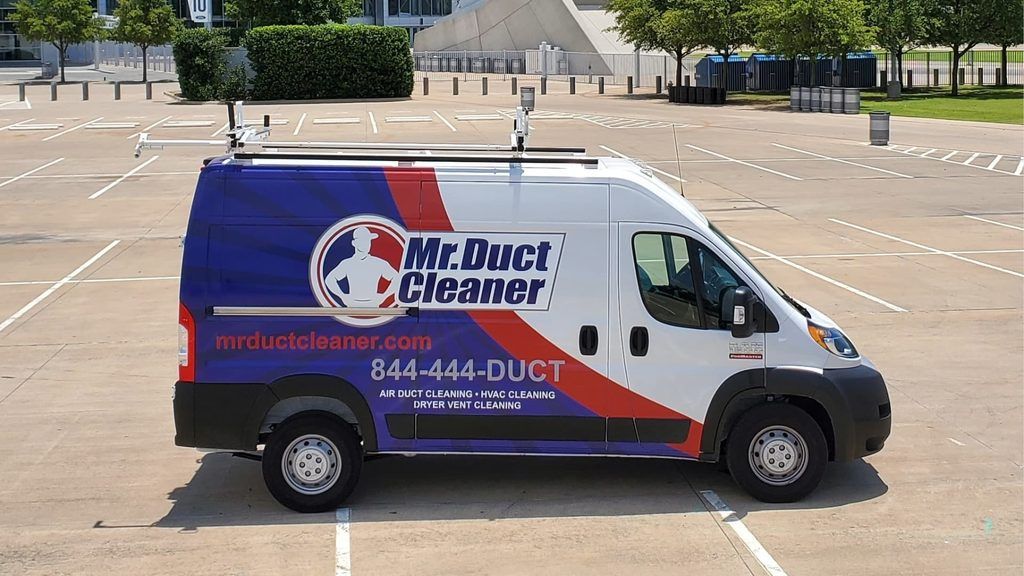
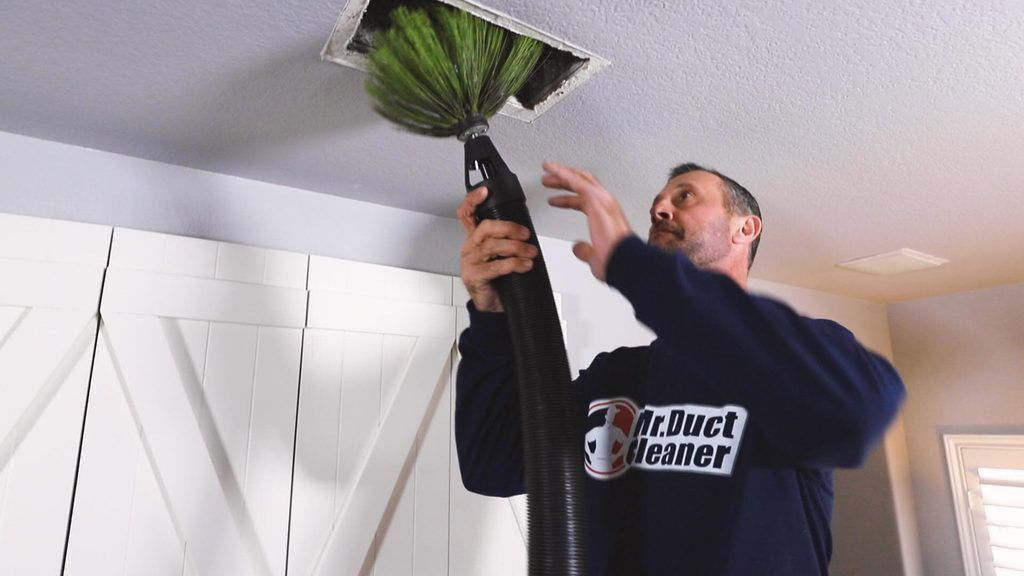
Mr. Duct Cleaner is a mobile air duct and HVAC system cleaning franchise serving residential and commercial customers. Owners operate within a franchise system that sets service procedures, equipment standards, and business requirements. The work combines technical-service oversight with customer care, estimating, scheduling, and local relationship building.
HVAC means heating, ventilation, and air conditioning. Cleaning these systems is distinct from offering every type of HVAC repair or installation.
The franchisor was formed in Texas in 2020. Founder Les Clow’s background includes general contracting, restoration, and reconstruction.
The franchise’s customer categories include homeowners, property managers, restoration companies, HVAC contractors, and commercial facilities. Some projects may involve subcontracting, where the owner performs cleaning work under another company’s contract.
Practical interpretation: candidates should assess more than the appeal of a mobile business. Consider whether you enjoy coordinating people, inspecting properties, explaining service limits, and following through on details.
How much does a Mr. Duct Cleaner franchise cost?
The Mr. Duct Cleaner franchise cost schedule for one territory lists an estimated initial investment of $108,800–$168,855, including a $59,500 initial franchise fee. Other expenses include equipment, vehicle arrangements, insurance, training travel, and startup operating funds. These estimates contain exclusions and should not be treated as a complete personal budget.
What startup costs does this Mr. Duct Cleaner Franchise Review include?
This Mr. Duct Cleaner Franchise Review uses the detailed single-territory startup schedule in the supplied official franchise documents. It does not substitute the different range in promotional materials. The document’s cover also presents a broader range, so candidates should request written clarification before relying on a final investment estimate.
| Startup cost: one territory | Low estimate | High estimate |
|---|---|---|
| Initial franchise fee | $59,500* | $59,500* |
| Equipment | $17,700* | $38,955* |
| Vehicle lease: initial three months* | $3,900* | $4,200* |
| Licenses, permits, deposits, and other prepaid expenses | $3,000* | $5,000* |
| Insurance | $3,000* | $7,500* |
| Training travel and accommodations | $1,500* | $3,500* |
| Additional funds: initial three months* | $15,000* | $45,000* |
| Smart Start allocation shown in the startup schedule | $5,200* | $5,200* |
| Total stated in the single-territory schedule | $108,800* | $168,855* |
Important context: These figures reflect startup and early operating needs only. They do not indicate financial performance or outcomes.
Two entries require extra care. The Smart Start allocation does not reconcile with its accompanying weekly-rate and coverage-period description. Insurance descriptions also differ between the table and explanatory notes.
The franchise’s notes identify further exclusions. Home-office equipment is not included, and the additional-funds estimate excludes employee compensation and personal living expenses. Certain licensing and insurance costs need separate confirmation.
Use the FBA startup budgeting calculator to organize estimates and questions. Then obtain local quotes for vehicles, insurance, licensing, equipment, and staffing before finalizing your budget.
What initial and ongoing franchise fees should buyers review?
Mr. Duct Cleaner charges an initial franchise fee plus recurring royalties, marketing contributions, technology fees, and support charges. A required outbound-calling program adds another launch obligation. Candidates considering buying a franchise should also review minimum royalties, payment-processing costs, and event-based charges rather than focusing only on the upfront fee.
| Fee | Disclosed amount or basis | Payment timing or condition |
|---|---|---|
| Initial franchise fee: one territory | $59,500* | At signing; nonrefundable |
| Royalty | 6%* of contract-defined Gross Volume, subject to minimums | Weekly |
| Marketing contribution | 2%* of contract-defined Gross Volume | Weekly |
| Technology | Currently $105* per week | Subject to change |
| Support services | Currently $165* per week | Required services; subject to change |
| Smart Start outbound calling | $200* per week per territory | Initially required for six months*; reinstatement provisions apply |
| Renewal | $5,000* | Subject to renewal requirements |
| Transfer | Greater of $15,000* or 5%* of the business purchase price | Subject to applicable transfer terms |
| Additional training | $500* per day | When applicable |
| Additional assistance | $500* per day | When applicable |
| Alternative-source review | $500* per item | Before review |
| Territory encroachment | $1,000* per violation | When applicable |
“Gross Volume” is the agreement’s defined fee-calculation base. Ask an advisor to explain what it includes and excludes.
The brand’s minimum-royalty schedule changes with territory count and time in operation. Request the applicable schedule and confirm how payments are calculated.
Renewal means continuing the franchise relationship after the initial term. Transfer means changing ownership under the agreement’s conditions. Both involve requirements beyond paying a fee.
Qualifying veterans and first responders may receive an initial-fee discount. Confirm eligibility and current terms directly.
What does a typical franchise owner’s day involve?
Mr. Duct Cleaner ownership involves coordinating fieldwork, communicating with customers, preparing estimates, and maintaining business records. Supplied brand materials describe owners using job-management technology while developing referral relationships. The exact workload depends on staffing, travel distances, project requirements, and how much service work the owner personally handles.
A practical operating checklist includes:
- Crew briefing: review addresses, access instructions, equipment, and job scope.
- Customer calls: confirm appointments and explain what the service includes.
- Property inspections: document conditions before preparing an estimate.
- Referral follow-up: respond to contractors and property-service contacts.
- Quality checks: review job records and address customer concerns.
- Administration: manage schedules, invoices, supplier bills, and required reports.
These tasks illustrate the work; they are not a promised daily timetable.
The franchise may serve commercial sites with access restrictions, facility contacts, and subcontractor paperwork. Ask to review a sample commercial project file and observe a residential appointment.
Customer communication also requires restraint. The EPA duct cleaning guidance does not recommend routine cleaning for every home or establish that duct cleaning prevents health problems. Service explanations should stay specific and evidence-based.
What training and support does Mr. Duct Cleaner provide?
Mr. Duct Cleaner franchise training includes technical and business instruction, preparation activities, and setup support. Official franchise documents describe approximately 40 hours of core training, with other onboarding tasks outside that total. Candidates should confirm attendance requirements, certification steps, delivery methods, and travel expenses before planning their launch.
The brand’s materials describe virtual instruction and in-person training in the Dallas area. However, the core training total does not necessarily include prerequisite study, certification, travel, or optional programs.
Official documents require NADCA membership and certification steps before in-person training. NADCA is the National Air Duct Cleaners Association. Ask who must qualify, which examination applies, and how completion is verified.
The franchise also describes coaching and continuing training resources. Request a demonstration of how owners seek technical help, train replacement technicians, and receive procedure updates.
Use the FBA franchise education webinar to prepare for these conversations. Bring specific questions about support availability, additional charges, and responsibilities that remain with the owner.
How do territories, premises, and licensing work?
Mr. Duct Cleaner assigns nonexclusive marketing territories, not exclusive protected territories. Official documents generally describe a minimum population of 250,000 and reserve specified competing activities. Although the mobile model can use a home office, candidates still need to verify local licensing, vehicle parking, storage, insurance, and business-address requirements.
A protected territory limits specified competition under a contract. That description should not replace the nonexclusive terms offered here.
The franchise’s territory review should cover the actual map, potential overlap, national accounts, advertising boundaries, and permission to work outside the assigned area.
“No storefront” does not mean “no premises requirements.” Check whether your proposed home office, vehicle parking, and supply storage comply with local rules and insurance conditions.
Licensing varies by jurisdiction and service. Some locations may require HVAC-related or other credentials. Training does not replace government authorization.
Available franchise territories in a specific ZIP code: Not disclosed. Request a current map and written confirmation from the franchisor.
Who is a practical fit for this franchise opportunity?
Mr. Duct Cleaner may fit an aspiring owner who enjoys customer service, organized follow-up, and direct supervision of a field team. Official documents require active operational involvement. Candidates should feel comfortable learning technical procedures, managing employees, maintaining records, and following required standards while building local professional relationships.
Consider how you would handle these responsibilities:
- Relationship building: maintain contact with referral partners.
- Team leadership: set expectations and resolve service problems.
- Process discipline: follow cleaning, equipment, and documentation procedures.
- Scheduling judgment: balance customer access, travel, and crew availability.
- Technical learning: understand service boundaries and certification requirements.
- Administrative follow-through: complete records, reviews, and required meetings.
This is an editorial fit assessment, not a complete admission checklist.
Minimum liquid-capital and net-worth thresholds: Not disclosed in the materials reviewed. Request current qualification criteria instead of assuming the startup estimate covers every requirement.
The FBA ownership fit assessment can help organize your preferences. Compare those preferences with franchisee accounts of hiring, training, customer complaints, and owner availability.
How should buyers compare this franchise with other business models?
Mr. Duct Cleaner should be compared through service scope, staffing, premises, territory terms, and owner responsibilities. A mobile cleaning business differs from storefront retail or broader technical-service operations. These differences help candidates assess daily work and contractual commitments; they do not make one ownership model universally preferable.
A useful comparison checklist includes:
- Services: required work and limits on optional offerings.
- Customers: residential appointments versus commercial project coordination.
- Premises: home-office suitability versus dedicated commercial space.
- Staffing: technical qualifications and supervision needs.
- Territory: exclusivity, overlap, exceptions, and advertising restrictions.
- Support: required systems, assistance procedures, and additional charges.
The franchise’s fit becomes clearer when every option is evaluated using the same questions.
Start by using compare franchise opportunities, then seek FBA franchise evaluation guidance for a structured discussion.
The FTC franchise buying guide provides independent evaluation guidance. Candidates generally must receive the disclosure document at least 14 days before signing or paying the franchisor or an affiliate.
What questions do prospective franchise buyers frequently ask?
Mr. Duct Cleaner candidates often ask about experience, home-based operation, territory rights, owner involvement, and opening requirements. The answers below summarize the business model and identify practical checks. Before buying a Mr. Duct Cleaner franchise, review the latest official documents with qualified advisors and confirm unresolved details directly.
Do I need previous duct cleaning experience?
Mr. Duct Cleaner’s supplied brand materials state that previous industry experience is not required. Candidates must still complete applicable training and certification requirements and satisfy local licensing rules. Owners also need to understand service procedures, supervise technicians, and recognize work that requires additional authorization or specialist assistance.
Can I operate this franchise from home?
Mr. Duct Cleaner encourages a small home office, and its mobile service model does not depend on a customer-facing storefront. Owners still need suitable equipment, communications, vehicle arrangements, and compliant storage. Confirm zoning, insurance, association rules, and the proposed business address before treating home-based operation as approved.
Does the franchise offer an exclusive territory?
Mr. Duct Cleaner does not grant an exclusive territory under the supplied official franchise documents. A designated marketing area does not prevent every form of competing activity or overlap. Review the proposed map, national-account rules, advertising boundaries, and cross-territory permissions before accepting an offered location.
Can I hire a manager and remain hands-off?
Mr. Duct Cleaner requires owners or designated principals to directly perform or supervise operations under the supplied official documents. Certain training, reviews, and meetings also require owner participation. Hiring employees does not remove these obligations, so candidates seeking passive ownership should clarify expectations before submitting an application.
How long does opening a franchise take?
Mr. Duct Cleaner’s official documents describe an expected opening window of 30–90 days after signing, subject to requirements and contractual provisions. Faster promotional statements should not replace a written launch plan. Confirm licensing, certification, equipment delivery, insurance, training, and approval to begin work before setting an opening date.
What should you do before buying a Mr. Duct Cleaner franchise?
Mr. Duct Cleaner deserves further evaluation when its daily responsibilities match your ownership goals and availability. Before proceeding, request current franchise information, verify territory terms, and resolve startup-cost inconsistencies in writing. Conversations with current and former franchisees should focus on operating tasks, training readiness, staffing, and support.
The franchise’s evaluation process should include an operational walkthrough and a document review with qualified advisors. Ask each franchisee similar questions so you can compare experiences without treating one account as universal.
Use attend FranPath Live to support your ownership education. Bring a checklist covering local licensing, opening requirements, territory boundaries, recurring charges, and owner responsibilities.
Ready to take the next step? The Franchise Brokers Association connects aspiring owners with the guidance, tools, and franchise options they need to make a confident, informed decision. Whether you are still exploring or ready to move forward, explore franchise opportunities with the support of an experienced FBA consultant.