


How franchise brokers build a personal brand that turns visibility into referrals inside the FBA network.
This article is for educational and informational purposes only and is intended for franchise experts. It does not constitute legal, financial, tax, or investment advice. It should not replace expert counsel. Franchise brokers should consult qualified legal and financial advisors. They should also follow all applicable laws, registration requirements, and compliance guidelines when marketing their services.
Franchise brokers build a strong personal brand within the FBA ecosystem in three steps. First, they choose a clear area of focus. Then, they show up always with useful content. Finally, they let FBA’s tools and network amplify that visibility.
Candidates and franchisors more and more choose to work with a specific person they trust, not an anonymous directory listing. This article breaks down what that means in practice and how to start building it today.
Why Does Personal Branding Matter for Franchise Brokers?
Personal branding matters because candidates choose people, not just platforms, when they decide who to trust with a major financial decision. According to Forbes research on franchise personal branding, consumers more and more prefer to engage with individuals first. In fact, a large share of buyers say they are more likely to work with someone who has a known, credible personal brand. This same dynamic applies directly to franchise brokerage. Trust and perceived expertise drive referrals far more than a generic company name.
Also, franchise brokers operate in a crowded field. After all, anyone entering the profession can access the same brand portfolio and tools. As a result, a broker’s difference more and more comes from how they are known, not just what they offer. For example, a broker known as “the senior care specialist” earns referrals that a generic listing never will. Similarly, “the go-to person for first-time franchise buyers” is a much stronger identity than “just another broker.”
For a foundational understanding of the broker role itself, see FBA’s Become a Franchise Broker page and The Journey to Becoming a Franchise Broker.
What Does “Just Another Broker” Actually Look Like?
“Just another broker” has no clear specialty, no consistent visibility, and no distinct point of view. Candidates forget this broker within days of a first call. However, this is not a reflection of skill or work ethic. Instead, it is a branding and visibility gap.
Specifically, common signs of this pattern include:
- No defined niche. The broker presents every brand in the portfolio to every candidate, with no clear point of view on who they serve best.
- Invisible online presence. A thin or outdated LinkedIn profile, no published content, and no searchable footprint beyond a directory listing.
- Reactive, not proactive, positioning. The broker waits for candidates to be assigned rather than attracting inbound interest through visible expertise.
- Interchangeable messaging. Marketing language mirrors what every other broker says, with nothing distinct about how or for whom they work.
Still, the goal of personal branding is not to abandon FBA’s shared systems and resources. Instead, it is to build a known identity on top of them. That way, referral sources, candidates, and even franchisors think of a specific person first.
How Do Franchise Brokers Build a Personal Brand Through Niche Focus?
Franchise brokers build a personal brand by choosing a niche. This gives referral partners, candidates, and FBA’s own network a clear reason to think of that broker first. FBA’s own guidance on industry trends confirms this directly. Brokers who become known for serving a specific type of candidate, or for understanding a specific category, often build a stronger advisory identity over time. By contrast, brokers who try to serve everyone equally tend to blend into the background.
Overall, three proven areas of focus stand out for franchise brokers.
1. Category expertise. Some brokers build deep knowledge in a specific sector, such as senior care and home services, where long-term population demand is reshaping buyer interest. Consequently, becoming the broker who understands the operating realities, staffing patterns, and financial nuances of a category creates a durable competitive edge.
2. Candidate-type expertise. Other brokers specialize by who they serve rather than what they sell. For instance, younger, first-time buyers often benefit from a more education-driven and digitally responsive brokerage experience. Meanwhile, multi-unit-minded candidates need a broker prepared to discuss territory structure, support systems, and long-term growth planning.
3. Process or philosophy expertise. Some brokers differentiate through their process itself. Examples include a rigorous discovery framework, a compliance-first approach to broker conversations, or a specific method for guiding candidates through the FDD. For a deeper look at compliance-focused positioning, see Avoiding Common Compliance Mistakes in Broker Conversations and FDD Explained: A Broker’s Guide for Franchise Candidates.
Choosing a niche does not mean turning away candidates outside that focus. Rather, it means having a clear, memorable answer when someone asks, “What do you do?”
How Should Brokers Build a Personal Brand Online?
Brokers should build a personal brand online by treating their expert profile as a body of evidence, not a resume. This applies especially to LinkedIn. Harvard Business School’s framework on personal branding recommends building an online identity around a clear value proposition, real credentials, and a consistent narrative. In other words, that identity should not be tied entirely to a single employer or brand relationship.
Next, four practical steps apply directly to franchise brokers.
Optimize the profile first. A expert headshot matters. Also, the headline should state the specific value provided, not just the job title. A summary section explaining who the broker serves, and how, matters even more than most brokers assume. For example, a headline like “Helping first-time buyers find their right-fit franchise | FBA Broker” communicates far more than “Franchise Broker” alone.
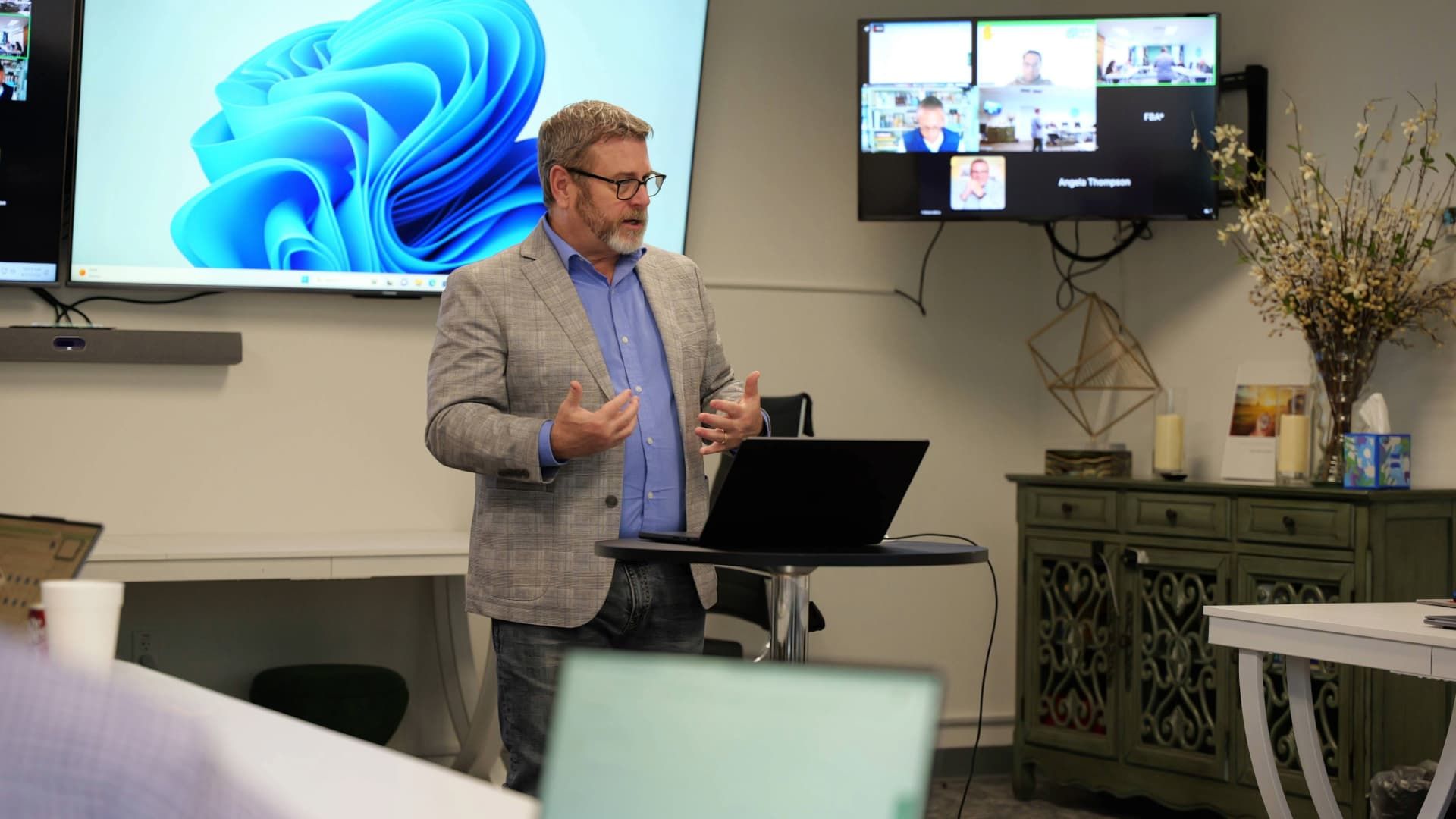
Publish always, not occasionally. Sharing insights, industry trends, and lessons learned on a regular cadence builds recognition over time, even at once or twice a week. FBA’s own Franchise Broker Industry Trends article is a useful example. It shows the kind of market-context content that positions a broker as informed and current, and it can serve as a model for a broker’s own commentary.
Share a point of view, not just information. Restating industry news is less powerful than adding perspective to it. For instance, a broker who explains what a new regulatory development actually means for candidates demonstrates expertise far more convincingly than a broker who simply reposts the news.
Engage before self-promoting. Building relationships with referral partners, other brokers, and franchisor development teams starts with thoughtful comments and genuine engagement. This builds more trust over time than direct self-promotion. In short, give value before asking for visibility in return.
What Role Does FBA’s Ecosystem Play in Amplifying a Broker’s Brand?
FBA’s ecosystem plays a critical role in boosting a broker’s personal brand. It provides the tools, data, and platform visibility that make consistent, credible content easier to produce and easier to find. In other words, building a personal brand does not mean building it alone.
The AI BOS Assistant streamlines the content and research behind the brand. FBA’s AI BOS Assistant is designed to streamline research, marketing, and candidate matching. As a result, it frees up time that brokers can spend again in visibility-building activities like writing, networking, and community engagement.
FBA’s Brokers Operating System supports the consistency personal branding requires. A known brand is built on consistency. FBA’s Brokers Operating System provides the workflow structure that makes daily and weekly follow-through achievable, rather than merely a hope only.
FBA’s data and vetted brand access support trust claims. According to FBA’s membership resources, FBA members have access to more franchise data than most independent brokers can gather alone. Referencing real data and vetted insight, rather than general claims, is part of what separates a credible personal brand from marketing noise.
FBA’s blog and educational content give brokers material to build on. Resources like Franchise Candidate Red Flags Every Broker Should Know and Reading the Market: Using Industry Trends to Guide Candidates can inform a broker’s own commentary, social posts, or client conversations. This gives brokers a running start rather than a blank page.
How Do Brokers Turn Visibility Into Trust and Referrals?
Brokers turn visibility into trust and referrals by pairing consistent content with real proof points. These include candidate outcomes, category insight, and responsiveness that referral partners can rely on. However, visibility alone does not generate business. Visibility paired with demonstrated reliability does.
Document real learning, not just wins. Sharing a lesson learned from a difficult candidate conversation builds more trust than only sharing success stories. Similarly, describing a mismatch that was avoided through good discovery adds trust. According to widely cited personal branding research, authentic, specific stories always outperform generic promotional posts.
Respond quickly and visibly. Referral partners remember brokers who respond quickly and communicate clearly. This applies to other brokers, past candidates, and FBA staff alike. Otherwise, a personal brand built on visible content but undermined by slow follow-through will not convert into consistent referrals.
Ask for and highlight social proof. For example, testimonials from placed candidates are some of the most persuasive assets a broker can use, as long as they comply with FBA and franchisor guidelines. FBA’s own Franchise News and Success Stories page shows how the organization curates and presents this kind of proof at scale. Before publishing any client testimonial, confirm it aligns with applicable FDD and compliance requirements. Avoid any language that could be read as a financial performance claim.
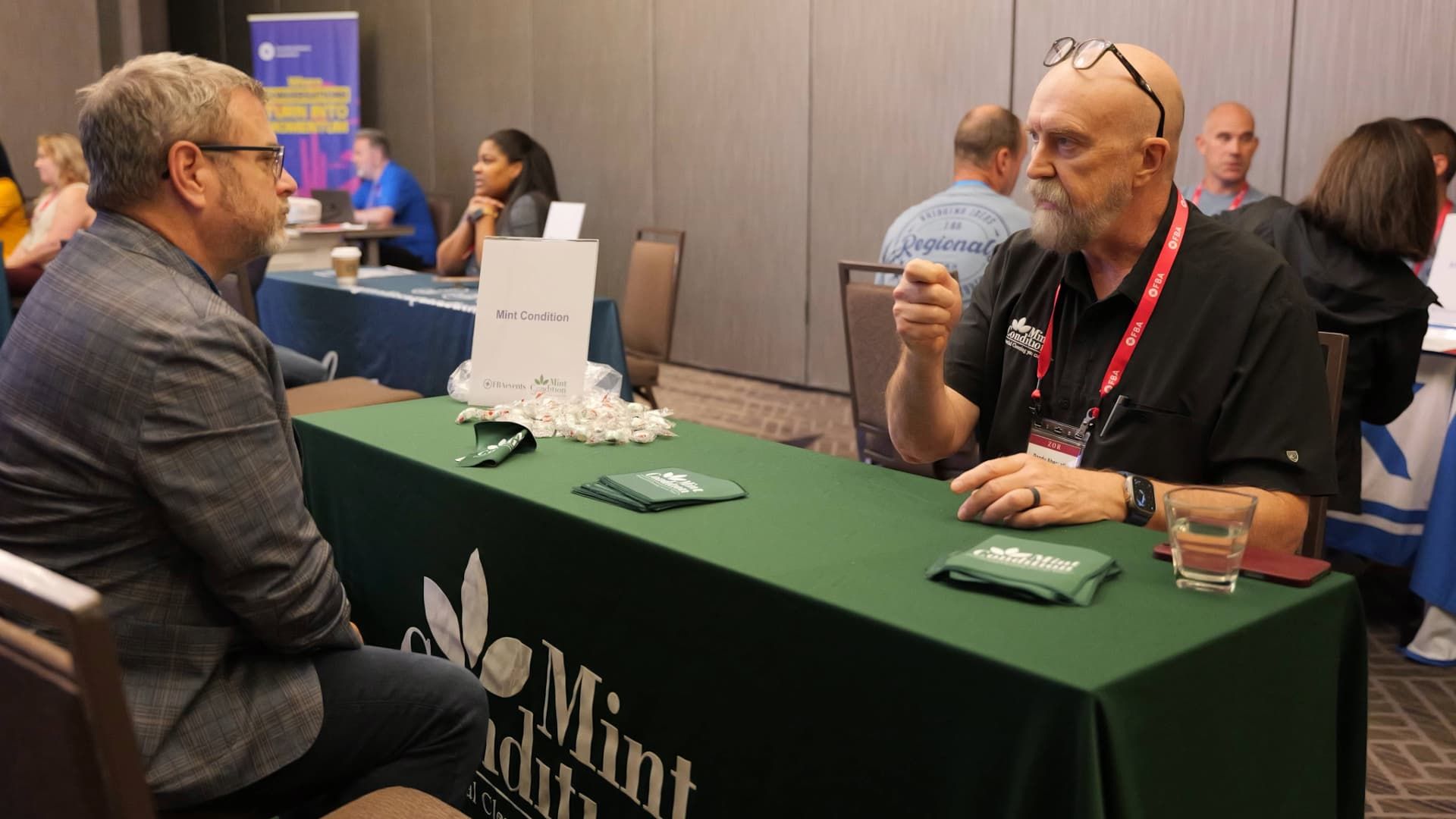
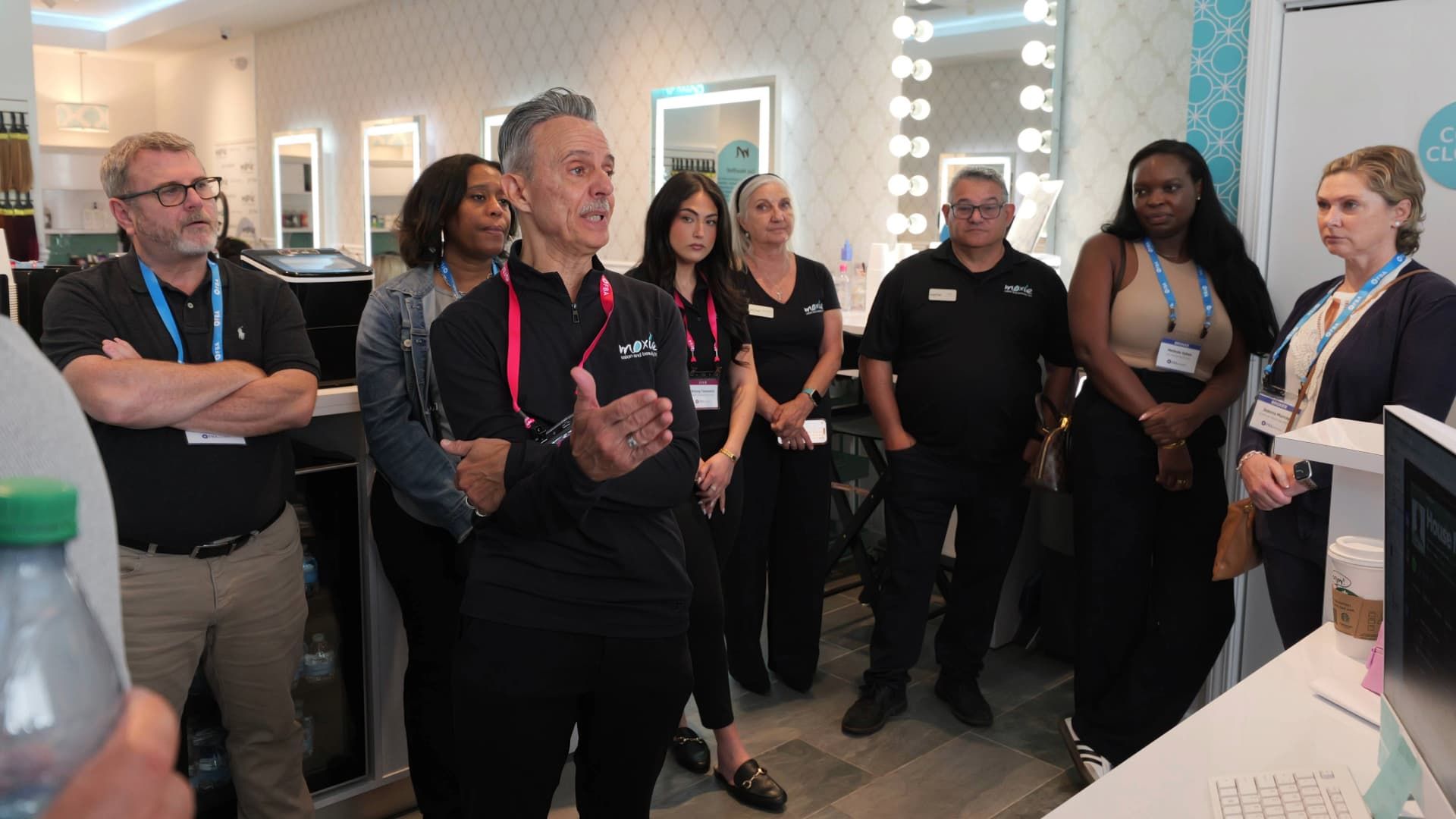
Show up where the community already is. Participating actively in FBA events, broker forums, and franchisor conversations extends a broker’s visibility far beyond their own individual network. Overall, a strong personal brand grows faster inside an active community than in isolation.
What Mistakes Should Brokers Avoid When Building a Personal Brand?
Brokers should avoid three common mistakes: overclaiming results, neglecting compliance, and mistaking self-promotion for value creation.
Mistake 1: Overclaiming results or making implied earnings promises. Personal brand content must stay within the same compliance boundaries that govern all broker communications. For example, referencing a candidate’s outcome without proper context risks violating the FTC’s Franchise Rule Compliance Guide. Brand-building content should educate and demonstrate expertise. It should never imply guaranteed performance.
Mistake 2: Treating personal branding as occasional, not habitual. However, a profile update followed by three months of silence does not build a personal brand. Instead, consistency compounds over time, even in small increments. Sporadic bursts of activity simply cannot replicate that effect.
For a broader look at how brokers differentiate themselves through substance rather than sales language, see The Truth About Franchise Consultants: What Sets Us Apart.
Mistake 3: Confusing volume of self-promotion with genuine value. For instance, a feed full of “I closed another deal” posts, without insight, reads as noise rather than authority. By contrast, the brokers who build the strongest personal brands always lead with value for their audience. Their track record supports that value; it does not replace it.
How Can a Broker Start Building Their Personal Brand This Month?
A broker can start building a personal brand this month with a simple order. First, pick one niche. Then, update one core profile. Next, publish one piece of original insight per week. Finally, engage daily with the FBA community.
- Choose one clear area of focus. It can be a category, a candidate type, or a process philosophy. Write it down in one sentence: “I help find the right franchise by .”
- Rewrite the LinkedIn headline and summary to reflect that focus, rather than a generic broker title.
- Commit to one piece of original content per week. Draw on real experience, FBA’s blog and trend resources, or lessons from recent candidate conversations.
- Engage with the FBA community and referral network daily. Even small actions, like comments, shares, and thoughtful replies, build recognition before content alone ever could.
- Track results over 90 days. Watch for increases in inbound candidate inquiries, referral conversations, and profile visibility. Then, refine the focus based on what resonates.
Brokers who follow this order always move from being an interchangeable name on a roster to becoming the specific person candidates and referral partners think of first.
Key Takeaways for FBA Brokers
- A personal brand is what makes candidates and referral partners think of a specific broker first, rather than treating them as interchangeable.
- Choosing a niche—by category, candidate type, or process—creates a clearer, more memorable identity than trying to serve everyone equally.
- FBA’s AI BOS Assistant, Brokers Operating System, and educational content give brokers the tools and time to build visibility always.
- Visibility only converts to referrals when paired with real proof points: responsiveness, documented outcomes, and genuine expertise.
- All personal brand content must stay within FTC Franchise Rule and FBA compliance guidelines—education and insight, never implied earnings claims.
FAQ — Personal Branding for Franchise Brokers
Why do franchise brokers need to build a personal brand within the FBA ecosystem?
FBA provides tools, training, and vetted opportunities. However, candidates and referral partners still choose to work with a specific person they trust. Therefore, a personal brand is what makes a broker memorable and referable within that shared ecosystem.
What is the fastest way for a broker to start building a personal brand?
Choose one clear area of focus, update the LinkedIn headline and summary to reflect it, and commit to publishing one piece of original insight per week. Overall, consistency over 90 days matters more than any single post or profile change.
Can a franchise broker specialize in a category and still present other brands?
Yes. Specializing in a category, such as senior care or home services, builds a stronger reputation and referral pattern. However, it does not require turning away candidates whose needs fall outside that focus.
What compliance issues should brokers watch for when building a personal brand?
Brokers must avoid implying guaranteed earnings or referencing candidate outcomes in ways that could be read as a financial performance claim. Specifically, all personal brand content should stay within FTC Franchise Rule guidance and applicable state registration and disclosure requirements.
How does FBA support brokers in building their personal brand?
FBA supports brokers through tools like the AI BOS Assistant and Brokers Operating System. These free up time for visibility-building work. In addition, FBA’s educational content and trend analysis give brokers a foundation for their own commentary and thought leadership.