

This Corporate Caterers franchise review explains what owning a unit of this business-to-business breakfast and lunch catering brand involves. It covers the disclosed startup estimate, ongoing fees, training, territory terms, and owner obligations. It also lists questions to resolve with the franchisor and your own advisors.
About this article. Corporate Caterers is a paying member of the Franchise Brokers Association (FBA), and this article is provided as a benefit of that membership. FBA is paid by the franchisors it works with, and FBA brokers earn a commission when a candidate they work with buys a franchise. Verify the costs, fees, and requirements described here against the latest available Franchise Disclosure Document (FDD) for Corporate Caterers, and review it with a franchise attorney before investing.
What is Corporate Caterers, and how is the franchise structured?
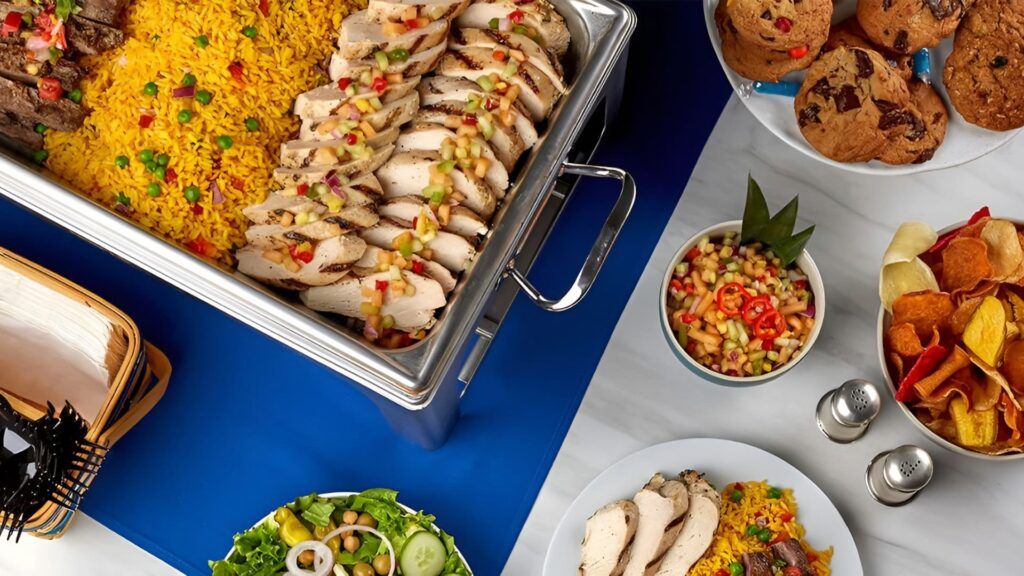
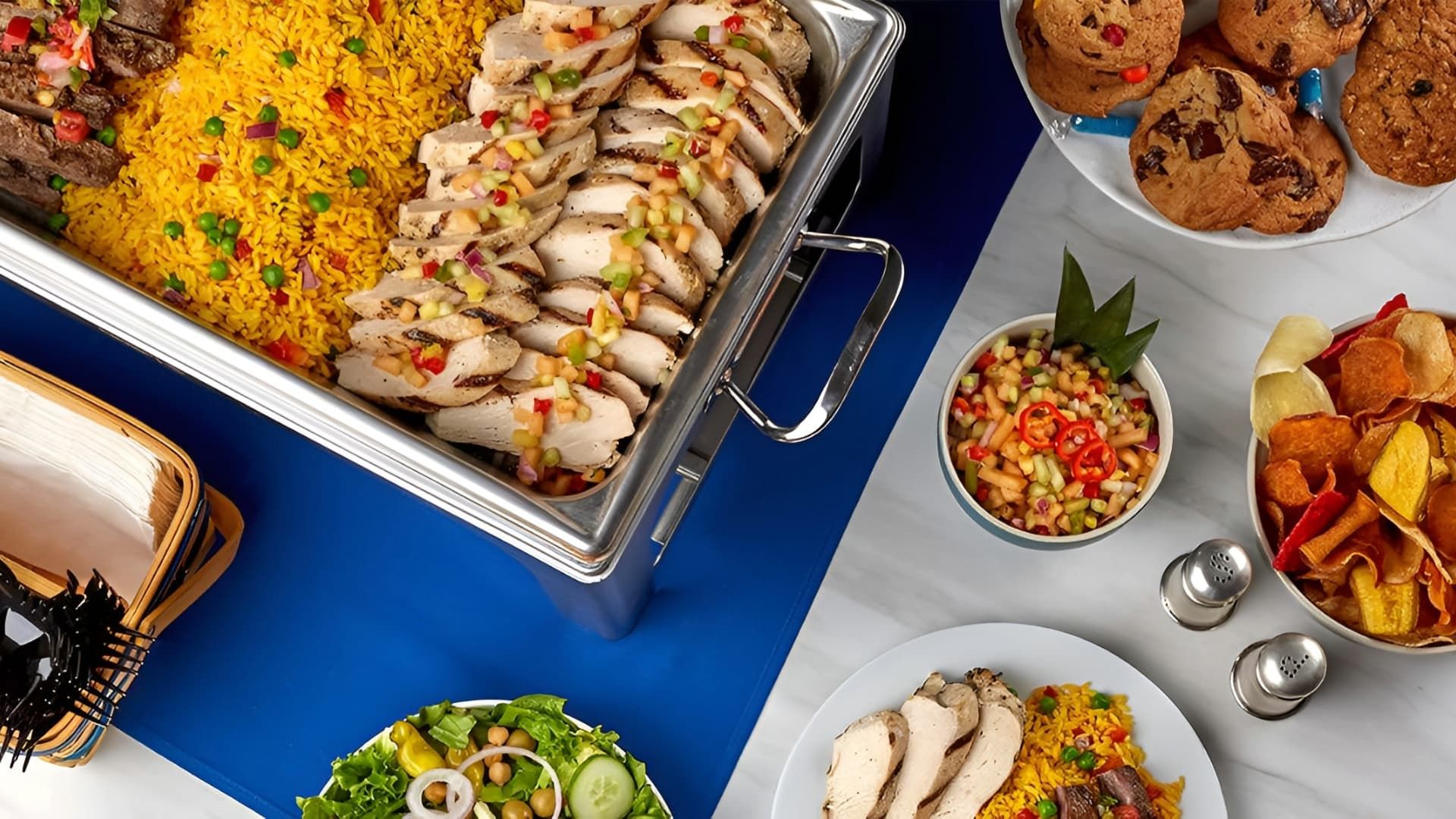
Corporate Caterers prepares breakfast and lunch and delivers it to business and commercial office customers. The franchise is offered by Corporate Caterers Franchisor, LLC, a Miami-based company. Each franchise agreement covers one catering business operating from one approved kitchen location inside an assigned area.
According to the brand’s franchise history page, Dennis McGinley and Jim Gass started Corporate Caterers in Miami in 1997. The reviewed franchise documents explain that a predecessor company sold franchises from 2007 until 2017. The current franchisor took over the existing agreements after a 2017 acquisition. Greg Halton has served as President and CEO since then, and Lawrence Powell leads franchise sales and development.
Official brand materials state that it serves professional business functions only, with no evenings, weekends, or social events. The reviewed franchise documents describe catering breakfast and lunch to businesses, with no alcohol served. Business hours are set through the operations manuals. Ask how the weekday-only model appears in your own obligations.
The system is small. At the end of the most recent reporting year, the documents list 14 franchised outlets and 2 company-affiliated outlets. Franchised units operated in Arizona, California, Florida, Michigan, Minnesota, Ohio, and Texas. Total outlets declined over the three reported years, and no unopened agreements or projected openings were listed.
How much does a Corporate Caterers franchise cost?
The reviewed franchise documents estimate a total initial investment of $129,400 to $208,200. That includes a $29,900 initial franchise fee paid to the franchisor. The estimate excludes real estate and rent, which the documents list as variable. The franchisor does not offer financing, so FBA’s franchise financial calculator is a useful first step in gauging how much you can fund.
An estimated initial investment is the franchisor’s projection of what it costs to open and run through an early period. It is not a quote, and actual costs vary by market.
These figures come from the brand’s Franchise Disclosure Document (FDD), the disclosure franchisors must give buyers at least 14 days before signing. The FTC’s consumer guide to buying a franchise explains how to read one.
Estimated initial investment
| Expense category | Low estimate | High estimate |
|---|---|---|
| Initial franchise fee | $29,900* | $29,900* |
| Real estate | Varies | Varies |
| Leasehold improvements | $0* | $10,000* |
| Lease deposits | $0* | $10,500* |
| Equipment package | $15,000* | $40,000* |
| Office and phone equipment | $1,000* | $3,000* |
| Computer system (hardware) | $1,500* | $3,000* |
| Accounting and management software | $9,400* | $12,000* |
| Insurance | $1,000* | $2,000* |
| Inventory | $12,500* | $14,000* |
| Training | $2,600* | $3,000* |
| Internet maintenance | $500* | $500* |
| Professional fees | $2,500* | $4,000* |
| Delivery vehicle | $0* | $1,300* |
| Rent | Varies | Varies |
| Business development | $28,500* | $35,000* |
| Additional funds (3 months) | $25,000* | $40,000* |
| Total estimated initial investment | $129,400* | $208,200* |
For the most accurate and current information, review the latest Franchise Disclosure Document (FDD) for Corporate Caterers with qualified advisors. Startup estimates are not historical operating results.
Important context: These figures reflect startup and early operating needs only. They do not indicate financial performance or outcomes.
The equipment estimate rests on 2019 Florida costs, and space assumptions draw on South Florida leasing conditions, so price both locally.
The franchise fee has narrow refund terms. The franchisor will refund up to 75% if no approved site is secured within 90 days of signing. It will refund up to 50% if training is not completed satisfactorily and the agreement ends. Otherwise, the fee is not refundable.
What ongoing fees apply?
The main recurring fees are a royalty, an ongoing payment for using the brand and system, and a marketing contribution, which funds system-wide advertising. Both are calculated on Gross Sales and paid weekly. The table describes each fee only by its calculation basis.
| Fee | Amount or calculation basis | Timing | Important conditions |
|---|---|---|---|
| Royalty | 5%* of Gross Sales | Weekly, by electronic funds transfer | A shortfall royalty applies if annual Gross Sales fall below a $450,000* contractual minimum after the third calendar year; it equals 5%* of the difference |
| System-wide marketing fee | 2%* of Gross Sales | Weekly | May rise to no more than 3%* during the initial term, on 60 days’ notice |
| Local advertising | At least 1%* of Gross Sales | Periodically | Spent by the franchisee with outside vendors, not paid to the franchisor |
| Advertising cooperative | Set by the cooperative | Periodically | No cooperatives established yet; contributions would count toward local spending |
| Procor software fee | $525* per month or $6,300* per year | 30 days after billing | Covers required software maintenance and support |
| Marketing automation fee | $150* to $300* per month | If introduced in the future | Not currently charged |
| Internet page and intranet fees | Up to $400* and $500* per year | If introduced in the future | Not currently charged |
| Additional trainees | $5,000* per person | 1 week before training | Two people are trained at no fee |
| Transfer fee | $10,000* | Before transfer is confirmed | Paid by the transferee |
| Renewal fee | 25%* of the then-current initial franchise fee | At signing of the renewal agreement | Renewal terms may differ |
| Infringement fee | 15%* of Gross Sales from a customer in another franchisee’s area | 30 days after billing | Paid to the other franchisee |
For the most accurate and current information, review the latest Franchise Disclosure Document (FDD) for Corporate Caterers with qualified advisors. Startup estimates are not historical operating results.
The minimum Gross Sales requirement deserves attention. The documents list failure to meet it as a default that can lead to termination, and the state risk page warns it may cost territorial rights. Ask how the franchisor has applied this clause in practice. The franchisor may provide financial performance information in Item 19 of the FDD; consult the document with a qualified advisor.
What does a Corporate Caterers owner do day to day?
The owner runs a commercial kitchen and delivery operation. Responsibilities include supervising food production, managing drivers, overseeing sales outreach, and following brand recipes and procedures. The franchise documents require a full-time Operating Principal unless the franchisor approves a separate manager.
The Operating Principal is the person who directs the business and signs contracts. If you buy through a company, this person must own at least 51% of it. The Operating Principal must sign a personal guaranty and complete initial training.
Several documented requirements shape daily work:
- Sales development. A required Business Development Agreement calls for hiring a business development representative within 30 days after opening. It also requires following a business development plan for at least six months. The plan includes direct mail lists, collateral, email marketing, and setting up an ezCater account.
- Menu and pricing rules. Owners may sell only approved menu items prepared to brand recipes. The franchisor may suggest prices and reserves the right to set minimum and maximum prices.
- Supplier controls. The franchisor estimates that 60% to 90% of purchases will come from approved suppliers. It may receive rebates from suppliers.
- Technology. Owners must use the Procor system, QuickBooks, and specified hardware. The franchisor has independent access to the data.
- Health and safety reporting. Copies of health inspection reports must reach the franchisor within three days.
- Vehicles and insurance. A delivery vehicle is required, and drivers must agree to show proof of auto insurance on request.
The brand describes a sample schedule on its franchise site. The kitchen starts around 6:00 AM, orders and invoicing begin around 8:00 AM, drivers leave around 10:00 AM, and they finish around 4:00 PM. This is the brand’s illustration, not a contractual schedule or a verified owner experience. Ask current owners how closely their weeks match it.
Because the owner manages both a kitchen and a sales function, the scope of training and support matters.
What training and support does Corporate Caterers provide?
The reviewed franchise documents describe about four weeks of initial training. Roughly two weeks take place at corporate facilities in Miami, and about two weeks take place at the franchisee’s kitchen. Ongoing support is described as available assistance, and many costs remain with the franchisee.
Initial training. The Miami portion covers operations, food preparation, delivery logistics, purchasing, cost controls, accounting, and marketing. The on-site portion applies those topics in your own kitchen. The franchisor also commits to up to 10 days of on-site training before opening or during the first year. Training is held two to three times a year, and Warren Jones, VP of Operations, oversees the program.
Two people train without a fee. You pay travel, lodging, meals, and wages. If your primary cook has no commercial cooking experience, that person must complete two weeks of commercial cooking training. It is free at headquarters or $5,000 if delivered at your location.
Ongoing support. After opening, the documents describe additional training as the franchisor decides, periodic meetings and seminars, written operating guidance, software support, and site inspections. The franchisor manages the marketing fund and decides how it is spent, with no obligation to spend in any particular market. The brand describes monthly workshops and marketing webinars. Ask for the current calendar and which costs you would cover.
Support does not shift employment duties. The documents state that the franchisee remains the sole employer and is responsible for adequate staff training.
What territory and location conditions apply?
Each franchisee receives an Assigned Area with a population of at least 200,000, unless the franchisor decides otherwise. The reviewed documents state that this is not an exclusive territory, though protections apply while the franchisee is in good standing.
Territory protection means the contract limits who else can operate in your area. Here, the franchisor agrees not to place another Corporate Caterers franchise in your Assigned Area while you are in good standing. The franchisor keeps rights outside your area and under other trademarks. You may not solicit customers outside your area. Serving a customer in another franchisee’s area requires paying that franchisee a 15% infringement fee.
The brand’s franchise site describes territories as exclusive and based on populations of at least 750,000. The disclosure documents use different language and a lower floor. The contract governs, so confirm the exact boundaries, population, and protections in writing before signing.
Site selection. Owners must secure an approved site within 90 days and open within nine months. The franchisor estimates six to nine months from signing to opening. Preferred sites are in-line shopping center spaces or converted freestanding buildings in busy business areas, often former restaurant space. The franchisor provides site criteria, approves the site and lease, and offers one to three free site evaluations depending on distance from Miami.
Term and renewal. The initial term is 10 years, with up to three 10-year renewals if you are not in default. Renewal may require remodeling, retraining, and signing a new agreement with different terms.
Who may be a good fit for a Corporate Caterers franchise?
The documented requirements center on a full-time Operating Principal who signs a personal guaranty and completes training. Beyond that, the model may suit people who prefer business-to-business sales and daytime kitchen work. Fit depends on your goals, resources, and comfort with the obligations above.
No minimum net worth or liquid capital requirement was verified in the sources reviewed.
Preferences that may align with the model:
- Comfort recruiting and supervising kitchen staff and drivers.
- Interest in building relationships with office managers, administrators, and other business buyers.
- Willingness to lead a sales effort rather than rely on walk-in traffic.
- Comfort following set recipes, approved suppliers, and franchisor reporting rules.
If you are unsure how strongly these preferences describe you, FBA’s free Zorakle assessment profiles your entrepreneurial traits and suggests franchise models that match them.
The brand says culinary skill is not essential. The documents still require commercial cooking experience or extra training for your primary cook.
How does this model compare with other food-service business types?
Corporate Caterers sits between a restaurant and a traditional caterer. It runs a production kitchen with delivery and setup, but no dining room. This comparison covers general business types, not specific brands.
- Dine-in or quick-service restaurant: With no storefront traffic, demand depends on outbound sales to businesses rather than visibility. The brand says this can reduce location costs.
- Social and event catering: The brand excludes weddings, parties, and weekend events, which narrows customers to business accounts.
- Delivery-only kitchen: Both serve off-site customers. Corporate Caterers adds setup and cleanup and requires a dedicated business development effort.
If you are still weighing food service against other industries, FBA’s franchise webinar covers how to choose the business type that fits you.
What should you verify before moving forward?
Prioritize the open questions that affect your risk and your ability to operate in your market. These points deserve direct answers from the franchisor and from current and former owners.
- State registration. The document’s state effective-dates page lists no registration states. If you live in a state that requires franchise registration, confirm the franchise can legally be offered to you.
- Franchisor financial condition. A required risk page warns that the parent company’s financial condition calls into question its ability to support franchisees. Review the audited statements with an accountant.
- Outlet trends. Ask why the system shrank across the reported years and what growth plans exist.
- Territory language. Reconcile the brand’s “exclusive” description with the non-exclusive Assigned Area in the documents.
- Minimum sales clause. Ask how often the franchisor has enforced it and on what terms.
- Owner conversations. The franchisor states some current and former owners signed confidentiality provisions. Ask which owners can speak openly.
- Dispute resolution. Disputes are mediated and arbitrated in Miami under Florida law, subject to state law.
- Training staffing. Confirm whether a second manager or cook must attend training, because the documents describe this both as required and as recommended.
Take these questions to a qualified franchise attorney and accountant, and to the franchisor’s development team. An FBA franchise consultant can help you work through them and compare this model with others that fit your goals.
Corporate Caterers franchise FAQs
What is the total investment for a Corporate Caterers franchise?
The reviewed franchise documents estimate $129,400 to $208,200, including the $29,900 franchise fee. Real estate and rent are excluded and vary by market.
What are the royalty and marketing fees?
The royalty is 5% of Gross Sales and the system-wide marketing fee is 2% of Gross Sales, both paid weekly. Owners must also spend at least 1% of Gross Sales on local advertising. A shortfall royalty applies if annual Gross Sales fall below a contractual minimum after year three.
Does Corporate Caterers offer exclusive territories?
Not according to the disclosure documents. The Assigned Area is protected from another Corporate Caterers franchise while you are in good standing, but it is not exclusive. Brand marketing describes territories as exclusive, so confirm the contract terms.
How long is Corporate Caterers training?
About four weeks: roughly two in Miami and two at your kitchen. Two trainees attend without a fee, and you cover travel and wages.
Do I need restaurant or culinary experience?
The reviewed documents do not list prior industry experience as an owner requirement. They do require commercial cooking experience or extra training for the primary cook.
Is Corporate Caterers worth investigating further?
The model may suit candidates who want a weekday, business-to-business food operation and are prepared to lead both a kitchen team and a sales effort. The most consequential questions involve the minimum sales clause, the non-exclusive territory language, the parent’s financial condition, recent outlet declines, and state registration.
Resolve those with the franchisor, current owners, and your advisors before committing. If you are still defining what you want from ownership, a free FranPath Live session focuses on matching your goals to the right franchise brand.
Ready to take the next step? The Franchise Brokers Association connects aspiring owners with the guidance, tools, and franchise options they need to make a confident, informed decision. Whether you are still exploring or ready to move forward, explore franchise opportunities with the support of an experienced FBA consultant.