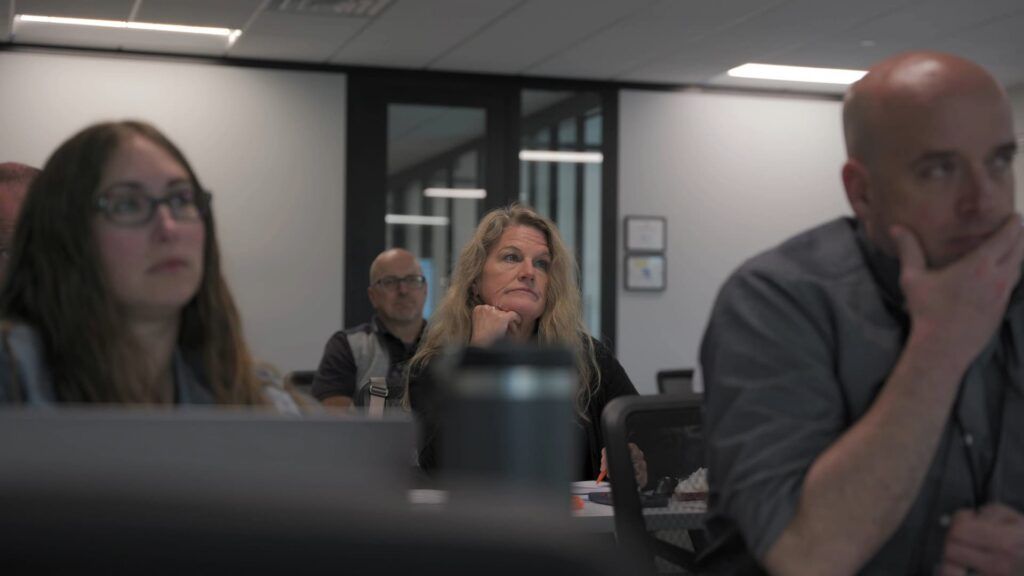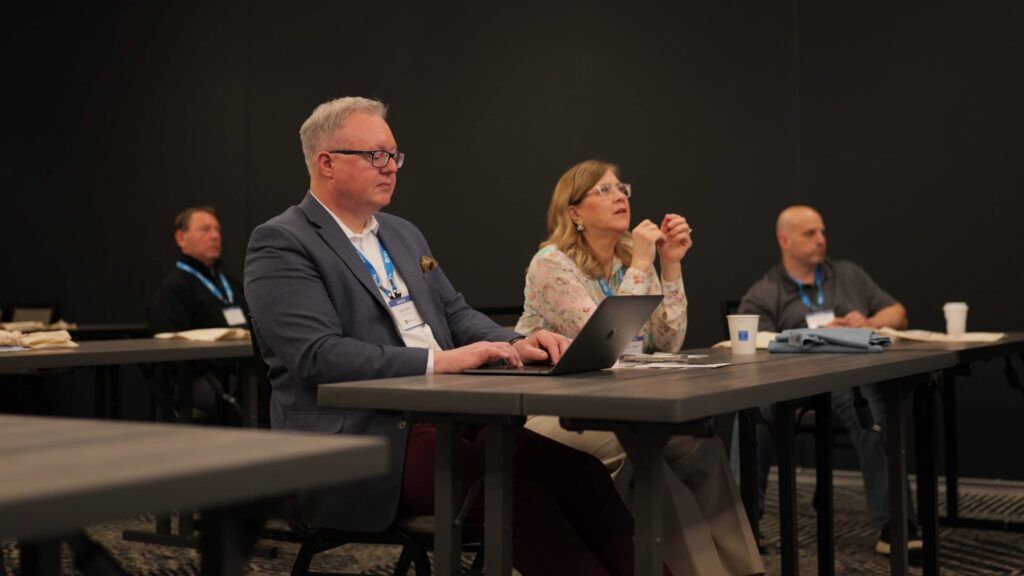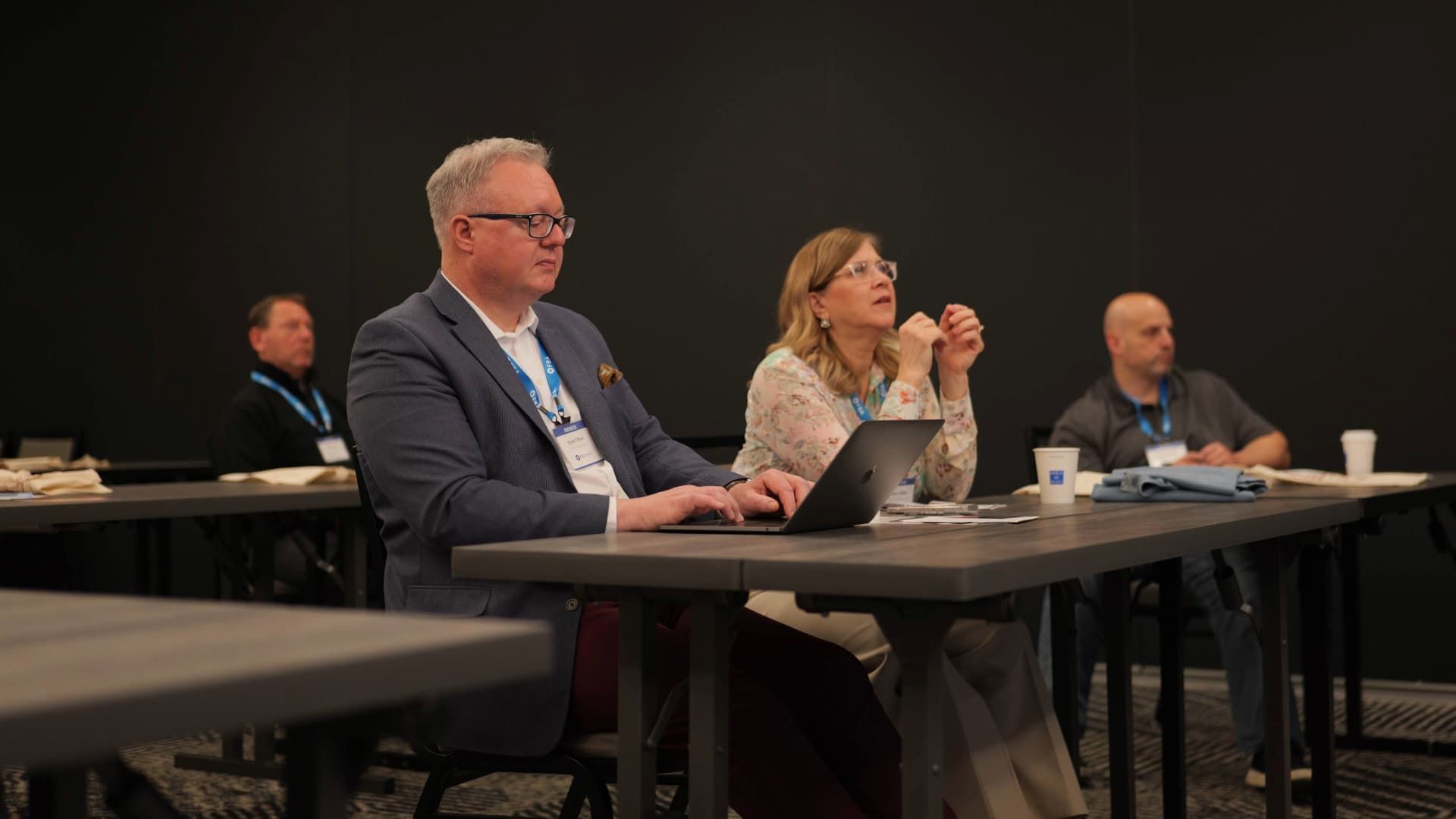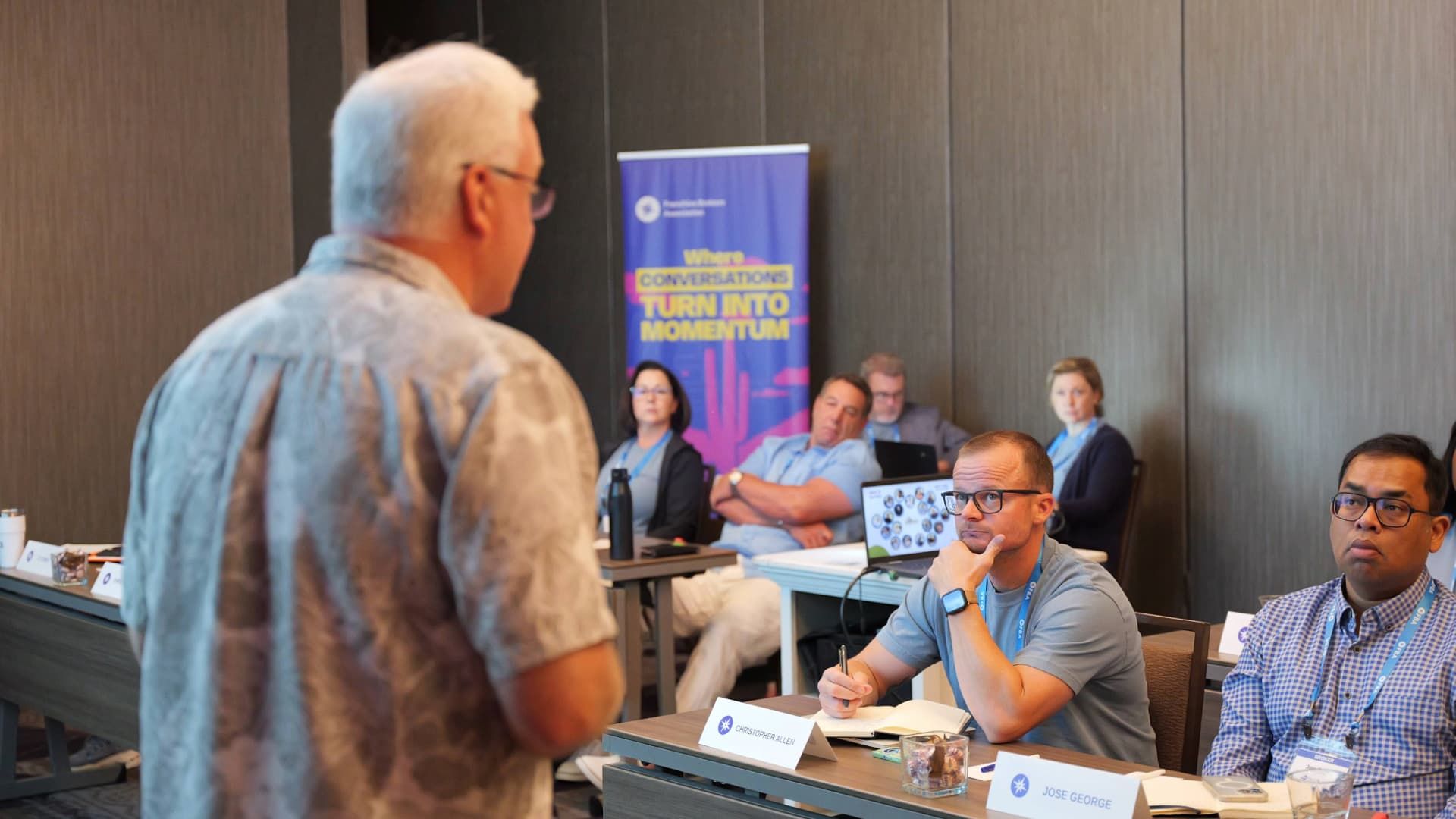

FBA events for franchise brokers are more than networking opportunities. They help brokers build brand knowledge, franchisor relationships, and referral discipline that lead to stronger candidate introductions.
A booth can introduce you to a brand. A meaningful conversation can help you understand whether that brand fits the candidates you serve.
That distinction matters because a referral-first practice is built on trust.
Candidates need brokers who understand the opportunities they present. Franchisors need brokers who know the ideal franchisee profile and send prepared candidates. FBA events for franchise brokers create the access needed to build both.
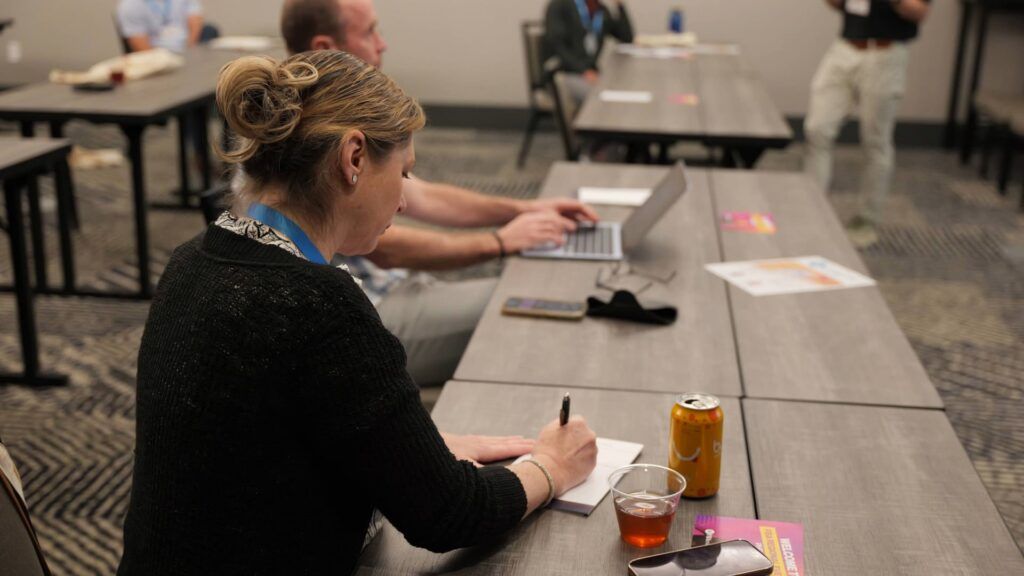
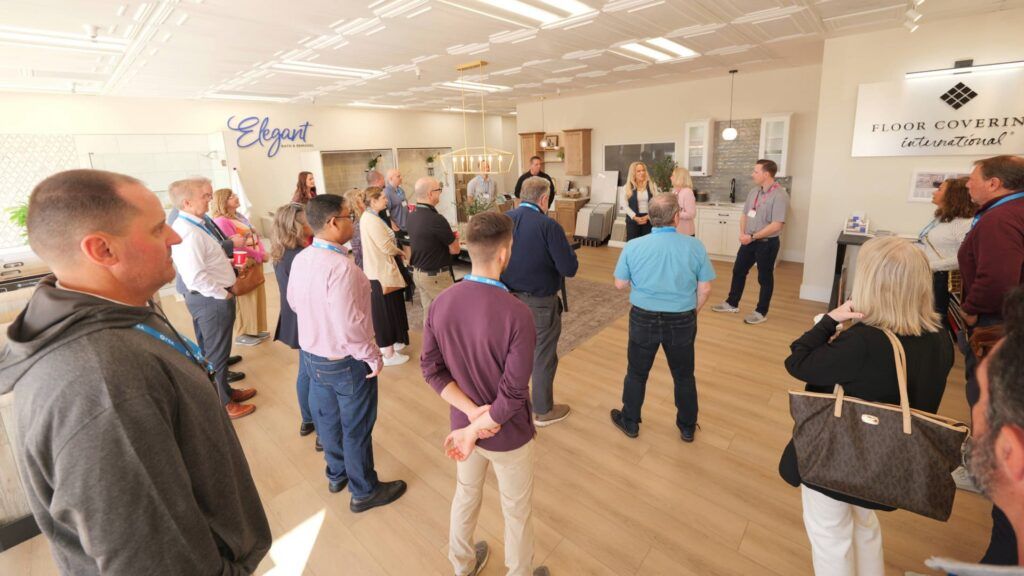
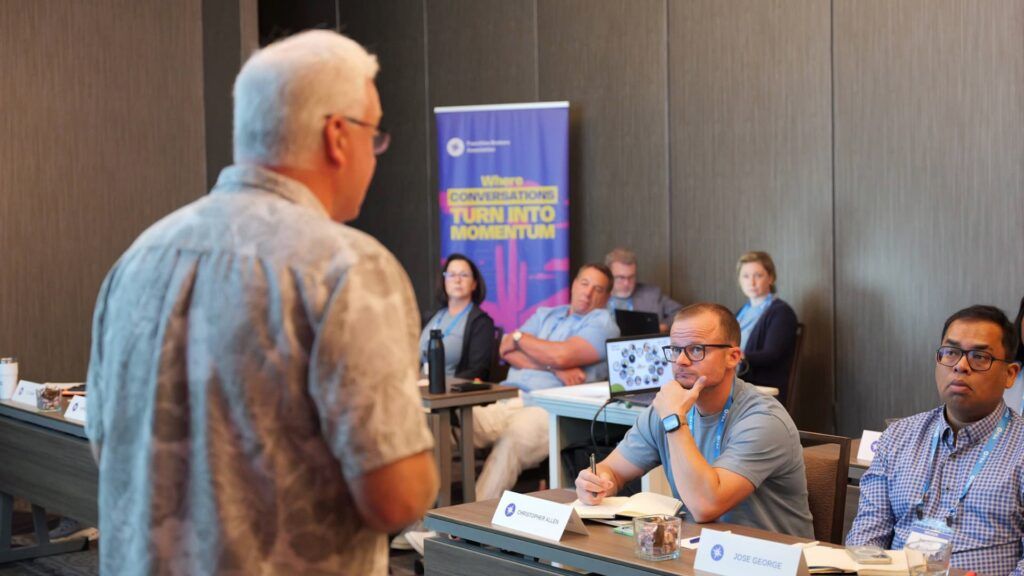
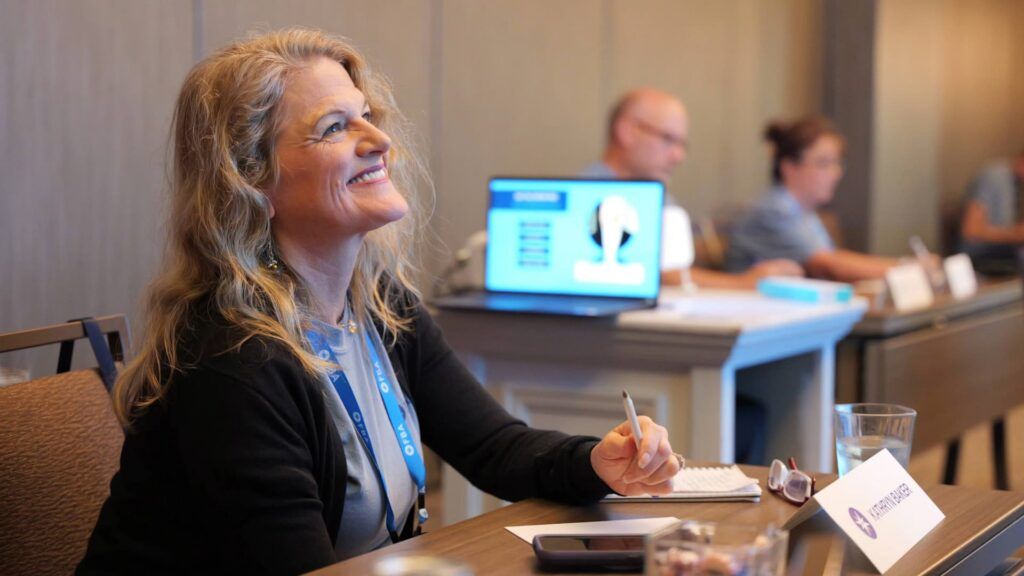
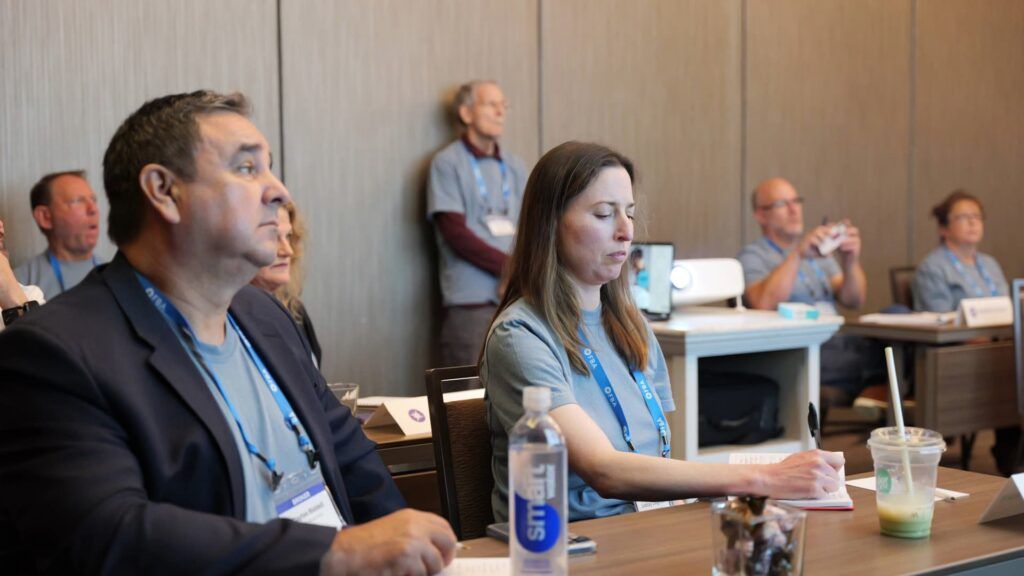
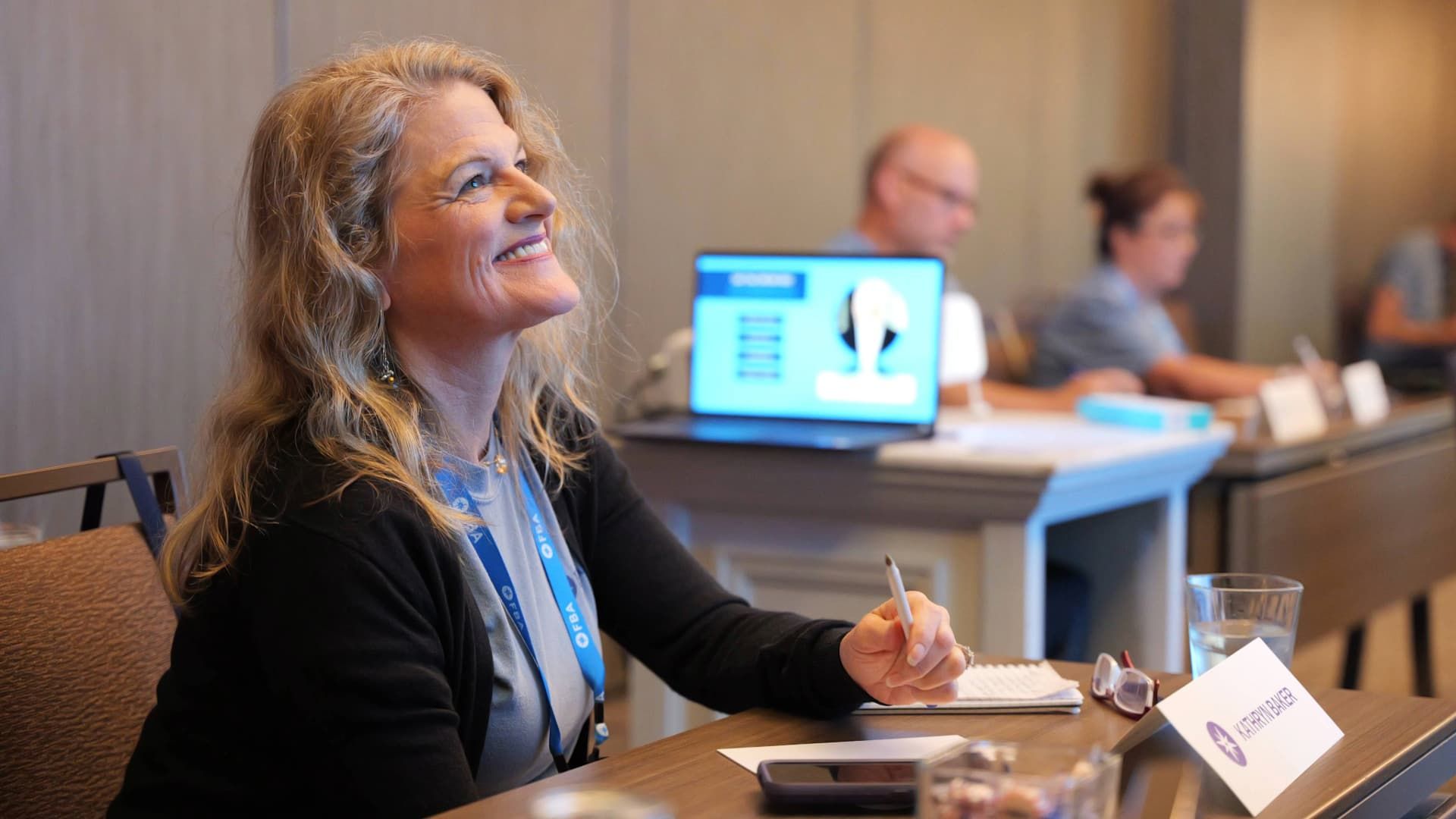
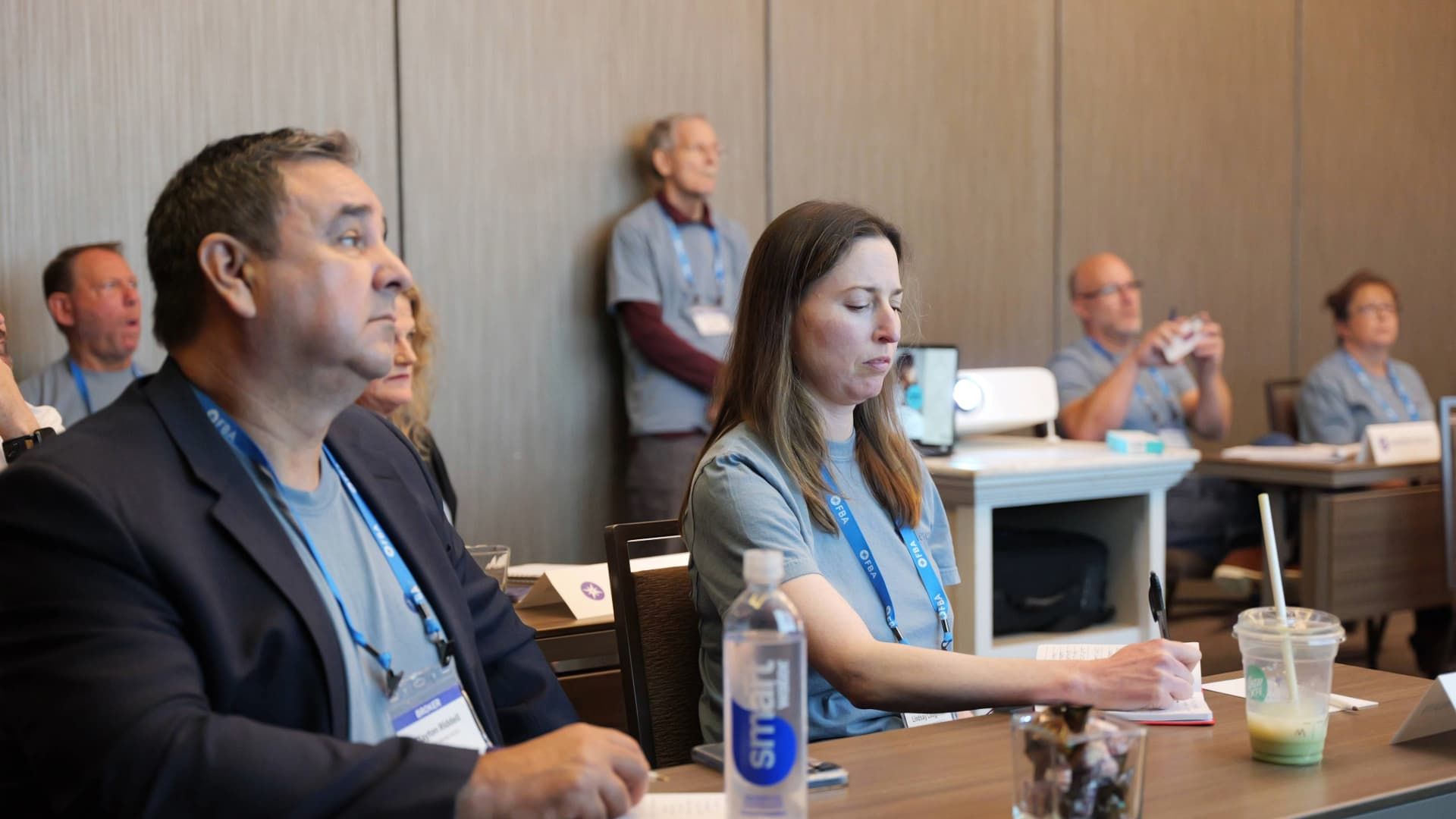
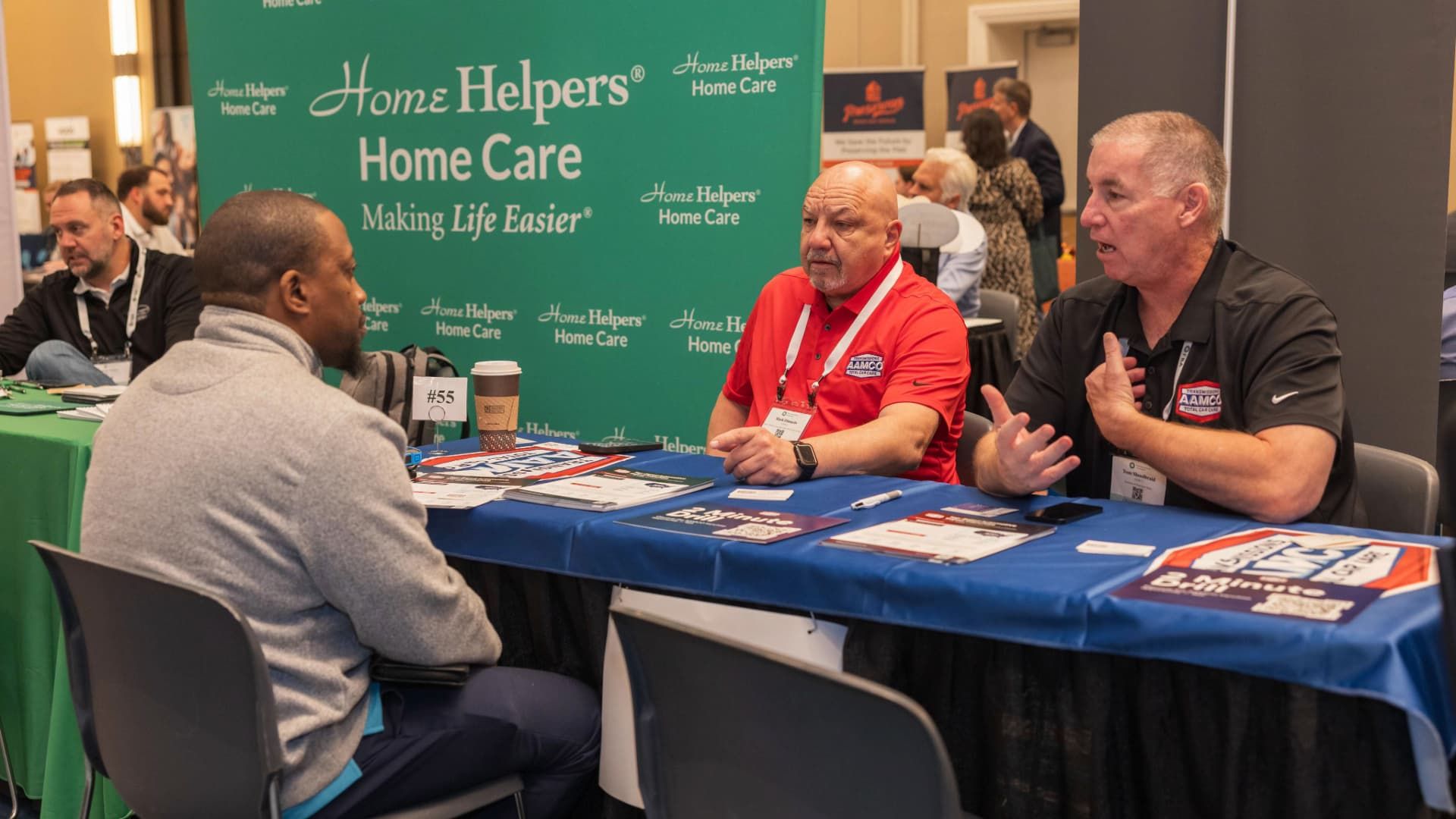
FBA Regionals are intentionally small, relationship-first gatherings. They give active brokers direct time with franchisor leaders through presentations, networking sessions, and one-on-one conversations. Learn more about the structure and purpose of FBA events.
What Is a Referral-First Practice?
A referral-first practice puts candidate fit before referral volume.
Instead of starting with the brands a broker knows best, the broker starts with the candidate. They learn the candidate’s goals, investment capacity, lifestyle preferences, leadership background, risk tolerance, and desired level of involvement.
Then, the broker uses current brand knowledge to identify suitable opportunities.
A referral-first broker does not measure success by the number of introductions made. They measure success by the quality of the candidate-brand match and the strength of the relationship created after the introduction.
This approach helps brokers:
- Send better-prepared candidates
- Improve franchisor trust
- Reduce weak referrals
- Create smoother franchise development conversations
- Build a stronger long-term reputation
- Improve candidate confidence in the process
How to Prepare for FBA Events for Franchise Brokers..
The value of FBA events for franchise brokers starts before the event begins.
Brokers who arrive with a clear plan have better conversations and leave with more useful insight. Before attending, review your current candidate pipeline and identify the questions that need answers.
Review Your Candidate Pipeline.
Look at the candidates currently in your pipeline before you attend the event.
Identify candidates who may benefit from a new brand conversation, a different franchise category, or updated information about a franchise opportunity. Make notes about their investment range, desired involvement level, leadership background, geographic preferences, and key concerns.
This helps you attend FBA events with specific candidate-fit questions instead of relying on general conversations.
Create a Brand-Research Question List.
Prepare a short list of:
- Franchise categories you want to understand better
- Brands that may fit active candidates
- Candidate questions you cannot answer yet
- Territory or business-model questions that need clarification
- Common concerns candidates raise during discovery calls
Instead of asking, “Tell me about your brand,” ask questions that improve referral readiness.
For example:
- What does your ideal franchisee look like in practice?
- Which candidate assumptions create the biggest mismatch?
- What makes a broker referral valuable to your development team?
- What has changed in your territory strategy?
- What should I verify before introducing a candidate?
- What questions do your strongest candidates ask early in the process?
Set Relationship Goals Before You Attend.
FBA events are relationship-building opportunities.
Before attending, identify the franchisor relationships you want to strengthen. You may want to reconnect with a brand that has changed its development strategy, learn more about a new opportunity, or schedule a post-event training call with a priority franchisor.
Clear relationship goals turn casual networking into a productive working session.
How FBA Events Improve Brand Knowledge.
FBA events for franchise brokers give members direct access to information that improves referral quality.
A referral-first broker understands more than a brand’s category and investment range. They understand the operating reality behind the opportunity.
Understand the Ideal Franchisee Profile.
Ask franchisors what their strongest franchisees have in common.
Learn about the management background, lifestyle goals, financial readiness, leadership traits, and operating expectations that support long-term fit. Also ask which candidate profiles are not a fit.
This information helps brokers avoid weak introductions and improve candidate matching.
Clarify Operating and Ownership Expectations.
Two brands may look similar on paper but require very different owners.
For example, two home-services franchises may have comparable investment ranges. However, one may require a hands-on owner who leads a large team, while another may be better suited to a candidate interested in a manager-led model.
Ask about owner involvement, staffing needs, sales responsibilities, daily operations, and the level of leadership required after opening.
Confirm Territory, Training, and Support Details.
Use FBA events to confirm:
- Territory priorities
- Training and launch support
- Ongoing operational support
- Marketing support
- Common candidate objections
- Key candidate disqualifiers
- The franchise development process
- What a strong Discovery Day candidate looks like
FBA Regionals provide the time needed to uncover these details. For a deeper framework, read Using FBA Regionals to Diagnose Your Practice.
Questions to Ask at FBA Events for Franchise Brokers.
The quality of your event conversations depends on the questions you ask.
Strong brokers use FBA events for franchise brokers to uncover the details that affect candidate fit. They do not rely only on a brand’s general pitch.
Questions About Candidate Fit.
- What traits do your strongest franchisees share?
- What professional backgrounds work well in this model?
- What candidate profiles are usually not a fit?
- Is this a hands-on, manager-led, or multi-unit opportunity?
- What level of coachability does the system require?
Questions About Financial Readiness.
- What investment and liquidity range should a candidate expect?
- What financing preparation does your team want to see?
- Which financial questions should candidates review with qualified advisors?
- Are there common financial misunderstandings that brokers should address early?
Questions About Operations and Support.
- What does the franchisee manage day to day?
- What staffing challenges should candidates expect?
- What does training include before opening?
- What support is available after launch?
- Which parts of the business require the most owner attention?
Questions About the Franchise Development Process.
- What are the major steps from introduction to decision?
- What should a broker prepare a candidate for before the first call?
- What does a strong Discovery Day candidate look like?
- Which questions should brokers direct to the franchise development team?
The answers help brokers make stronger decisions before a referral is sent.
Turn Event Conversations Into a Referral System.
The event is only the beginning. The real value comes from how you organize and use what you learn afterward.
After every meaningful brand conversation, document the details that will improve your future referrals. Do not depend on memory after speaking with multiple franchisors in one day.
Create a Brand-Note Template.
Create a simple brand-note template that includes:
- Ideal candidate profile
- Investment and liquidity expectations
- Operating model
- Owner involvement level
- Territory priorities
- Key differentiators
- Common objections
- Candidate disqualifiers
- Best franchisor contact
- Next follow-up action
This turns event access into a working referral resource.
Record Candidate Disqualifiers.
Record the situations that make a candidate less likely to fit the franchise system.
For example, a candidate may be unsuitable because they lack sufficient liquidity, prefer a passive investment model, do not want to manage employees, or expect more flexibility than the business can provide.
Documenting disqualifiers helps you avoid wasting a candidate’s time and protects your relationship with the franchisor.
Document the Next Follow-Up Action.
Before you leave a conversation, identify the next step.
This may include requesting updated materials, scheduling a training call, clarifying territory availability, or sharing an anonymized candidate profile for initial feedback.
FBA’s guide on using event feedback to refine your franchise pitch explains how brokers can capture recurring questions, useful language, and points of confusion to improve future conversations.
Follow Up After FBA Events.
A referral-first practice depends on post-event follow-up.
Send a Personalized Message Within Two Business Days.
Within two business days of an FBA event, send a short, personalized message to the franchisor representatives you met. Reference the conversation, restate what you learned, and identify the next step.
For example:
thank you for walking me through your ideal franchisee profile and manager-led ownership model. i now have a clearer understanding of the candidates who may fit your growth plans. i will review my active pipeline and follow up if i identify a candidate whose goals and background align with your criteria.
This is more useful than a generic “great meeting you” email. It shows that you listened and plan to use the information responsibly.
Request Current Brand Materials.
Ask for current broker materials, including a brand overview, candidate profile, territory information, Discovery Day preparation resources, and approved messaging.
Current information helps brokers avoid presenting outdated details to candidates.
Schedule a Brand-Training Conversation.
If the brand is a priority for your candidate base, schedule a training call after the event.
Use that conversation to review brand updates, candidate-fit indicators, process steps, support systems, and common candidate questions. This creates a stronger foundation before you make a referral.
Use FBA Events for Better Candidate Matching
A referral-first practice begins with the candidate, not the event.
Before presenting a brand, learn what the candidate needs, wants, and can realistically pursue.
Start With Candidate Goals.
Focus your candidate discovery on:
- Lifestyle and schedule goals
- Leadership and management experience
- Investment capacity
- Financing readiness
- Desired level of involvement
- Geographic priorities
- Family considerations
- Risk tolerance
- Interest in daily operations
- Long-term ownership goals
Match Candidates to Current Brand Requirements.
Then use the knowledge gained at FBA events for franchise brokers to identify possible fits.
This process prevents a common mistake: presenting the brands that are easiest to remember instead of the brands that best match the candidate.
For practical discovery prompts, read Questions to Ask Franchise Candidates for Better Insights.
Verify Details Before Making an Introduction..
Do not rely only on information gathered at an event.
Before making a referral, verify current details with the franchisor. Confirm territory availability, investment expectations, candidate requirements, and the next step in the development process.
This protects the candidate experience and strengthens your credibility with the franchisor.
Brokers should also remind candidates that franchise exploration requires independent due diligence. Encourage candidates to review franchise documents carefully, ask direct questions, speak with current franchisees, and consult qualified legal, financial, and tax advisors when appropriate. The Federal Trade Commission’s Consumer Guide to Buying a Franchise is a neutral resource candidates can use to understand the franchise-buying process and the role a broker may play.
Build Candidate Credibility Through FBA Events.
Candidates want to work with brokers who understand the opportunities they present.
When you attend FBA events, you gain firsthand context. You learn how a brand’s leadership team communicates, what it values in candidates, and how its franchise development process works.
Use that knowledge carefully.
Do not make promises. Do not treat informal conversations as a substitute for verified franchisor information. Instead, use your event experience to help candidates ask better questions and prepare more thoughtfully.
For example, say:
based on what you told me about your leadership background and interest in a manager-led model, i believe this brand may be worth exploring. i recently spoke with the development team about the type of owner they are seeking. before making an introduction, i want to confirm a few current fit details.
This statement is accurate, professional, and candidate-focused.
Learn From Other Brokers at FBA Events.
FBA events also create valuable broker-to-broker learning opportunities.
Other brokers may have useful insights about candidate questions, category trends, franchisor responsiveness, and practices that help candidates move through the development process.
Use peer conversations professionally. Share process insights, not confidential candidate information or unsupported claims about brands.
Helpful peer discussion topics include:
- Candidate questions that appear most often
- Discovery questions that reveal fit earlier
- Ways to prepare candidates for Discovery Day
- Follow-up practices that improve engagement
- Resources that help explain a franchise category
- Readiness concerns that require a pause
Broker collaboration can help you improve your practice faster, especially when you pair peer insights with current information from franchisor representatives.
Measure the Impact of FBA Events for Franchise Brokers.
Do not measure an event only by business cards, badge scans, or new social connections.
Measure whether FBA events for franchise brokers improve the quality of your referral process.
Track Relationship and Brand-Learning Metrics.
Track:
- New franchisor relationships started
- Brand-training calls scheduled
- Candidate-fit insights recorded
- Updated brand materials received
- Questions clarified after the event
- Follow-up actions completed
Track Candidate and Referral Outcomes.
Track:
- Referrals made within 30, 60, and 90 days
- Candidate-to-franchisor call completion rate
- Candidate advancement rate
- Discovery Day attendance rate
- Franchisor feedback on referral quality
- Candidate withdrawal or disqualification reasons
These metrics show whether event participation creates practical value.
For example, meeting a brand and deciding it does not fit your current candidate base is still valuable. It prevents a weak referral and strengthens your ability to guide candidates responsibly.
Post-Event Checklist for Franchise Brokers.
Use this checklist after every FBA event:
- Review notes from every meaningful brand conversation
- Update your brand profiles and CRM records
- Remove outdated information from your materials
- Send personalized follow-up messages within two business days
- Schedule training calls with priority brands
- Identify candidates who may fit specific opportunities
- Verify current details before making referrals
- Record unanswered questions for follow-up
- Share verified insights with your team
- Set a date to review referral outcomes
This process helps turn event participation into long-term referral discipline.
Turn Event Access Into Better Referrals.
FBA events for franchise brokers create access. What you do with that access determines the value.
Come prepared with candidate-fit questions. Listen for the details that separate a good brand from the right brand for a specific candidate. Document what you learn, follow up quickly, and confirm current information before making an introduction.
The brokers who build a referral-first practice do not treat FBA events as a day away from the office. They treat every conversation as an opportunity to improve their brand knowledge, strengthen a franchisor relationship, and guide the next candidate with greater confidence.
Frequently Asked Questions.
What are FBA events for franchise brokers?
FBA events for franchise brokers are relationship-focused opportunities where active brokers can meet franchisor representatives, learn about brand requirements, strengthen partnerships, and improve future candidate referrals.
How do FBA events for franchise brokers improve referral quality?
FBA events help brokers understand ideal franchisee profiles, operating requirements, territory priorities, support systems, development processes, and candidate disqualifiers. This supports more accurate candidate matching.
What should brokers ask franchisors at FBA events?
Ask about the ideal franchisee profile, investment expectations, owner involvement, staffing needs, territory priorities, training, support, development steps, candidate disqualifiers, and Discovery Day expectations.
How quickly should brokers follow up after an FBA event?
Send a personalized follow-up within two business days. Reference the conversation, confirm what you learned, and state the next action you plan to take.
How can brokers measure the value of FBA events?
Track new franchisor relationships, training calls, candidate-fit insights, referrals, candidate advancement, Discovery Day attendance, and franchisor feedback on referral quality.
Turn Event Access Into Better Referrals.
FBA events for franchise brokers create access. What you do with that access determines the value.
Come prepared with candidate-fit questions. Listen for the details that separate a good brand from the right brand for a specific candidate. Document what you learn, follow up quickly, and confirm current information before making an introduction.
The brokers who build a referral-first practice do not treat FBA events as a day away from the office. They treat every conversation as an opportunity to improve their brand knowledge, strengthen a franchisor relationship, and guide the next candidate with greater confidence.